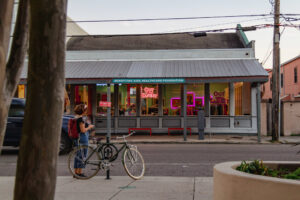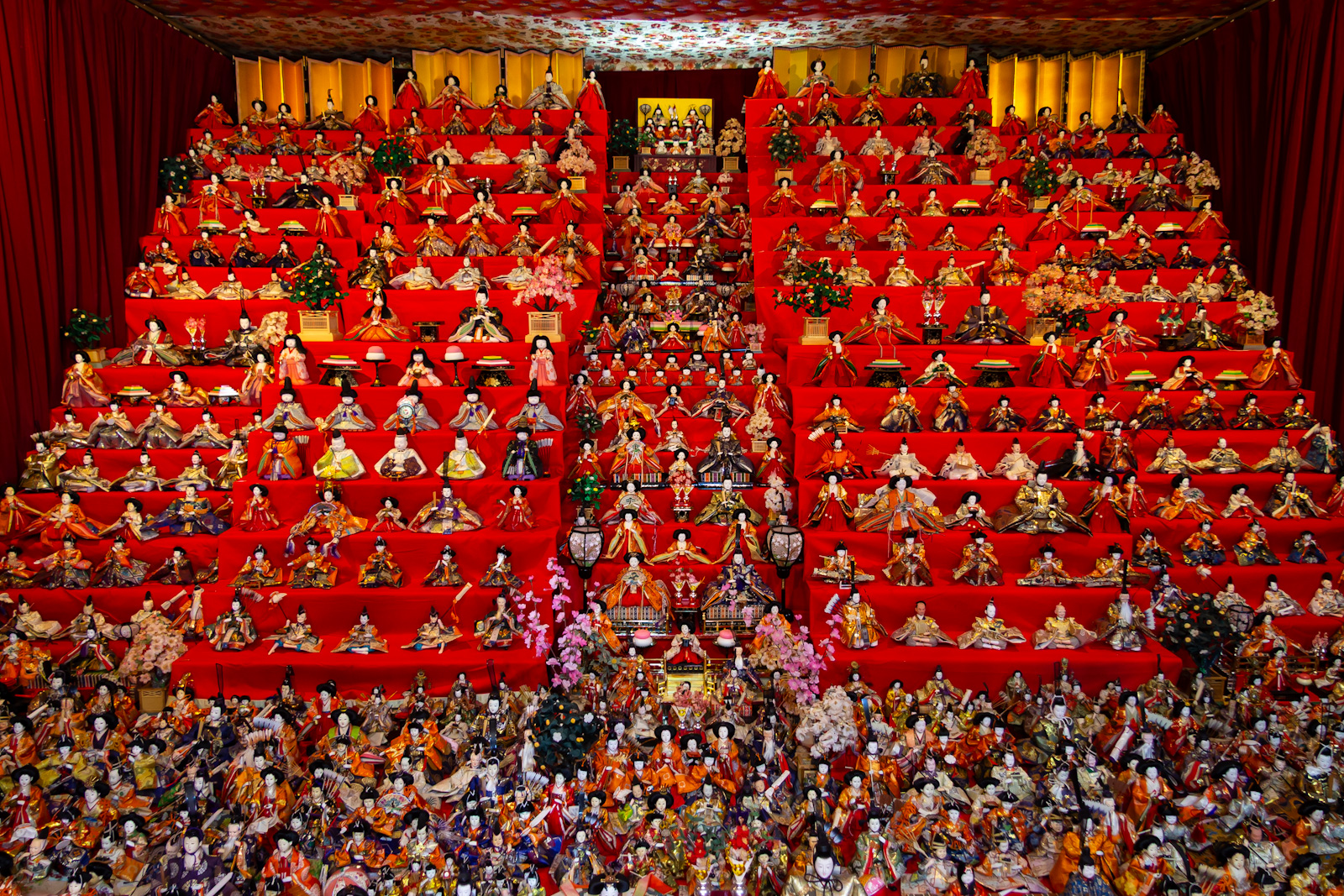
Hinamatsuri, also called Girls’ Day, is a doll festival held every year in Japan on March 3. Traditionally known as Momo-no-sekku, or the Peach Festival, it began as a cleansing ritual to rid the body of impurities and evil spirits. Today, it’s celebrated to wish girls health and happiness. This year, I went to see the Hinamatsuri exhibitions in Chofu, an old samurai district of Shimonoseki City.
Chofu was a 50,000-koku domain ruled by the Mori clan during the Edo Period in Nagato province (present-day Yamaguchi prefecture). The town centered around the hilltop castle, Kushizaki, which was founded by Mori Hidemoto in 1600. But in 1615, it was decommissioned under Ikkoku Ichijo Rei, the “one castle per province” law. The castle was abandoned, and a daikansho, or magistrate’s office, was built instead.
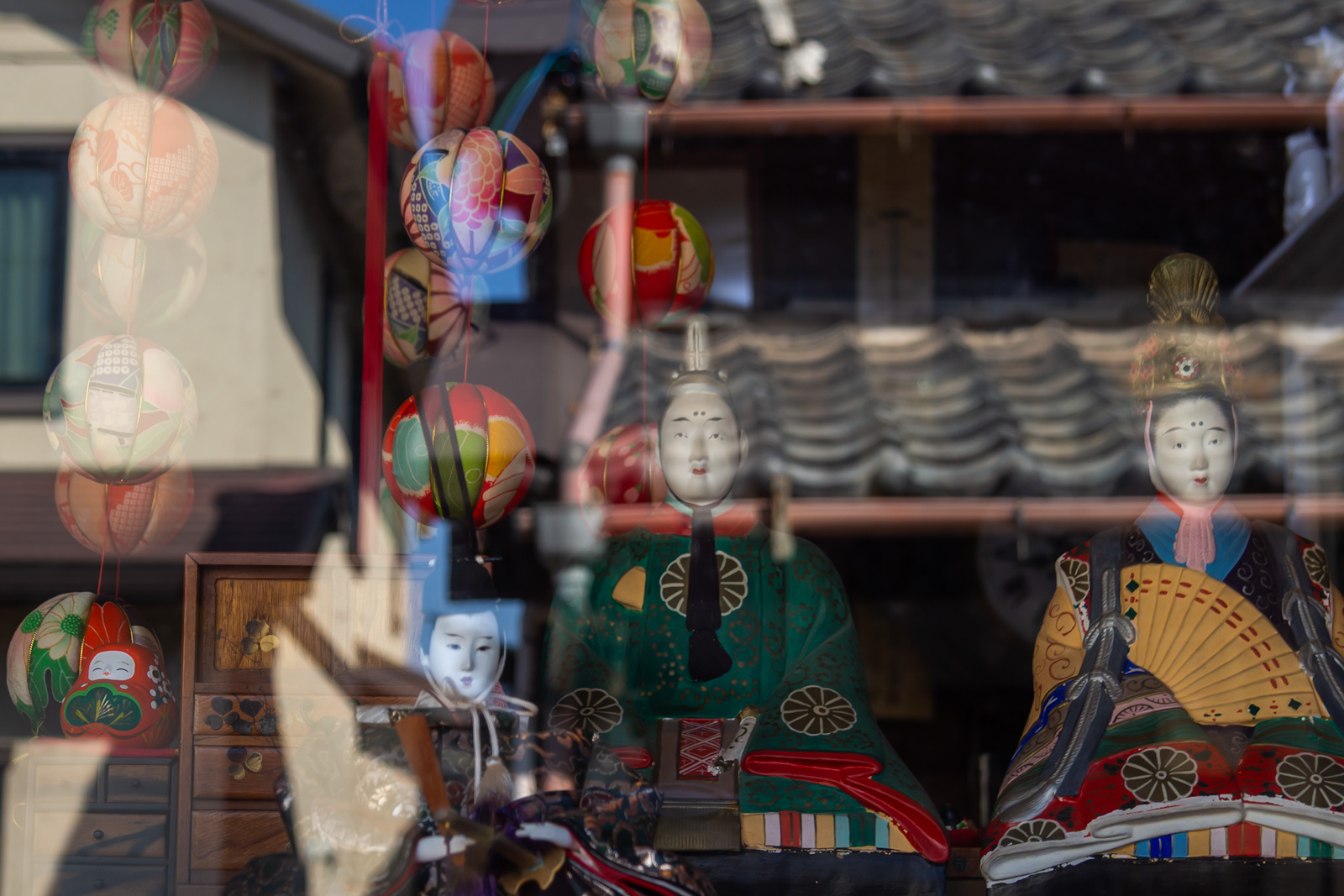
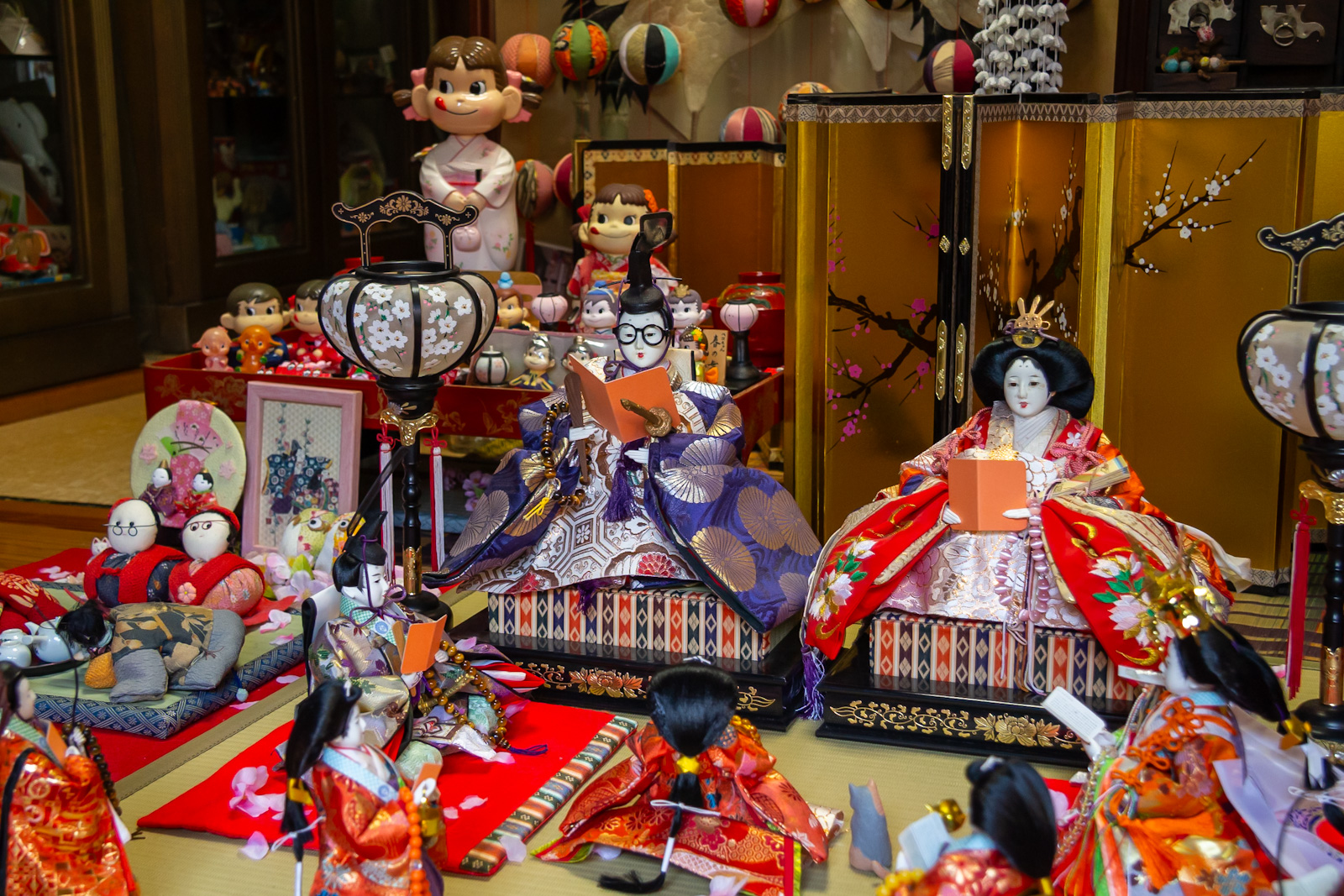
The ruins of the castle remain, as do many of the old samurai residences, manors, temples, and gardens, making Chofu a popular attraction for visitors interested in history and architecture. And every year, from mid-February to mid-March, many of these places are decorated with dolls for Hinamatsuri.

Under the old lunar calendar, Hinamatsuri fell at the beginning of April, when peach trees first blossom in Japan. In Japanese folklore, peach trees are believed to ward off evil and protect from misfortune. This is why Hinamatsuri is also called Momo-no-sekku, or Peach Festival. The festival itself is said to have originated from the ancient Chinese festival of Shangsi (上巳節), which is also known as the Double Third Festival (三月三). On the third day of the third lunar month, people would bathe in rivers to cleanse their bodies of evil and then head out for a spring day activity.
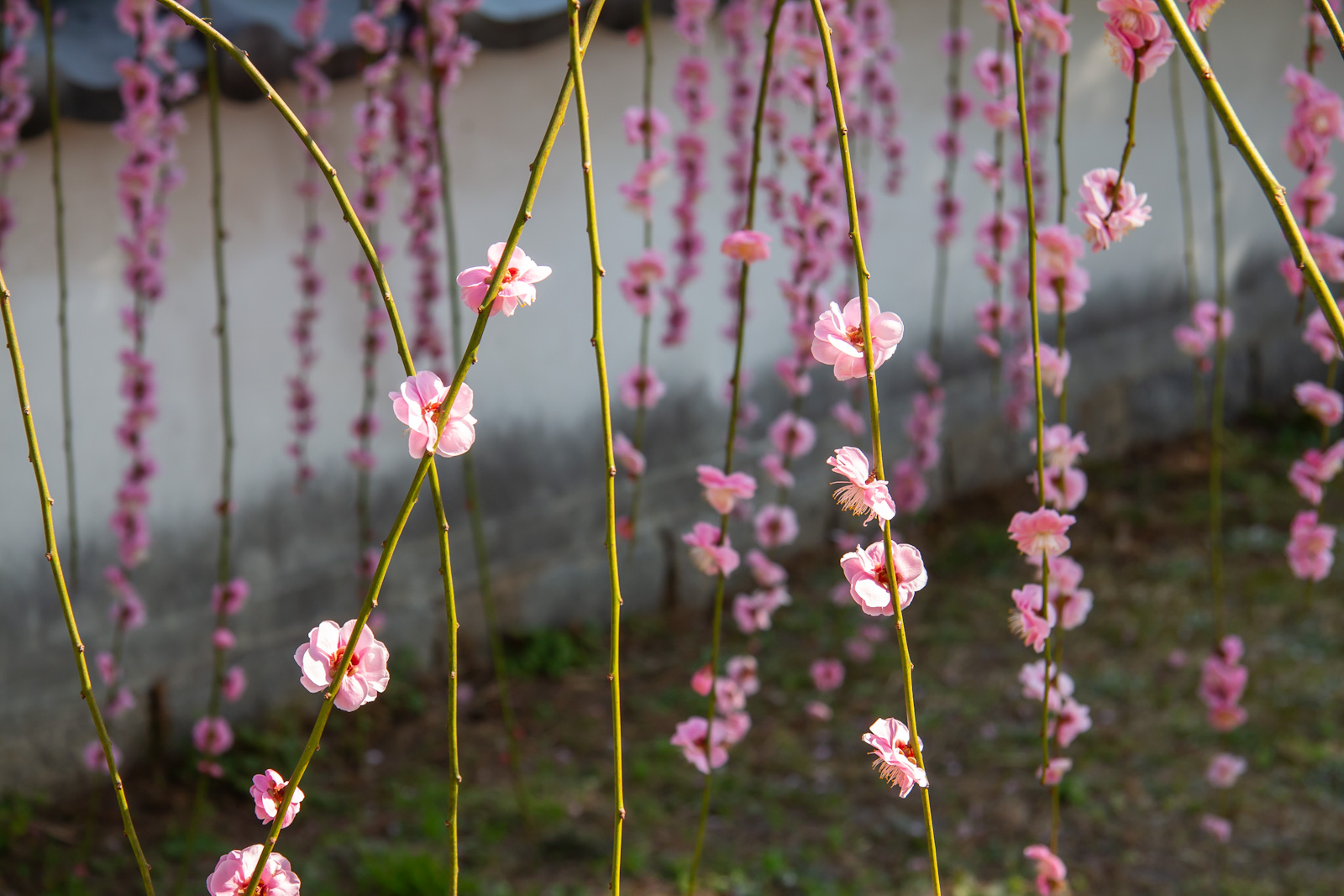
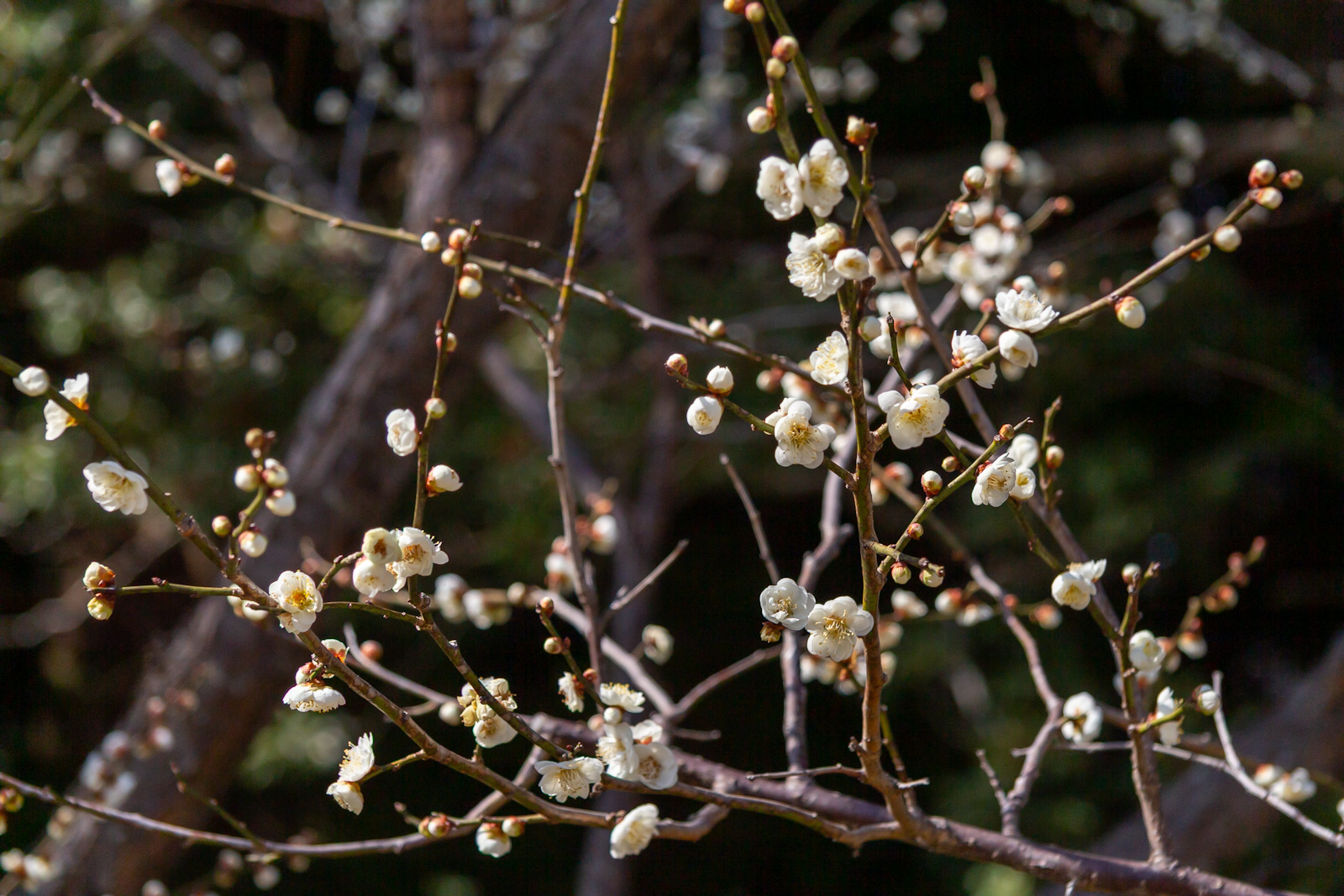
This was later introduced to Japan, where a similar custom was already being practiced. People would pat their bodies with human-like dolls to transfer any evils, and then send the dolls floating down a river to remove them. It’s believed that the two rituals were combined at some point. However, Japan now observes it as Hinamatsuri according to the Gregorian calendar, on March 3 (Shangsi is still celebrated in China under the lunar calendar). Around this time, the plum trees are usually in bloom.
The first hina dolls were simple and made of paper, straw, or wood. Under the influence of Buddhism, people began bringing them to temples to have them purified through prayer. Then it became customary to take the dolls home afterward to display them. People would decorate their displays, which became more elaborate over time. As the decorations evolved, so did the dolls, which were then made from clay and eventually porcelain in the Edo period.
The ritual of having the dolls purified through prayer also came to involve making a wish for good matchmaking for girls. It became customary to make dolls of a bride and groom to add to displays, which were also used as decorations for weddings. Later, tiers were added to the displays, which are now seen today.
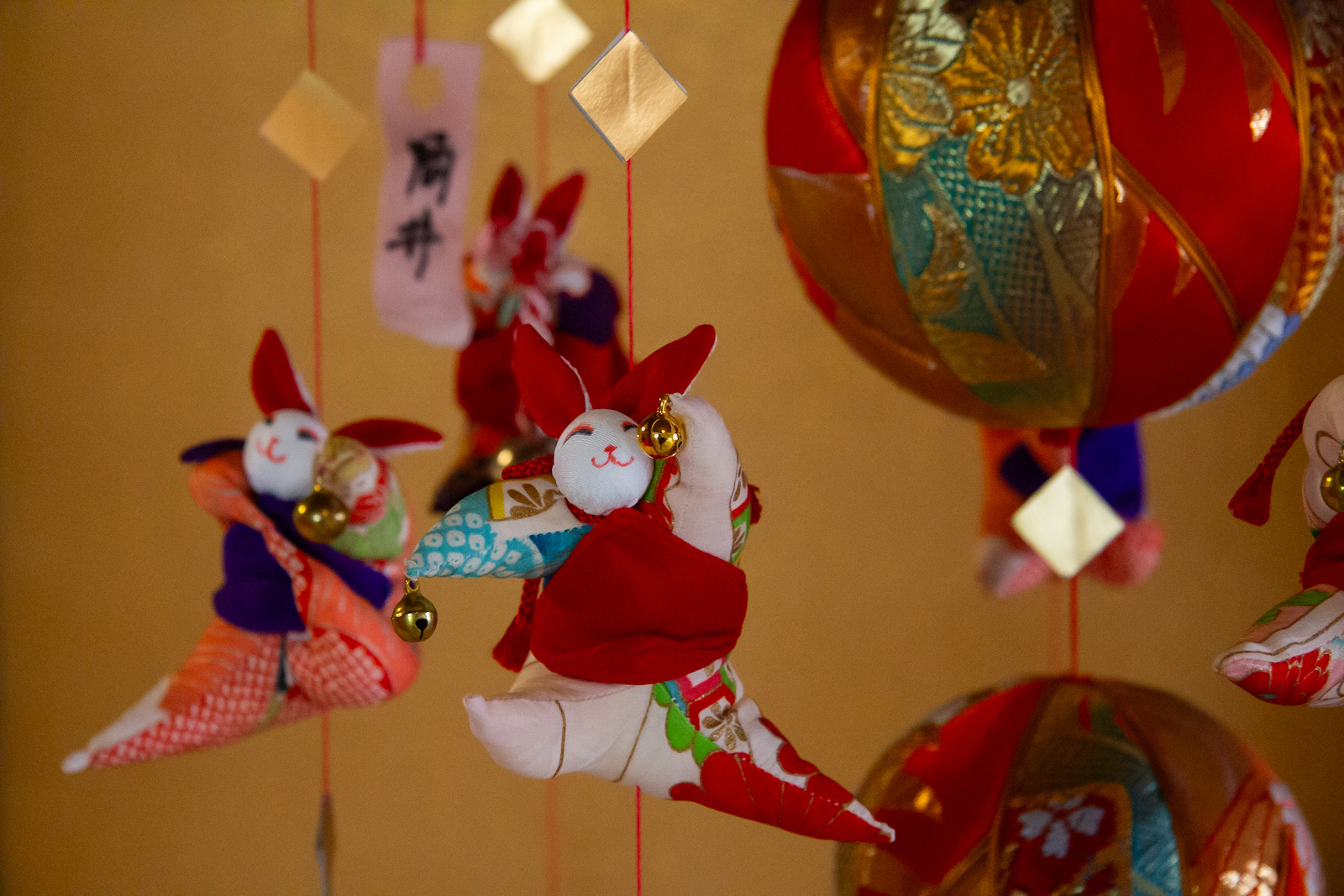
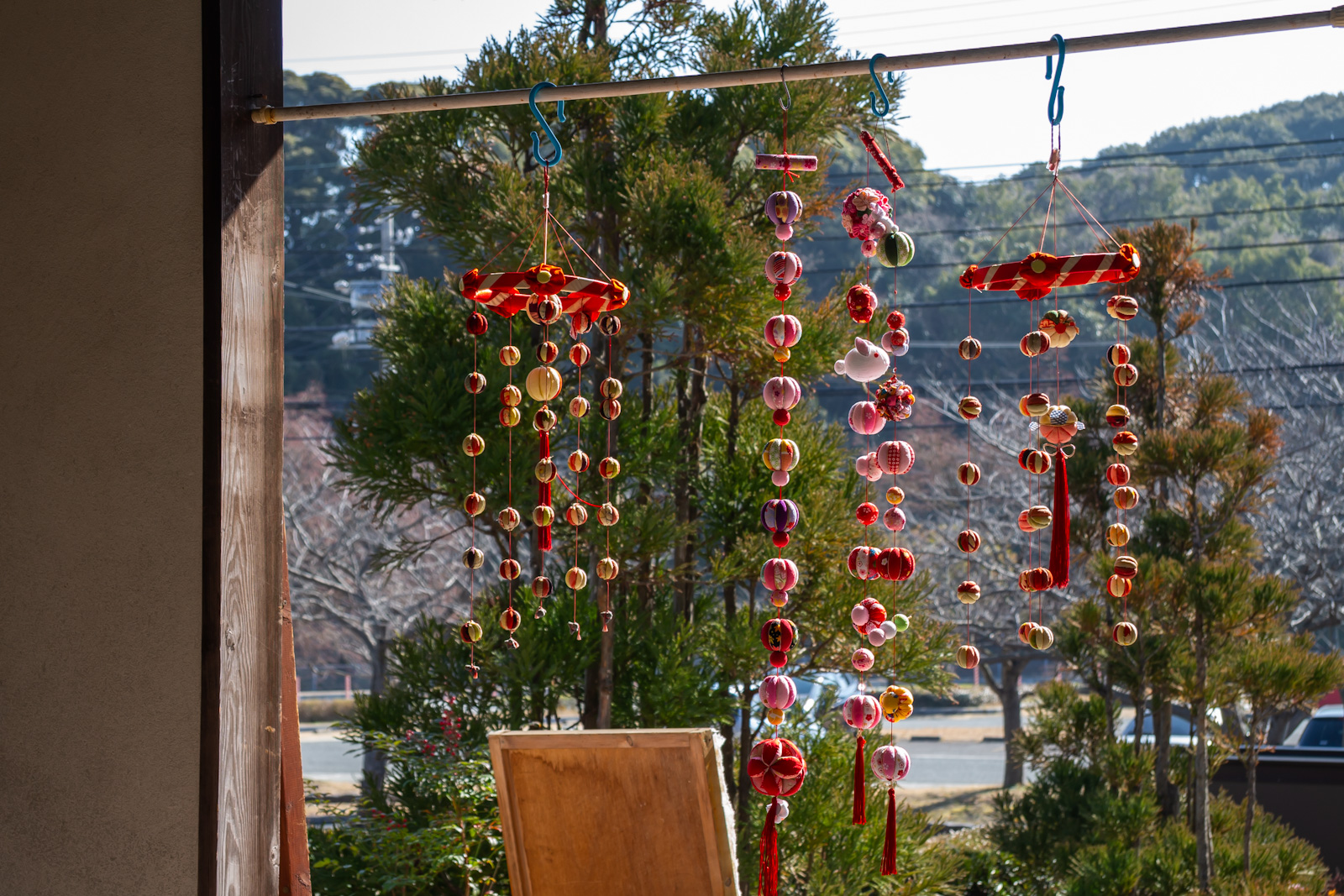
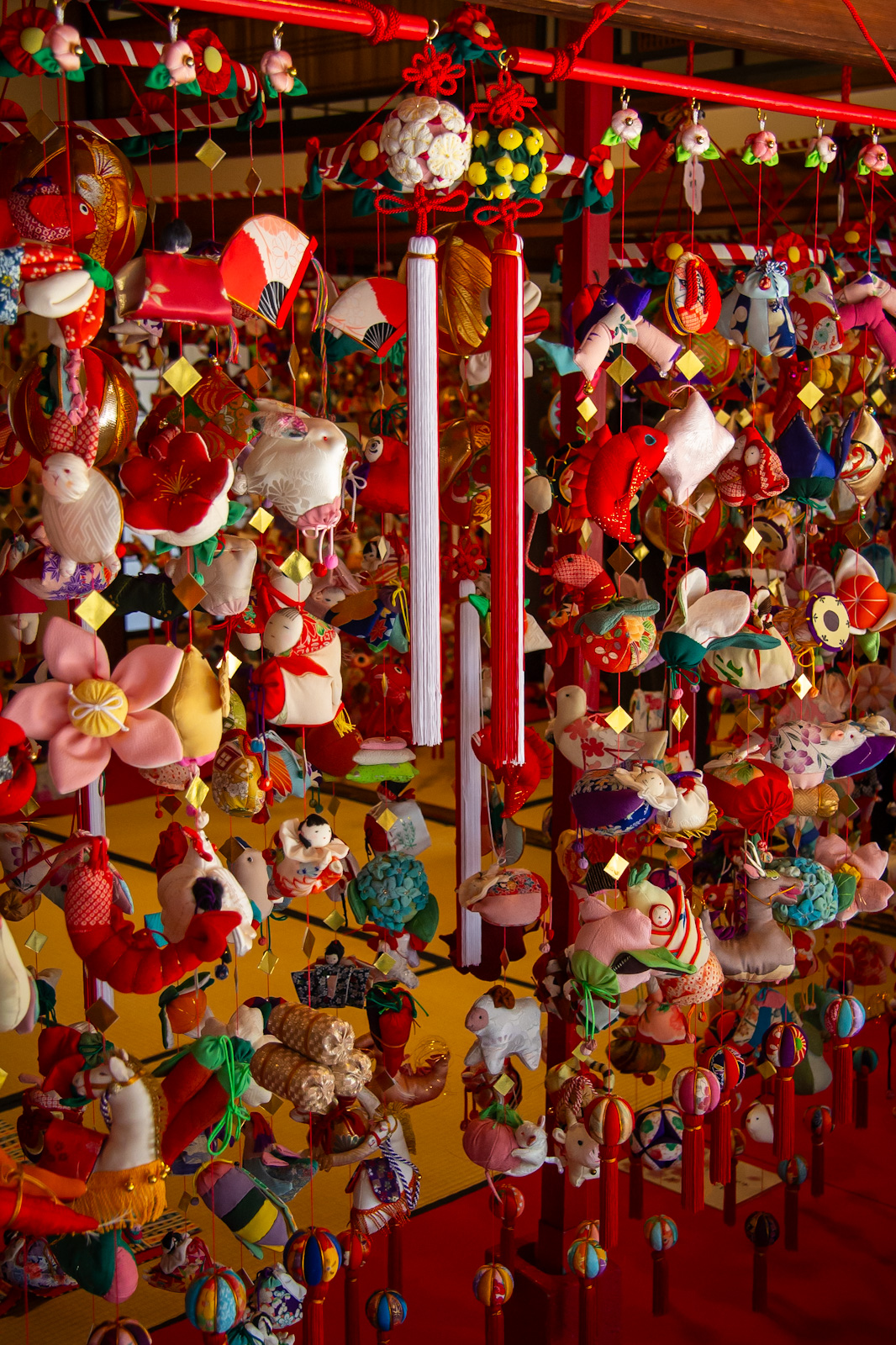

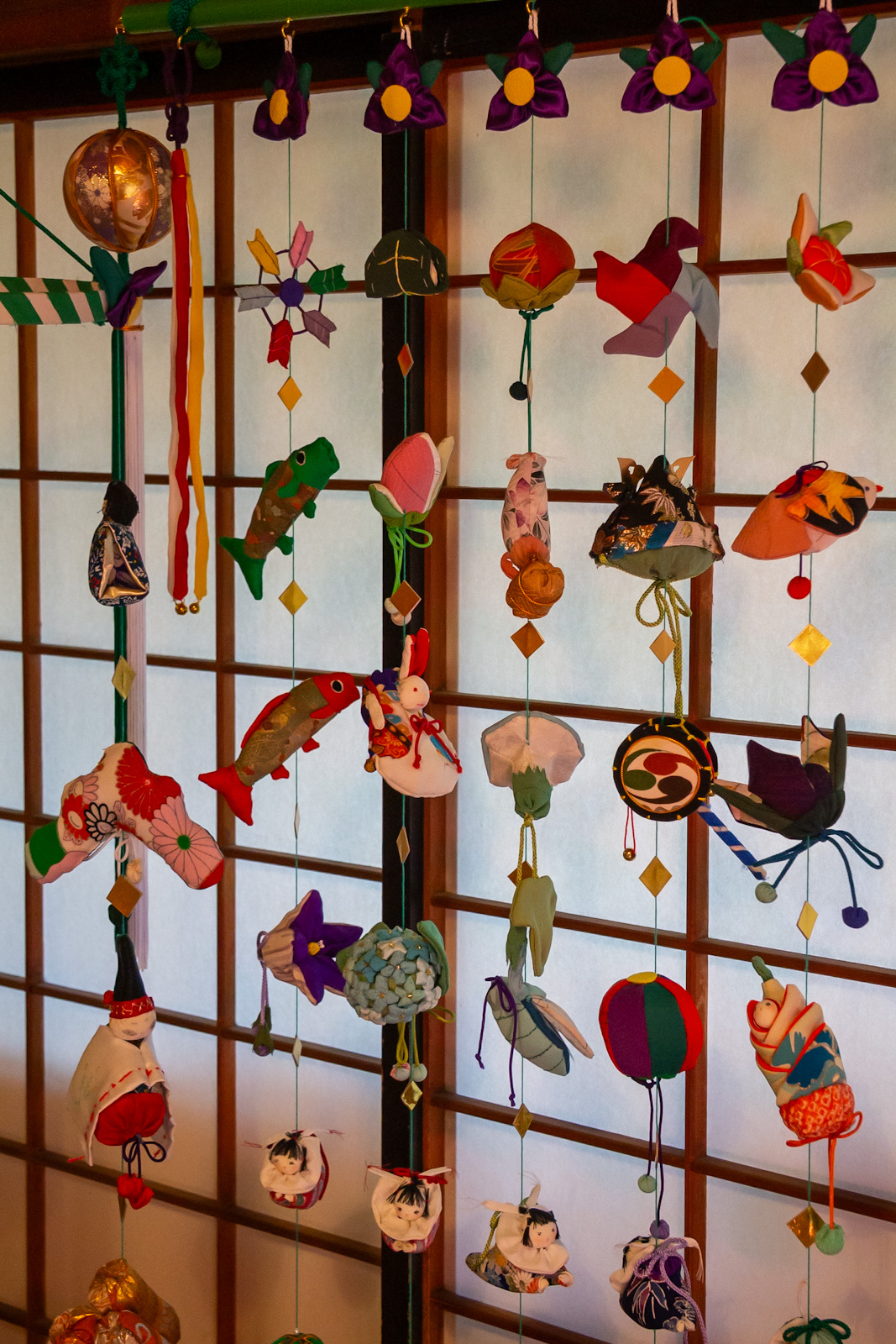

Hinamatsuri celebrations also include hanging dolls, which look a lot like those beaded curtains some of us had in our bedrooms in the late ’90s and early ’00s, except that, instead of beads, there are fabric dolls. Each doll symbolises the wishes for a girl’s health and happiness. A rabbit, for example, represents longevity, while a monkey is for good luck. A drawstring bag is so that the child will never be short of money.
This tradition dates back to the Edo period, when women from poorer families who couldn’t afford to buy hina dolls made them instead. They used scraps of old kimono and displayed them as hanging ornaments. The custom spread throughout Japan, and now each region has its own designs and materials.
Pufferfish dolls, for example, are unique to Chofu, as Shimonoseki is known as the city of pufferfish, or fugu. Pufferfish is a popular delicacy, but it’s also notoriously dangerous: consuming it can be fatal if it’s not prepared correctly. In the local dialect, fugu is pronounced like fuku, which is the Japanese word for “luck”. This play on words is said to turn the dangerous delicacy into a symbol of prosperity. Similarly, coming across the pufferfish dolls during Chofu’s Hinamatsuri is considered a sign of good fortune. I managed to spot a couple—see if you can find them in the photos.
In Chofu, you can see all kinds of dolls and decorations during Hinamatsuri at participating exhibition venues, stores, and restaurants. There’s even a stamp rally, which involves visiting five main spots around town for the chance to win a prize. And, if the weather’s good, you can enjoy the plum blossoms as well.


ATTEND The Chofu Castle Town Hinamatsuri
Chofu Castle Town Hinamatsuri is made up of different exhibitions at various spots throughout the historic district, which is about 25 min away by bus from JR Shimonoseki Station. You can pick up a map and/or stamp rally card at any of the main venues: Chofu Mori Residence, Chofu Garden, Imiya Shrine, Shoenji Temple, and Chofu Tourist Information Center (marked on the map below).
Dates: Mid-Feb–mid-Mar (2026 dates: 2/13–3/22)
Location: Chofu Castle Town, Shimonoseki, Yamaguchi
Admission: Free in general, but some venues, like Chofu Garden and Chofu Mori Residence, require an admission fee