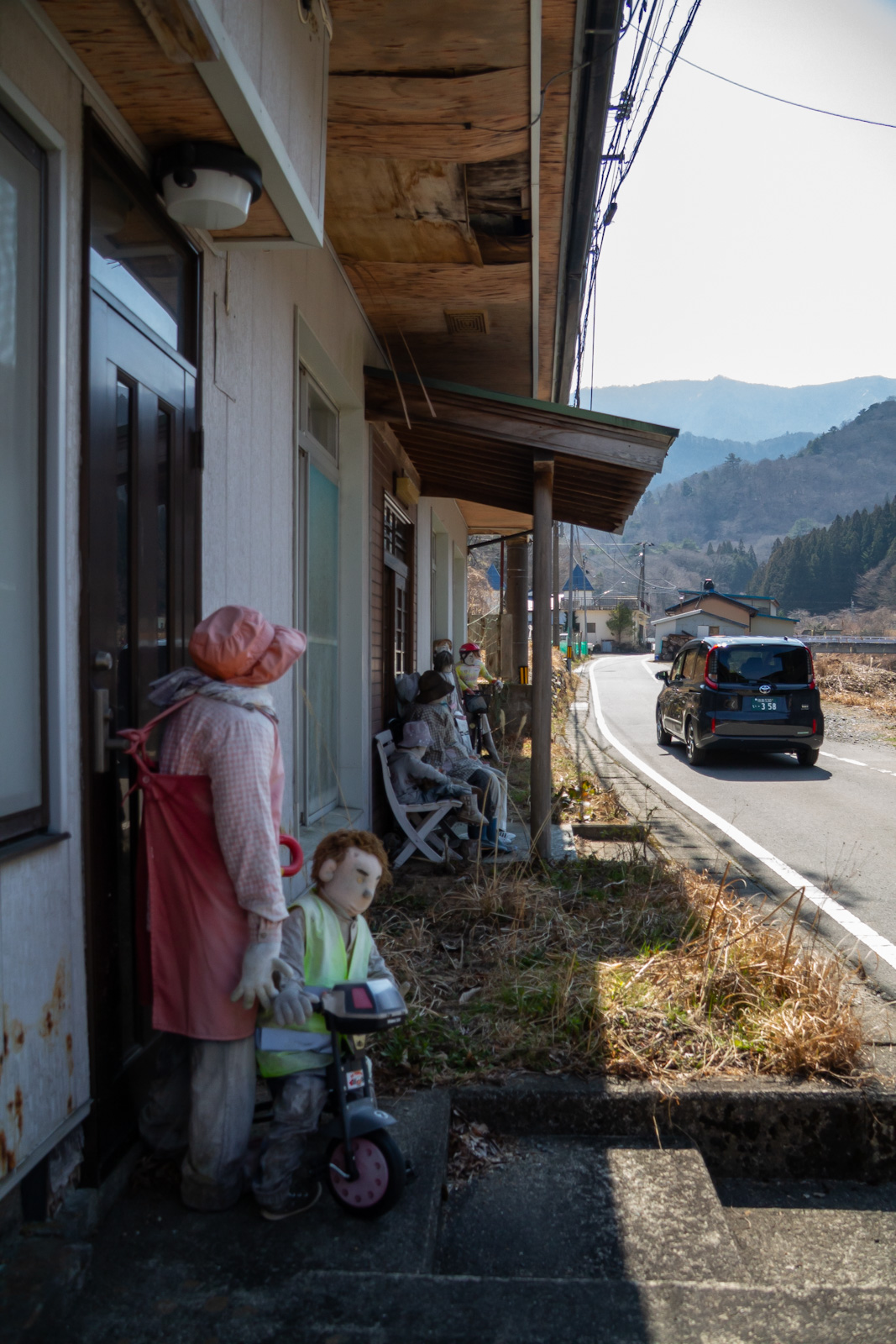
Deep in the mountains of Shikoku, where no trains and few buses go, lies a tiny village populated almost entirely by scarecrows. Outnumbering the residents by 10 to 1, the life-size dolls, or kakashi, were brought to life by a woman named Tsukimi Ayano, who created them in response to her community slowly dying out.
I first learned about Nagoro way back when StumbleUpon was still a thing. A German filmmaker by the name of Fritz Schumann had made a documentary about it in 2014, and I, having a penchant for the weird and wonderful, found it absolutely fascinating. The village made waves again in 2020 when it was featured on James May’s Our Man in Japan series, and I was happy to see it was still going strong.
I’ve always wanted to go, but Shikoku is hard to navigate, especially without a car. I’d made it as far as Takamatsu before, and that’s about it. But since I’ll be leaving Honshu soon, who knows when I’ll have the opportunity again, and so, as an early birthday present to myself, I decided to make it happen.
Ayano-san grew up in Nagoro but eventually moved to Osaka with her family, where she started one of her own. When her parents retired, they decided to move back to the village, and in 2002, she followed to care for her ailing father. She returned to a shrinking population, as, like her own family, people had moved away for better opportunities in the big cities. And, well, who could blame them?
Nagoro is located roughly 900 m (3,000 ft) above sea level, deep in the Iya Valley region of Tokushima Prefecture, which is one of the remotest areas of Japan. It’s absolutely breathtaking, but it’s not made for modern life. The nearest major JR station, Oboke, is an hour’s drive away. The closest grocery store? 40 minutes by car. And if you need a hospital, well, it better not be urgent.
According to Tokyo Weekender, not a single child has been born here for 20 years. The local elementary school has been closed since 2012. Like so many rural communities in Japan, life in Nagoro is slowly disappearing. Human life, that is.
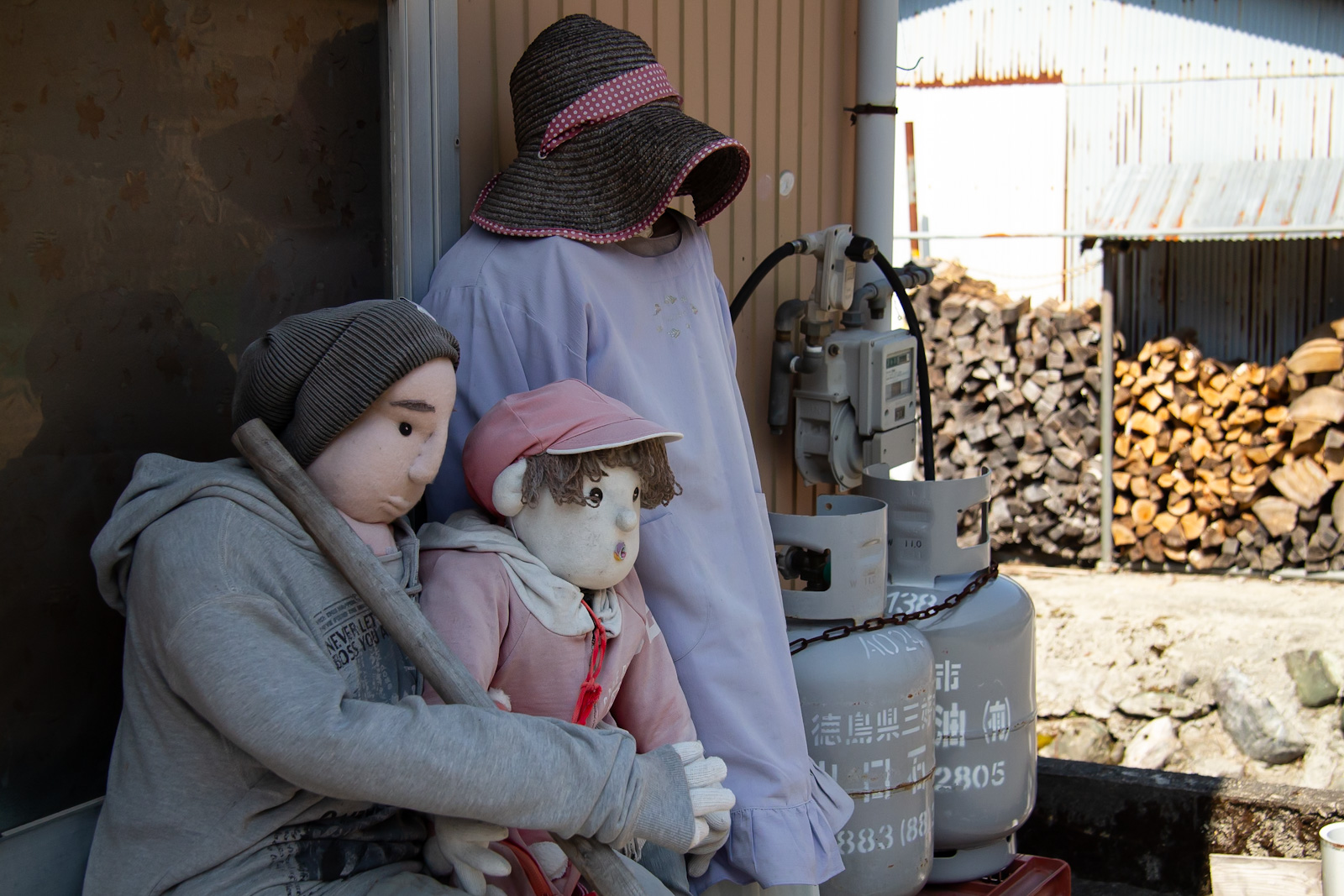
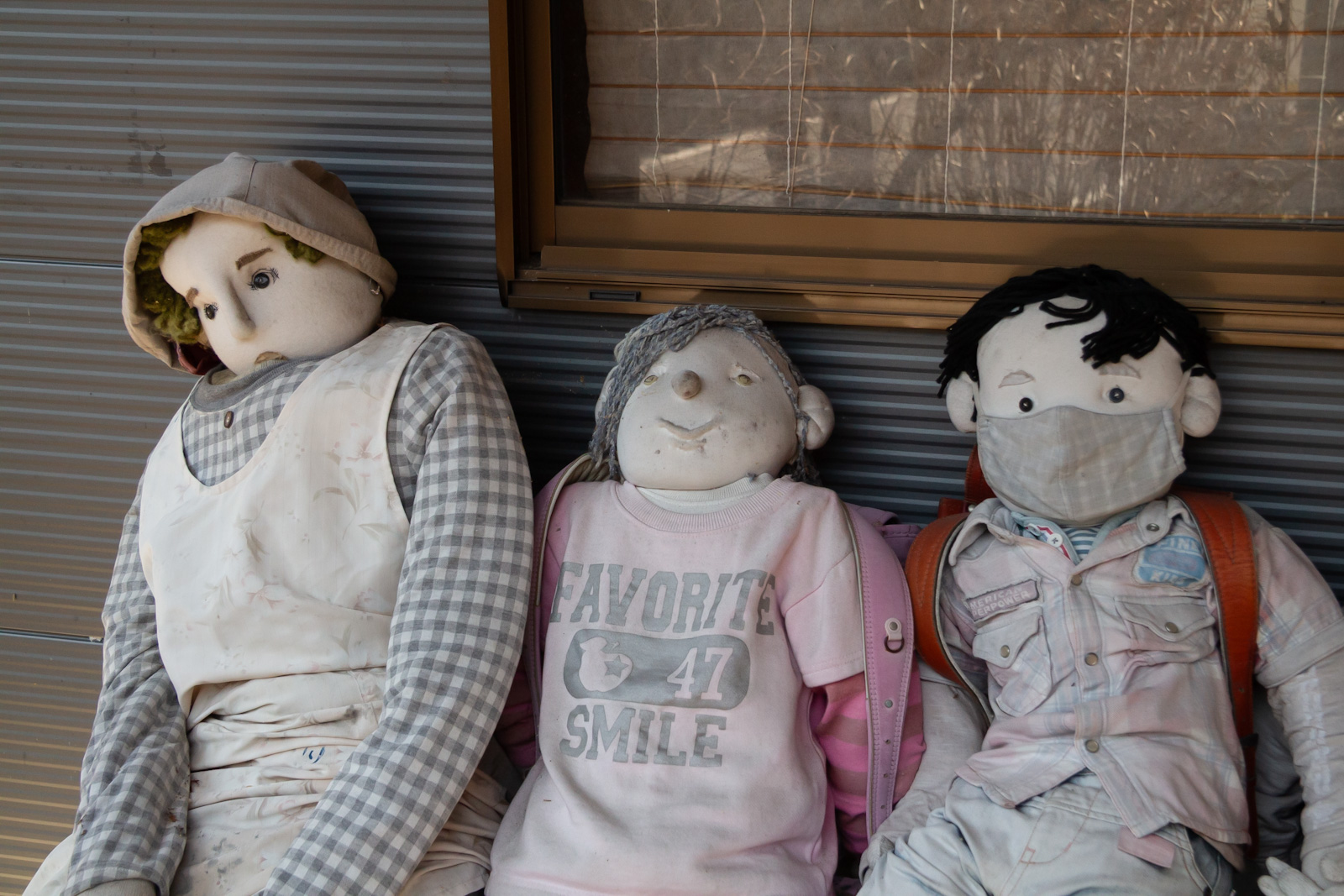
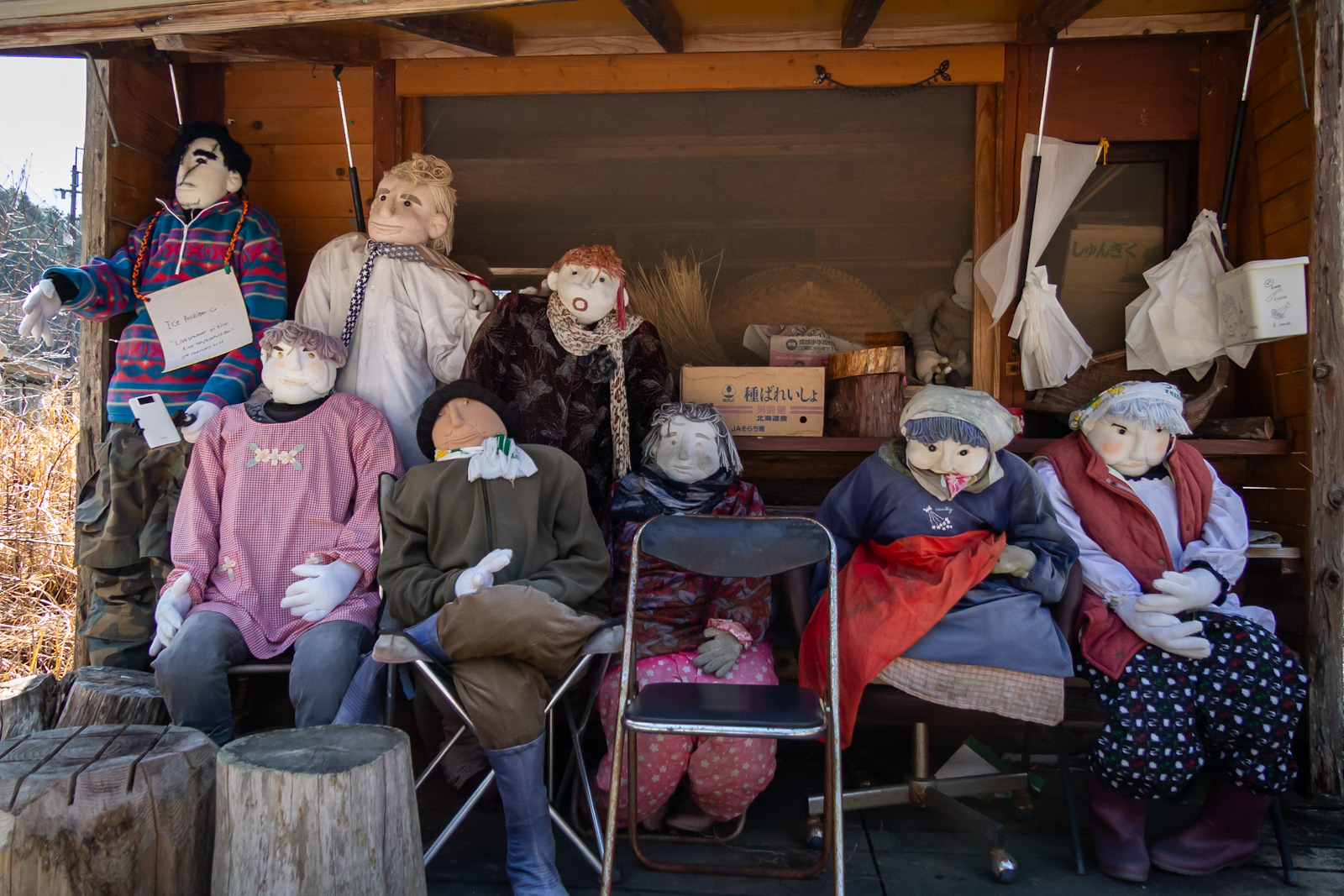
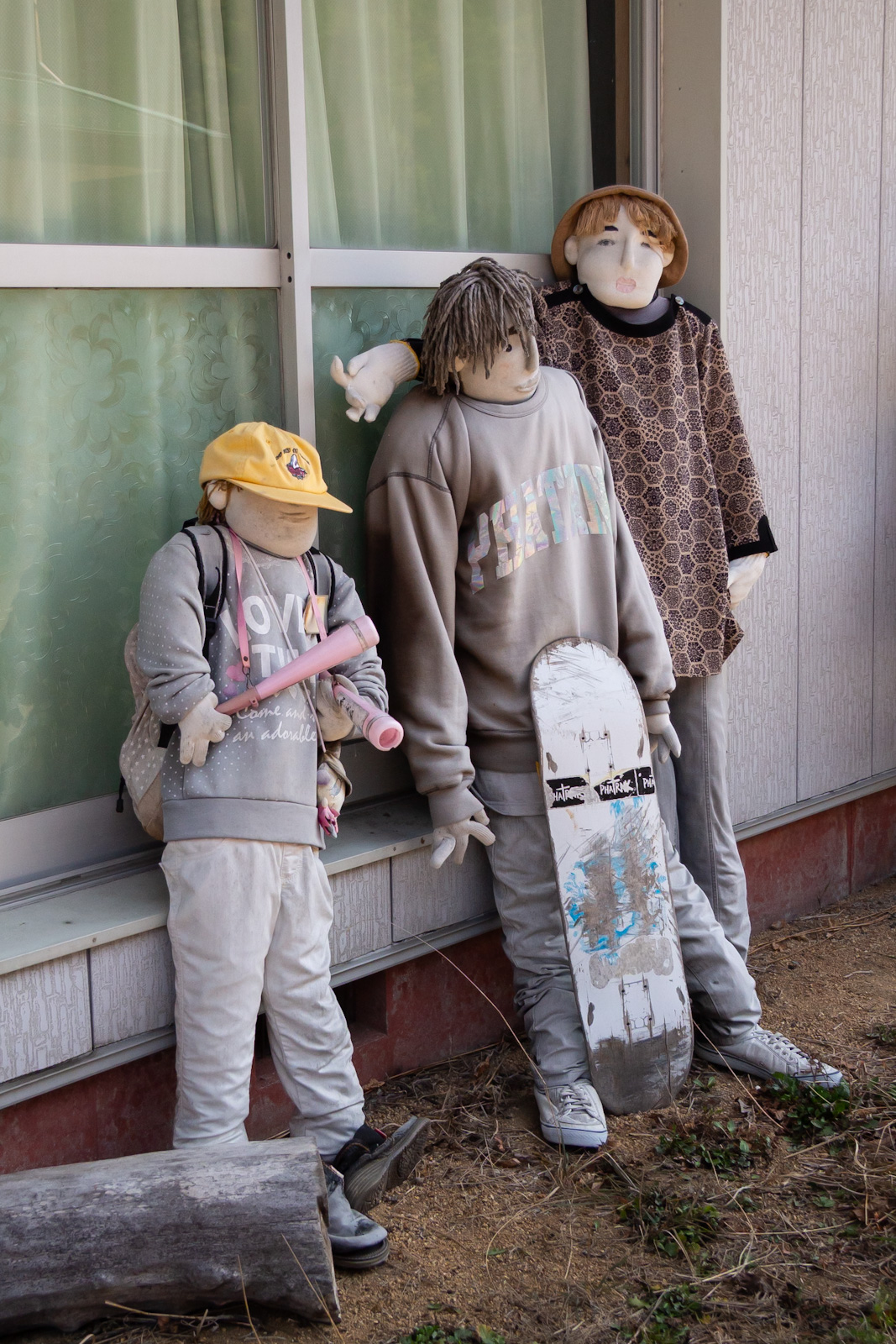
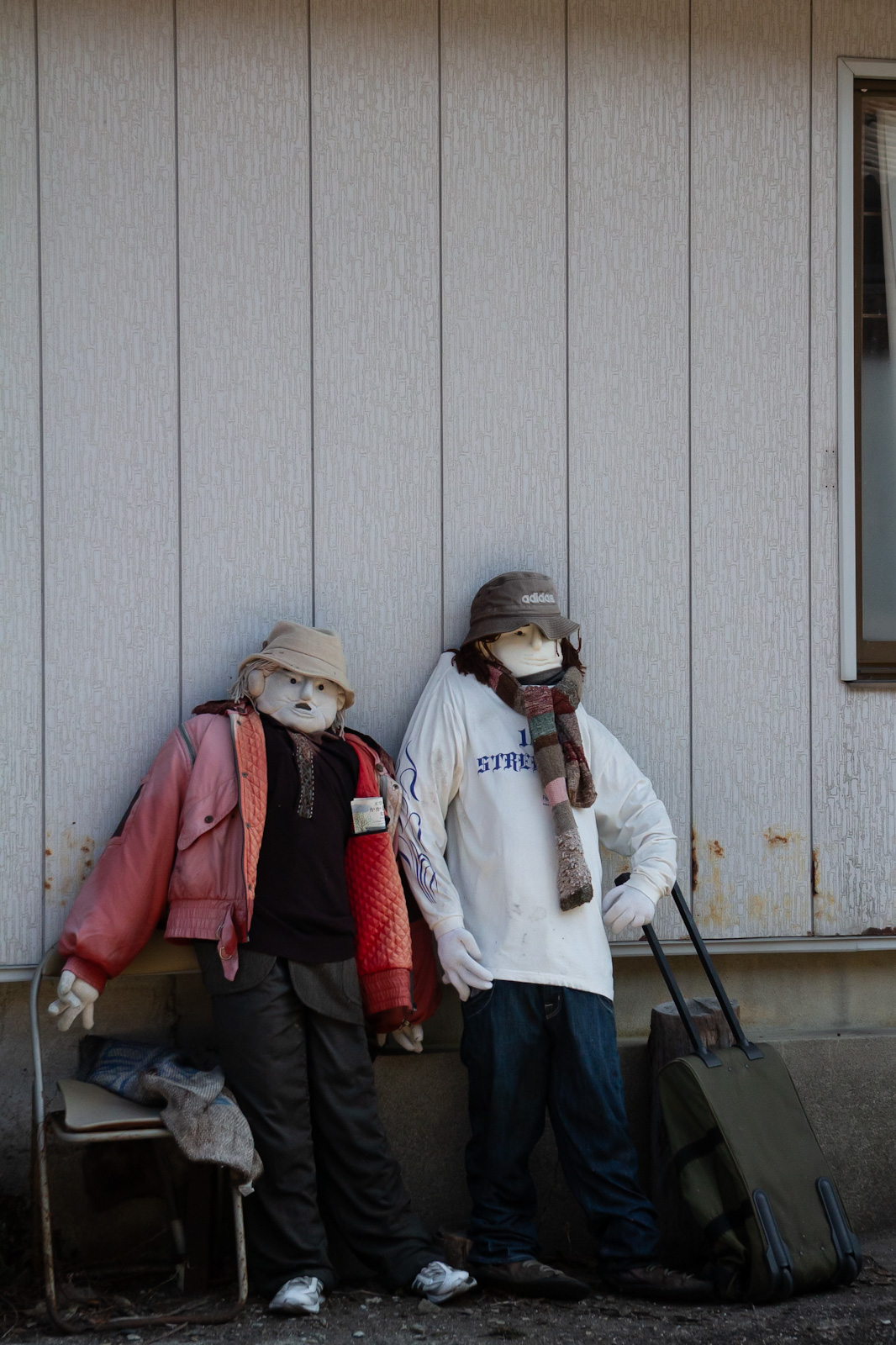
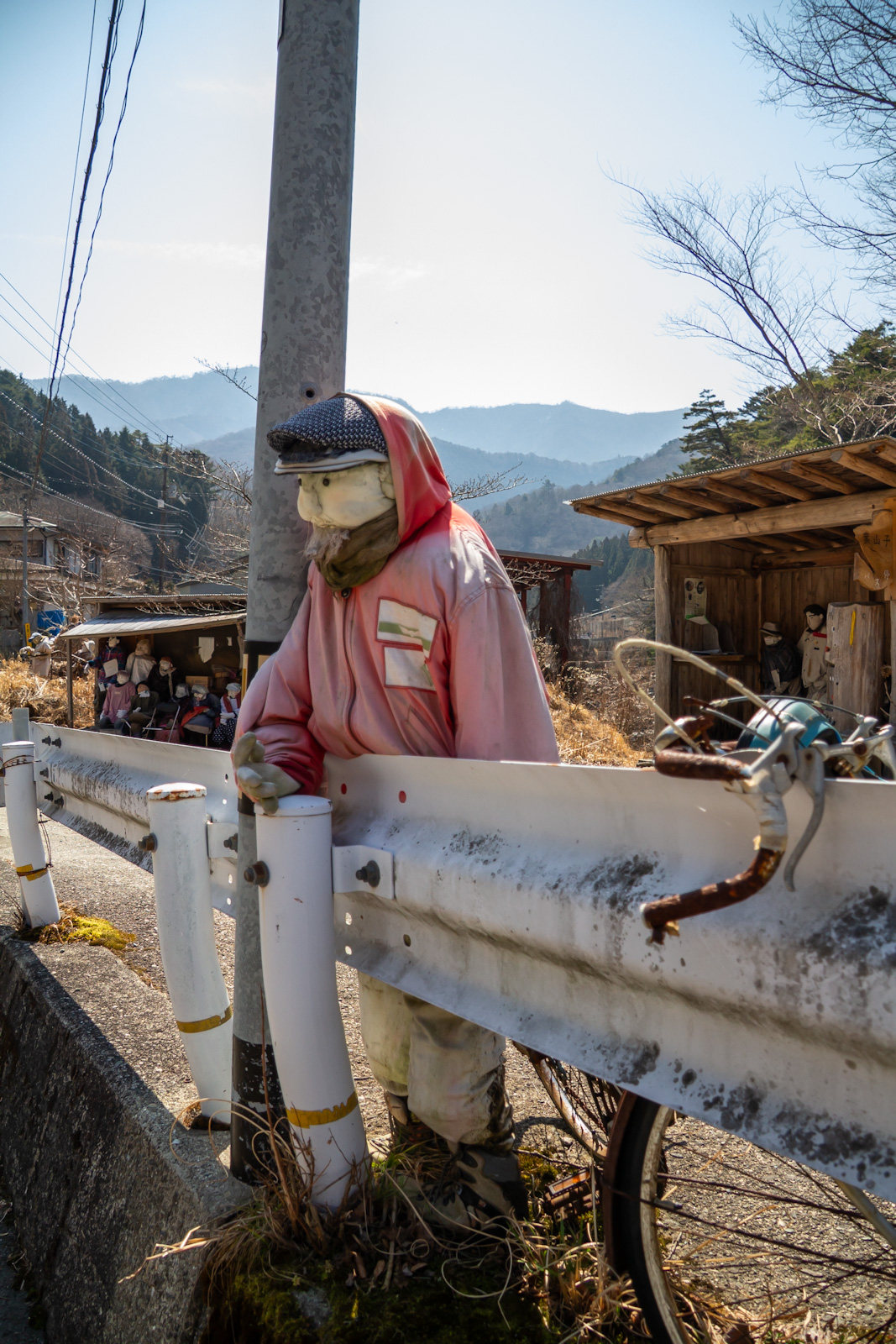
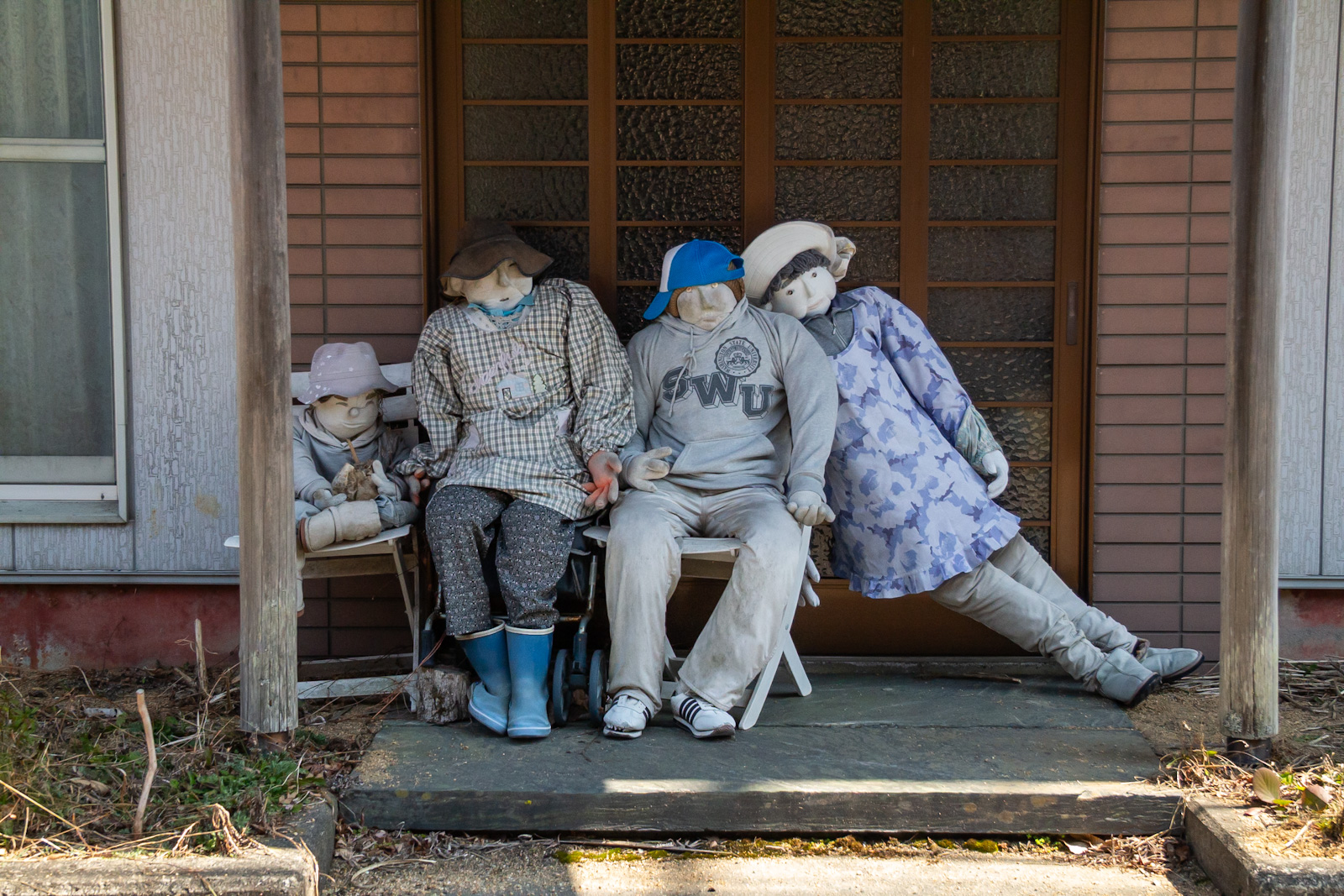
The year after Ayano-san returned to Nagoro, she fashioned a scarecrow that looked like her father to keep the birds away from the field. She found it interesting and amusing how the neighbours would sometimes confuse it for her real father, stopping to greet it. So, she started making more to honor the village’s former inhabitants and make it feel less lonely.
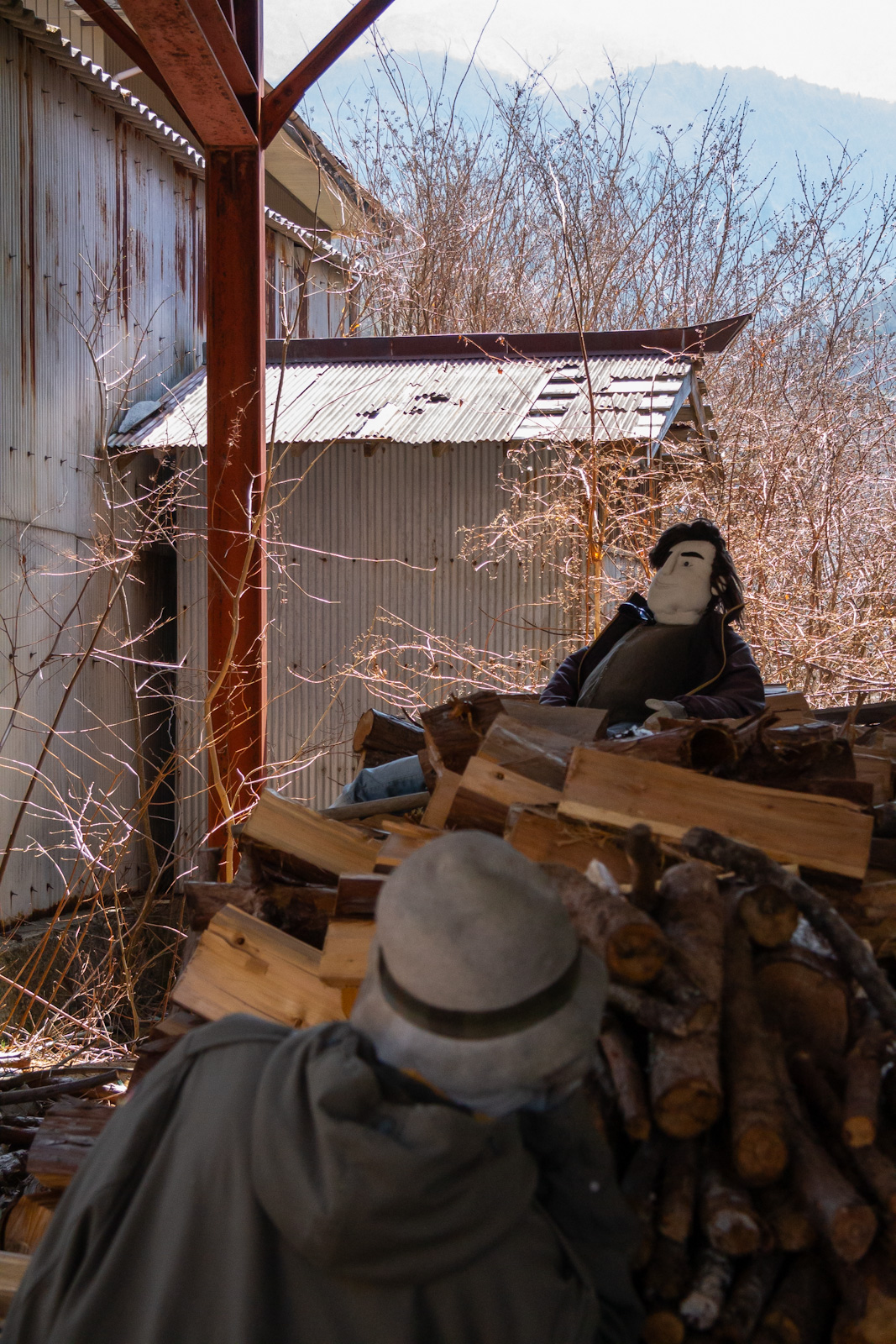
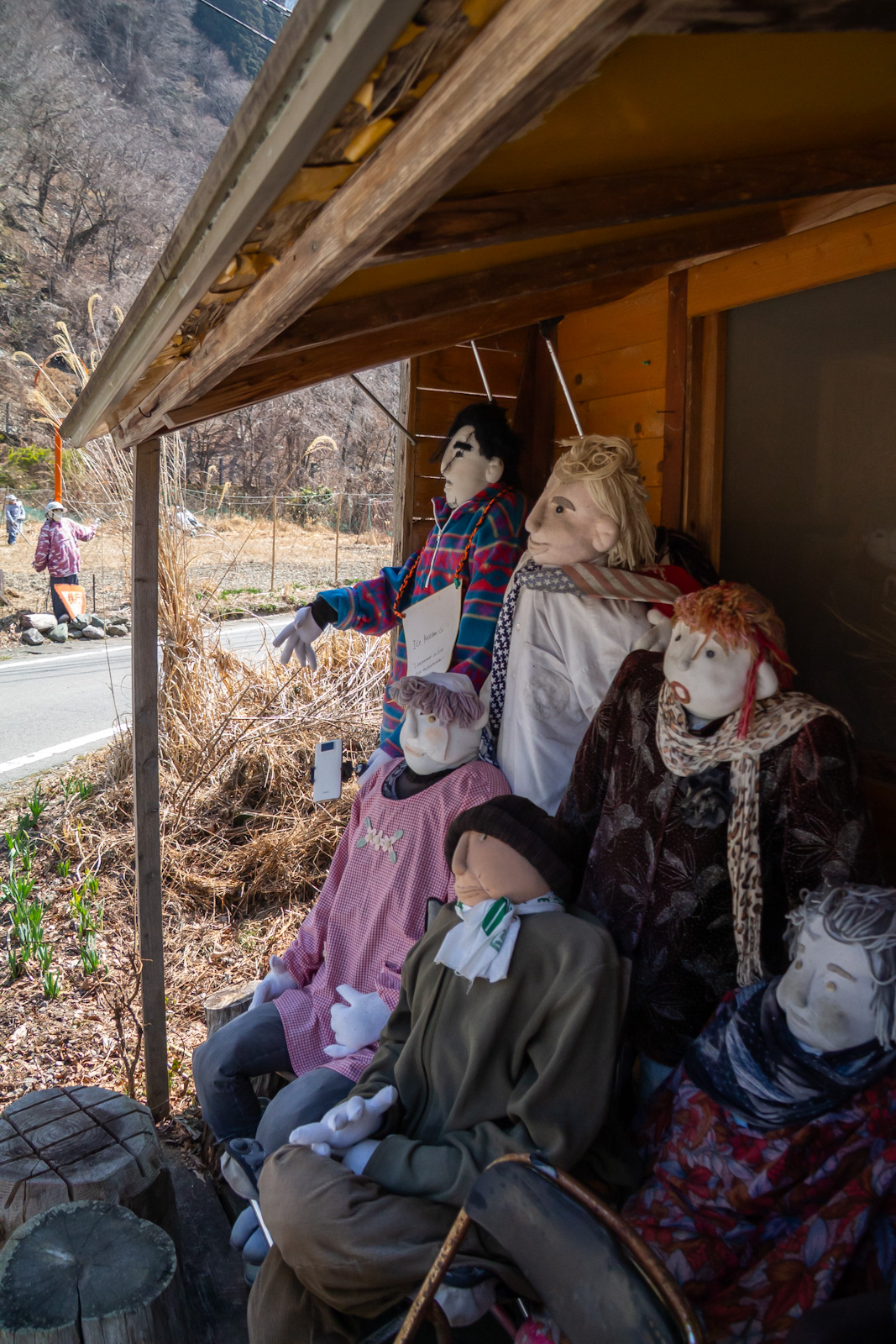
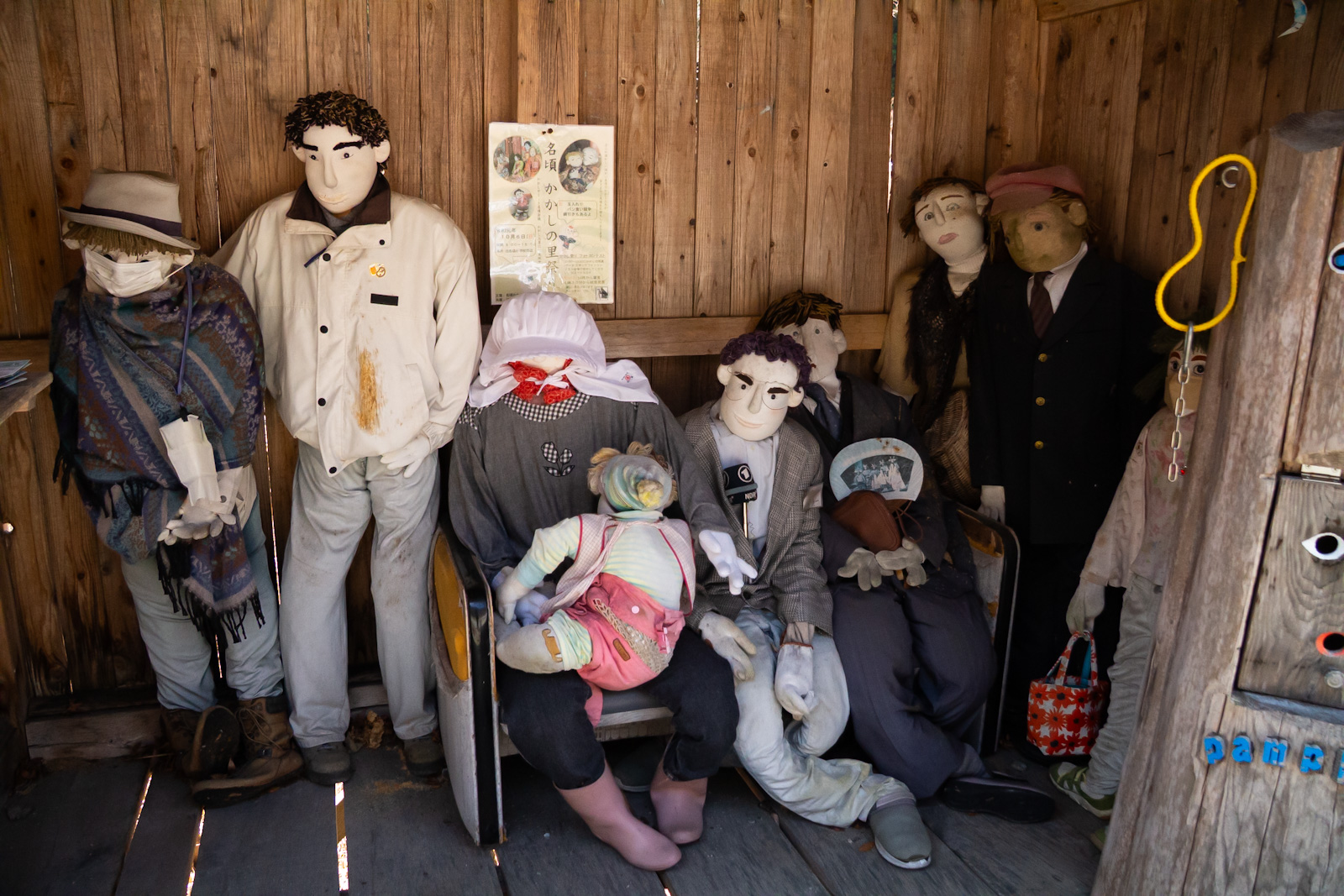
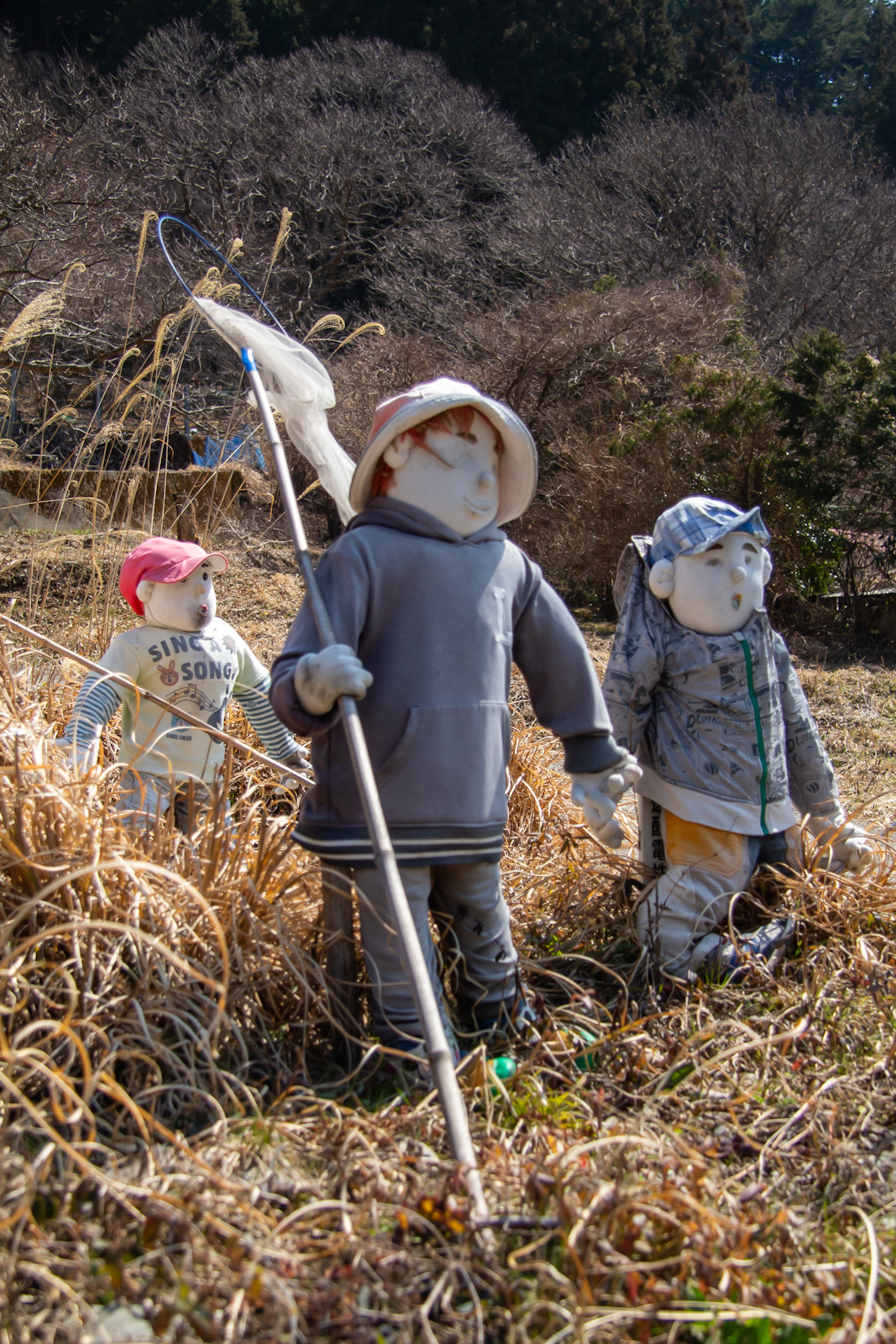
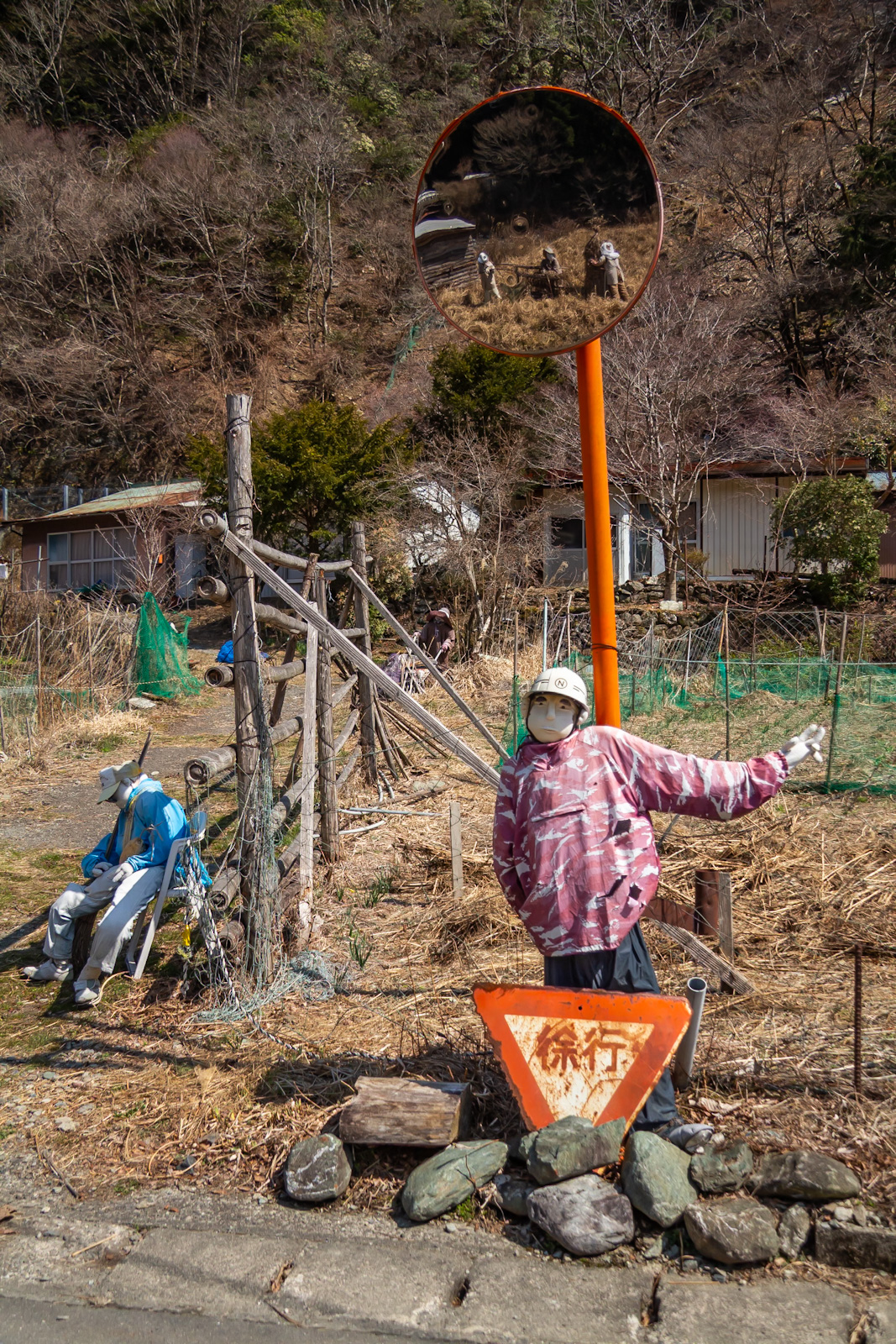
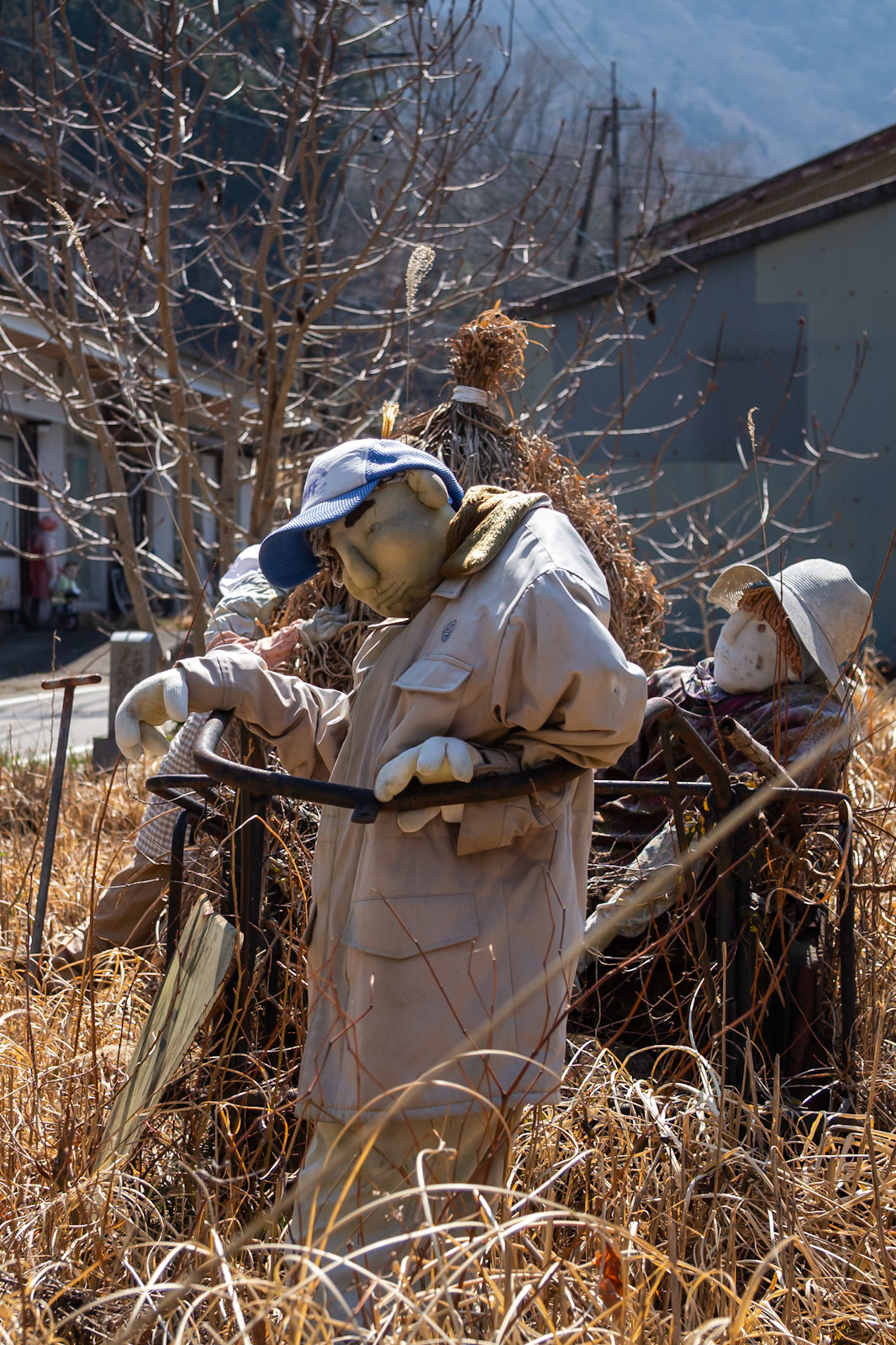
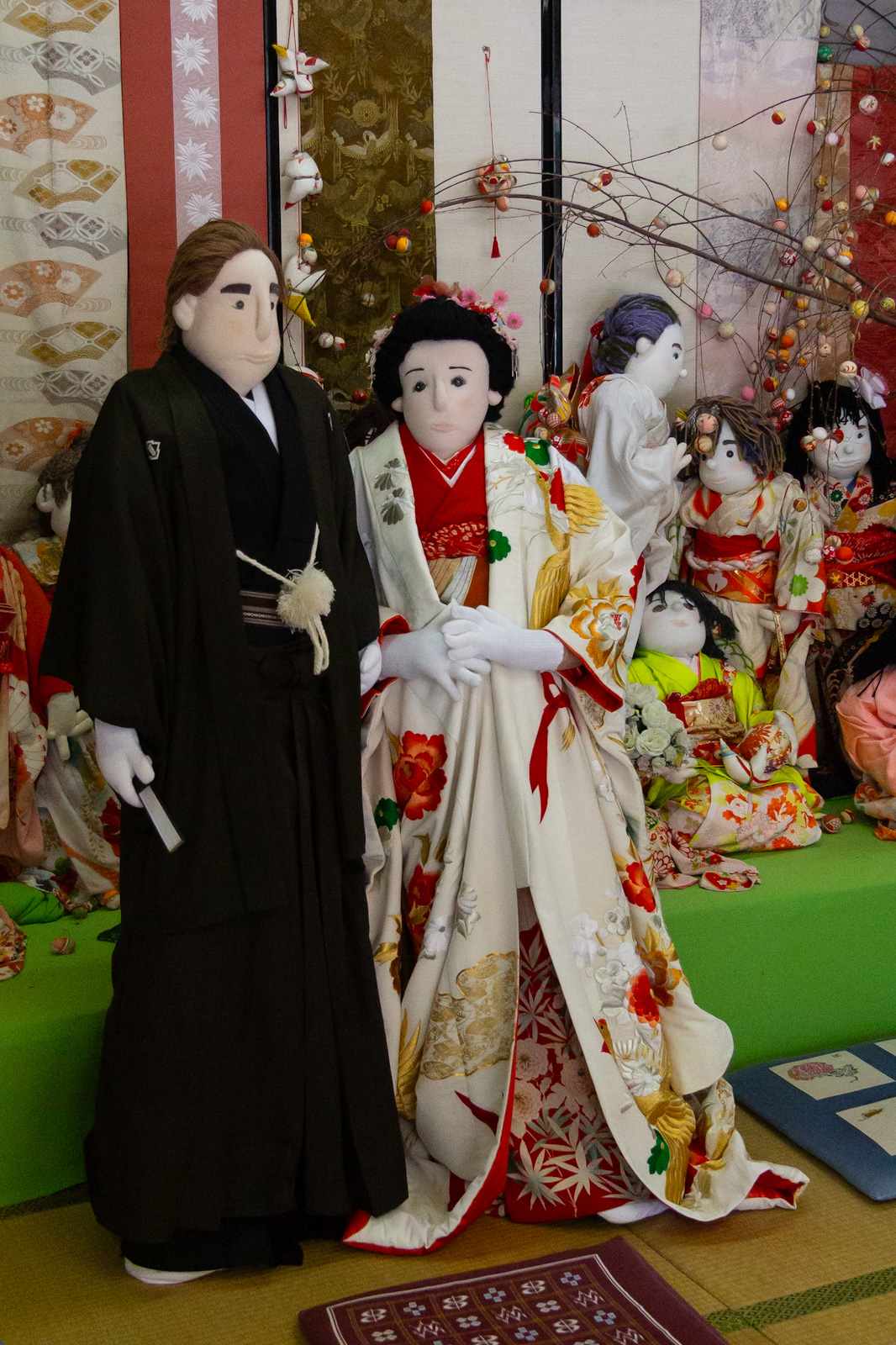
Fast-forward to 2026, and the village has almost 400 stuffed residents, each with their own name, age, sex, personality, and back story, which is all recorded in the village’s Scarecrow Registry. Most of the dolls were made by Ayano-san herself, posed to recreate everyday routines, like tending to the garden, fishing on the riverbank, and waiting at the bus stop. And, honestly, it’s all a bit creepy at first.
I booked a private taxi to take me to the village from Oboke Station, since using public transport to get there is nearly impossible, and had dozed off in a sunny spot in the back seat. I woke up to the driver explaining how to get from the bottom of the village, where he was dropping me off, up to the parking lot, where he would wait. Half awake, I stumbled out of the car and into the Valley of the Dolls.
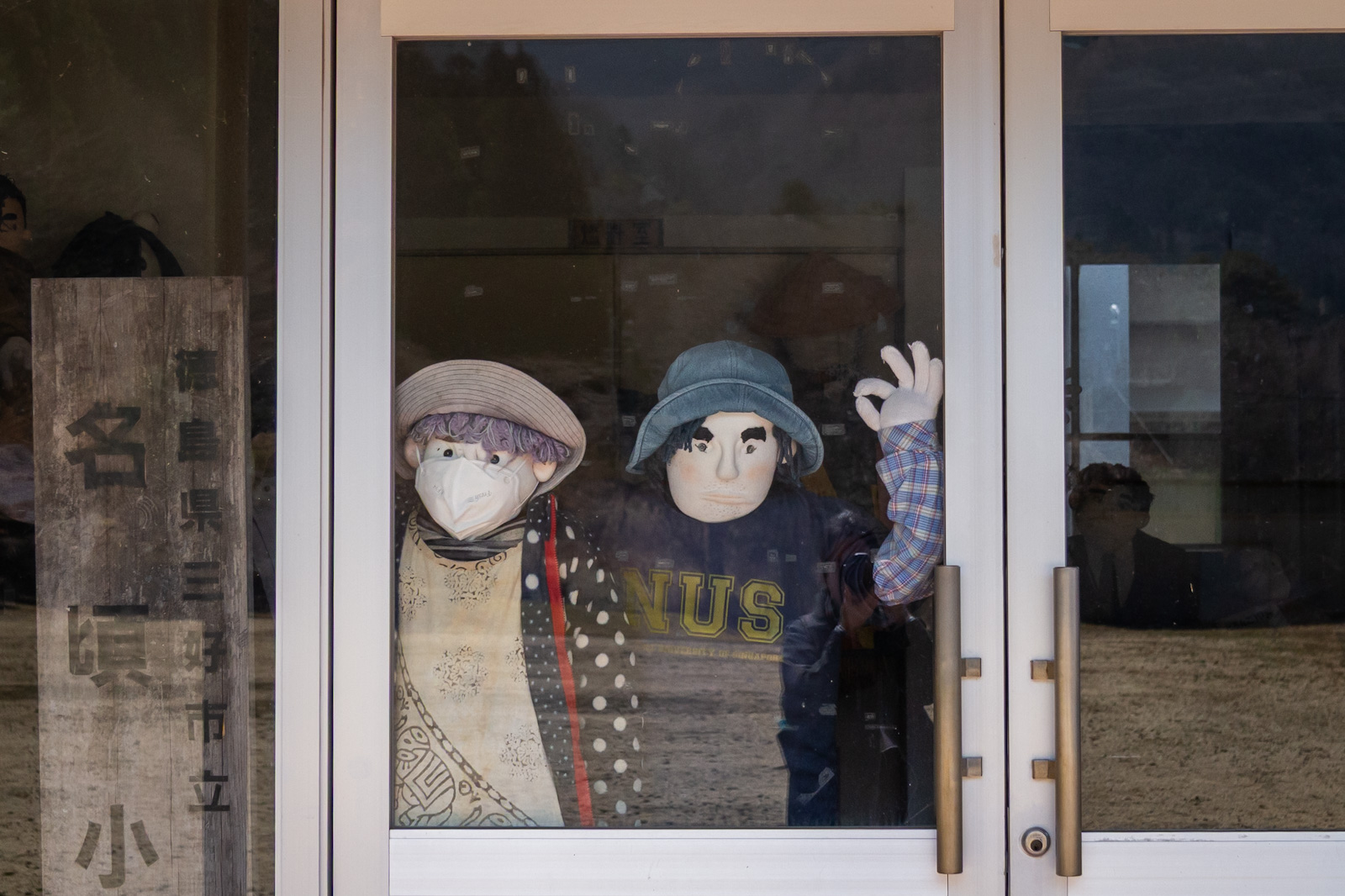
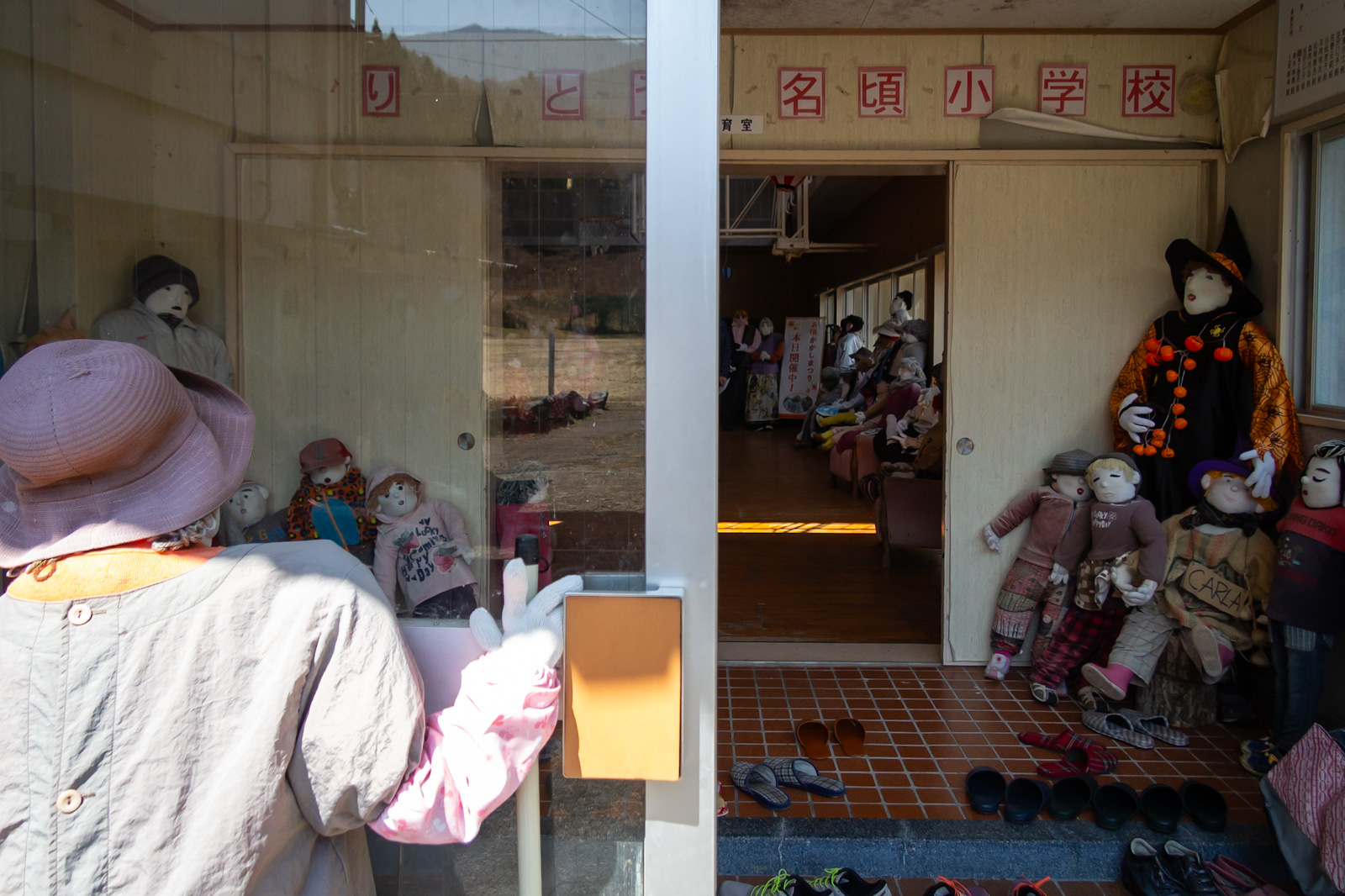

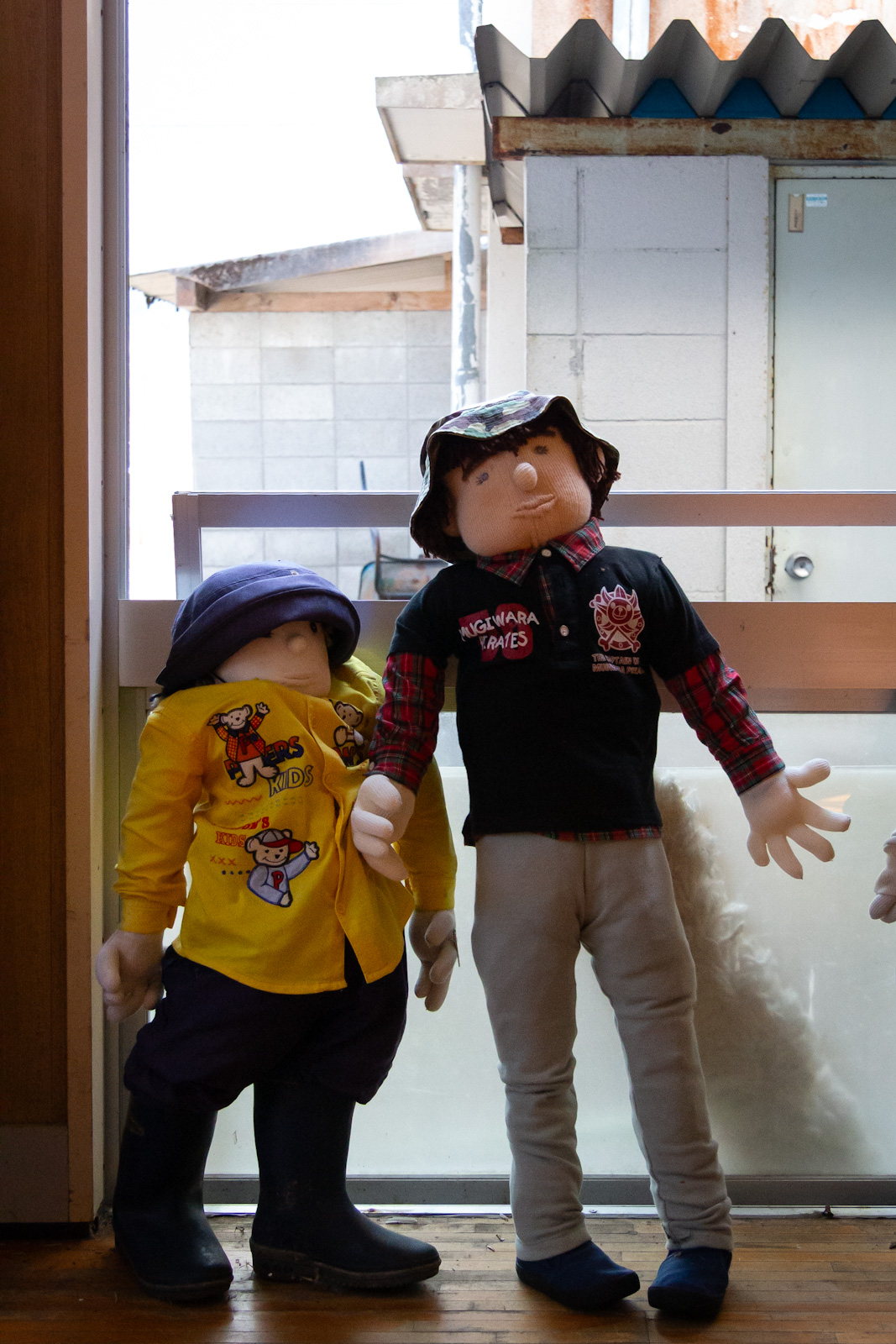
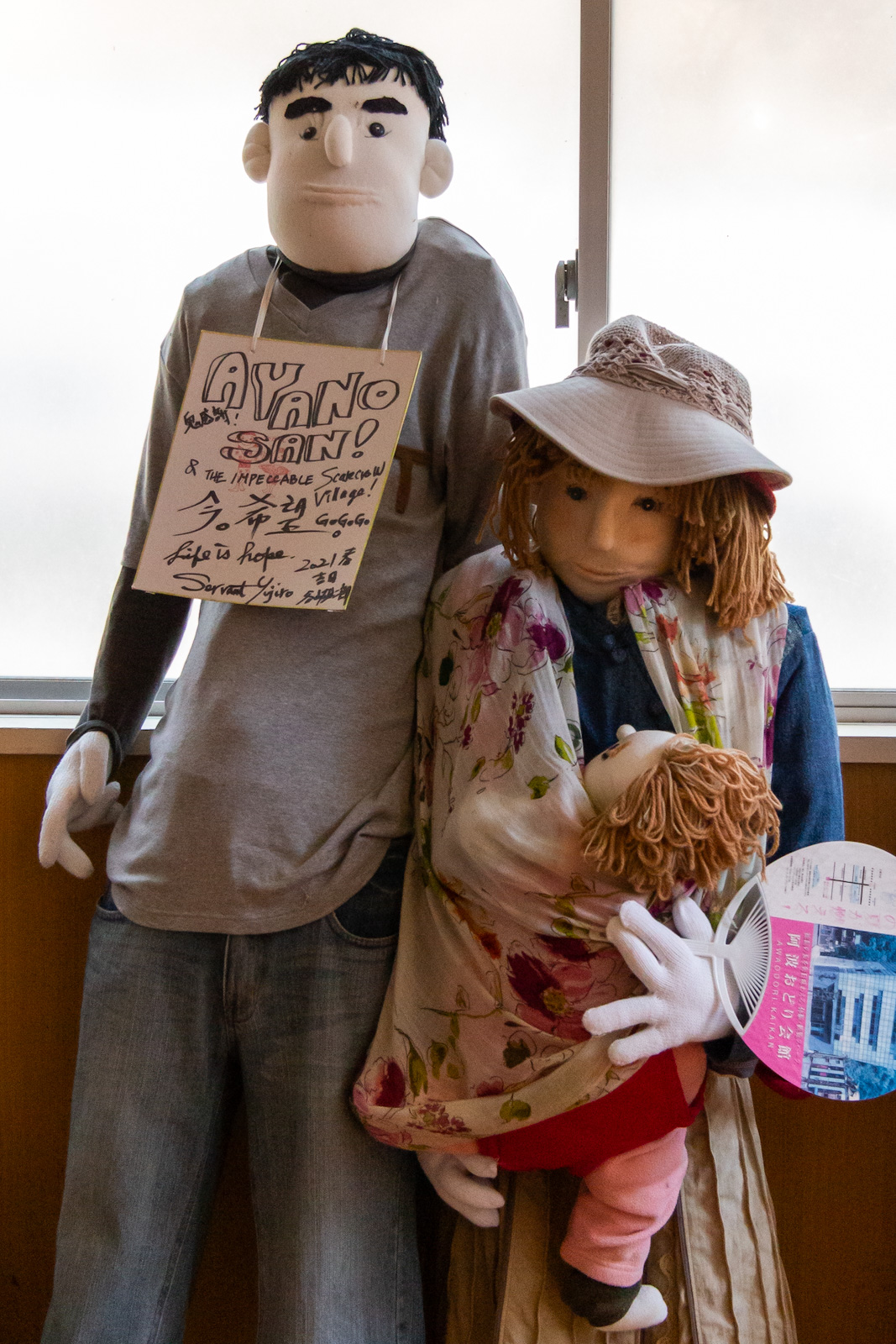
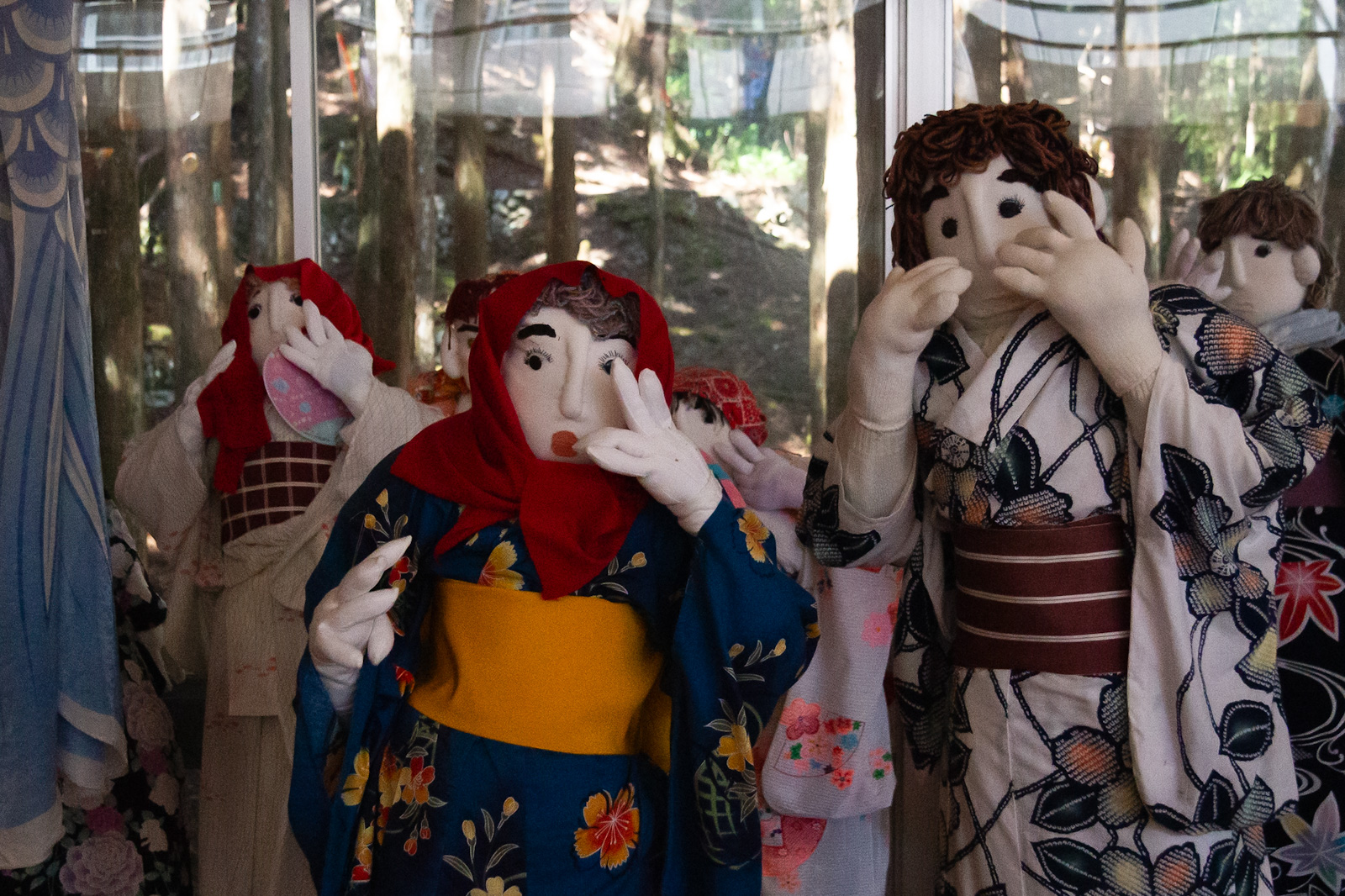
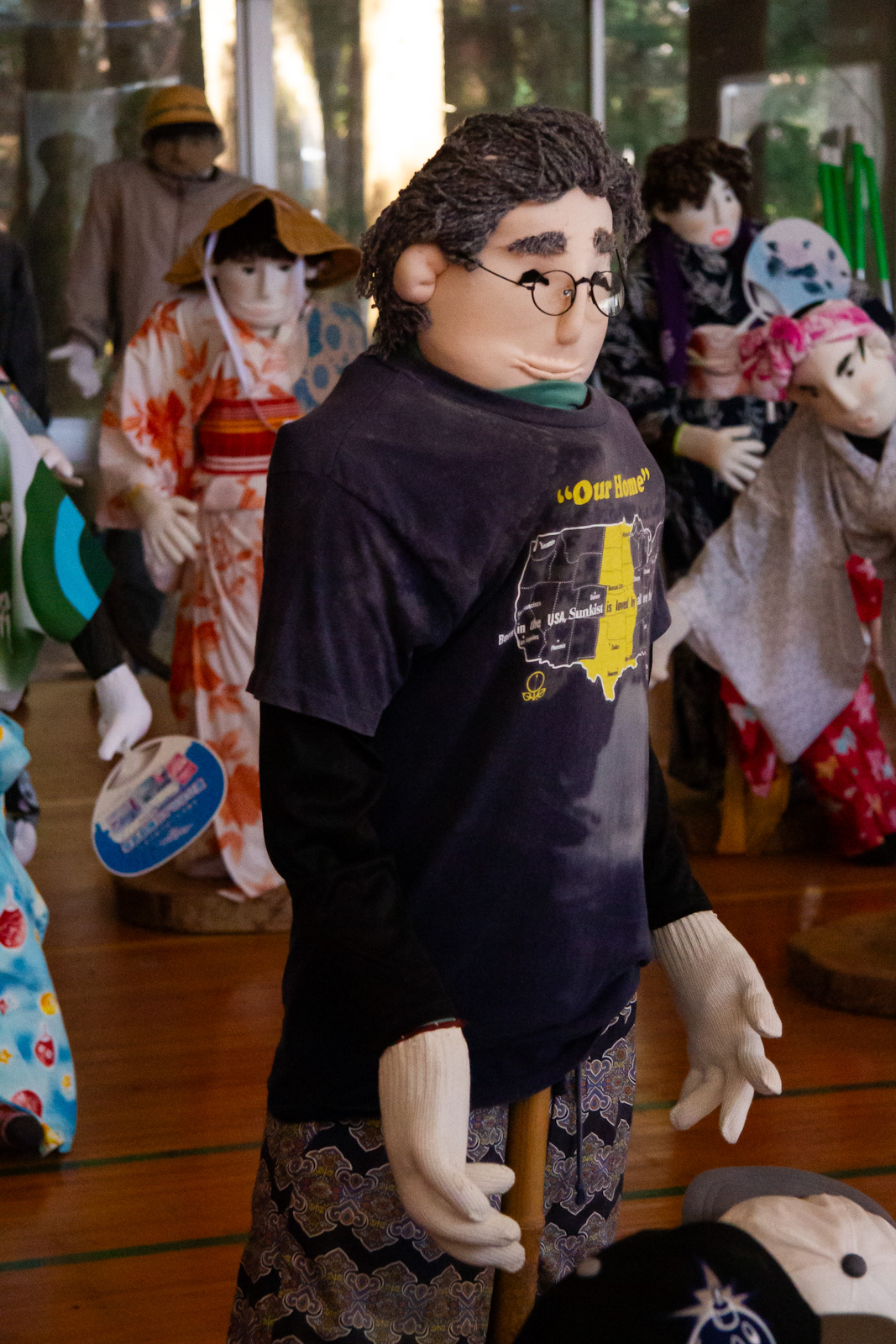
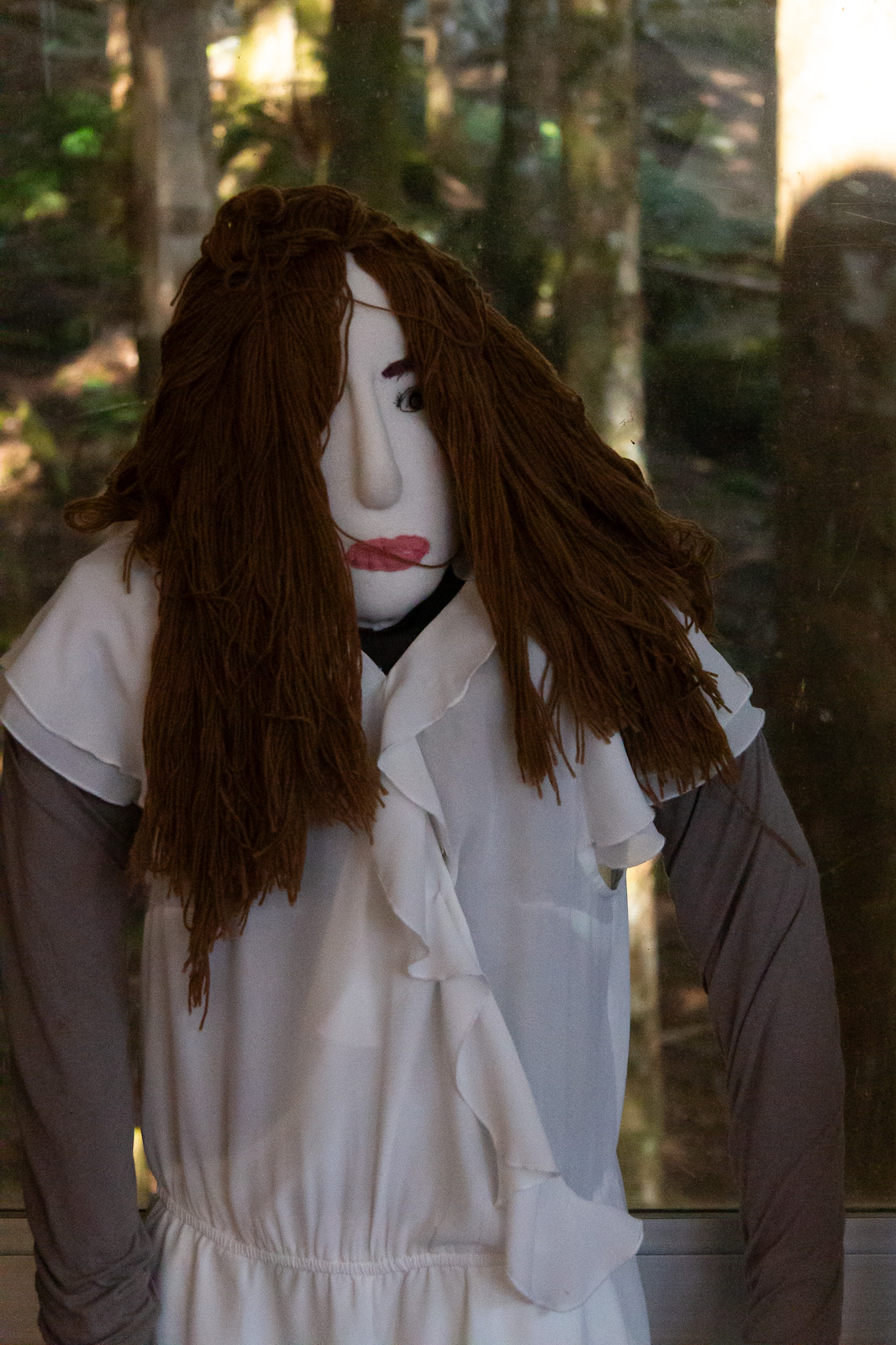
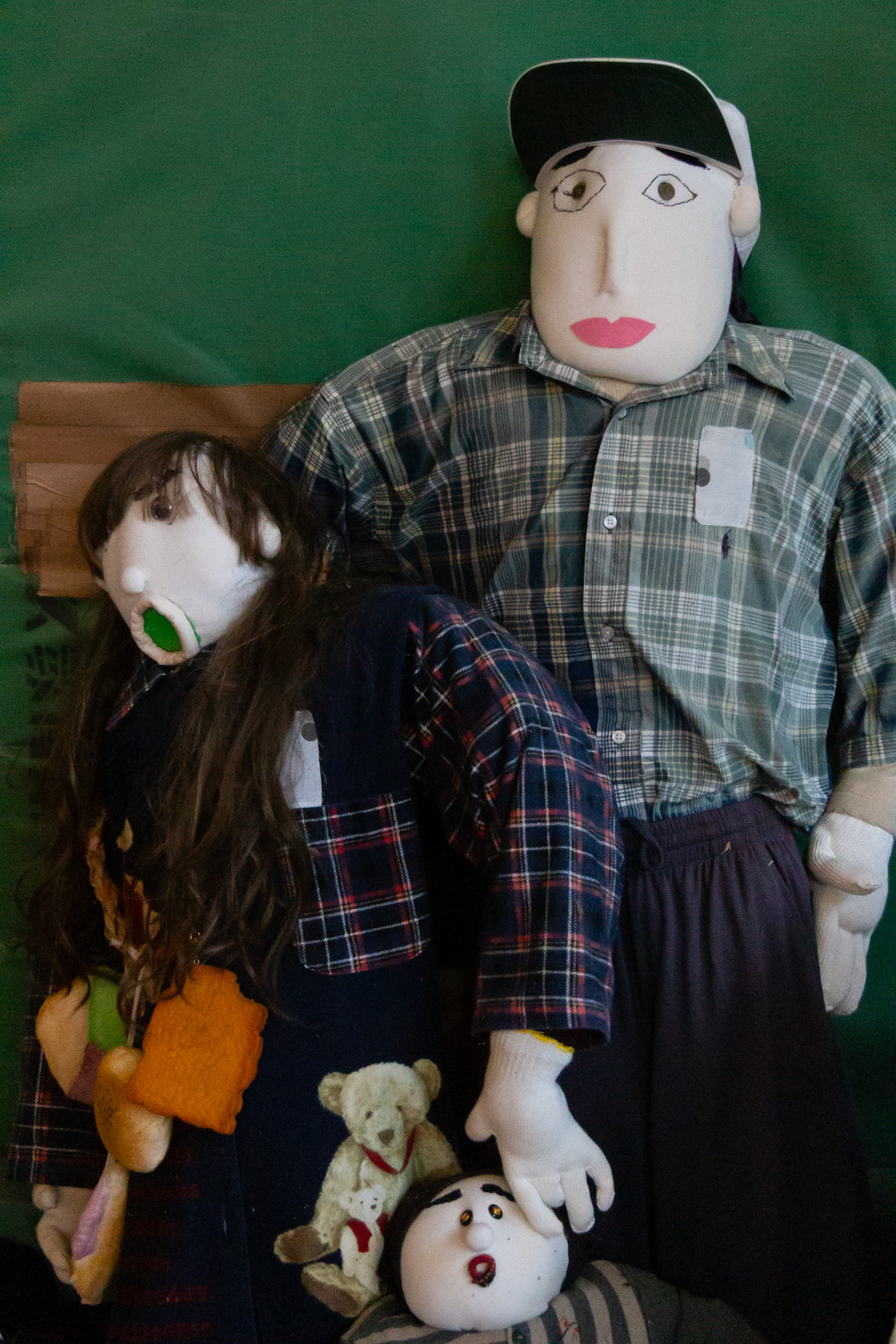
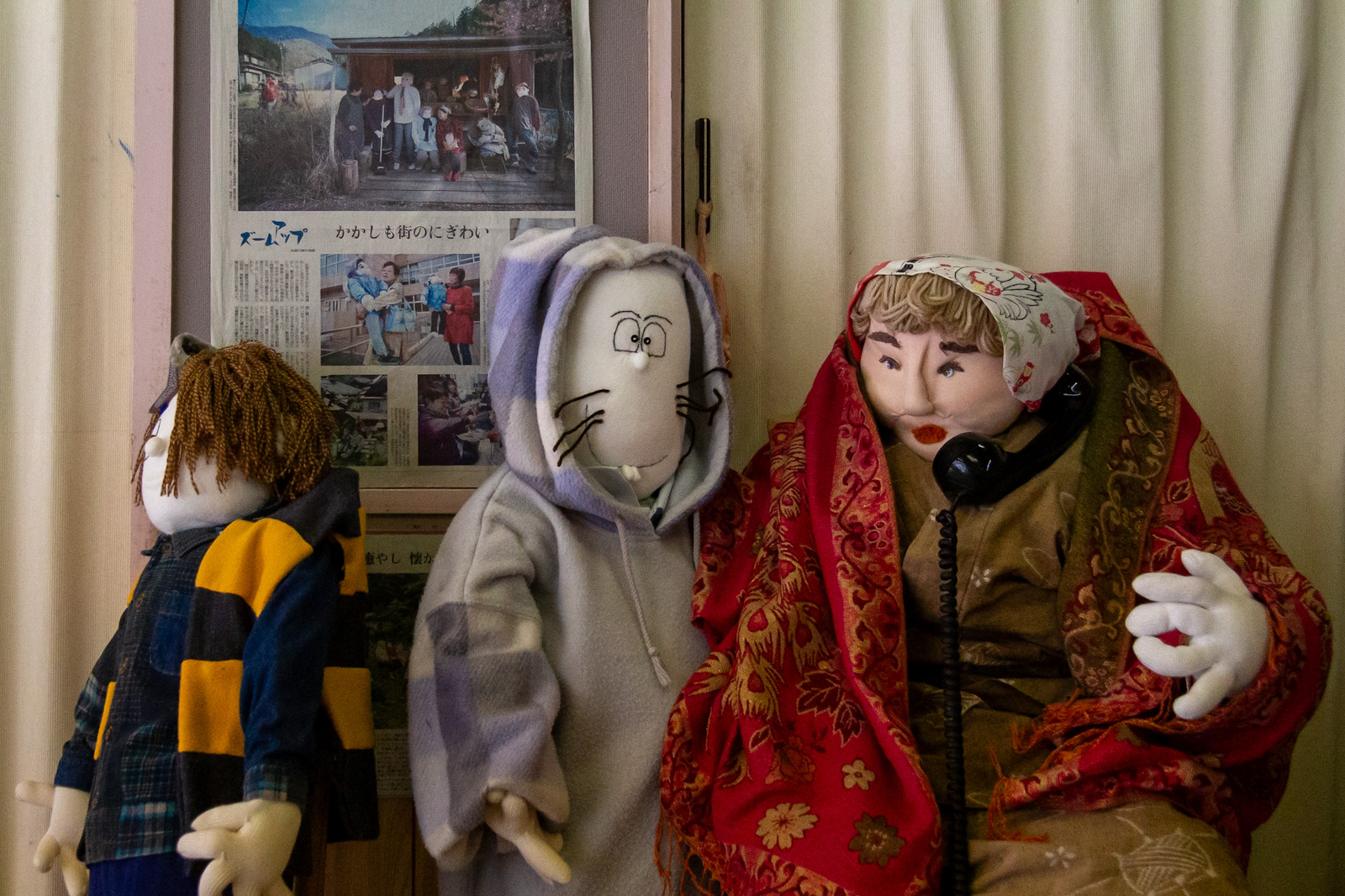
Home to just 27 human residents and without a shop or restaurant in sight, the village is incredibly quiet. And the dolls, well, they look very human, despite being entirely handmade. I had to look twice sometimes to make sure I wasn’t staring at an actual person.
Ayano-san starts creating each doll with the head first, using two crossed wood sticks wrapped in cloth and stuffed with old clothes and cotton. Buttons and yarn are used to attach eyes and hair. Sometimes, a marker is used to add details, like eyebrows or a mustache. Then, she uses “sticks” made from rolled newspaper tied with wires to add the arms and legs. To finish, each doll is dressed in clothes and accessories and posed around the village.
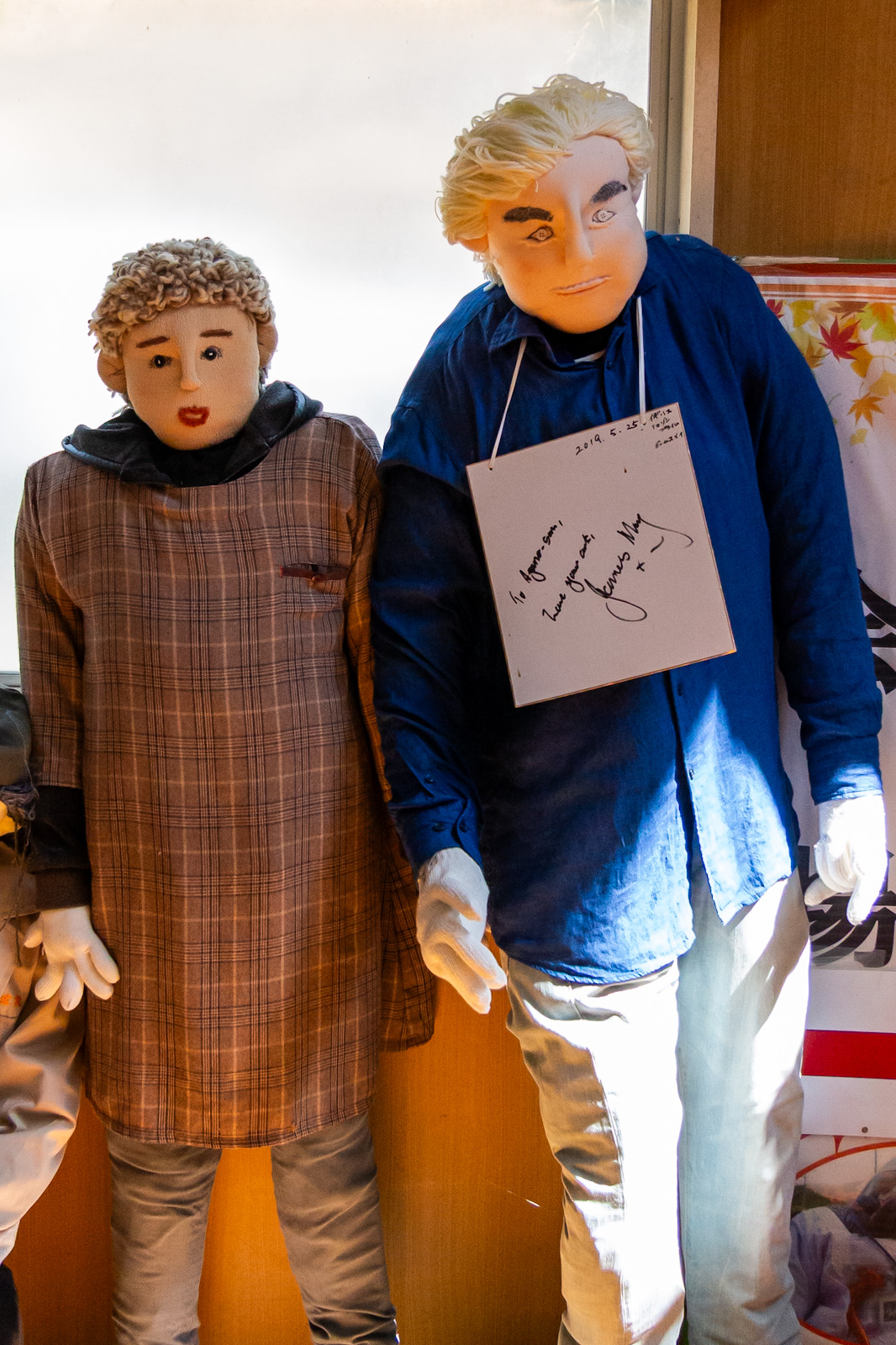
Most of the dolls made by Ayano-san are inspired by the former residents of Nagoro, but some are made in the likeness of special guests. James May has his own doll now, for example, as does the controversial Kick streamer, Ice Poseidon. And from April to November, Ayano-san runs workshops, where for just 3,000 yen ($19), you can learn to make one yourself.
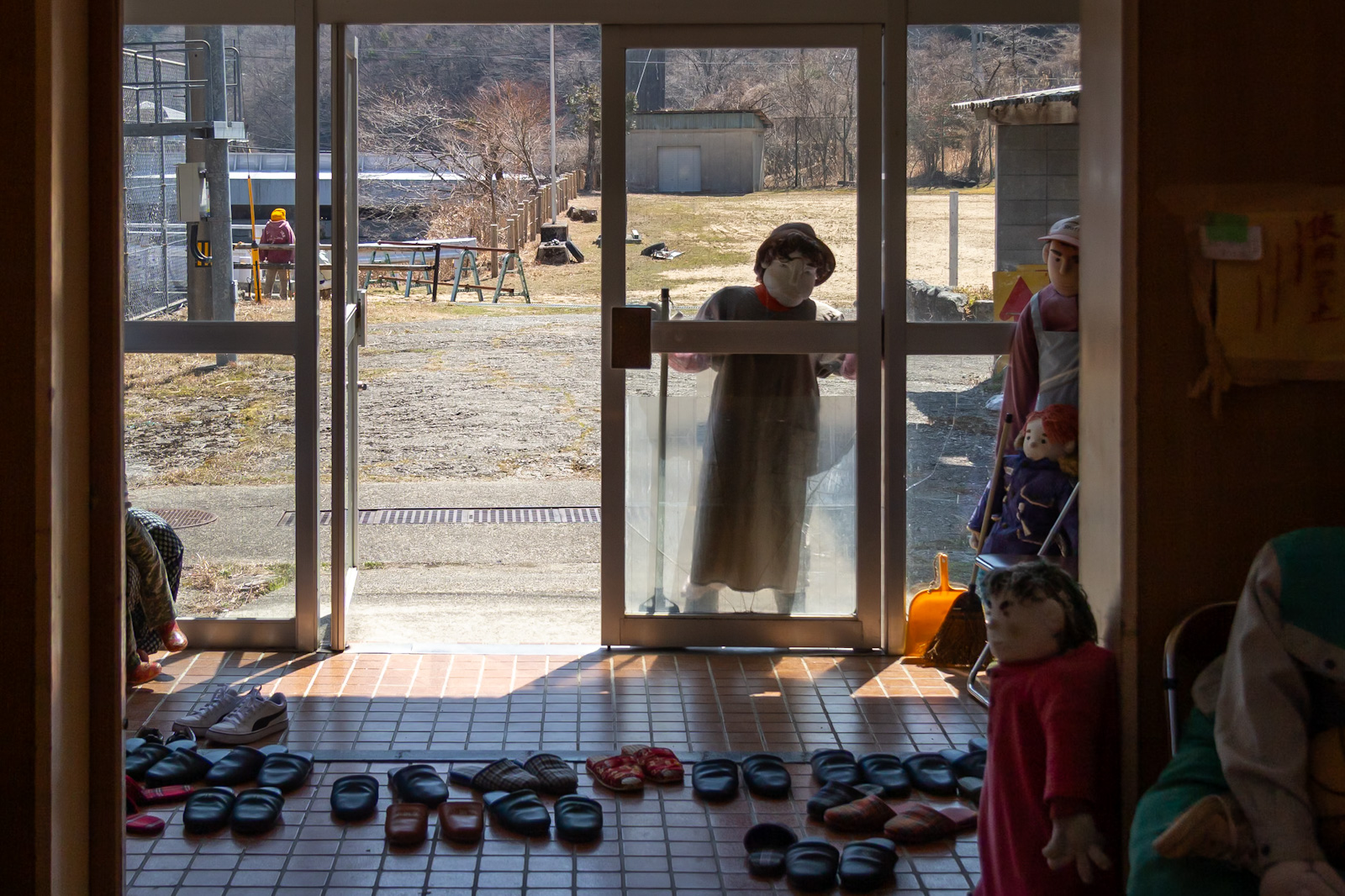
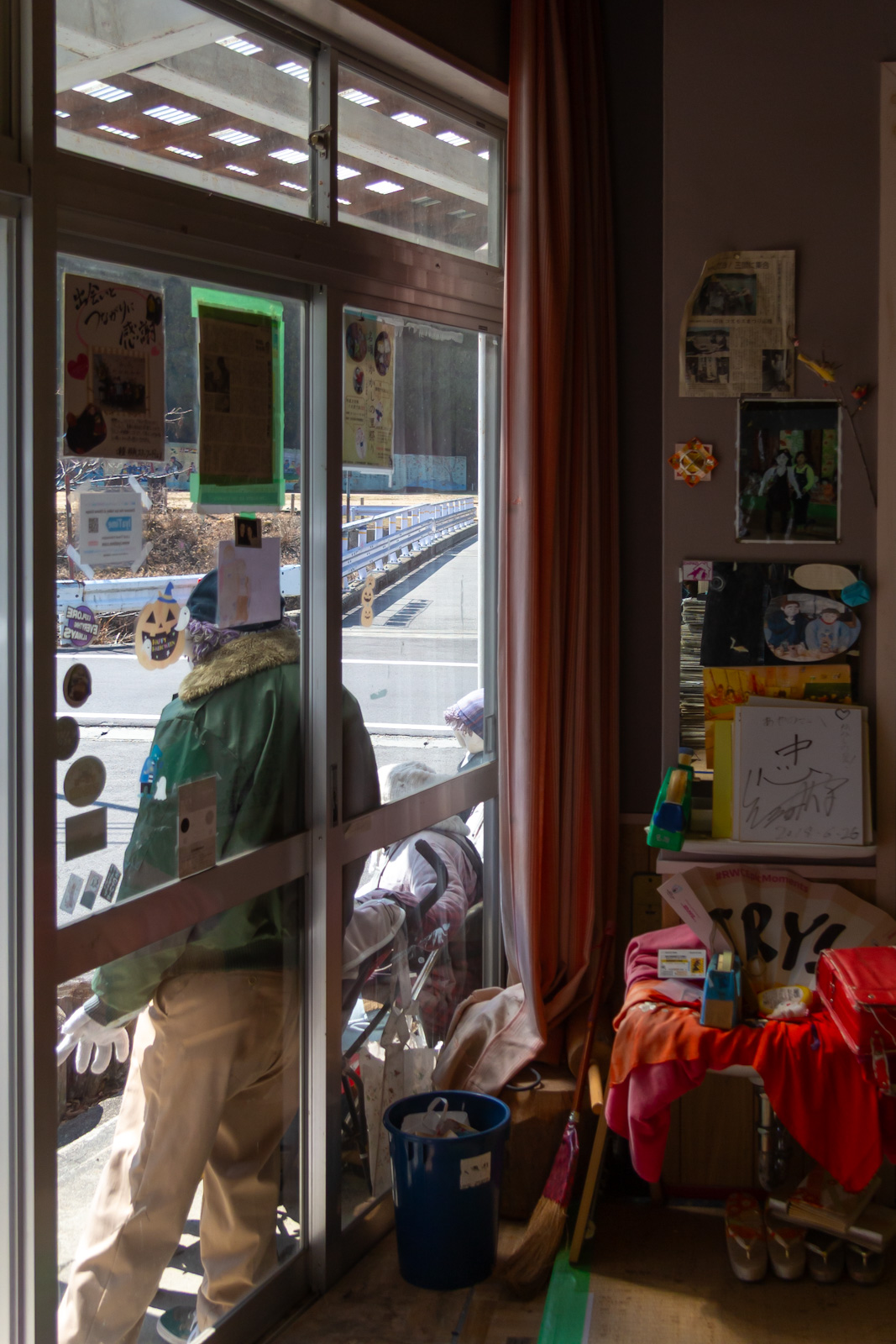
How could patchwork dolls look so human? I don’t know, but the more time I spent around them, the more they felt alive. There’s a common belief in Japan deeply rooted in Shinto that holds that everything, animate and inanimate, contains a life force, or kami. And if you didn’t believe in it before, I think visiting Nagoro would change your mind. This, I thought, as I looked around the gym of the former elementary school, where hundreds of faces propped up against walls and chairs and gym mats stared back—right into my soul.
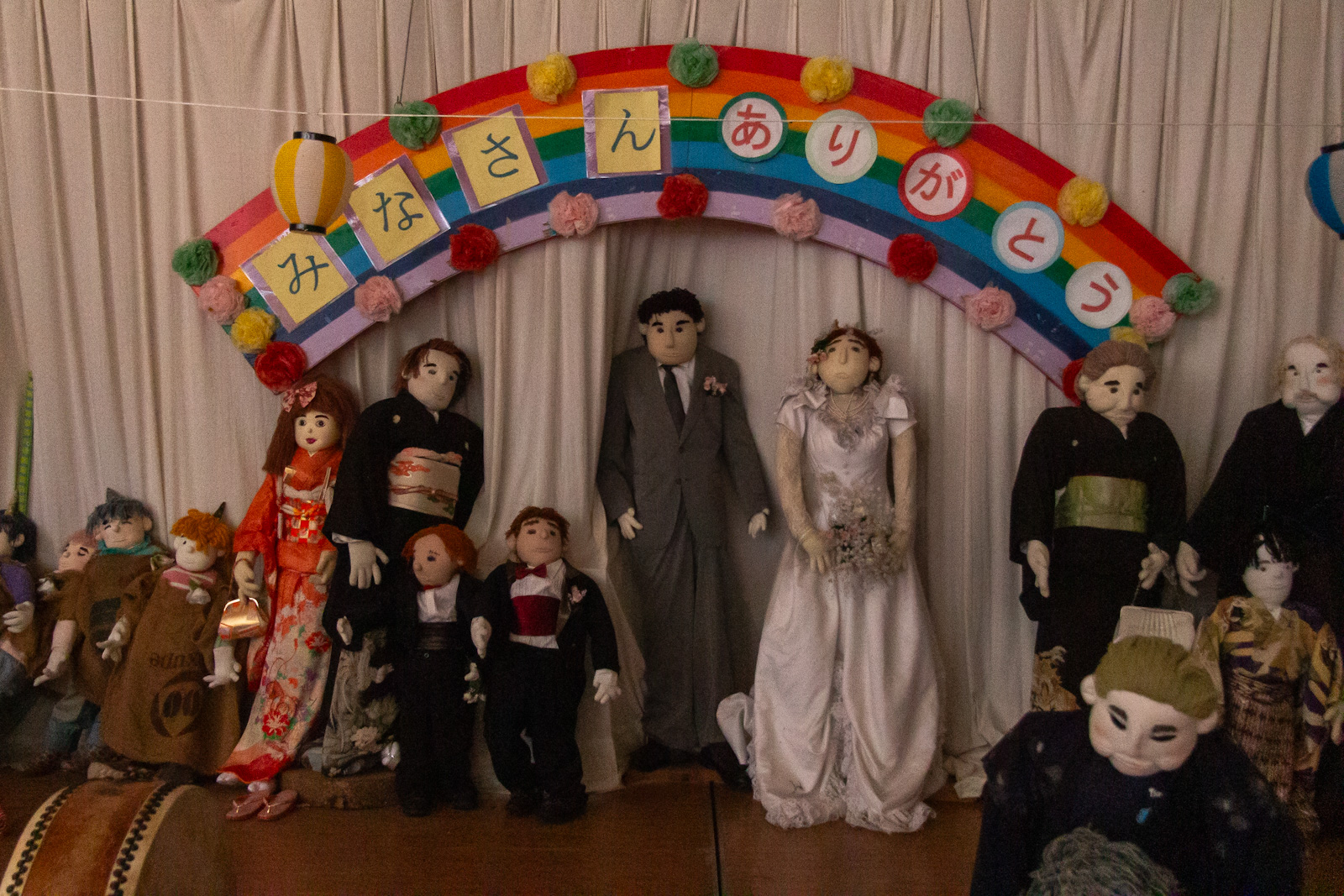
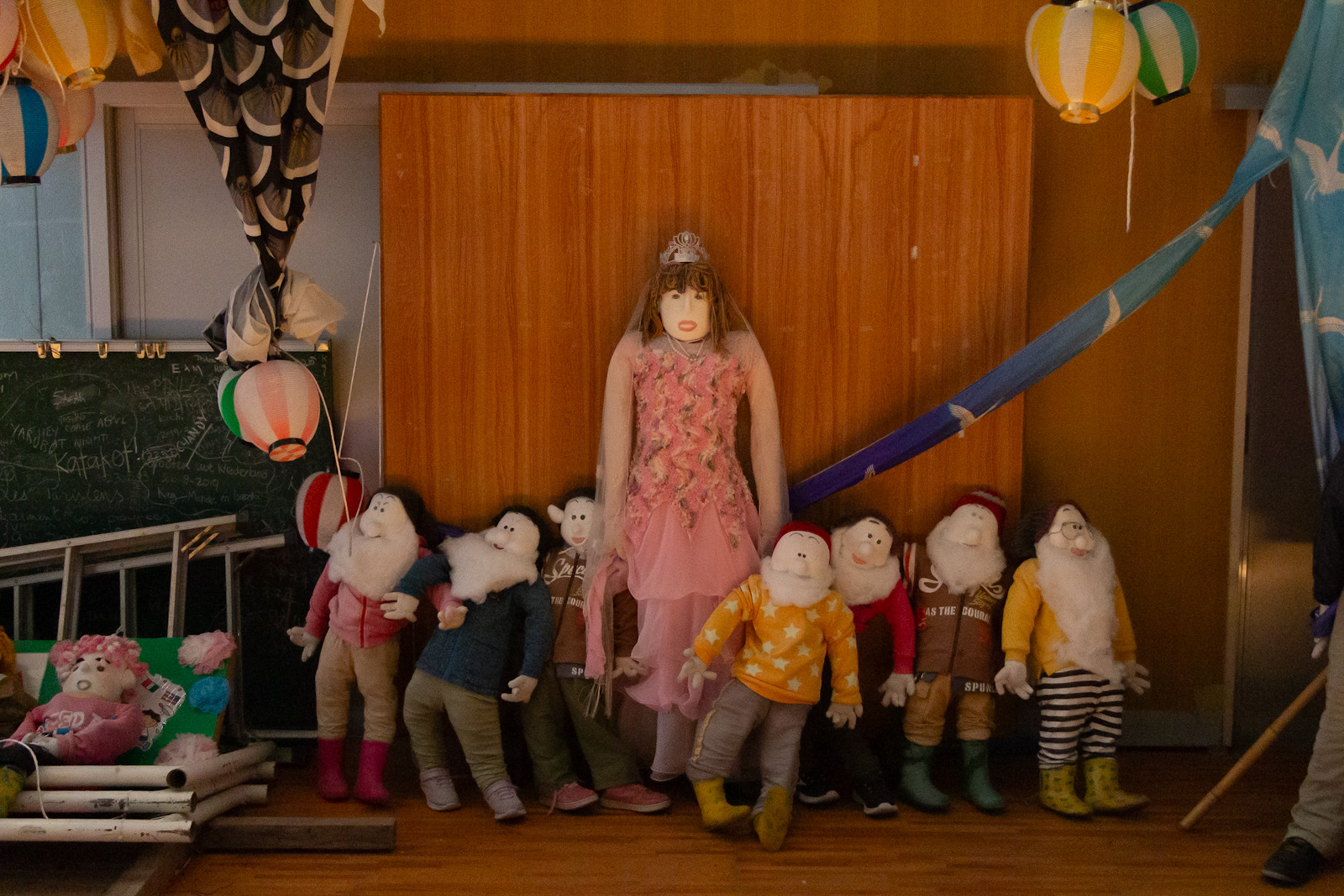


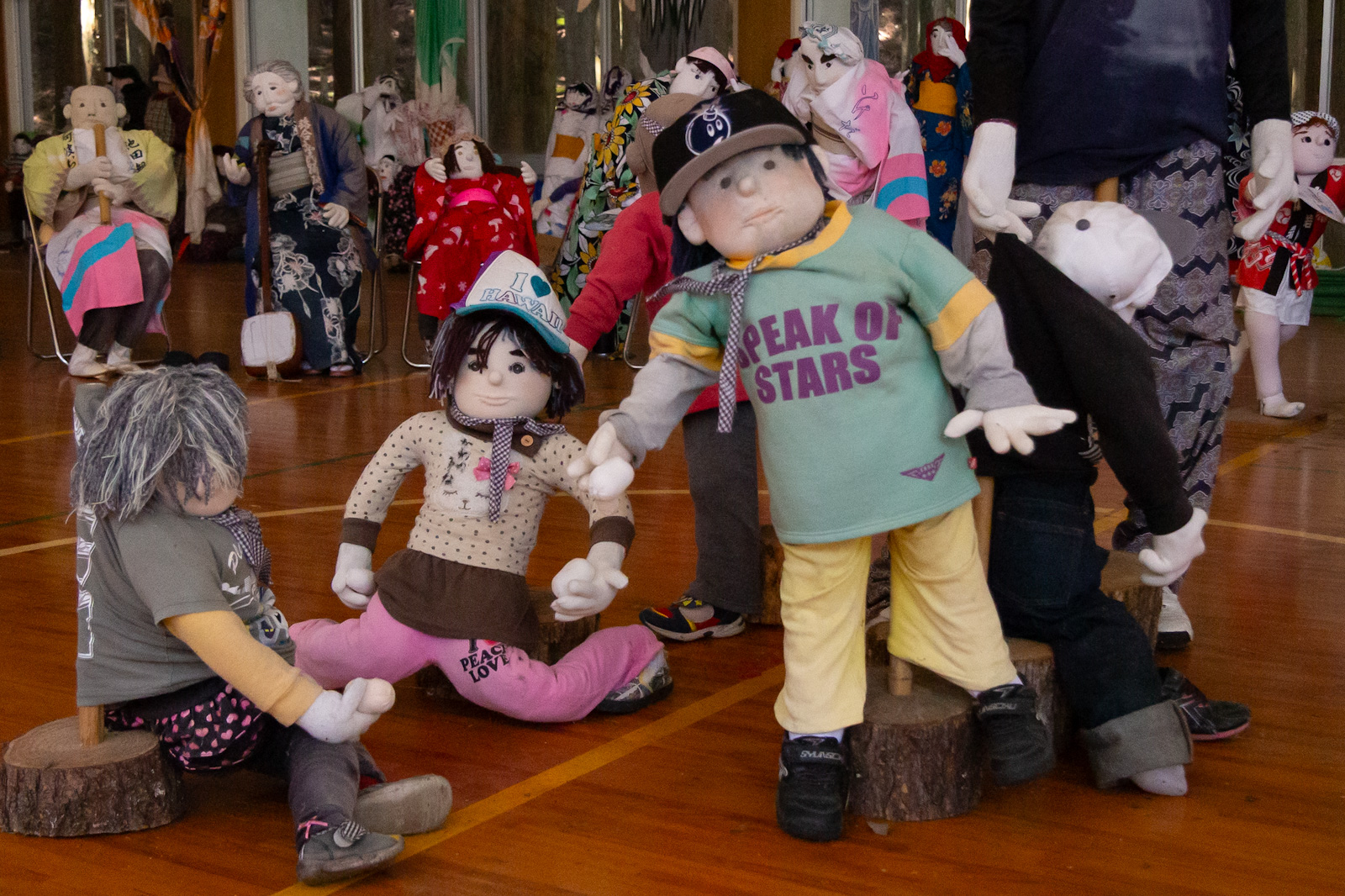
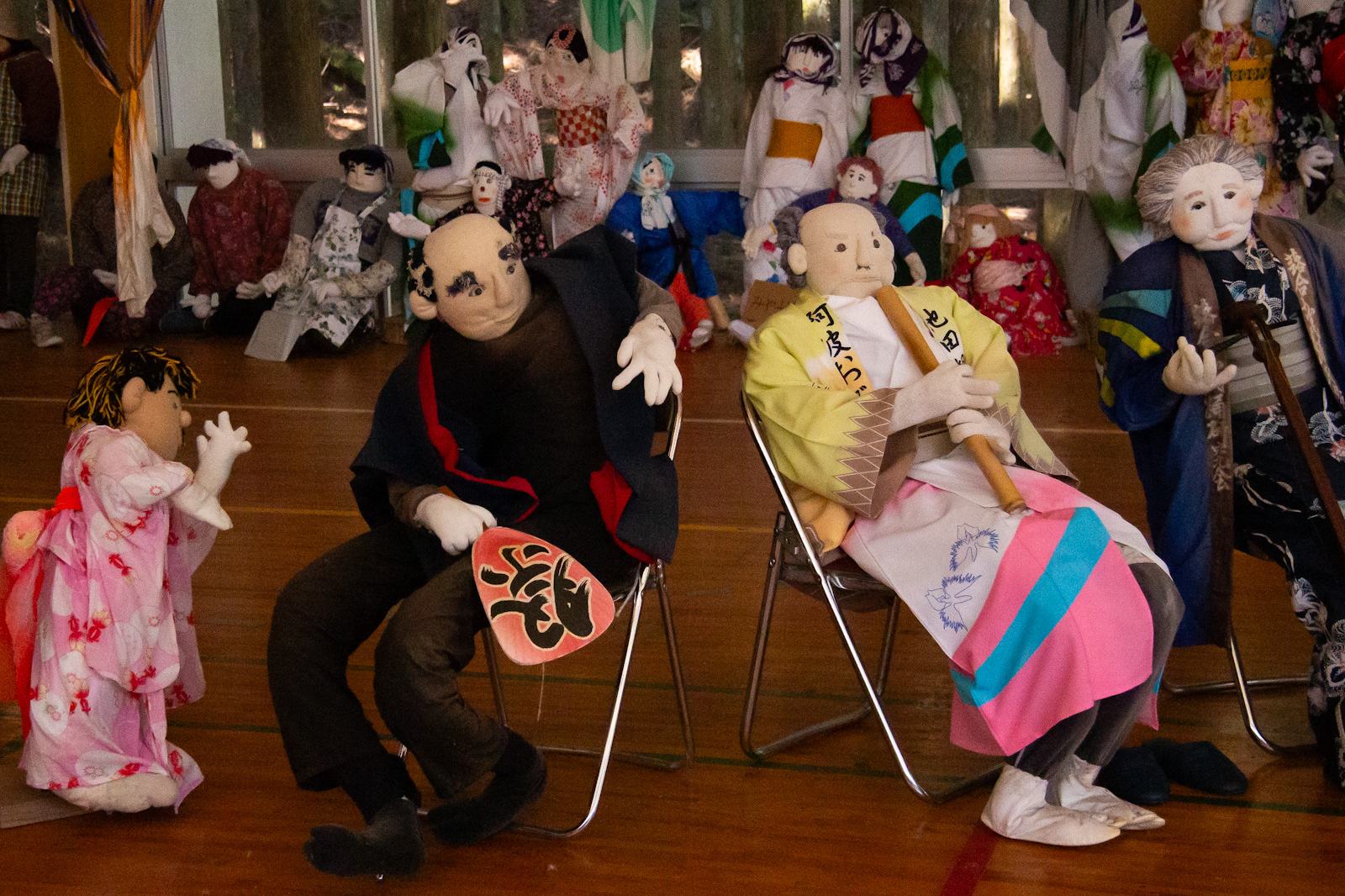
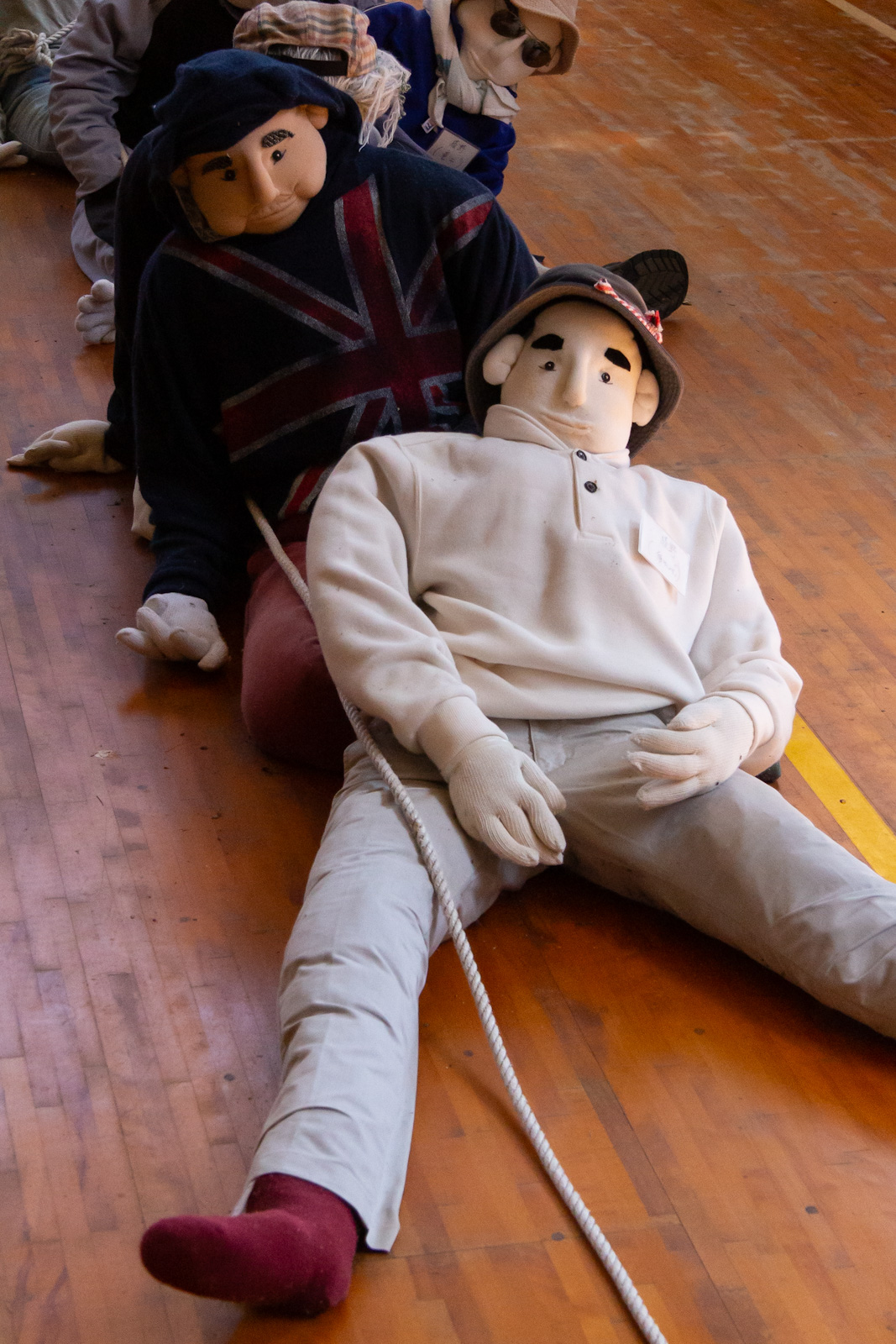
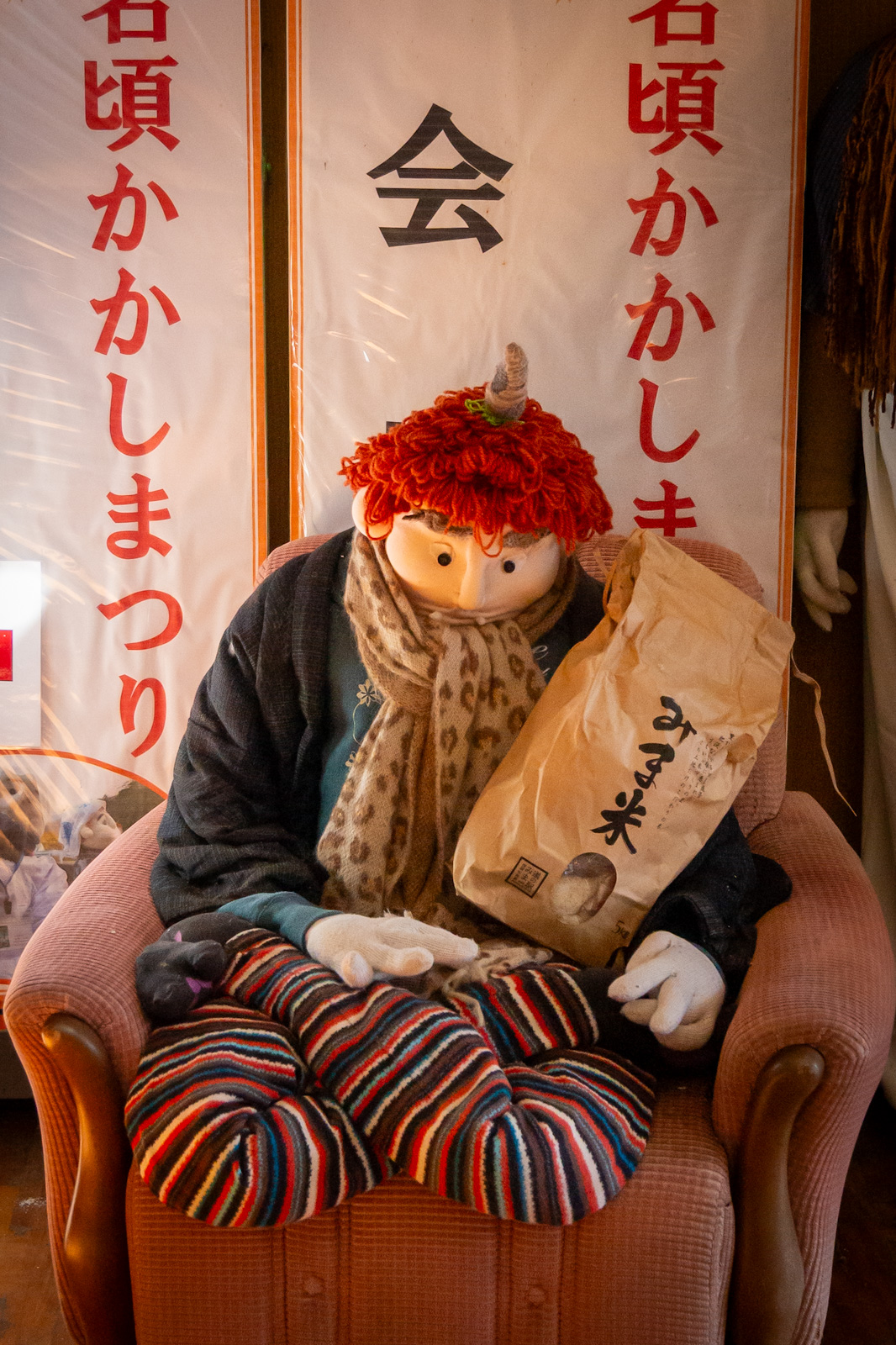
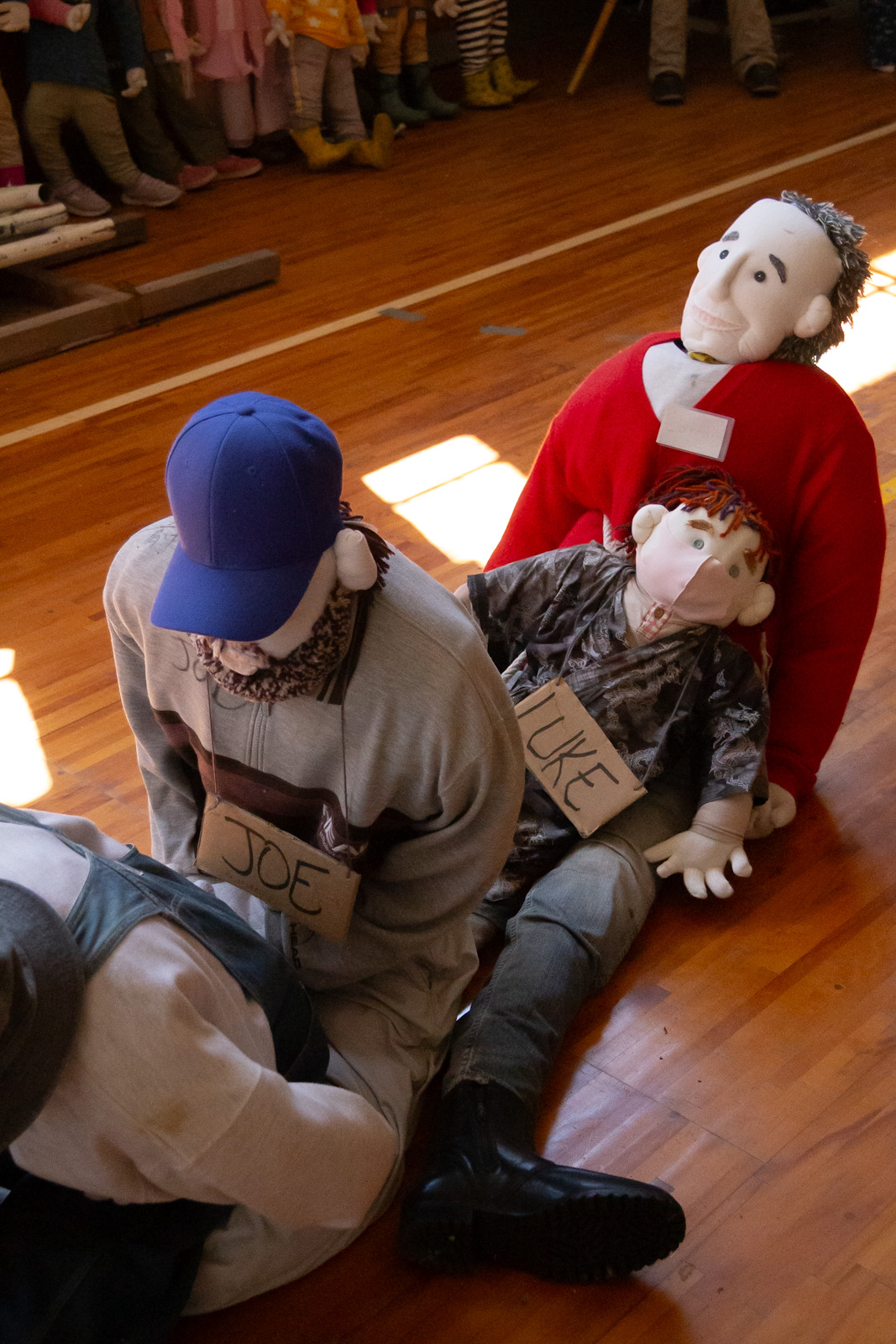
This part of the village really stuck with me. I’ve taught at five different schools in Japan now, and while they don’t all look the same, they all have the same vibe. So I could see it: the opening ceremonies and the sports days and the karuta challenges and the graduations. All the things that came before and would never again come to be. It’s so incredibly sad and yet so weirdly beautiful. A perfect example of mono no aware, the wistful appreciation of impermanence.
On the surface, Nagoro is just another piece of quirky Japanese culture available to be consumed. It feels like you’re walking around a movie set until you remind yourself that, no, these are real buildings with real histories that were once bustling with real people. Really, Nagoro is a living art museum, one that invites us to quietly reflect on our relationship with loss, and with time.
The village is free to visit, but you can support it and Ayano-san by booking a scarecrow workshop or buying some of her handicrafts, displayed next to honesty boxes throughout the village. Just pop your money in and help yourself to a wooden shoehorn, or a pair of miniature dolls. At the welcome center in the main parking lot, you can also collect a special kakashi stamp.

Visit Nagoro Scarecrow Village
Nagoro Sacrecrow Village is located in a remote area of the Iya Valley in Miyoshi, Tokushima, on the island of Shikoku, so it’s best accessed by car. However, it’s also possible to do it as a day trip from Honshu via Okayama by train and private taxi.
From JR Okayama Station, take the Nampu Limited Express on the Dosan Line heading for Kochi directly to JR Oboke Station. You need a special ticket, which you can get from the same green ticket machine you would use to buy a Shinkansen ticket. It takes 1 hr 40 minutes and costs 5,000 each way.
Various taxi tour companies operate in the Iya Valley area. I used Kazurabashi Taxi and was able to customize my tour to include Kazurabashi, the Ochiai Village viewpoint, and Oboke Gorge as well. I had a great experience, so I recommend giving them a try. You can book online in English via email; just fill out this form, and someone will get back to you.
There’s also a bus that goes from JR Oboke Station to Nagoro, but times are limited, and you have to make a transfer, so it may not align with your other travel arrangements.
For more information about Nagoro and the Iya Valley, check out the links below.
Miyoshi Tourism website
IyaTime website
Tokushima Tourism website