
Like most South Africans, I grew up snacking on Maggi Two Minute Noodles. Before the contamination scares and poison scandals and MSG controversy, the instant ramen favourite was a quick, tasty treat that took care of hunger pangs when our parents were away.
It was only as I got older (and subsequently wiser) that I began to realise the nutritious dish from my childhood was anything but. Still, I figured my taste buds had undergone the necessary training for my big move to Japan, where I’d get to try the real deal. It’s only unhealthy because it comes in a packet, right?
Wrong. After my first couple of samplings here, I realised that what others see as a delicious, warm bowl of comfort is actually just a swimming pool of oil and salt that has made my stomach lurch on more hangovers than I’d like to recall. Ramen is, please forgive me, kind of gross.
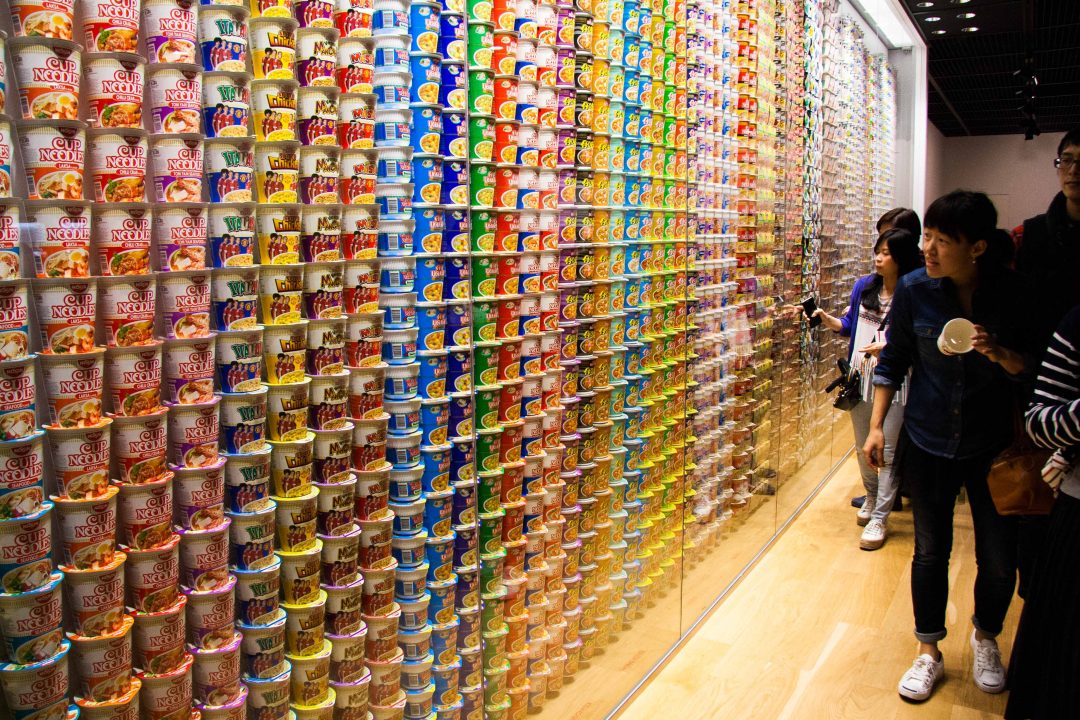
Millions of Japanese (and college students around the world) would disagree, of course: ramen is love, ramen is life. But what is it about the dish, exactly, that keeps people coming back for more? I went with Mark to a museum in Osaka dedicated entirely to the wheat noodles to find out.