Browsing Category

Onsen

Festivals Japan Kyushu Miyazaki Onsen

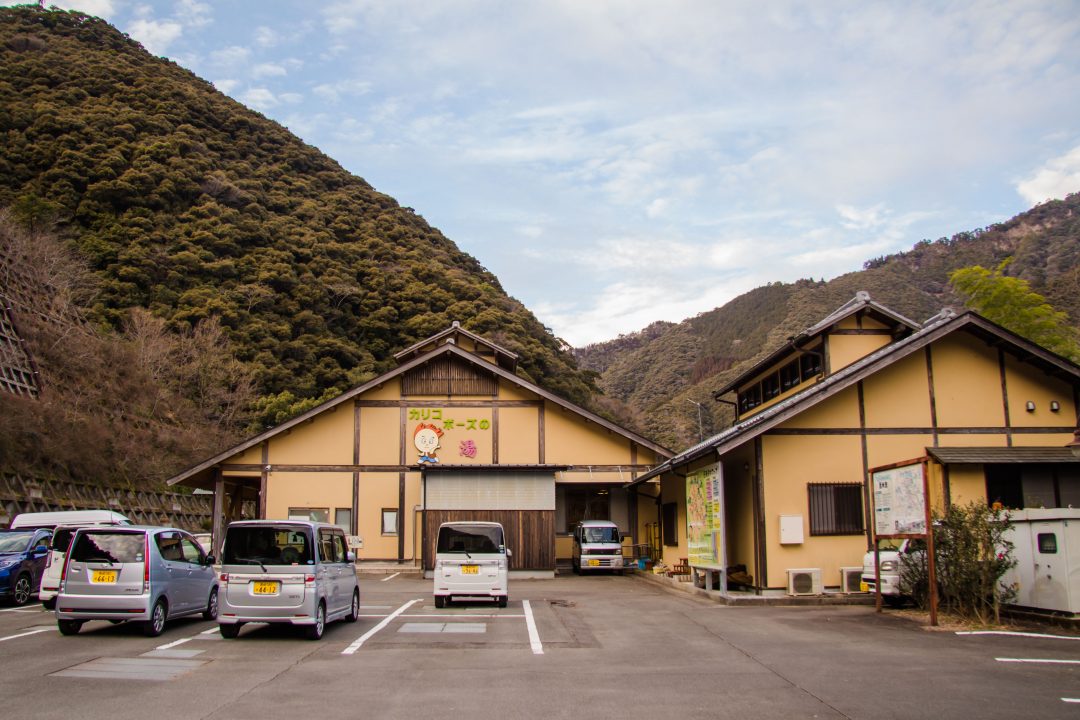
The Nishimera Gibier Festival

February 6, 2017

“You ate what?” Maria-san asked with surprise.
“Wild boar and deer.”
She scrunched up her nose in disgust, “Urgh…really?”
“Yeah, it was delicious!”
“Oh no,” she frowned unconvinced, “I’ve never tried it.”

Maria is the co-owner-co-chef of one of my favourite restaurants in Miyazaki, which made her reaction that much more amusing. It’s not an uncommon one in Japan though, where game meat seems to have a pretty poor reputation. As my one colleague explained it, “most people are put off by the smell.”

Continue Reading

Hiking Japan Kagoshima Kyushu Onsen

Hiking Mt. Kaimondake

December 20, 2016

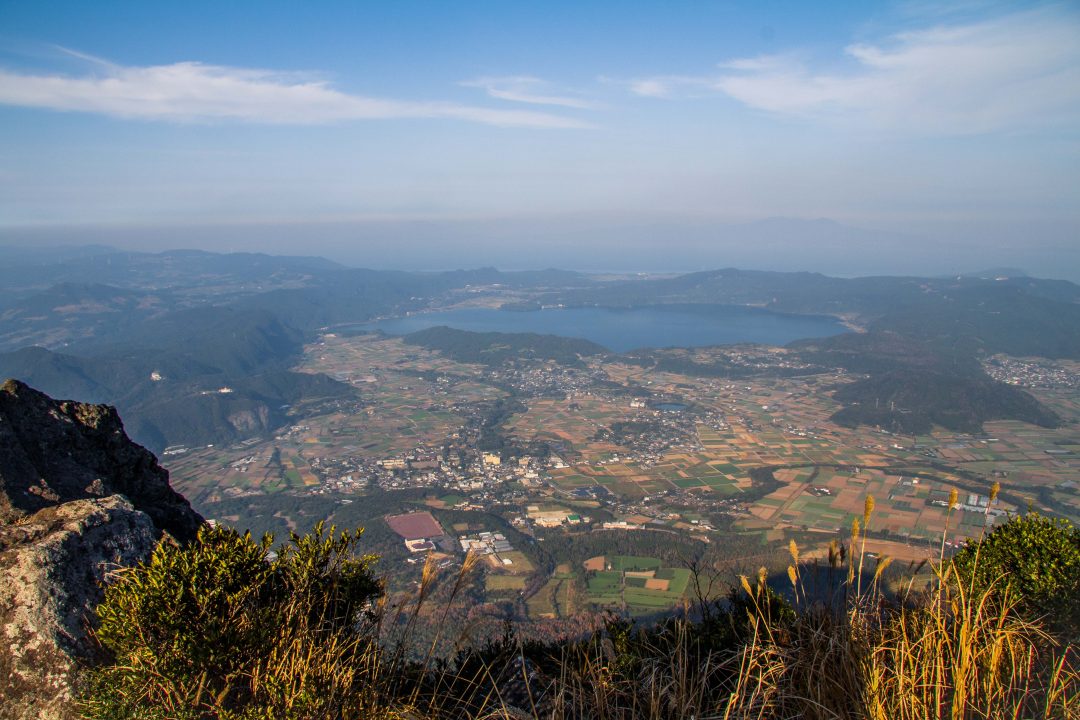
AIR RESCUE POINT. The small, yellow sign caught my eye as I clambered over another giant boulder. Take note, I teased myself, this is where they’ll have to come to find you. I was two hours and 40 minutes into the 4,25 km (2.6 mi) ascent of Kaimondake. Most of the hike so far had been a gentle walk, but this last bit was proving to be quite tough. The rock I was standing on was propped up against the cliff face by another rock, and next to it was a sharp drop into the trees and shrubs below.

Located in the Ibusuki region of Kagoshima, “Open Gate Mountain” is a dormant stratovolcano that is part of the submerged Aira caldera in Kagoshima Bay and belongs to the Kirsihima-Yasu National Park. It last erupted in 885 AD and is the 99th of Japan’s 100 Famous Mountains as listed in the popular 1964 book by Kyuya Fukada.

Kaimondake is nicknamed the “Fuji of Kyushu” for its similarity in shape and symmetry to Japan’s most famous peak, although it’s just a quarter of its size standing at 934 m (3031, ft). The relatively small mountain rises straight from sea level though, making its elevation change of 815 m (2,700 ft) from the first station a challenge for even the experienced hiker.

Continue Reading

Japan Kyushu Oita Onsen Quick Guides

A Quick Guide to Yufuin Onsen Town

November 21, 2016

In Japan, you’d be hard-pressed to find a city or town that doesn’t have at least one onsen (温泉). Thanks to abundant geothermal activity on the archipelago, there are thousands of these natural hot springs scattered throughout each of the prefectures. Not to be confused with bathhouses, or sentō, in which heated tap water is used, onsen must contain at least one of 19 specified minerals and have a natural temperature higher than 25 ºC (77 ºF) to be officially designated as such. For hundreds of years, people have enjoyed soaking in their healing waters to relax, unwind, and cure stress-related ailments.

Onsen don’t only differ in their mineral content; there are outdoor and indoor baths, public and private baths, and baths for mixed and gender-separate bathing. A popular way to enjoy different kinds of baths is to visit an onsen resort, a hot spring area or town with its own hotels, restaurants, souvenir shops and amusement facilities.

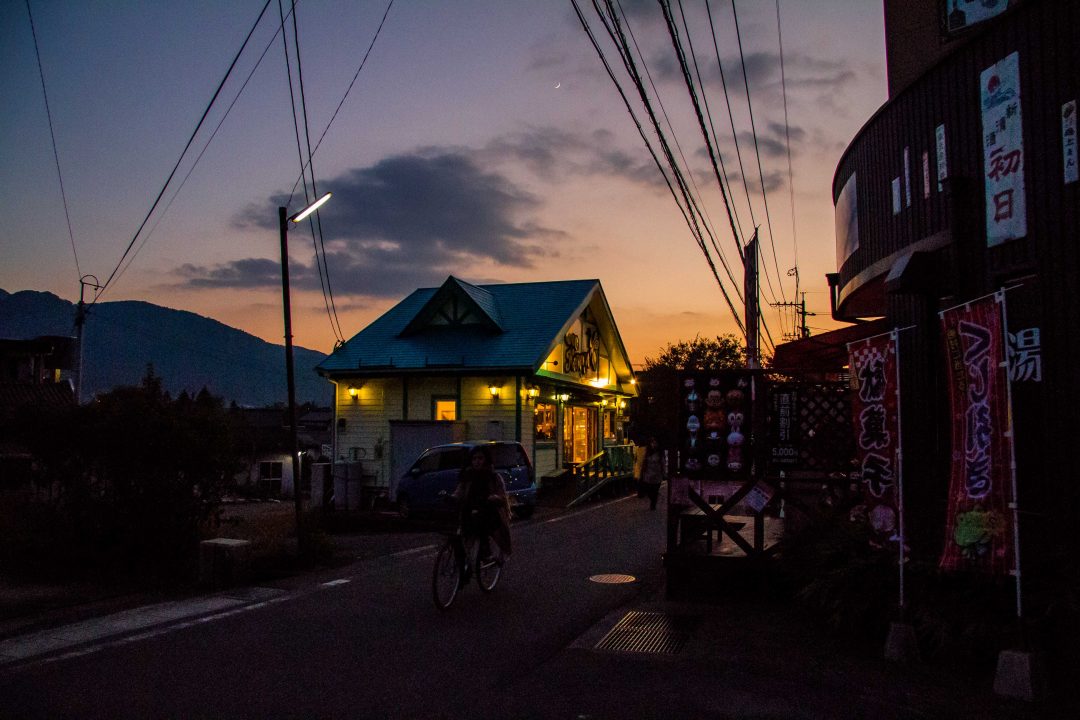
One of Japan’s top onsen resorts is located in Oita prefecture, which also boasts the highest number of hot spring locations and the highest annual yield of hot spring water in the country. Yufuin (由布院) is located just a 35 min drive from its popular neighbour Beppu, in a small valley beneath the impressive Mount Yufu.

Continue Reading