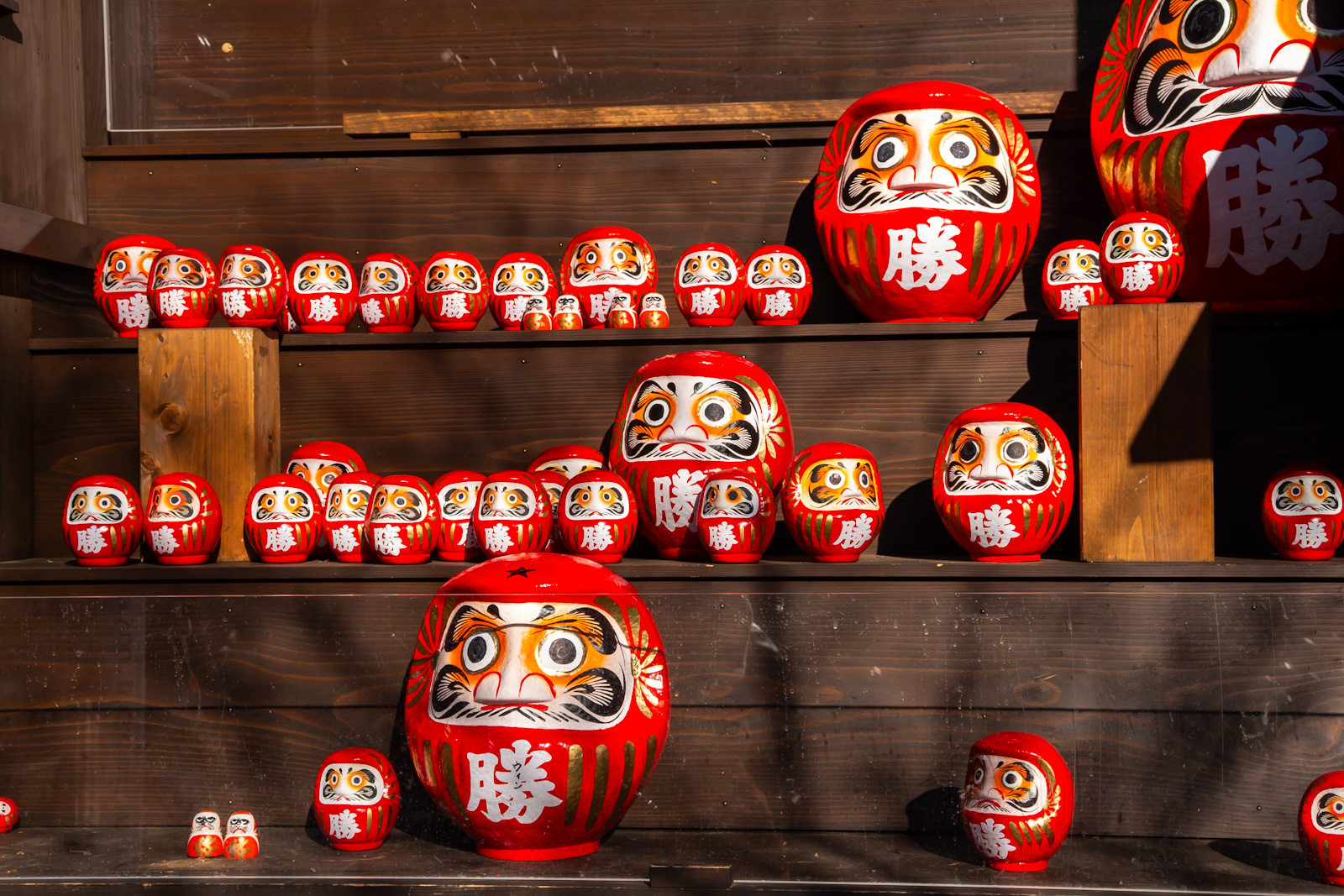
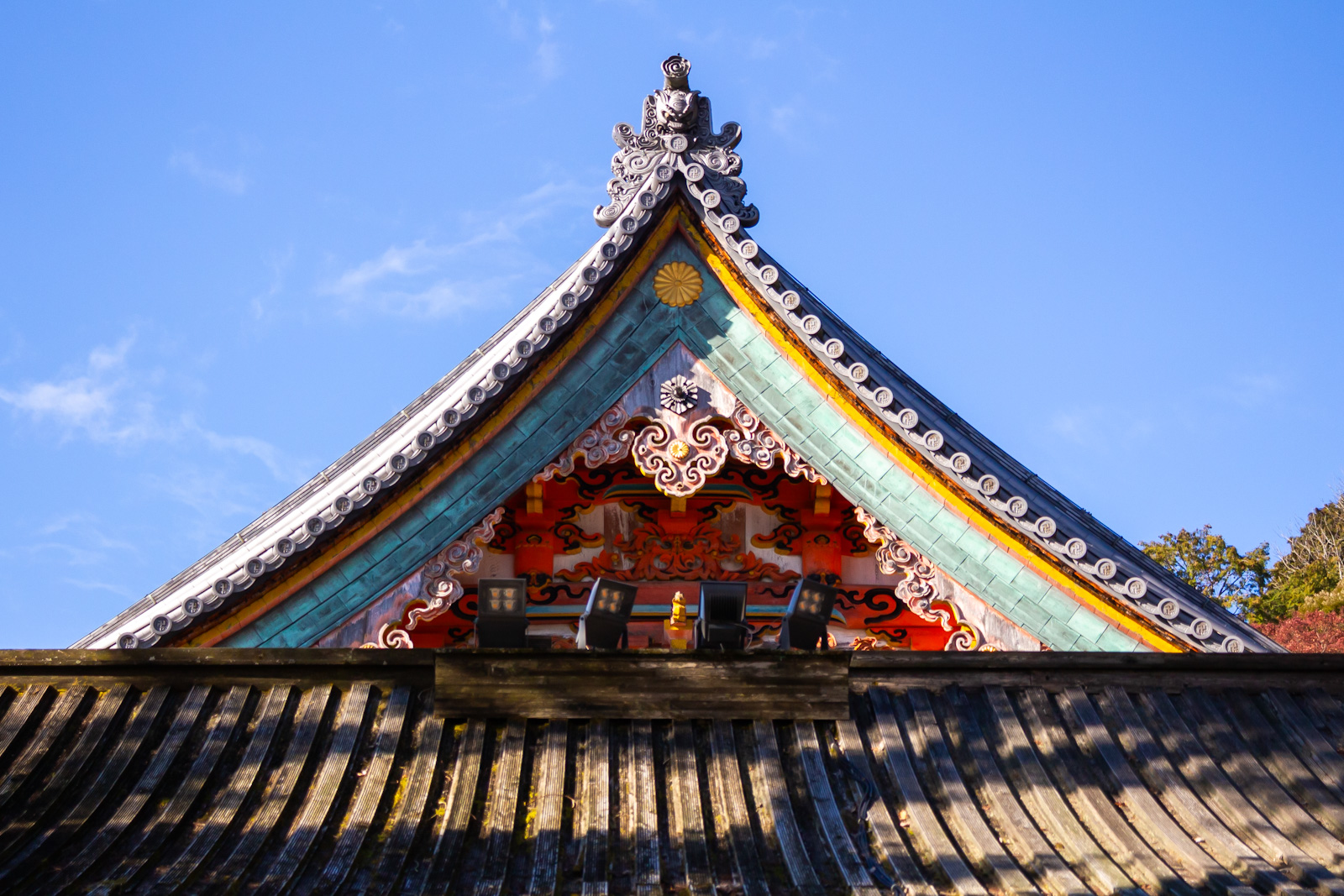
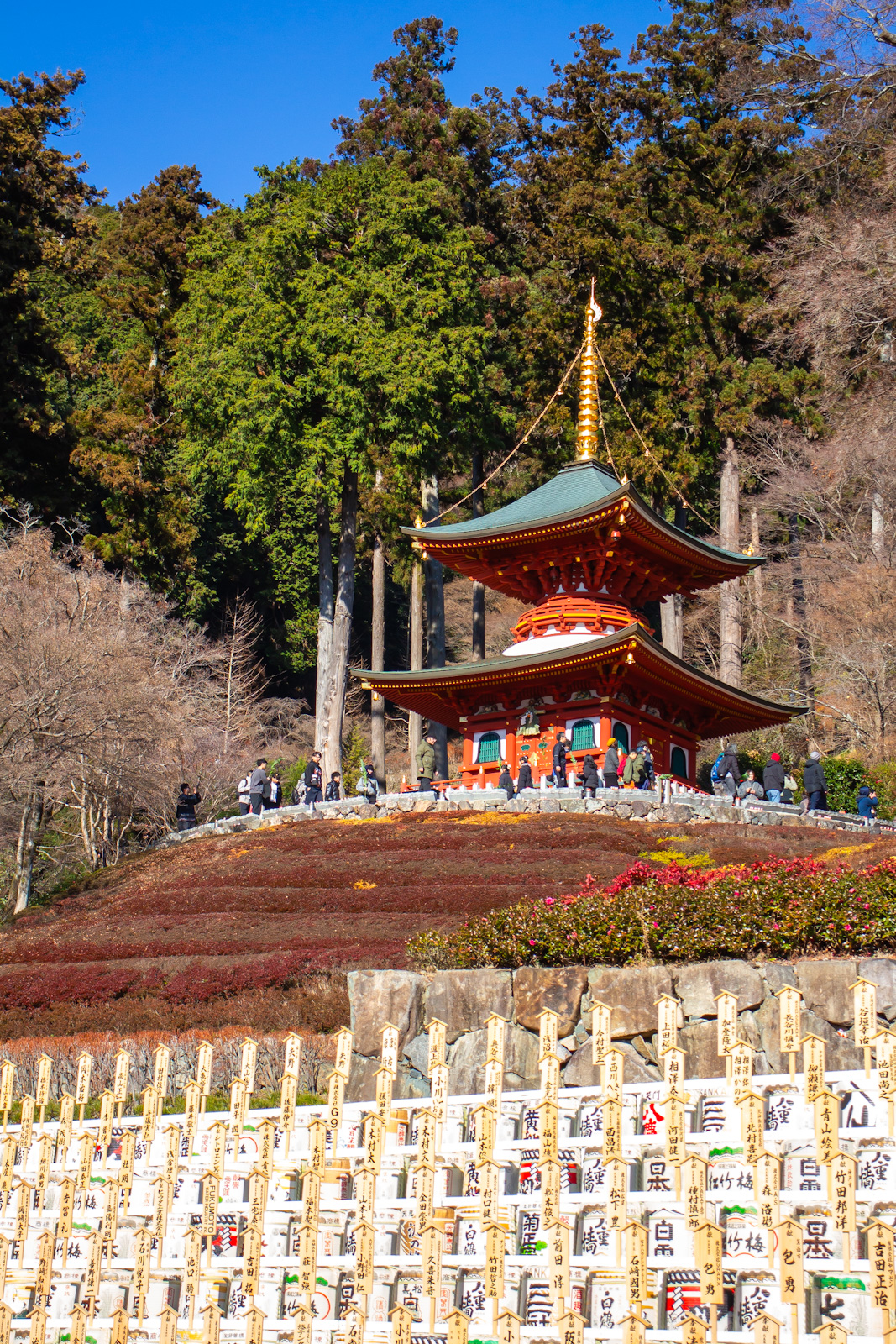
In the mountains of Minoh, Osaka is a centuries-old Buddhist temple decorated with thousands of red daruma dolls. Known as “the temple of winning luck,” visitors from around the world visit here to pray for good fortune in all aspects of life, from exams to illness to romance. But what makes Katsuoji so lucky? Its history dates all the way back to 727 AD.
It’s said that twin monks, Zenchu and Zensan, built a hermitage called Mirokuji. During the Heian period, when Emperor Seiwa reigned, the abbot of the temple was Gyojun Shonin. Emperor Seiwa had fallen ill and was bedridden, and so the abbot prayed for his good health. Remarkably, the emperor recovered and was greatly impressed at the power of the prayer. He declared that it had “overcome him, the king who rules this country.”
The temple was then renamed Katsuoji—”katsu” from the character for win, or gain victory, “o” from the character for king, and “ji” from the character for Buddhist temple. From the Kamakura period right through to the Edo period, it became known as a temple that bestows good fortune, attracting a wide range of believers, from rulers like Genji, to merchants and farmers.

So how did the daruma come into play? Well, in Buddhism, these round, hollow dolls have long been regarded as talismans of good luck. Today, they are sold at many Buddhist temples to use in prayers and intention-setting.
At Katsuoji, the tradition is to choose a doll that speaks to you and write your life purpose on the bottom and your goal on the side. Then, after letting incense smoke infuse the daruma, color its right eye. If your goal is achieved within a year, you are to color in the other eye and return the daruma to the temple.
Of course, you can also leave your daruma behind as an offering of gratitude, or to simply mark your visit. The daruma aren’t meant to grant wishes. Rather, they symbolize the promise you’ve made to yourself—to face your weaknesses and take the steps necessary to overcome them. After all, isn’t that the true meaning of winning?
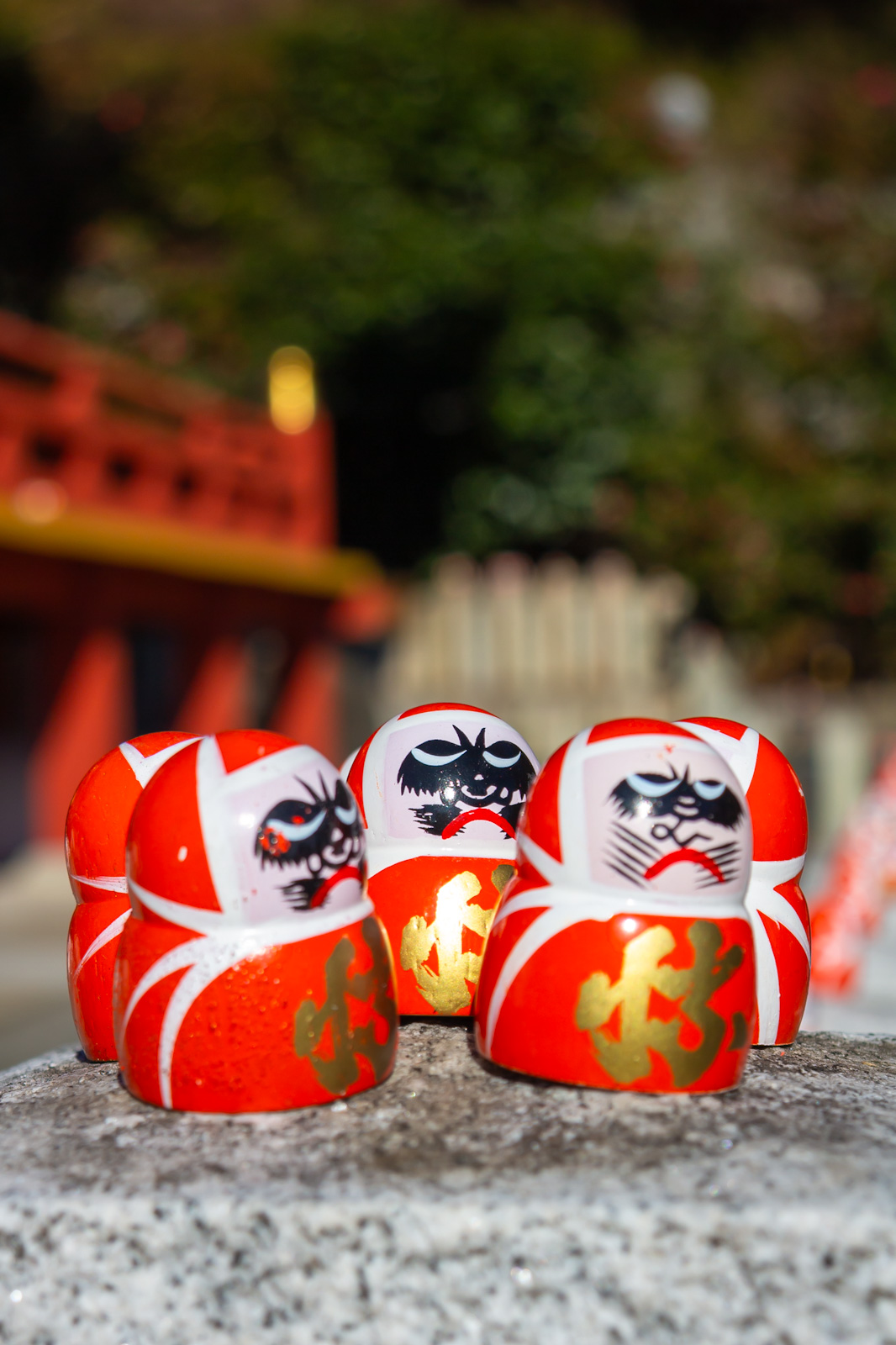

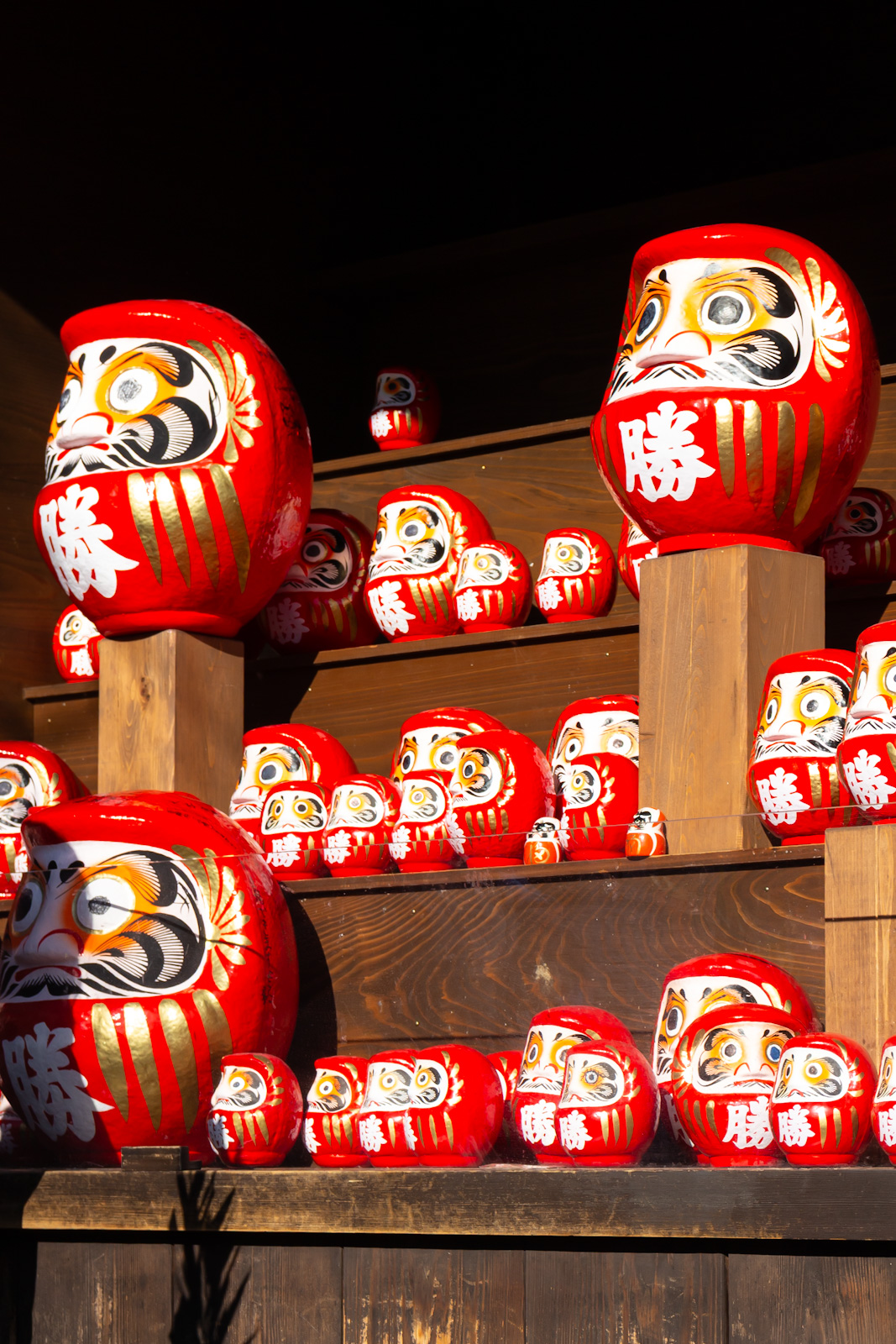

Don’t forget to retrieve the fortune slip from inside your daruma, though you may have to use a translation app to understand it. Katsuoji uses a unique type of fortune-telling based on the I Ching system of ancient China. Founded on the principle of yin and yang, it uses different combinations of the symbols to create 64 unique hexagrams. Each hexagram comes with a message, which is up to you to interpret. After reading your message, you can keep the slip, or tie it to a temple rack or tree branch.
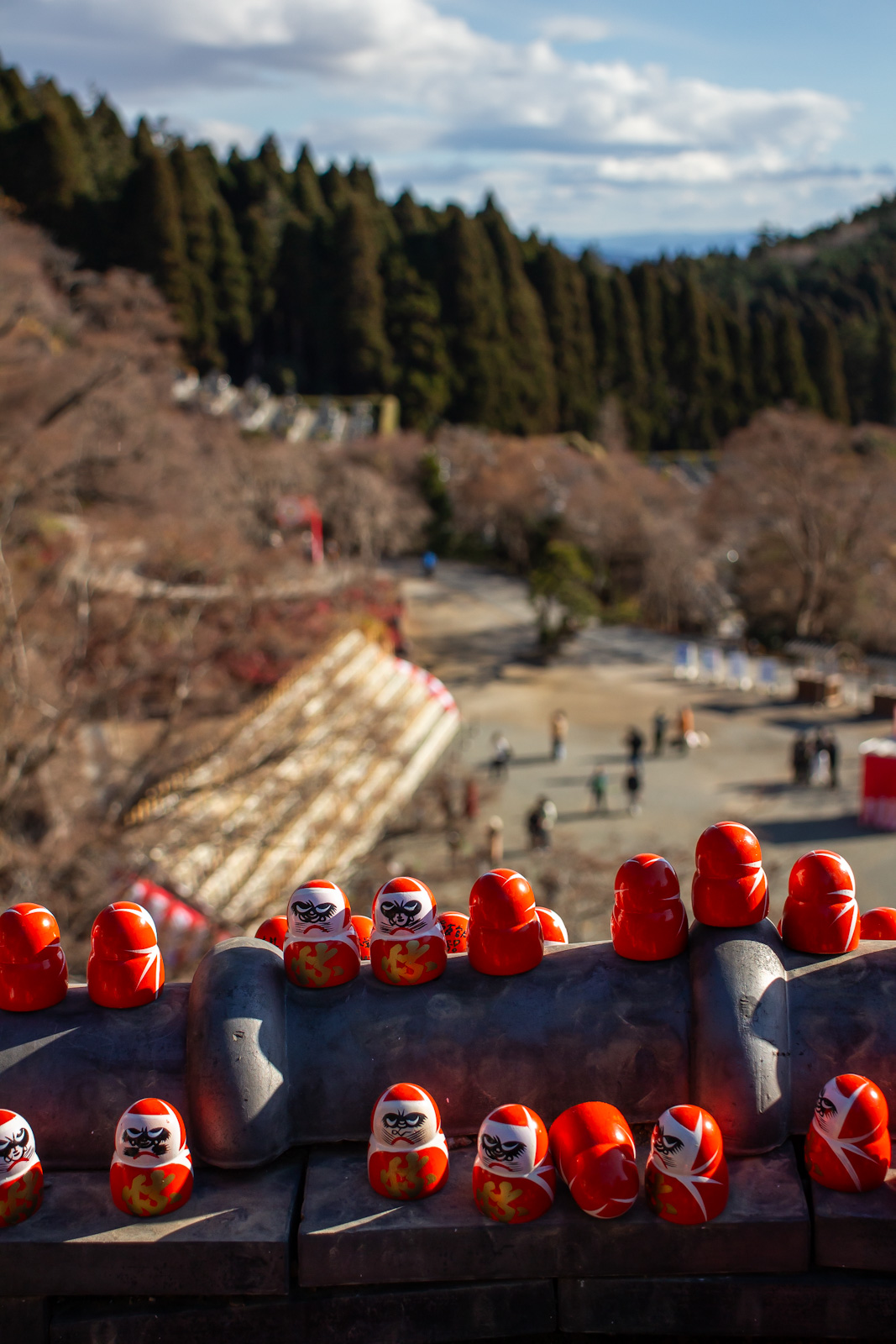
At the end of each year, all the daruma at Katsuoji are collected and ceremonially burned. So, depending on when you visit, you may see more or less scattered around the temple grounds. We visited on the second day of the New Year, so while there were quite a few from hatsumode celebrations, there weren’t as many as we’d have liked. Still, it was fun walking around trying to spot them all, like an odd kind of Easter egg hunt.
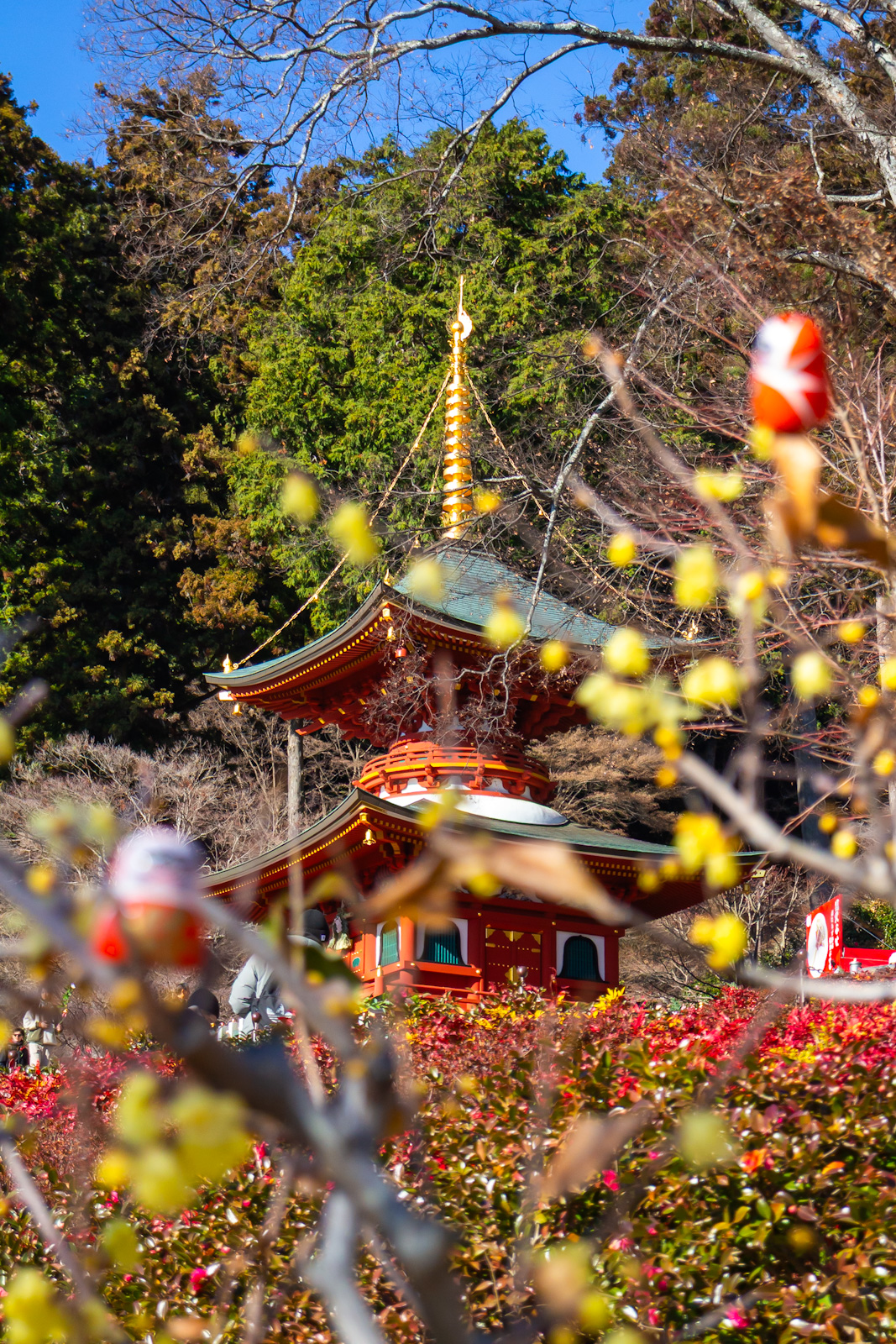
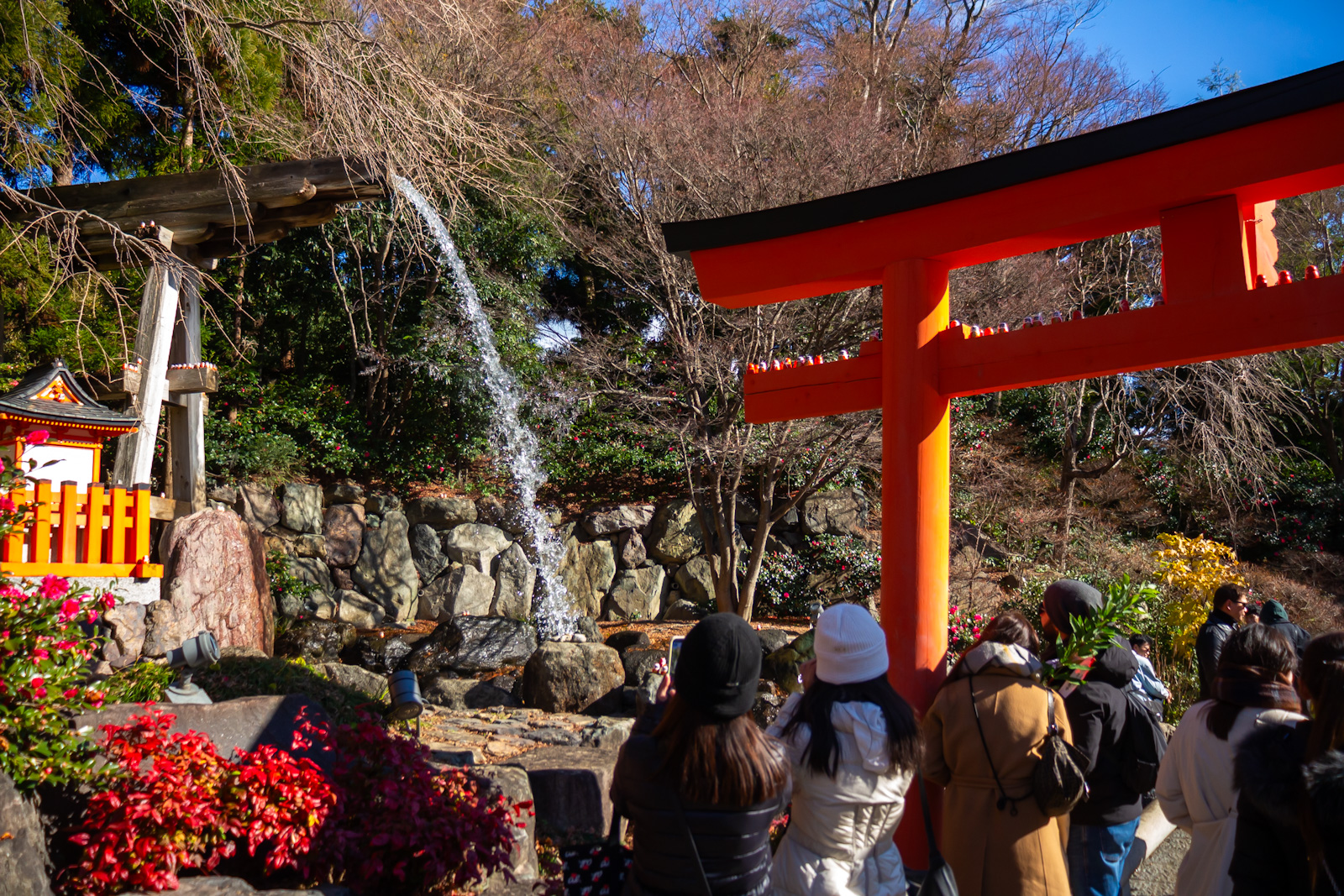
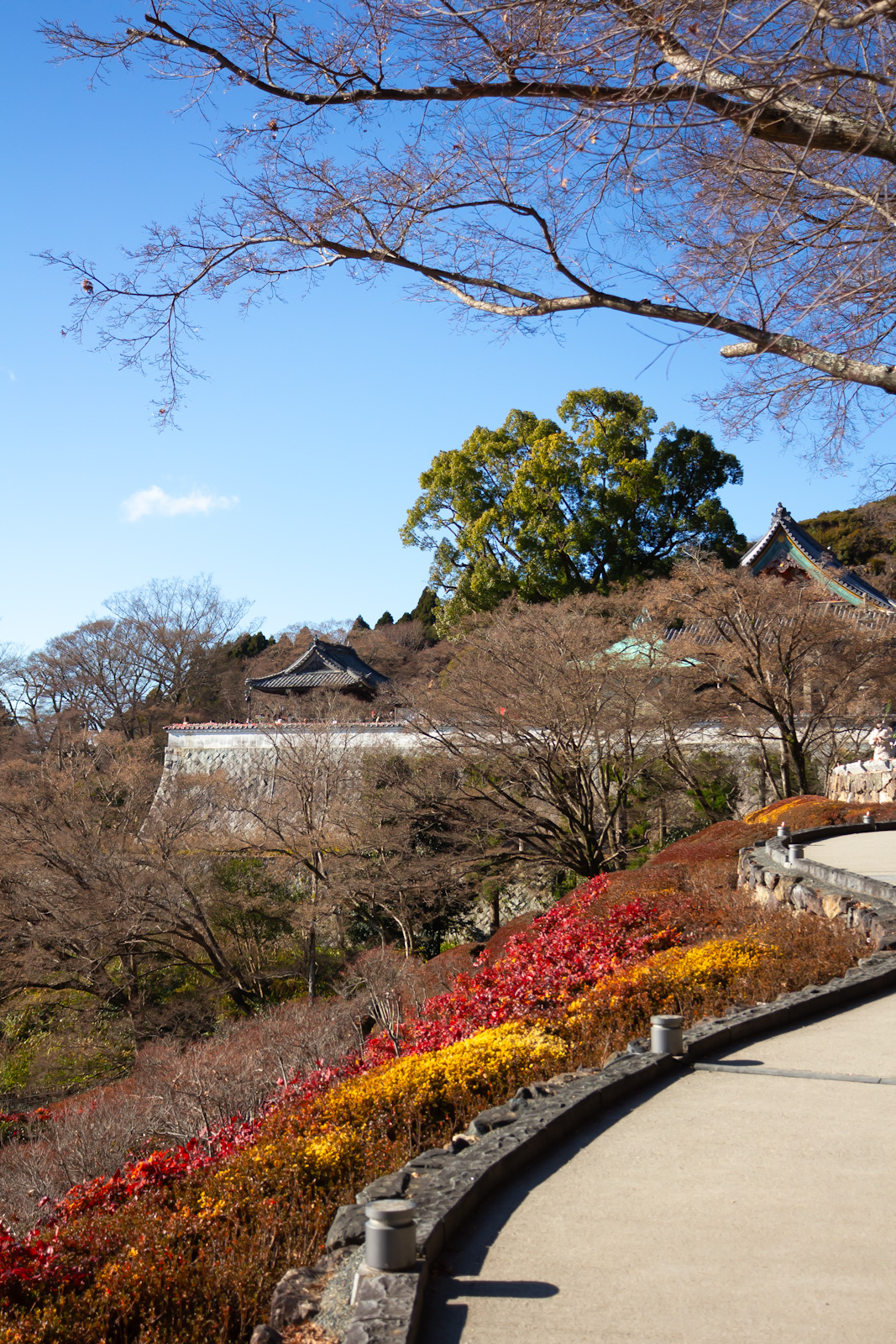
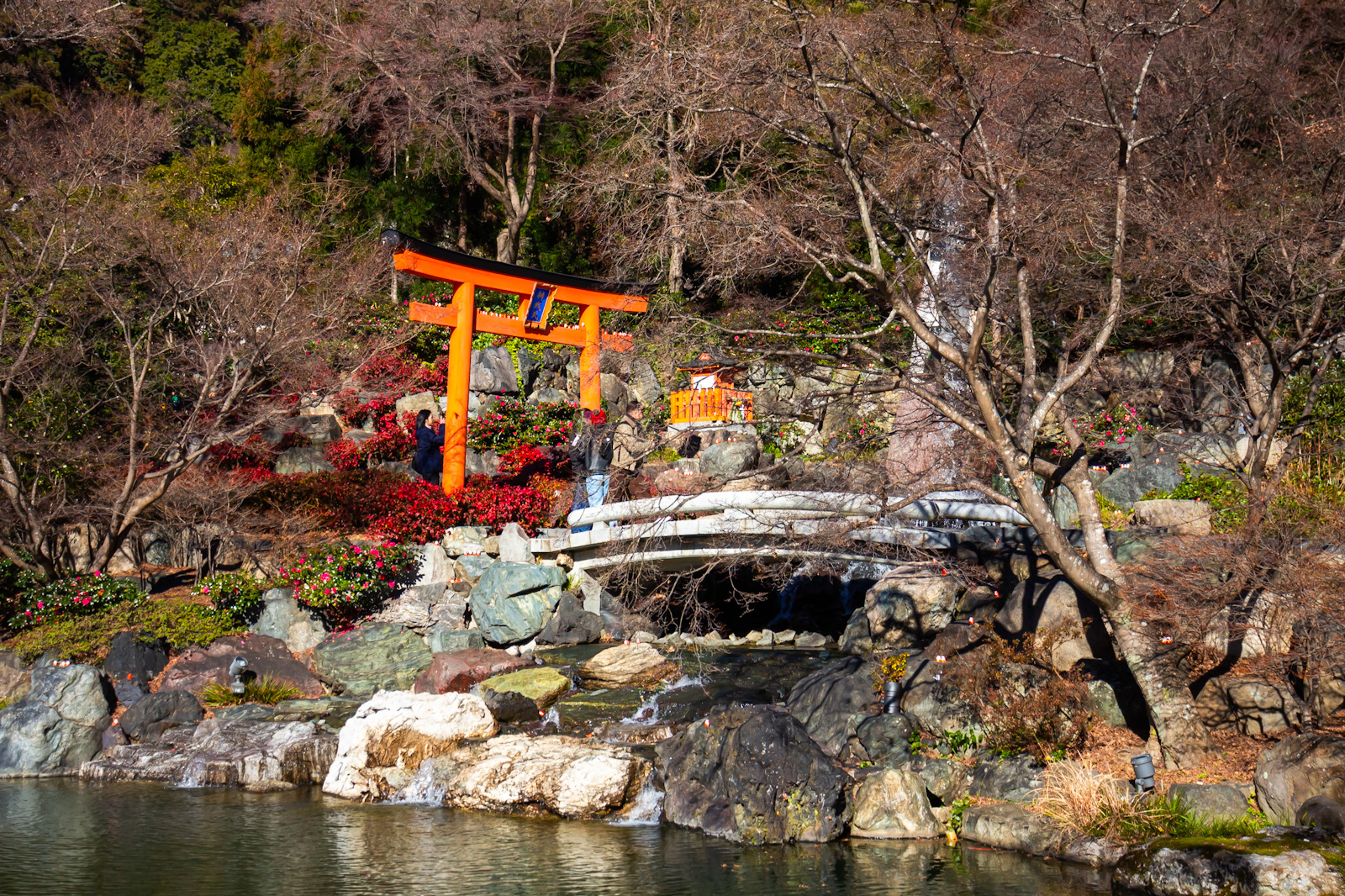
Katsuoji is known for its fall colors and spring blossoms, but it’s beautiful all year-round. The hilly landscape is dotted with koi-filled ponds, vermillion gates and bridges, and even its own waterfall. You can also enjoy sweeping views of Minoh below. Plus, with all the daruma, it offers a unique experience away from the crowds. Lucky, indeed.
Be sure to stop at the gift shop on your way out. It’s filled with fun and unique daruma-themed souvenirs to take home.



Visit Katsuoji
Katsuoji is located in Minoh City, Osaka, which is about an hour away from Osaka City. To get there from Umeda or Shin-Osaka stations, take the Local Minoh-Kayano on the Midosuji Line to Minoh-Kayano Station. Then, transfer to the Hokusetsu Cemetery Line 30 Bus and get off at Katsuoji. The bus ride takes about 20 min and costs 800 yen.
Hours: 08:00~17:00
Admission: 500 yen