This article is featured on GPSmyCity. To download it for offline reading, or create a self-guided walking tour to visit the attractions highlighted, go to Walking Tours and Articles in Okayama.
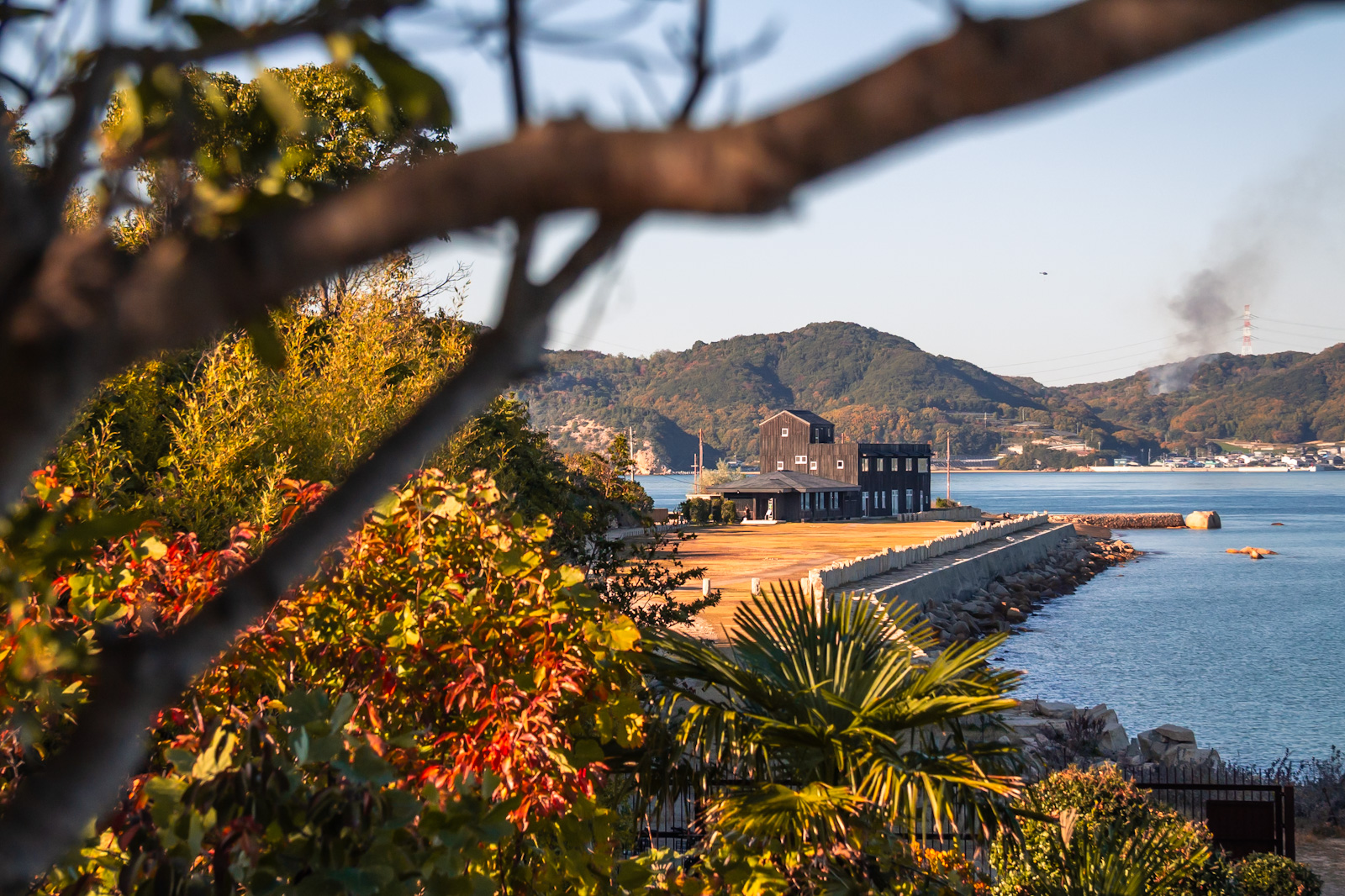
Just a few kilometers off the coast of Okayama lies a small island called Inujima. It’s the only inhabited island in the prefecture, with a population of just 47. It’s so small, in fact, that there are no buses or trains. With an area of 0.54 sq km (0.21 sq mi), everything is within walking distance. You won’t even find a grocery store or konbini. And yet, it’s a popular destination, drawing thousands of visitors every year.
Inujima is one of three “art islands” managed by the Benesse Art Site Naoshima, along with Naoshima and Teshima. It’s also the only Okayama island in the Setouchi Triennale (the rest are in Kagawa), a contemporary art festival held on the islands of the Seto Inland Sea. But how did Inujima go from a former industrial site to a contemporary art destination? Here’s a quick guide.


History of the Island
The name Inujima literally translates to “Dog Island,” which is said to have come from a canine-shaped stone on the neighbouring island of Inunoshima. And while dogs don’t feature in its history, stone certainly does.
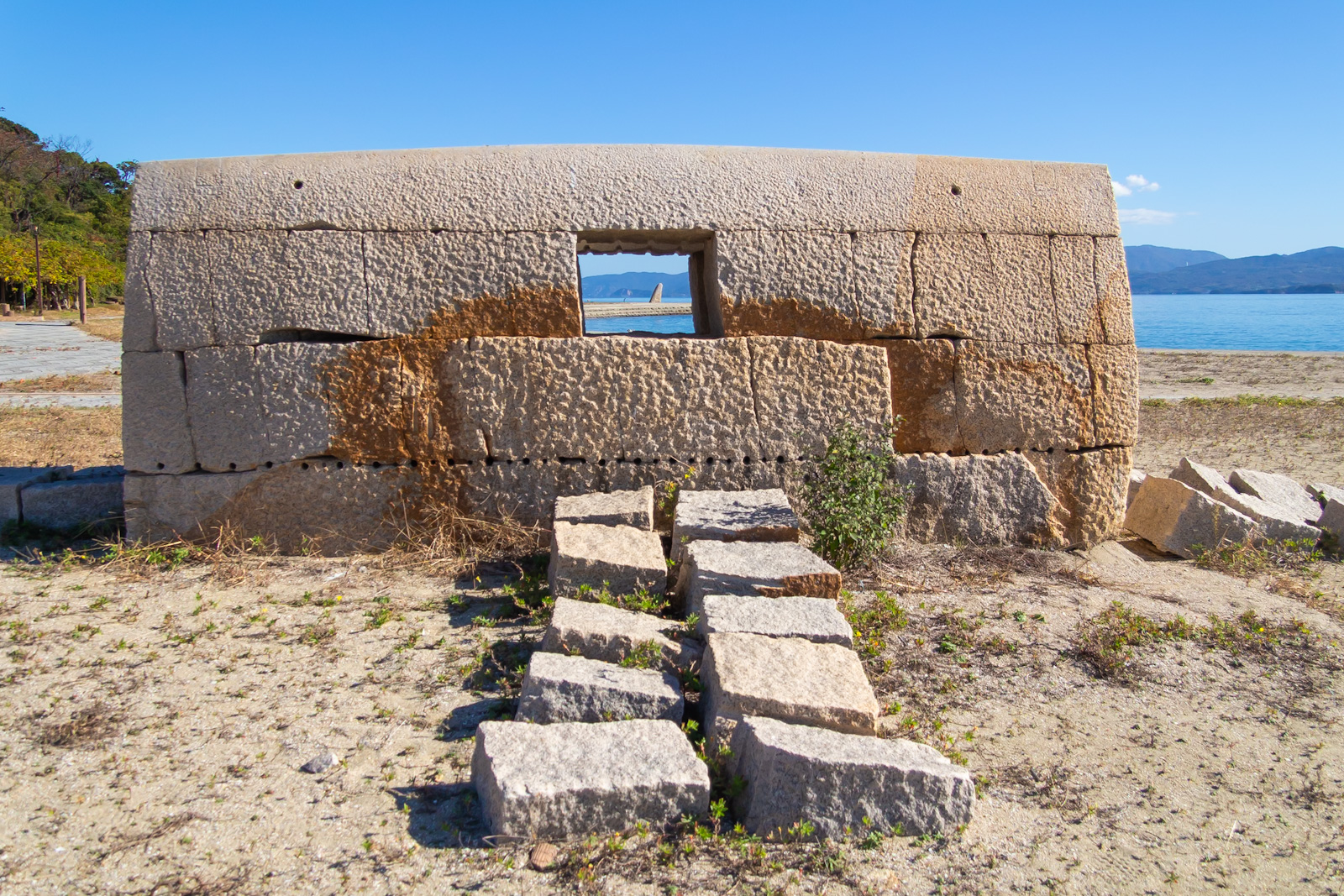
Inujima used to be a thriving quarry. The island was widely known for producing high-quality granite, which was used in the construction of many major projects around Japan, including the stone walls of Okayama Castle. In 1909, Inujima also became the site of a copper refinery.
For the next ten years, the island thrived, with its population growing into the thousands. But then, copper prices fell drastically, and the stone industry began to decline. This led to the shutdown of both industries in 1919. The pollution from a decade of industry had stripped the island of its vegetation, and people began leaving to find work elsewhere. The population started shrinking, and many buildings were abandoned. Today, just 47 people are left on the island.
The ruins of the copper smelter also remain, despite being over 90 years old. They have since been converted into a unique art museum, thanks largely to the artist, Yukinori Yanagi.
Born in Fukuoka, Yanagi read for an MFA in Painting at Musashino Art University in Tokyo, and then for an MFA in Sculpture at Yale. In 1992, during his first solo exhibition at Benesse House on Naoshima, Yanagi became fascinated with the islands of the Seto Inland Sea. He worked out a plan for Inujima to be developed as an art site in collaboration with architect Hiroshi Sambuichi. In 2008, the plan was realized as the Inujima Seirensho Art Museum.
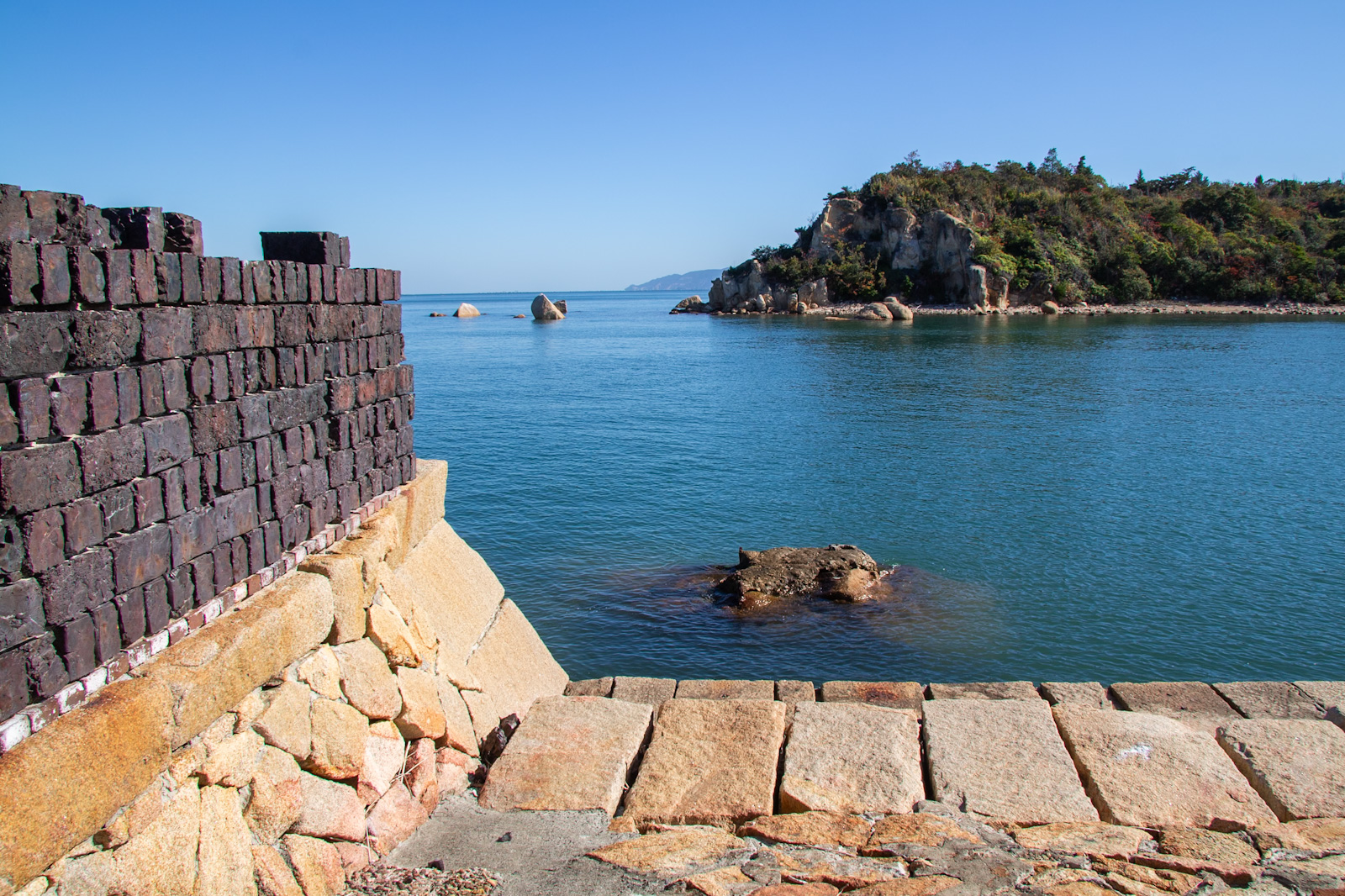
Inujima Seirensho Art Museum
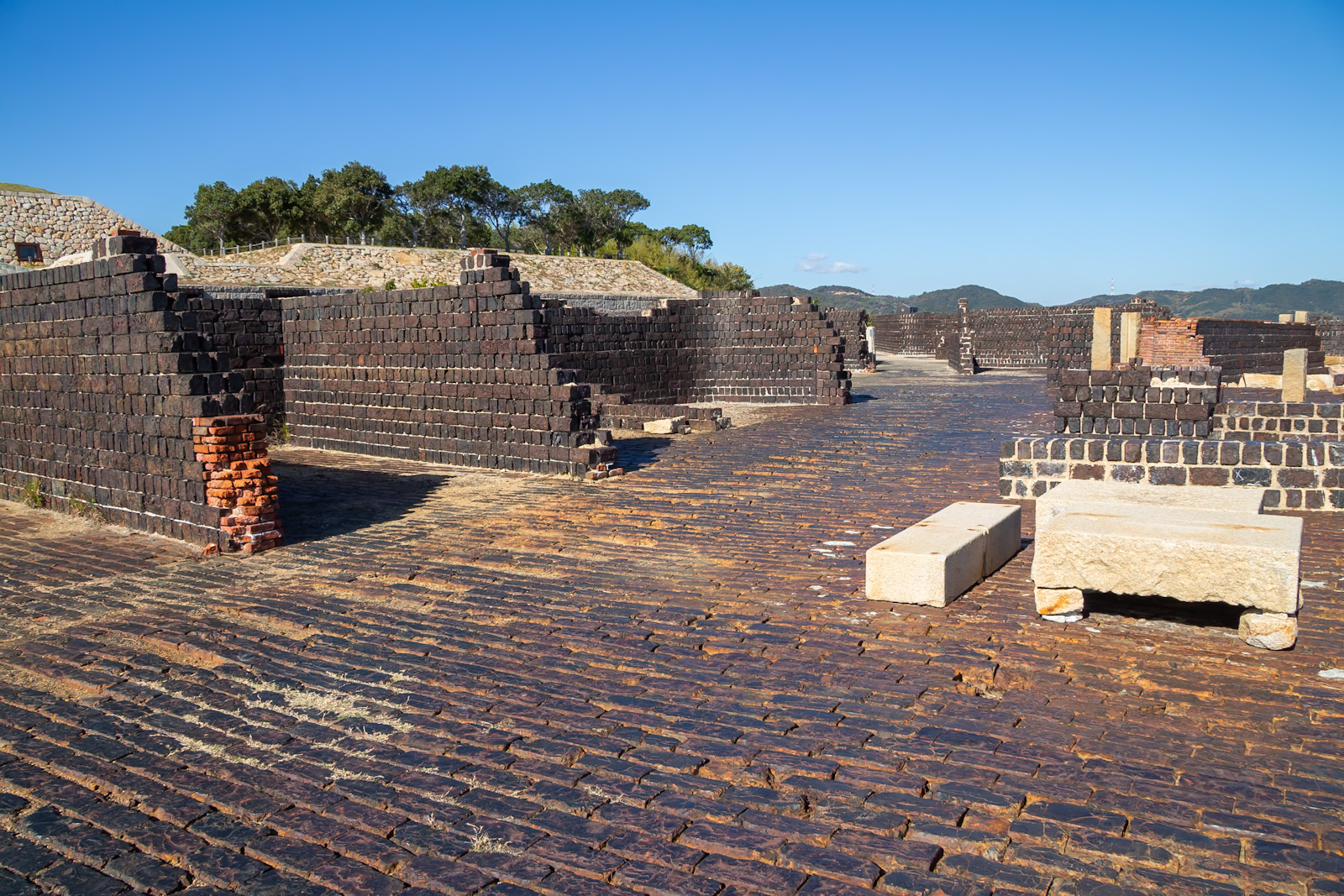
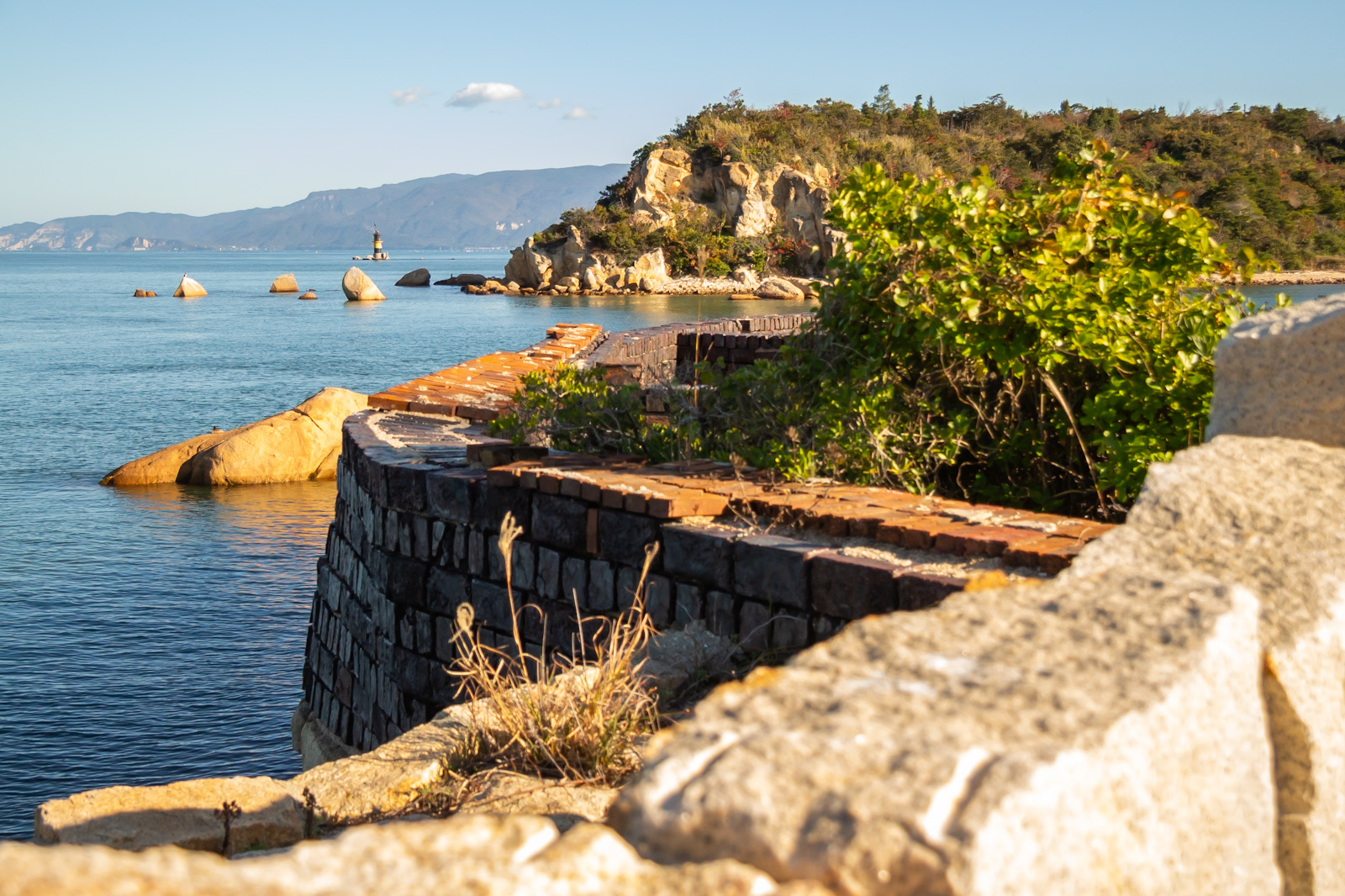
The Seirensho Art Museum gallery, incorporated into the ruins of Inujima’s former copper refinery, is located mainly underground. But to get there, you have to first pass through the black-bricked remains of the plant site that sits right on the shore of the island.
During the copper refining process, a byproduct called karami was produced. This slag, or waste, contained iron oxide and glass. It was often poured into molds to create karami bricks, which were used as building materials. It was also cooled and pulverized to create karami sand, which was sold to salt manufacturers. Thanks to its excellent heat retention properties, the sand helped to speed up the evaporation of seawater to make more salt. Some of the sand was also dumped on the island’s beaches as industrial waste.
At the entrance to the museum, a guide waits to greet you. After giving a brief introduction, they lead you with a torch into a dark tunnel of mirrors. On the other side is a tribute to Mishima Yukio, a prolific novelist who was a vocal critic of Japan’s post-war modernization. It consists of pieces of his former residence floating midair. There are other artworks on display, as well as a gift shop and a small, seasonal cafe.
Once you’re done exploring the inside of the museum, you can head back outside to see more of the refinery ruins. A path leads from the gift shop all the way to the top of the museum, from which you can enjoy spectacular views of the Seto Inland Sea. There’s also a stair pathway leading past some of the chimneys to the sites of the former smelter and power plant.
You can purchase tickets for the museum at the Inujima Ticket Center, which is just steps away from the ferry terminal. The price includes admission to the Art House Project.


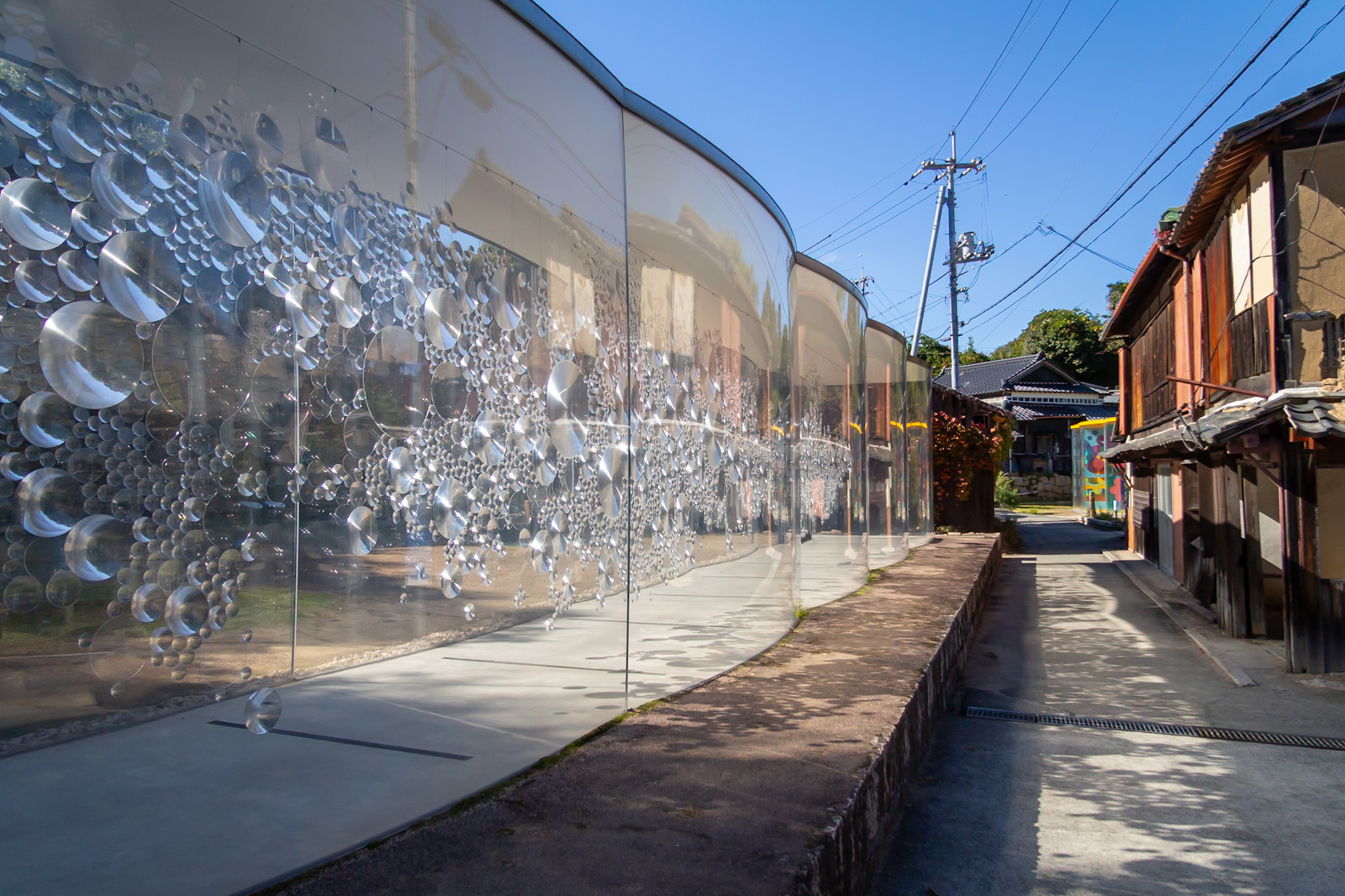
Inujima Art House Project
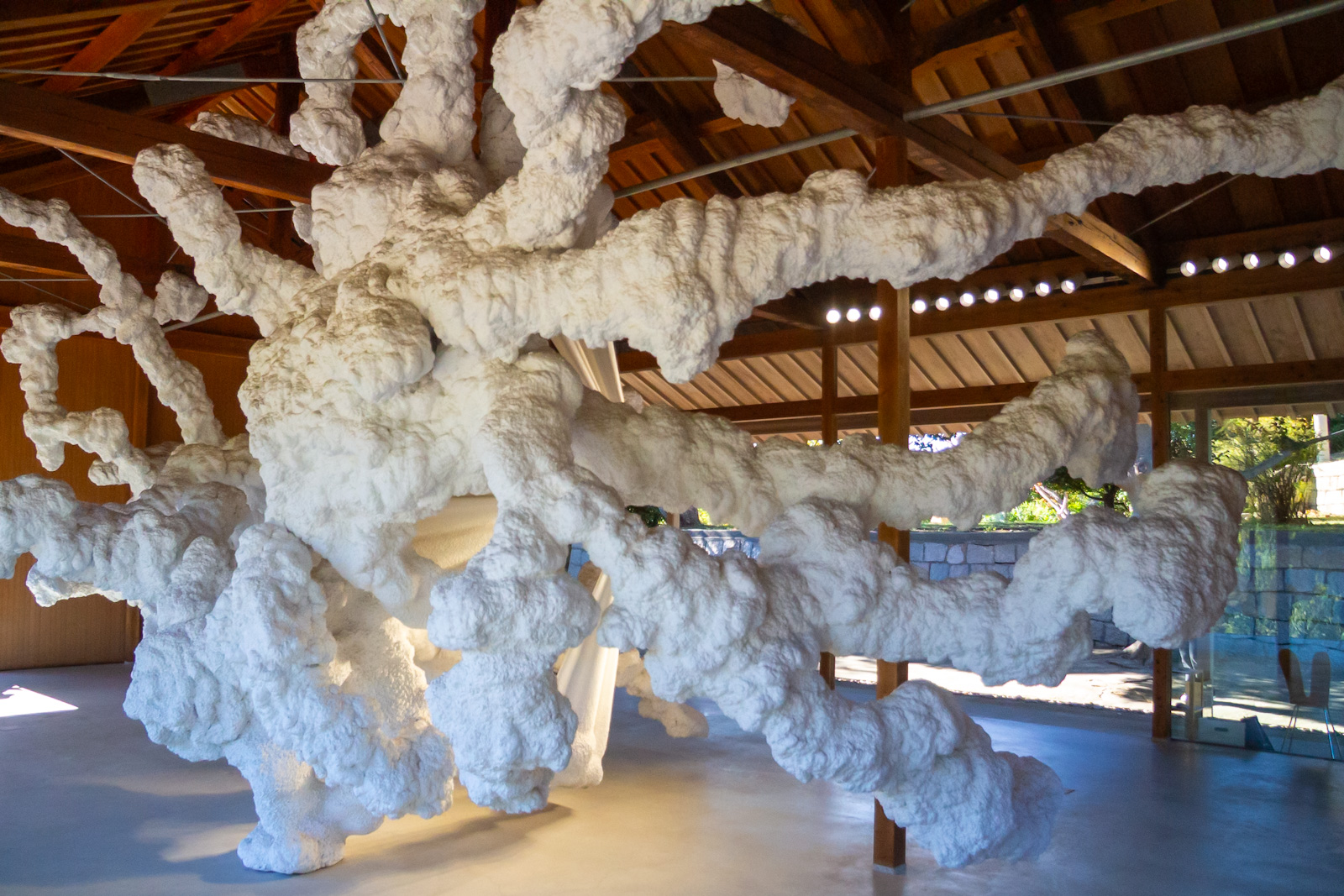
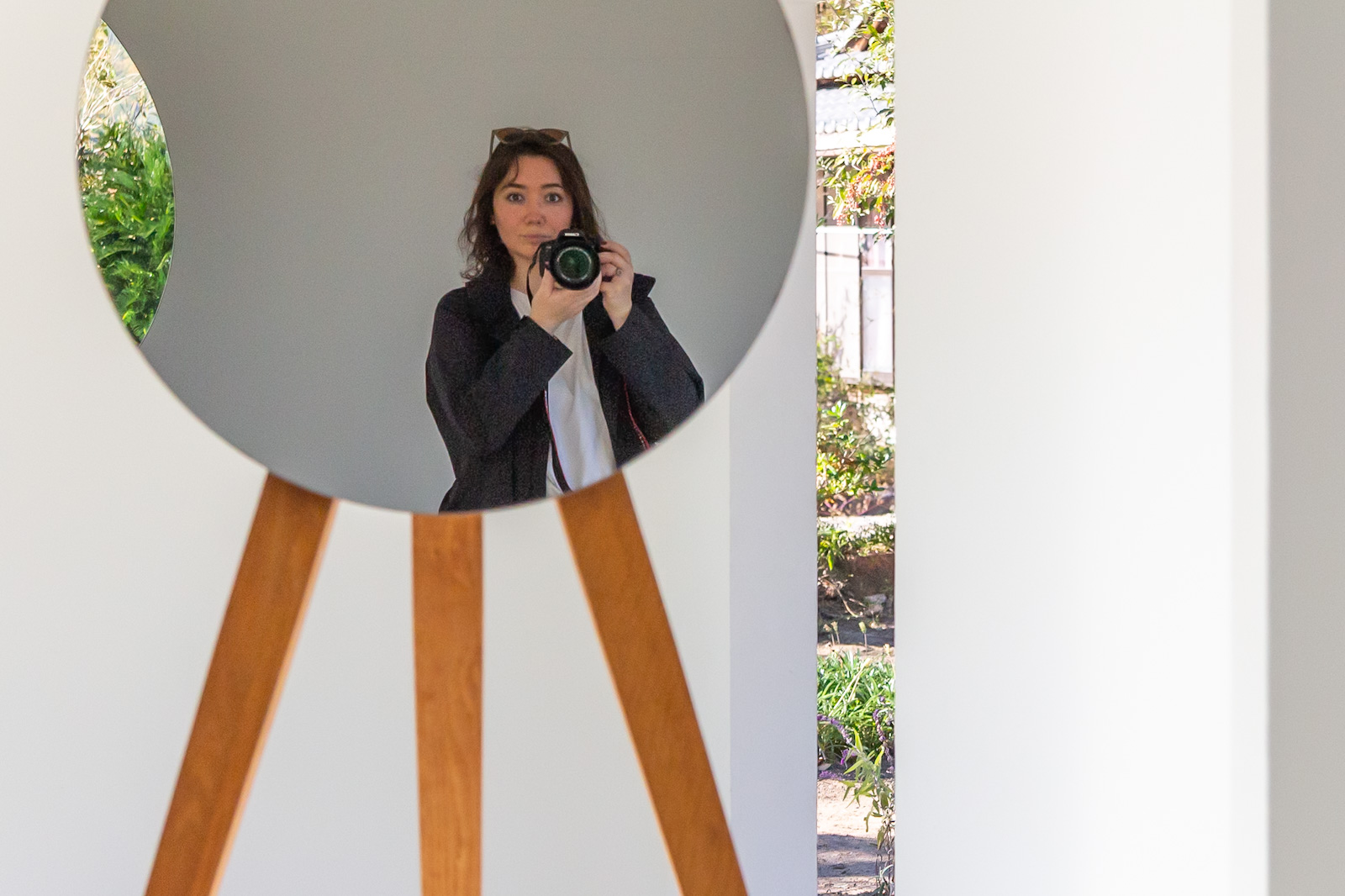
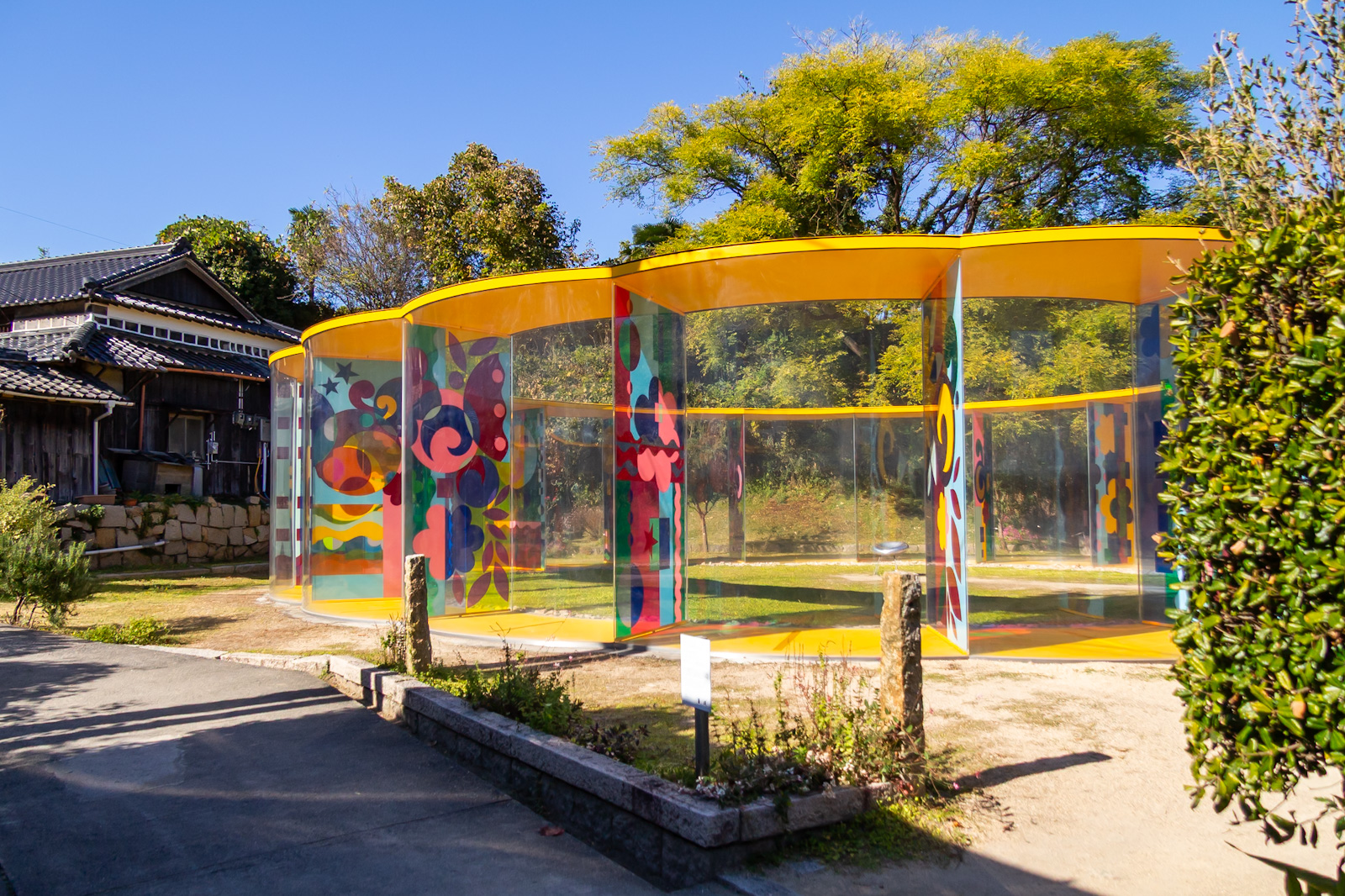
The Art House Project consists of five galleries scattered throughout Inujima’s small, peaceful village. Built for the past art festivals, they are now permanent attractions that include a smoke monster-like sculpture by Kohei Nawa, a lens installation by Haruka Kojin, and a colorful pavilion by Beatriz Milhazes.
The galleries are all within walking distance of each other and can be viewed in about 1-2 hours. You may be asked to show your ticket at some sites, so be sure to keep it on hand.
Other Art Projects
There are other art projects on the island, which don’t require tickets. The first is the Inujima Life Garden, a 4,500 sq-m botanical space that features an abandoned glass greenhouse at its center. Started in 2016, it’s a continual work in progress, shaped by the many volunteers who tend to its gardens and small cafe.
Then there’s the Inujima Art Rendezvous, which features several sculptures by Ellie Omiya. Scattered around the island, the works invite visitors to “meet up” with them and enjoy a break from walking around. New works are gradually being added to the current ones on display.
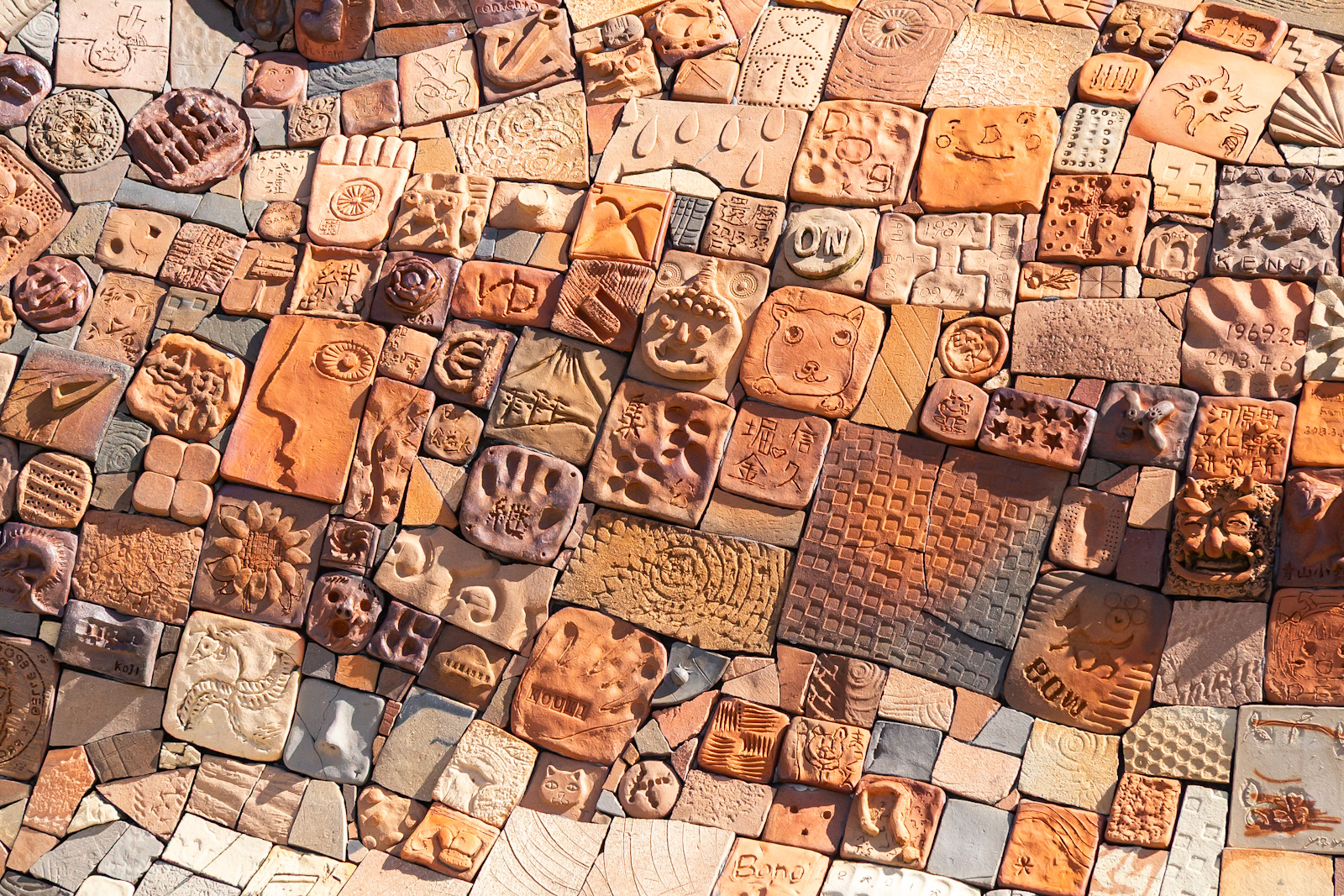
My personal favorite is the Dog House Project by sculptor Ryuzo Kawano. He spent two years creating the giant dog sculpture, which features 20,000 etched ceramic tiles.


Where to Eat, Shop, And Stay
There are no grocery stores or conbini on Inujima, and shopping is limited to the gift stores at the Ticket Center and Museum. All that walking certainly builds up an appetite, though, and so there are a few small restaurants where you can satisfy your hunger.
Inside the Inujima Ticket Center, there is a cafe that serves local dishes with gorgeous views. On a clear day, you can see as far as Shodoshima and Teshima from its windows. The food is delicious. I went for the sea bream rice, which comes with soup and a small salad. Uki Cafe, near the Art House Project, is also highly recommended, serving pasta alongside regional sodas and beers.
Accommodation options are limited to a guest house, which can be rented out, and the Inujima Nature House, which is constructed on the site of the former Inujima Elementary and Junior High Schools. There is also a campground with a swimming beach.

Getting to the Island
Traveling to Inujima can be a bit tricky, especially without a car, but with a bit of planning, you’ll be just fine. If you are already visiting Naoshima and/or Teshima, you can take a high-speed boat from either island across to Inujima. The boat departs from Naoshima, stops at Teshima, and then goes to Inujima. It runs in both directions three times a day. All the details, including times and fares, can be found here.
If you’re coming from Okayama as a day trip, which is what I did, you’ll first have to get to Hoden Port and then take a high-speed ferry across to Inujima. If you have a car, you can drive to Hoden Port. It takes about 45 minutes from central Okayama. There is no free parking at the port, though, so you’ll have to use a paid lot.
If you’re using public transport, there is a special direct bus called Ryobi that runs from Okayama Station to Hoden Port and back. After stopping at Tenmaya (where you can also board), it’s a non-stop 50-min ride to Hoden Port. Once you get to the port, it’s just a five-minute walk from the bus stop to the dock, with signs to guide you. When the ferry arrives, you can purchase a ticket from the staff before boarding. After 10 minutes, you’ll arrive at Inujima. (On the way back, you’ll board the ferry first, and then pay when you get off.)
The only problem with this route is that the bus only runs four times a day. The earliest departure is 9:52, which means you’ll only get to Hoden Port by 10:45. The next boat to Inujima leaves at 11:00 and takes 10 minutes. So by the time you get there, it’ll already be 11:10. If you plan on taking the same route back, you’ve gotta take the 15:35 or 17:15 boat back to Hoden Port to catch the 16:05 or 17:45 bus back to Okayama Station. That leaves just 4-6 hours to explore the island, even less if you plan on stopping for lunch.
It’s completely doable, though. You just have to keep an eye on the time, and be sure to check the ferry and bus schedules before your trip, as they are subject to change. The last thing you want is to get stuck at Hoden Port—the nearest major train station, Saidaiji, is a 2.5-hour walk away. It’s probably a good idea to keep the number for a local taxi on hand just in case. That being said, I had no issues getting to and from the island using this route.
It feels as if everywhere you turn on Inujima, there’s something new to discover, from sculptures and art installations, to gorgeous town- and seascape scenery, to crumbling ruins. The island is often overlooked in favor of its bigger, more famous counterparts, but that’s part of its charm; it offers a unique experience away from the crowds that will leave you reminiscing long after you’ve come and gone.


Ticket Prices
Ryobi Bus (Okayama Station-Hoden Port/Hoden Port-Okayama Station): 880 yen each way
Inujima Ferry (Hoden Port-Inujima/Inujima-Hoden Port): 400 yen each way
Seirensho Art Museum incl. Art House Project: 2100 yen online or 2,300 yen on-site
Inujima is managed by Benesse Art House Naoshima. For more information, visit the website.
All the places mentioned in this article are pinned on the map below.
This article is featured on GPSmyCity. To download it for offline reading, or create a self-guided walking tour to visit the attractions highlighted, go to Walking Tours and Articles in Okayama.

1 Comment
Join the discussion and tell us your opinion.
Awesome photos, great information