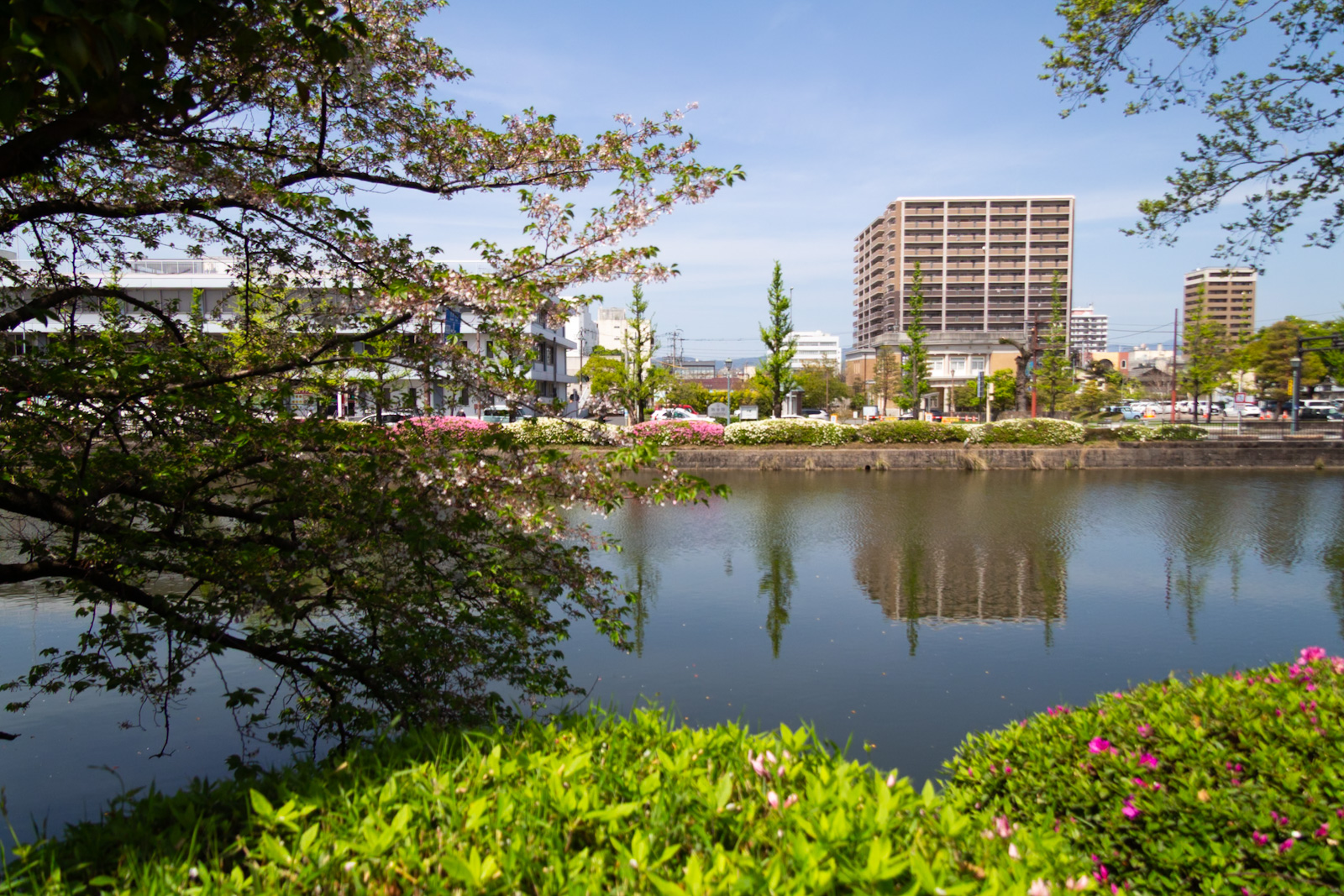
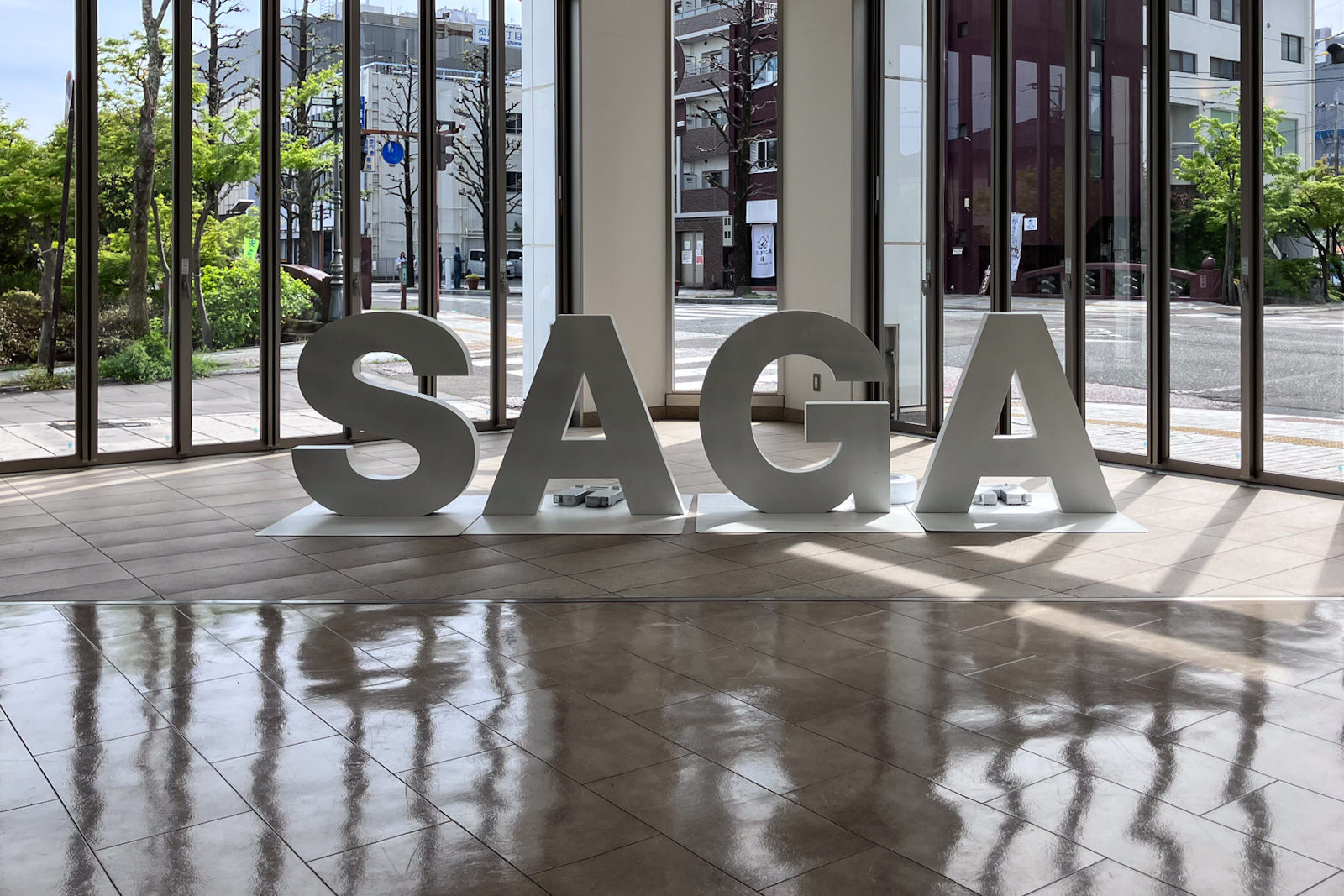
Even though I lived in Kyushu for four years, I only ever spent time in Saga once. It was for the International Balloon Fiesta, which I decided to attend with a friend on a whim. Our lack of planning meant we left without seeing much more than the festival grounds. So, when I recently read about a porcelain town called Arita not too far from the city, I decided to go back and discover more of Kyushu’s smallest prefecture. And I’m so glad I did—Saga in spring is one of the most beautiful places I’ve ever seen in Japan.
This article is featured on GPSmyCity. To download it for offline reading or create a self-guided walking tour of the highlighted attractions, go to Walking Tours and Articles in Saga.
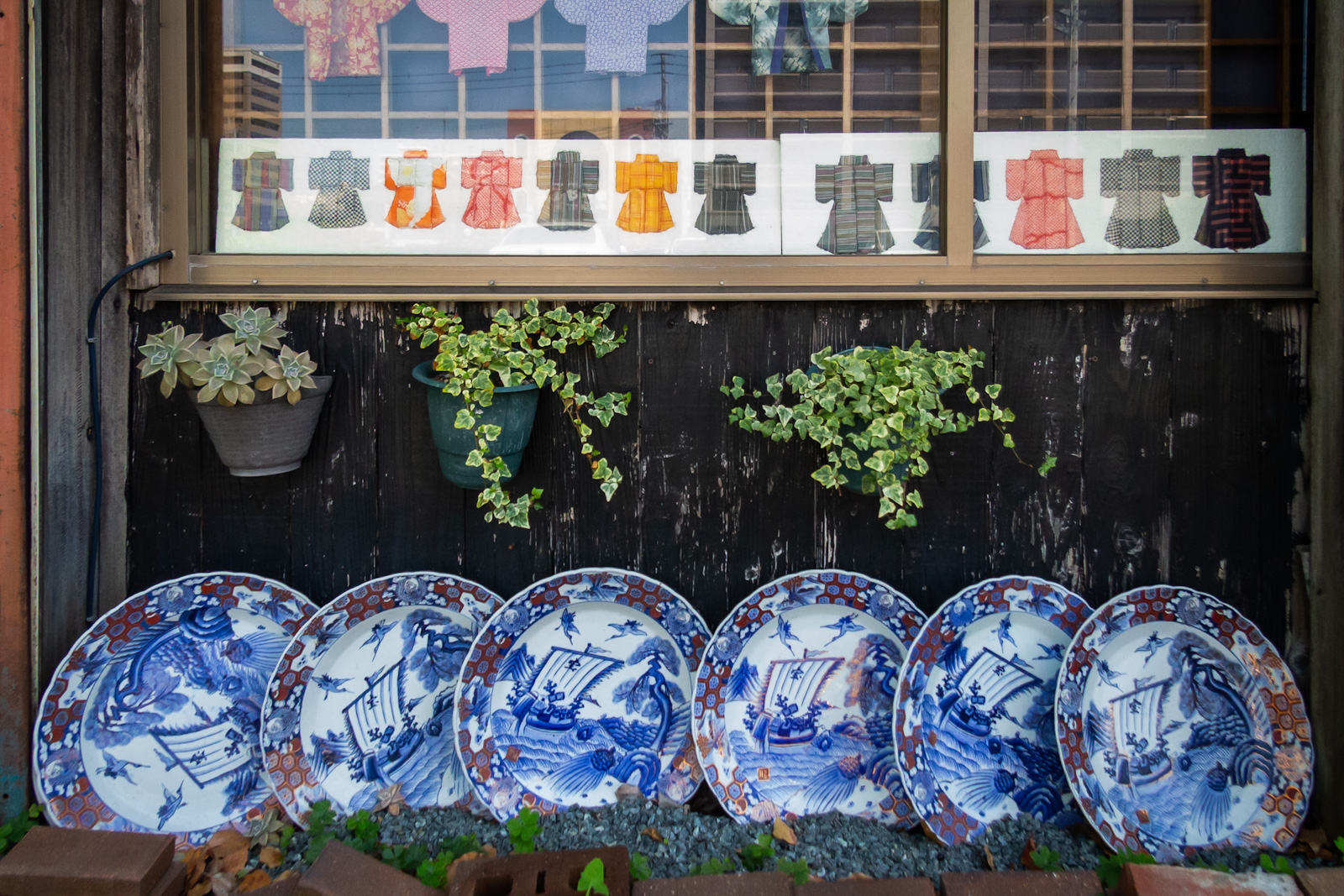
Saga City, the capital of Saga Prefecture, was a castle town ruled by the Nabeshima Clan during the Edo Period (1603–1868). Near Nagasaki, it was responsible for protecting the only trading port at the time, leading to unique access to Western technology and modernization. The first furnaces for producing weapons were built here, which were important for Japan’s industrial growth. At the same time, kaolin stone was found, starting a long history of porcelain production in the prefecture.
Today, Saga is still known for its porcelain, but also for hosting the annual International Balloon Fiesta, which started in 1980. The competition has grown into one of the biggest ballooning events in the world, attracting hundreds of thousands of visitors every year. And yet, despite this, Saga City remains relatively far off the beaten path. But this is a good thing; the city’s quiet streets, perfectly walkable and picturesque, are the ideal place to disappear to for a day of exploring away from the crowds.
Saga Prefectural Art Museum
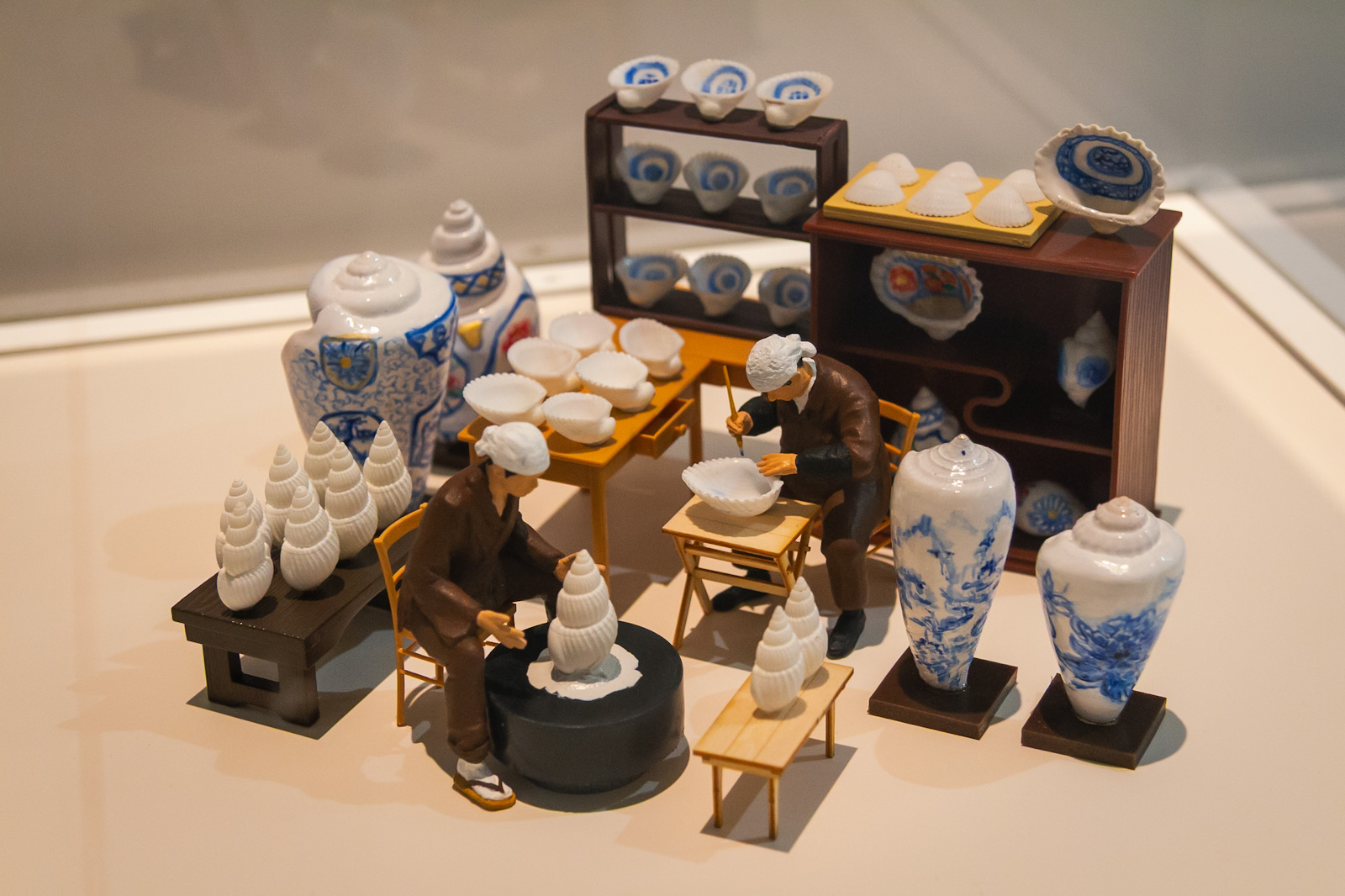
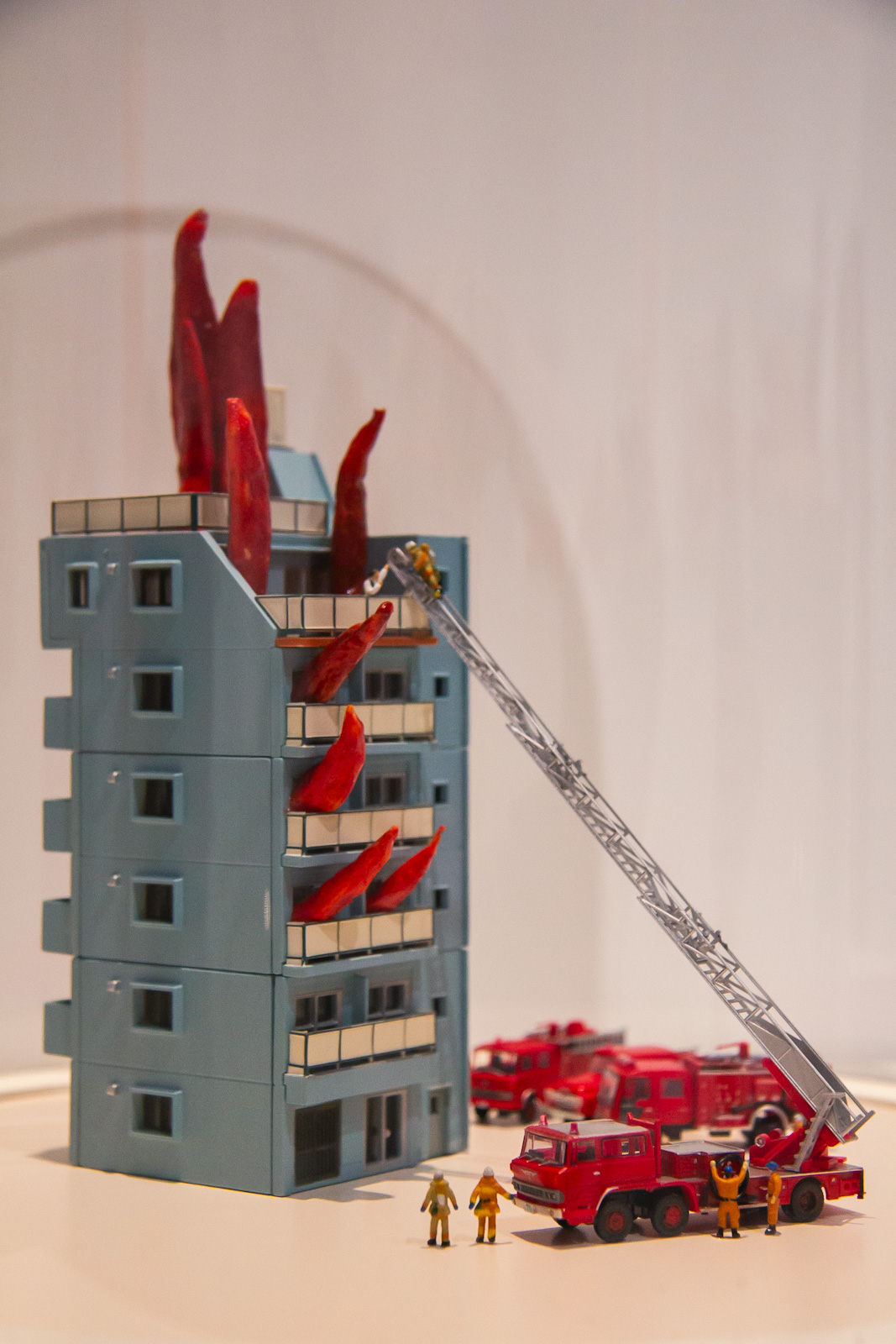
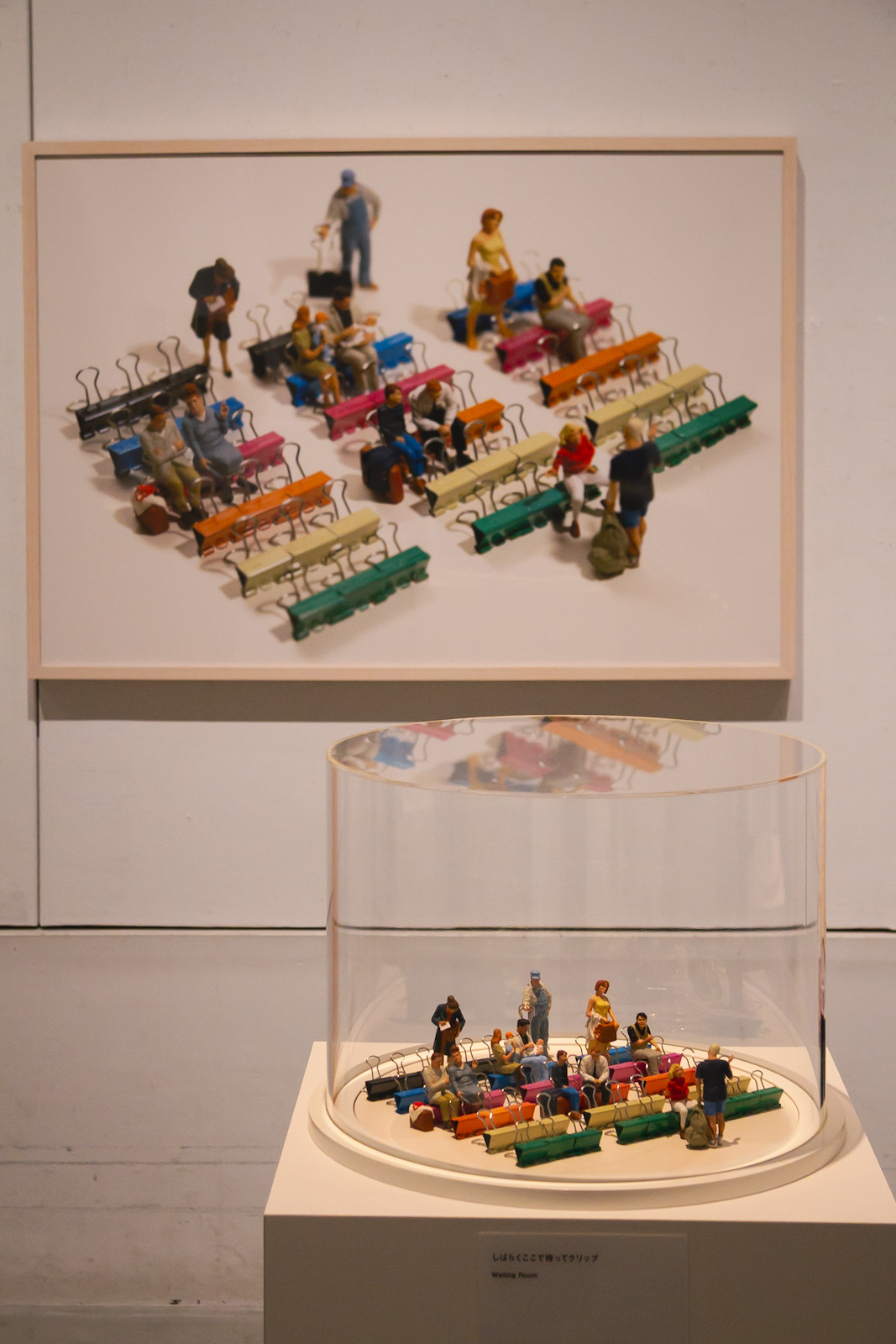
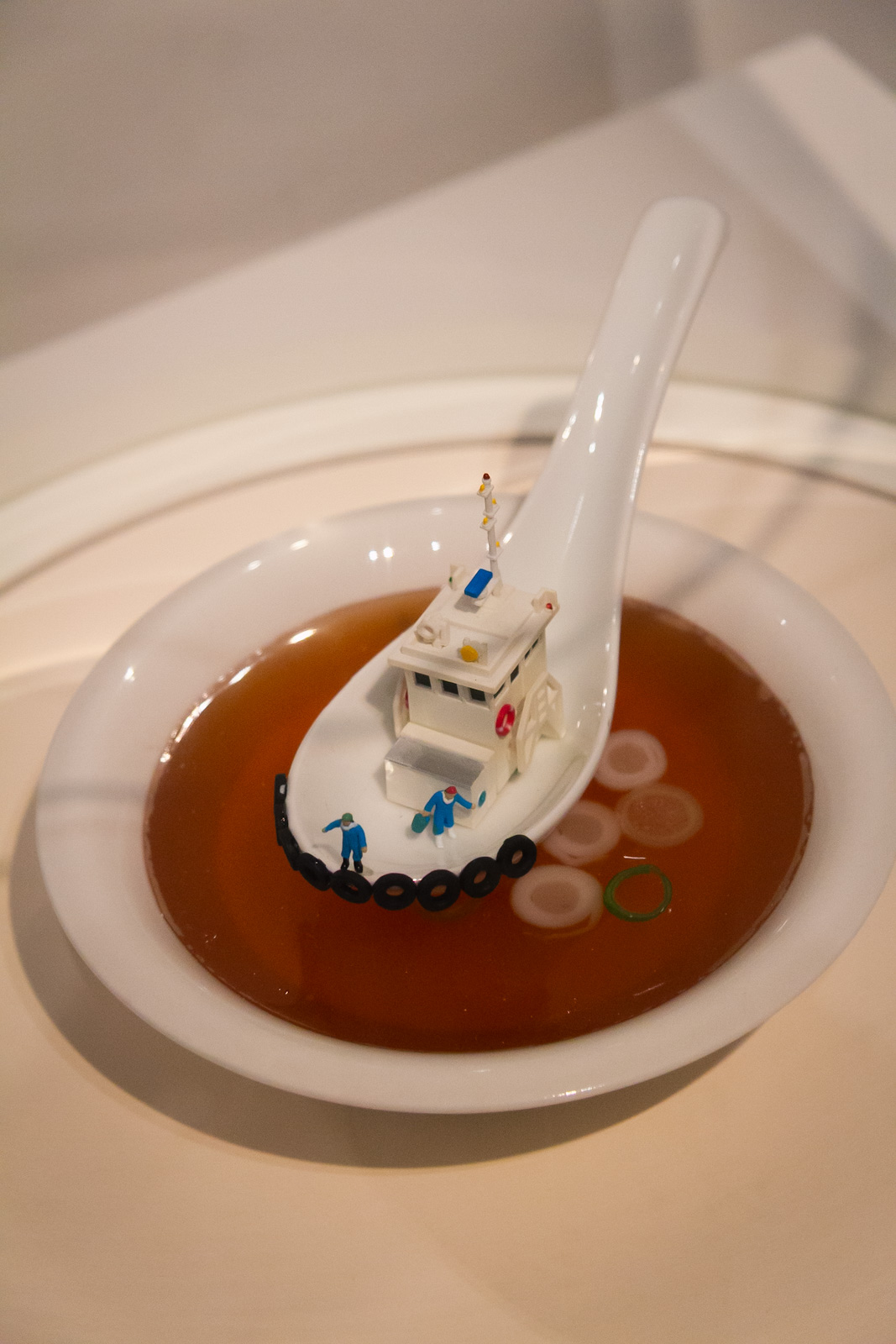
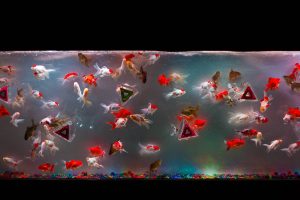
Arita wasn’t the only draw for me; Tatsuya Tanaka was holding a second Miniature Life exhibition in Saga City, and I had had such a good time at the first one in Mojiko that I was keen to go again. That’s where my walking tour of the city began.
From JR Saga Station, it’s about a 30-minute stroll down to the Saga Prefectural Art Museum. You can also take a bus, but the weather was so lovely, and I wanted to enjoy the trees. Saga City has so many trees! The art museum, which includes sculptures, paintings, and crafts related to Saga, is attached to the Saga Prefectural Museum, and both are free to enter. Of course, for special exhibitions, like Miniature Life II, you have to buy a separate ticket.
The exhibition did not disappoint. In fact, I think I enjoyed it even more than the first one. But it was a bit smaller, so I was done in two hours. I had read somewhere that there was a sculpture garden behind the museum, and so I headed over to check it out.

Saga Art Path
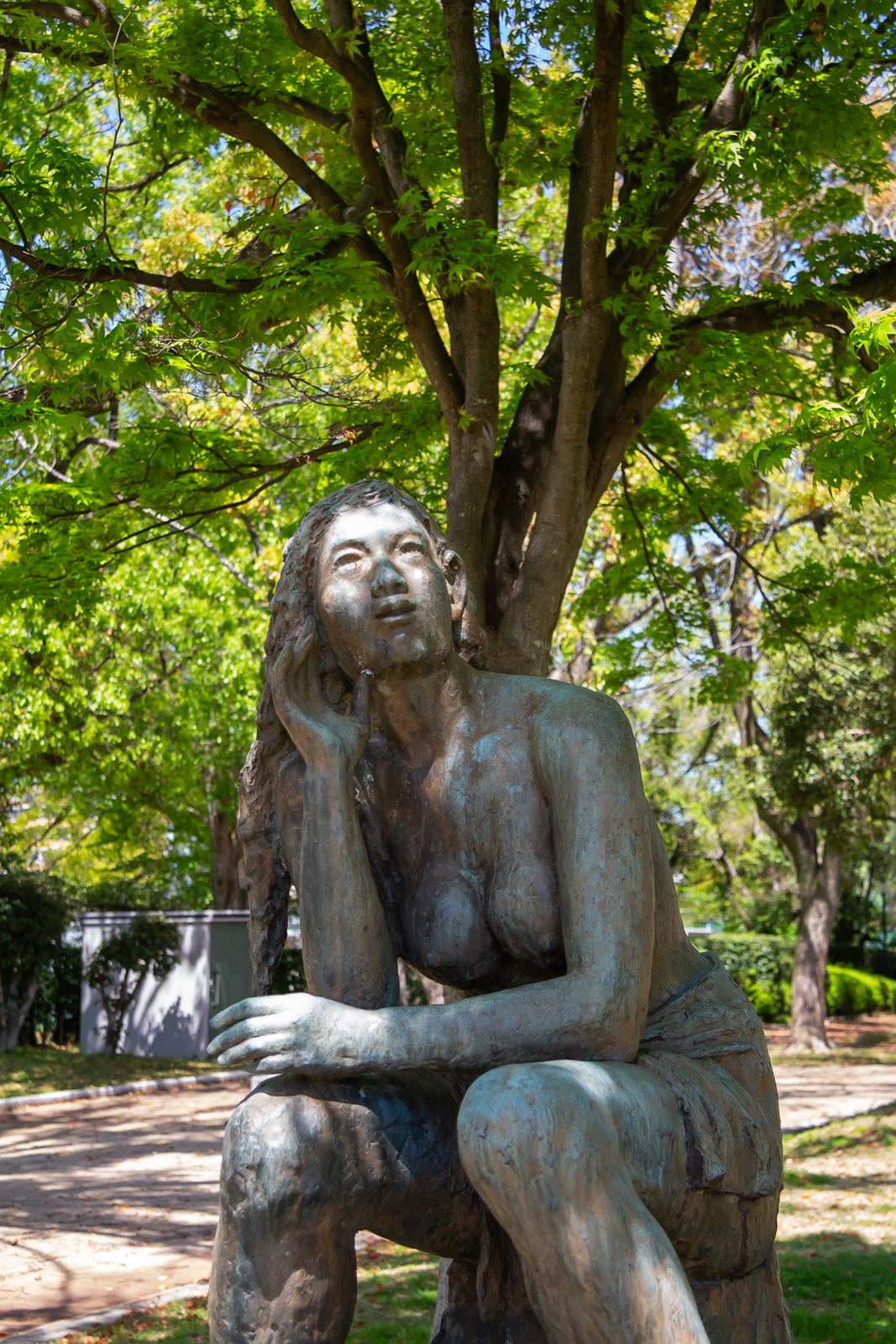
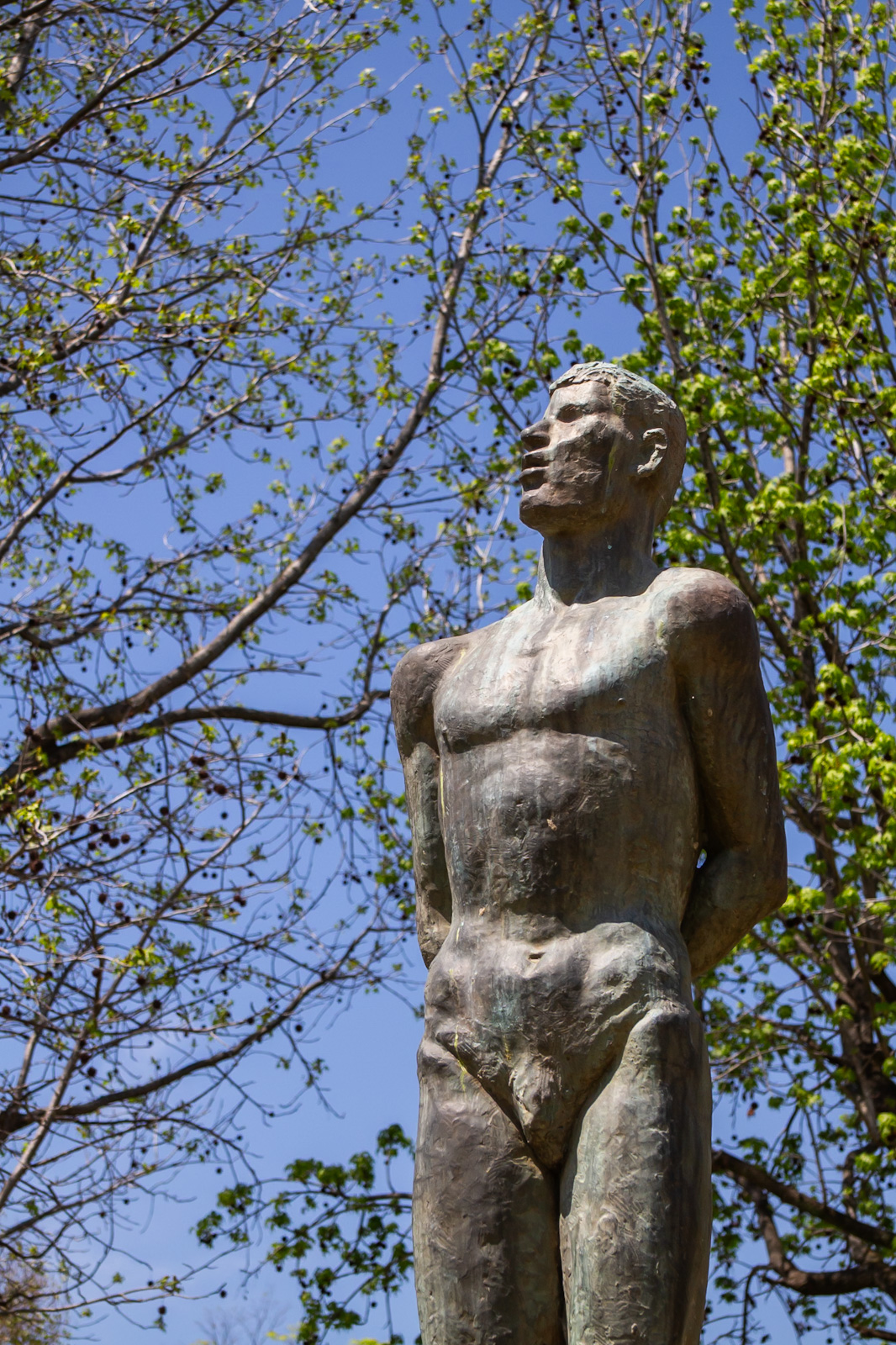
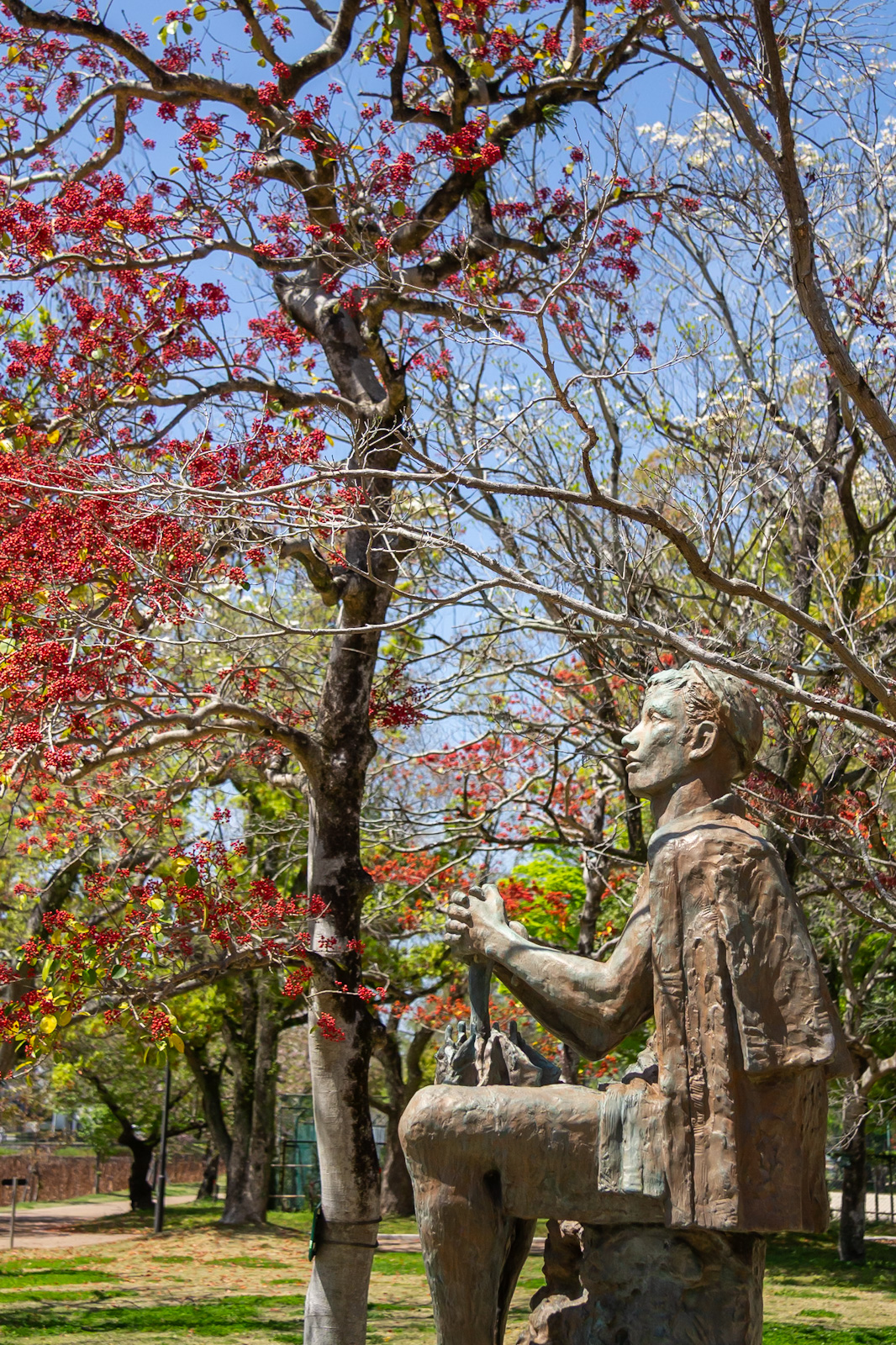
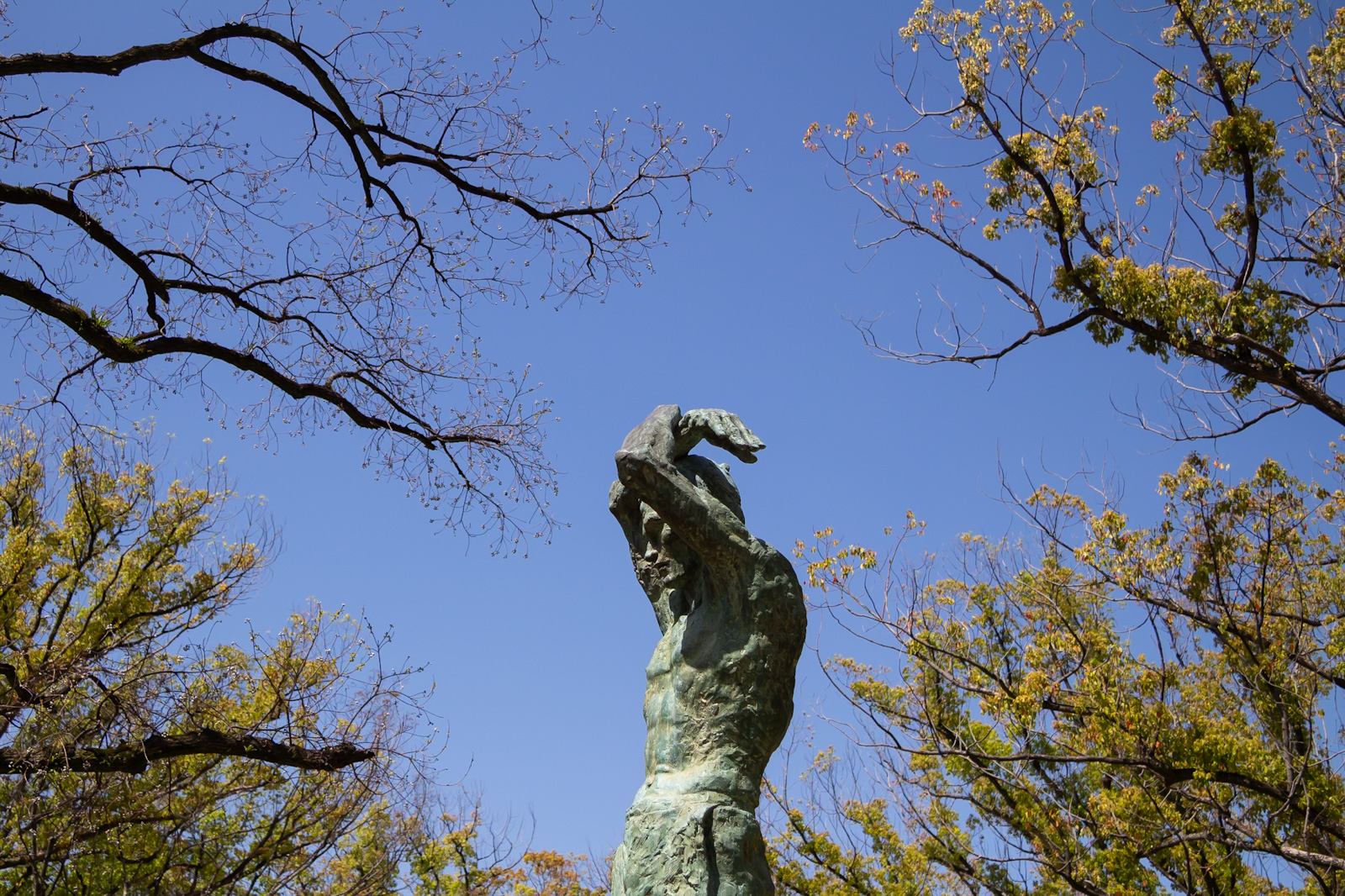
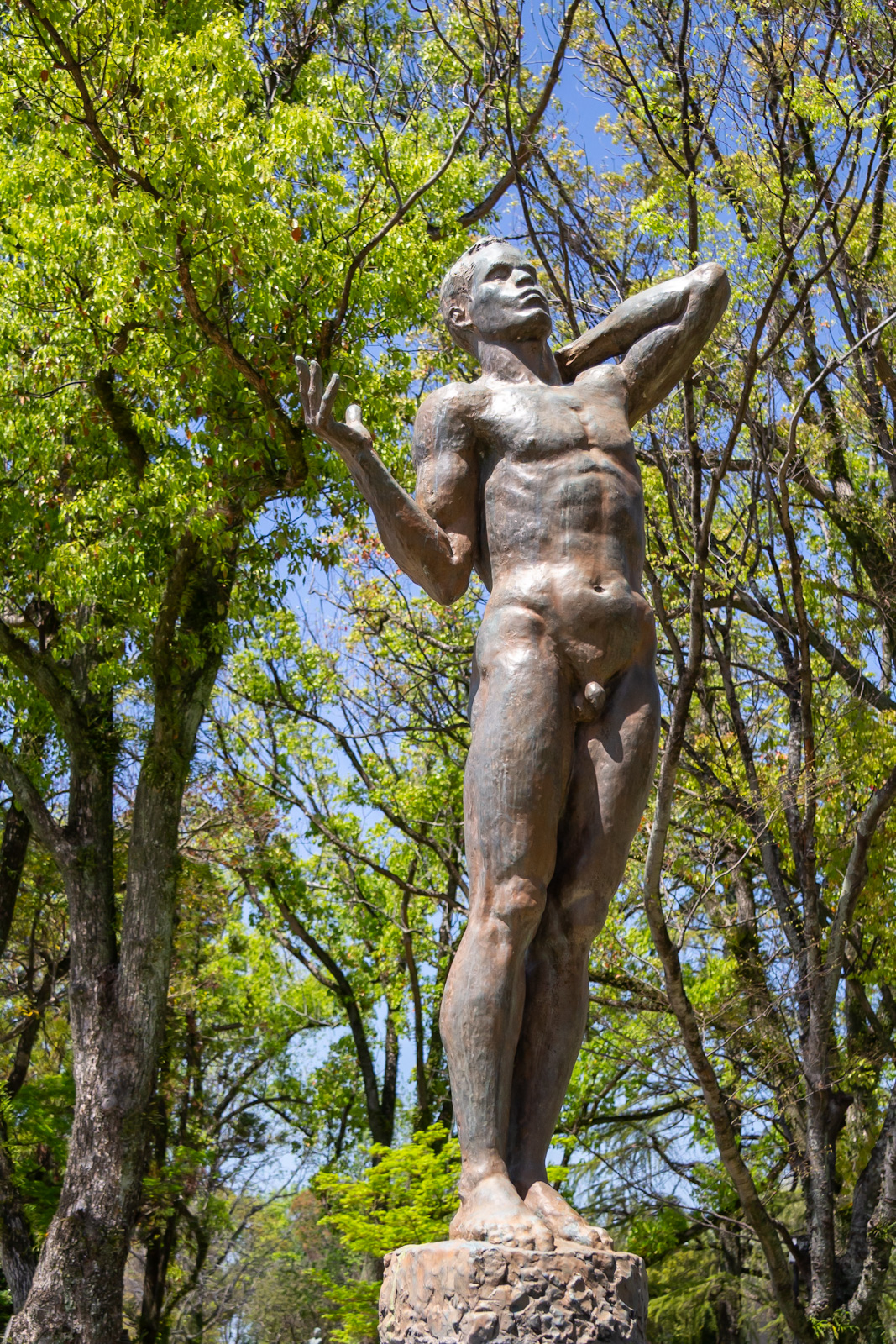
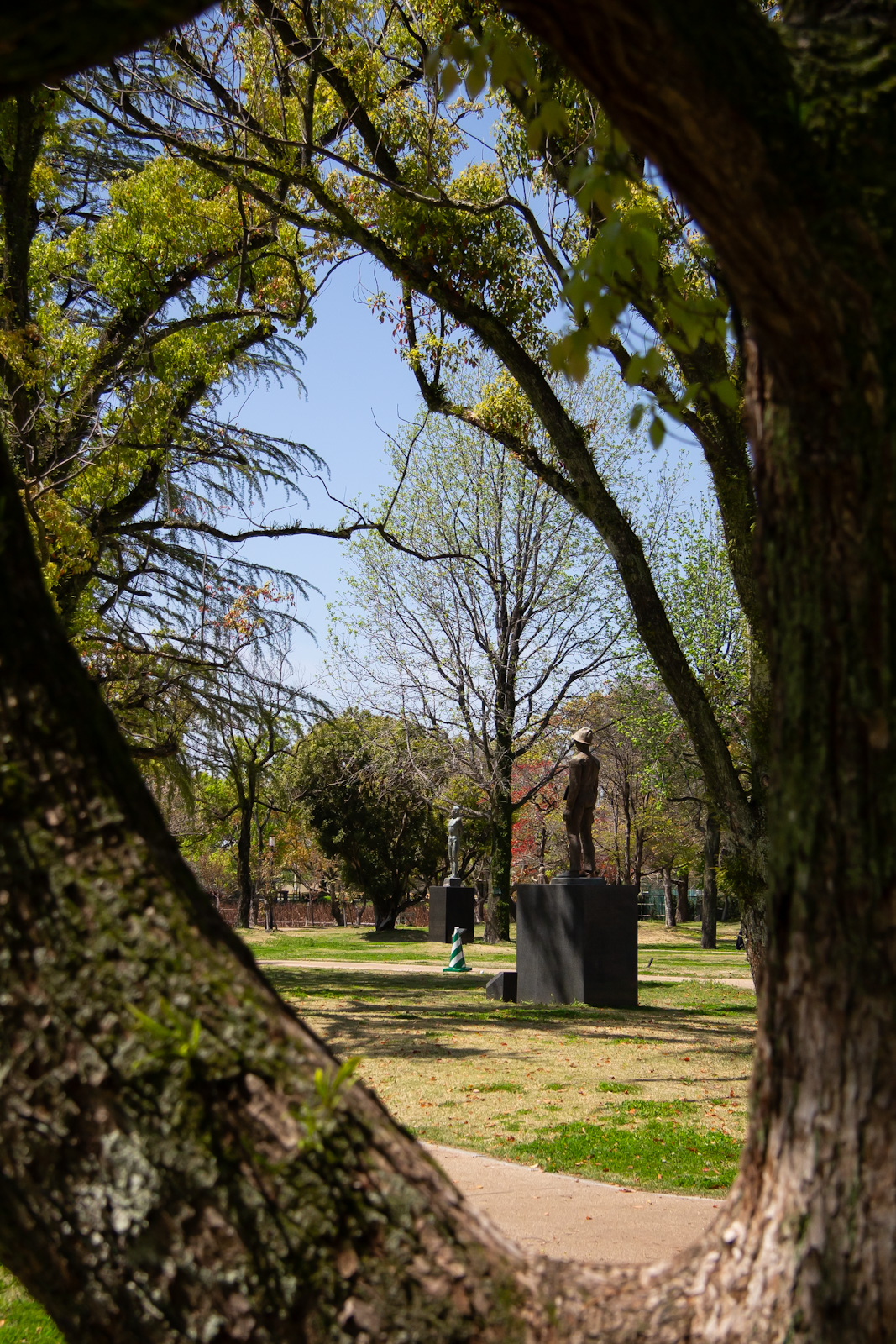
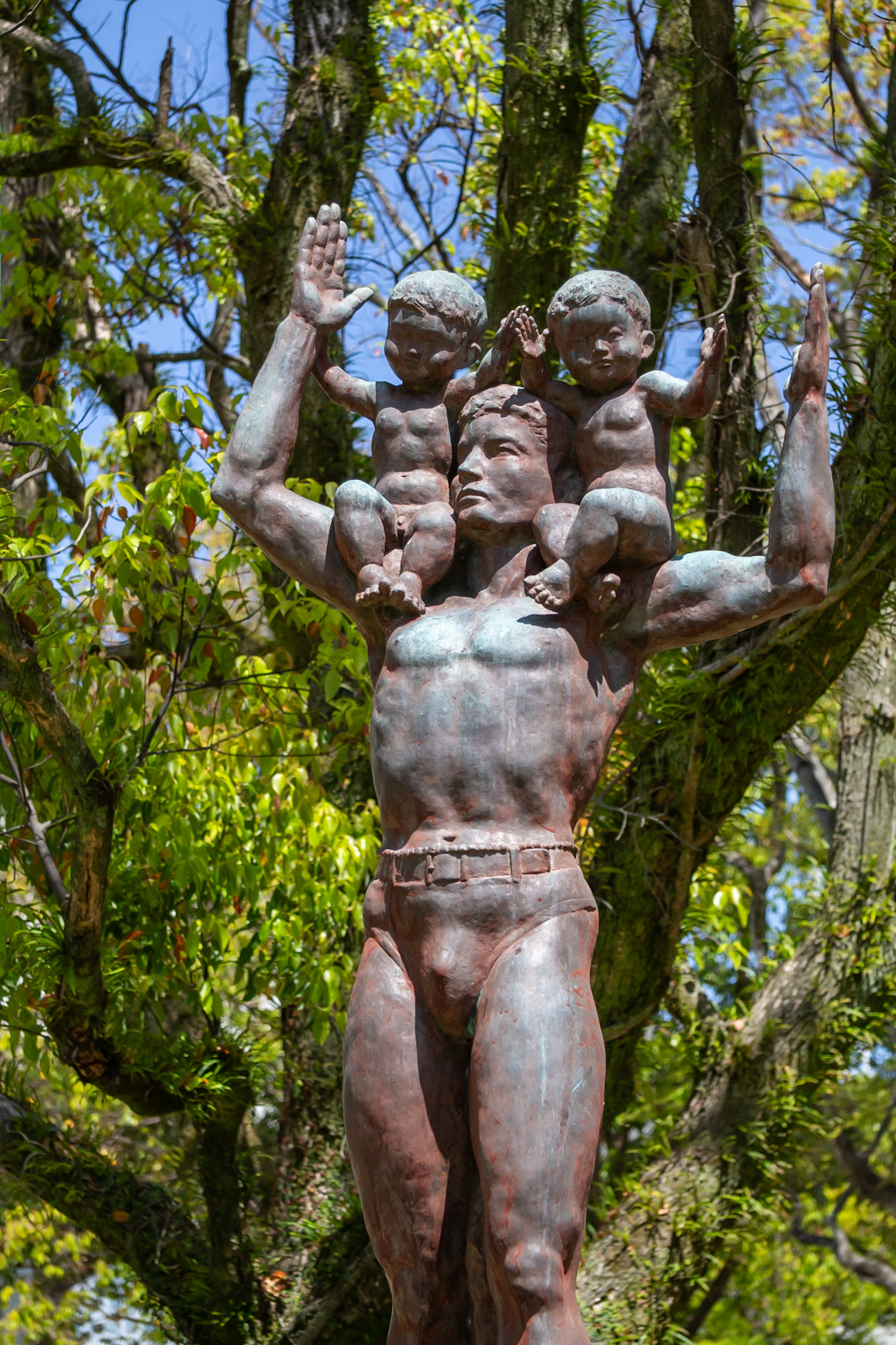
Koga Tadao (1903–1979), born in Saga City and later with a studio in Tokyo, was a pioneer of sculpture in Saga Prefecture. After graduating from Arita Industrial School, he studied at the Tokyo School of Fine Arts. While still a student, his work “Buddha’s Heart” was selected for the 10th Imperial Exhibition (renamed the Nitten Exhibition after the war). He later served as a member, judge, and advisor for the Nitten Exhibition and became chairman of the Japan Sculpture Association.
Following his passing, Koga’s family donated 232 of his works to the Saga Prefectural Museum. Of those, 26 are exhibited outdoors in the Koga Tadao Sculpture Garden, which became a beloved spot among locals. In 2023, it was renamed the Saga Art Path.
I was pretty hungry by this point, so I decided to try the small restaurant inside the museum. Cafe Tres is part of a collection owned and run by the Saga-based Third Place. The group aims to create a “third place,” where people can congregate outside of home and work while promoting local organic products. Not only is the food delicious, but there’s also a small shop attached with some of the products available to take home.
Saga Castle Park
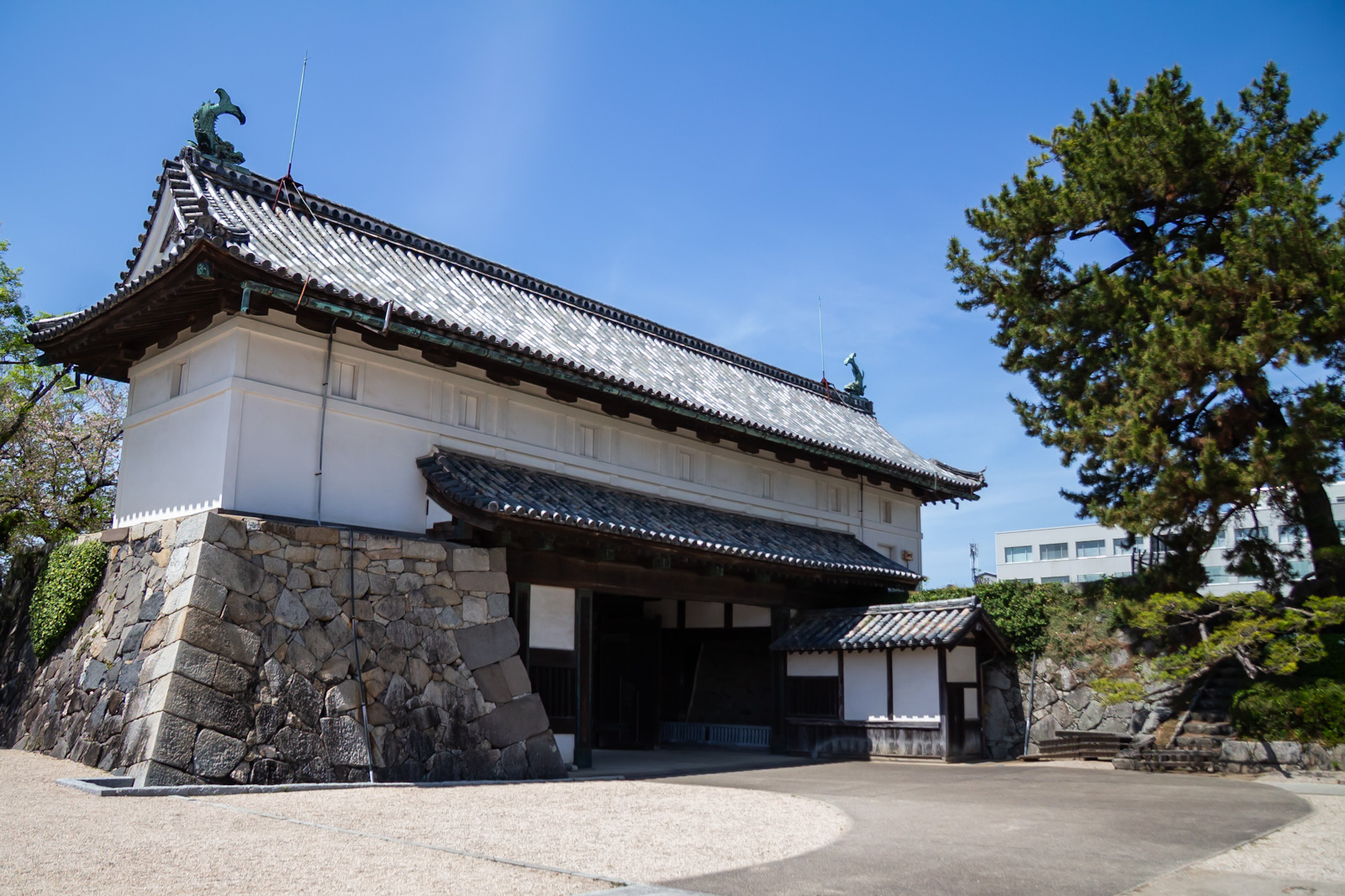
Just across the street from the art museum is the Saga Castle Park. Originally built in the early 1600s, Saga Castle was a stronghold for the Nabeshima clan. Known as a “sunken castle” for its low-profile, flatland design, it was destroyed in the 1874 Saga Rebellion and later rebuilt as what is now the Saga Castle History Museum. Inside, you can learn about the castle and the restoration process of the main palace. The 2,500 square-meter wooden reconstruction is one of the largest in Japan.
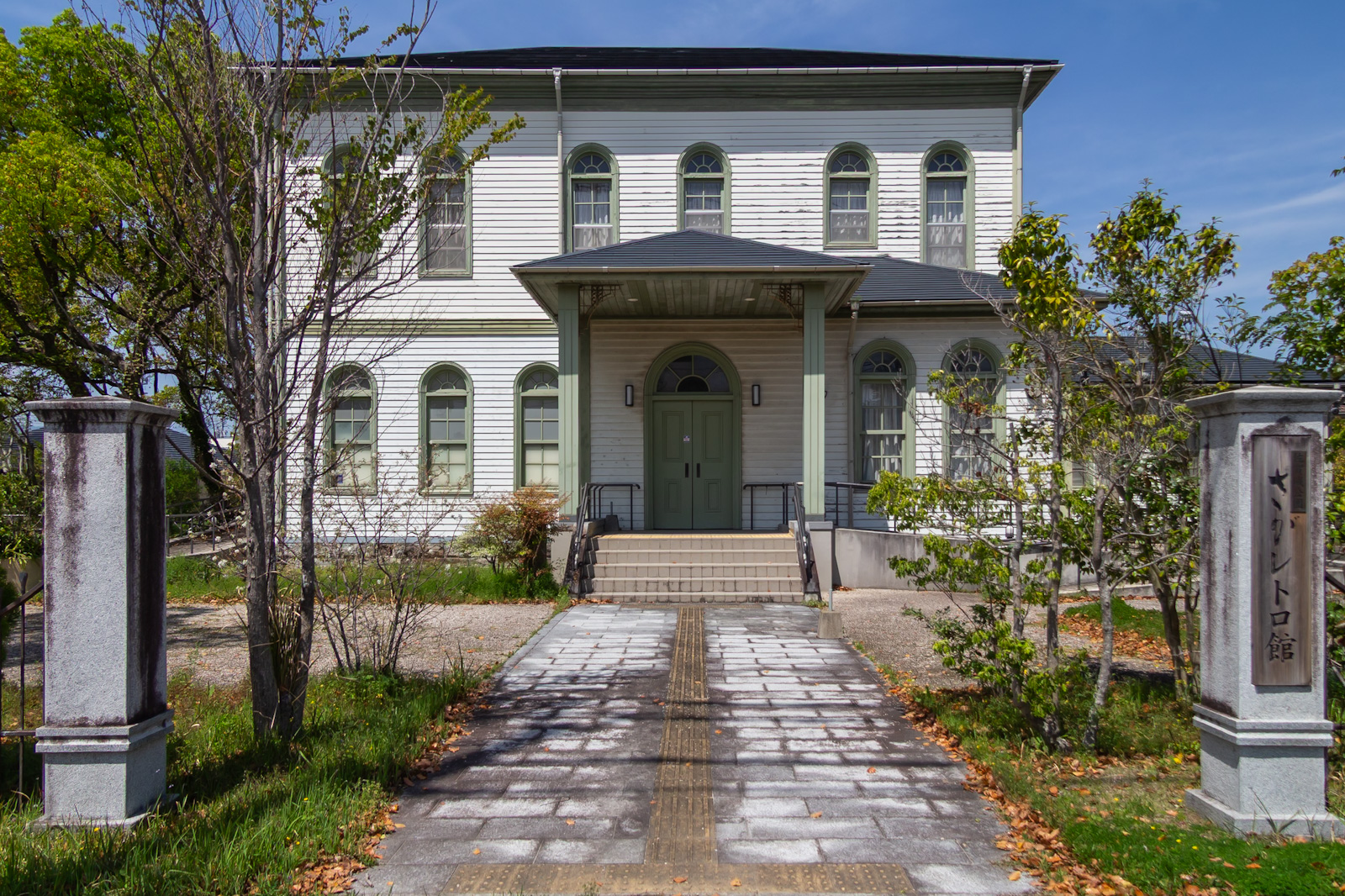
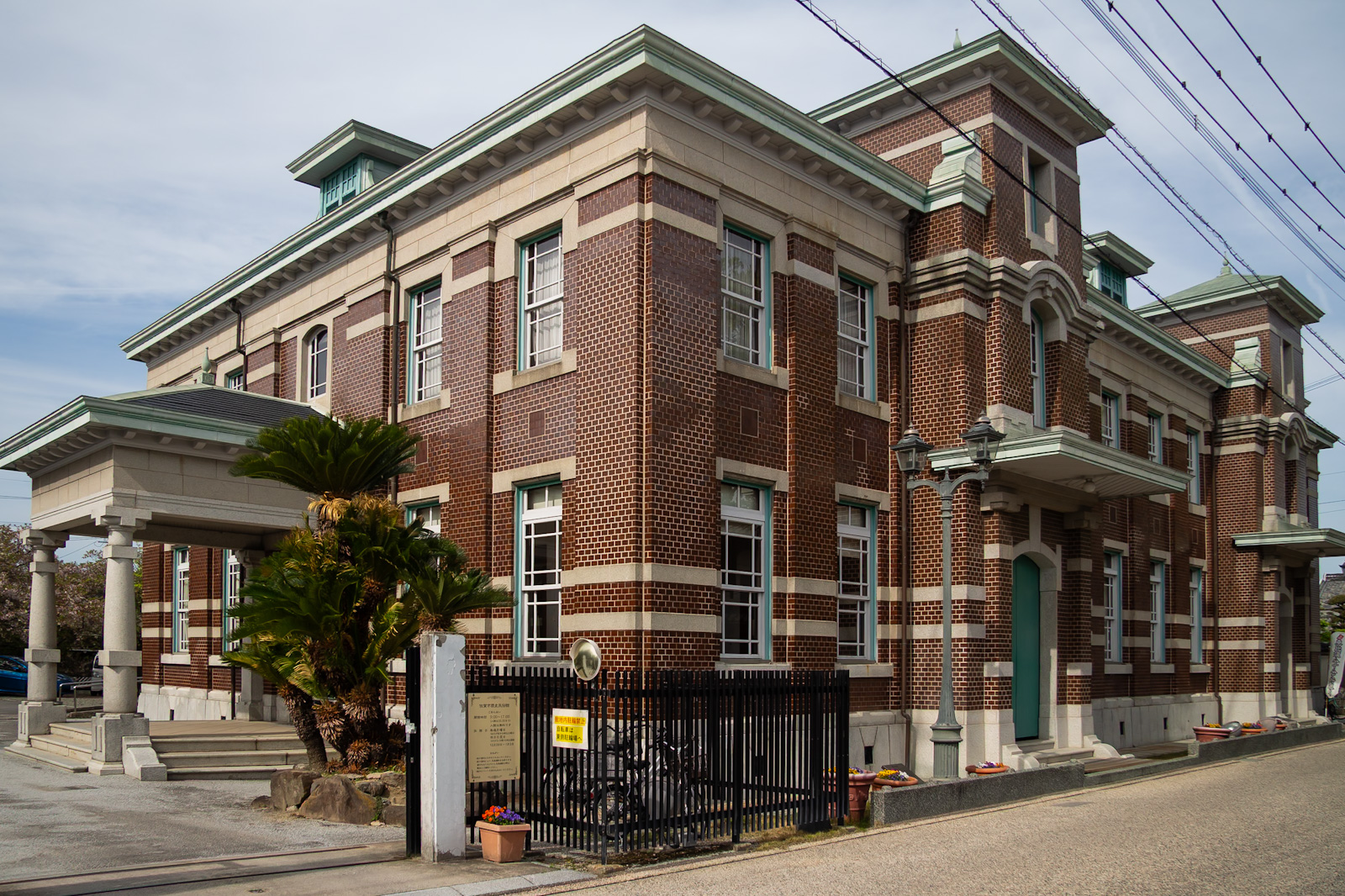
A building across the street from the castle ruins caught my eye; the western-style architecture looked out of place. As it turns out, it was constructed in 1887 as the police headquarters near the current main building of the Saga Prefectural Government, and then moved to its current location in 1936 when the police headquarters was rebuilt. It then became the Saga Retro Museum, but it appears to have closed down.
Kokorozashi no Mori Park
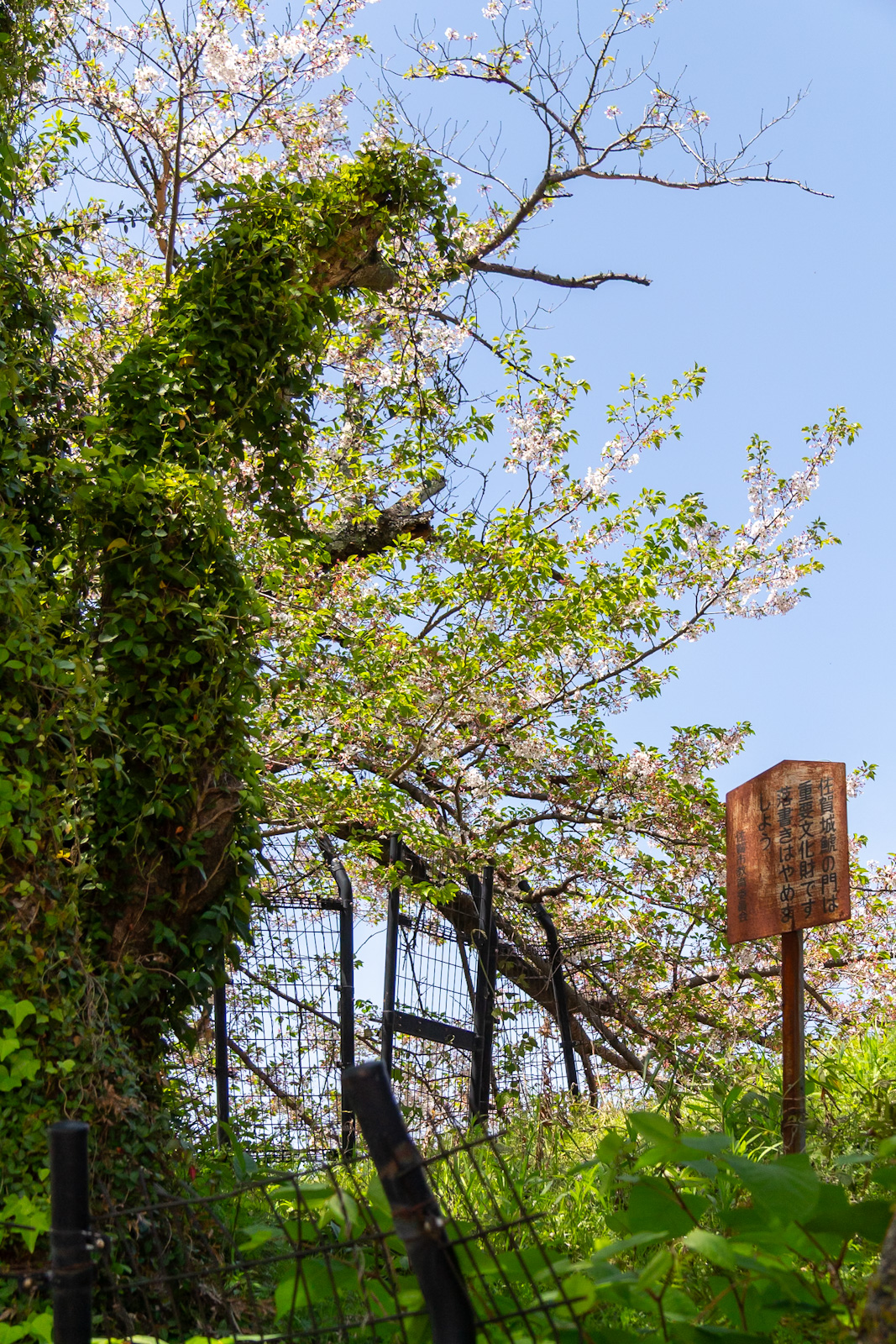
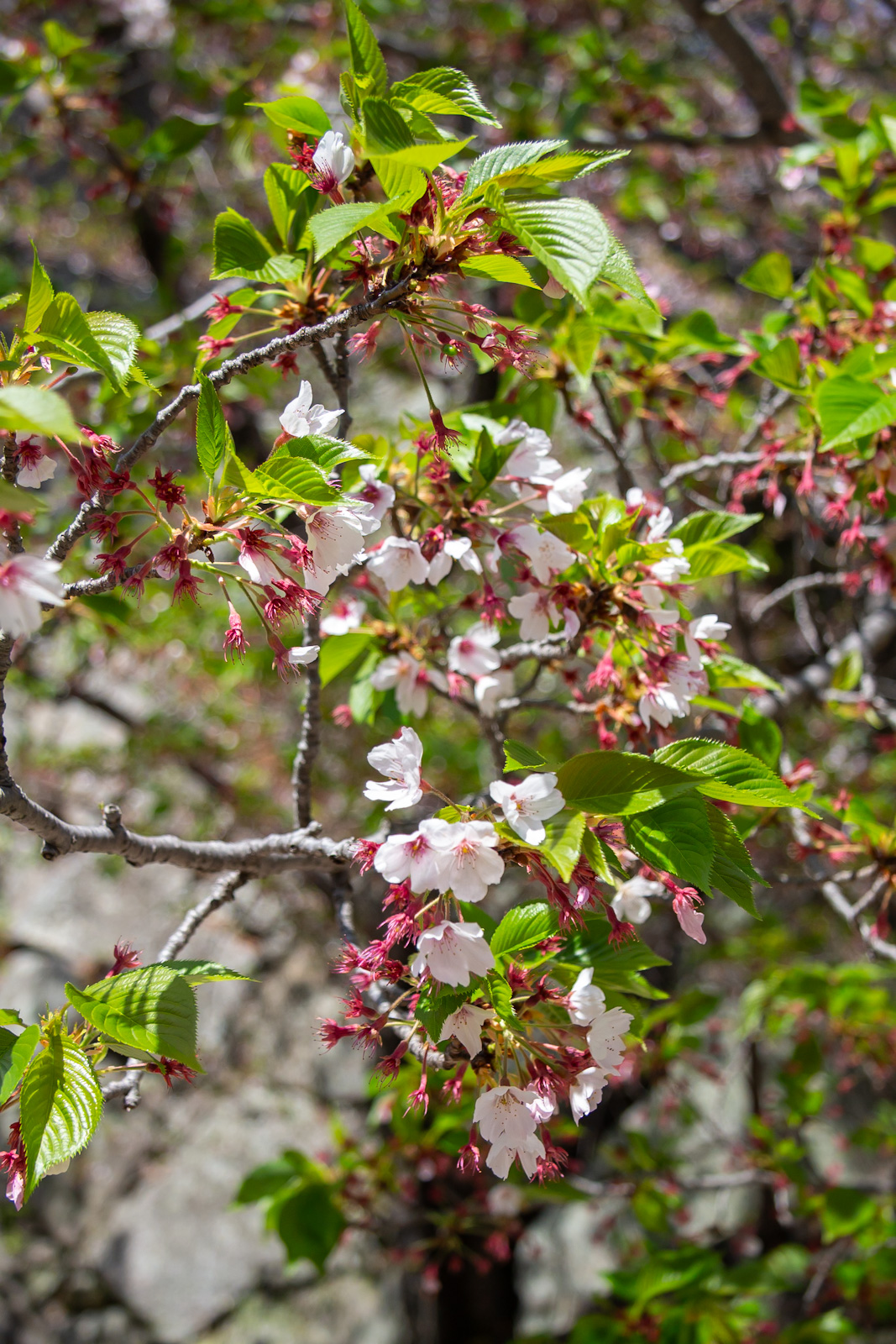
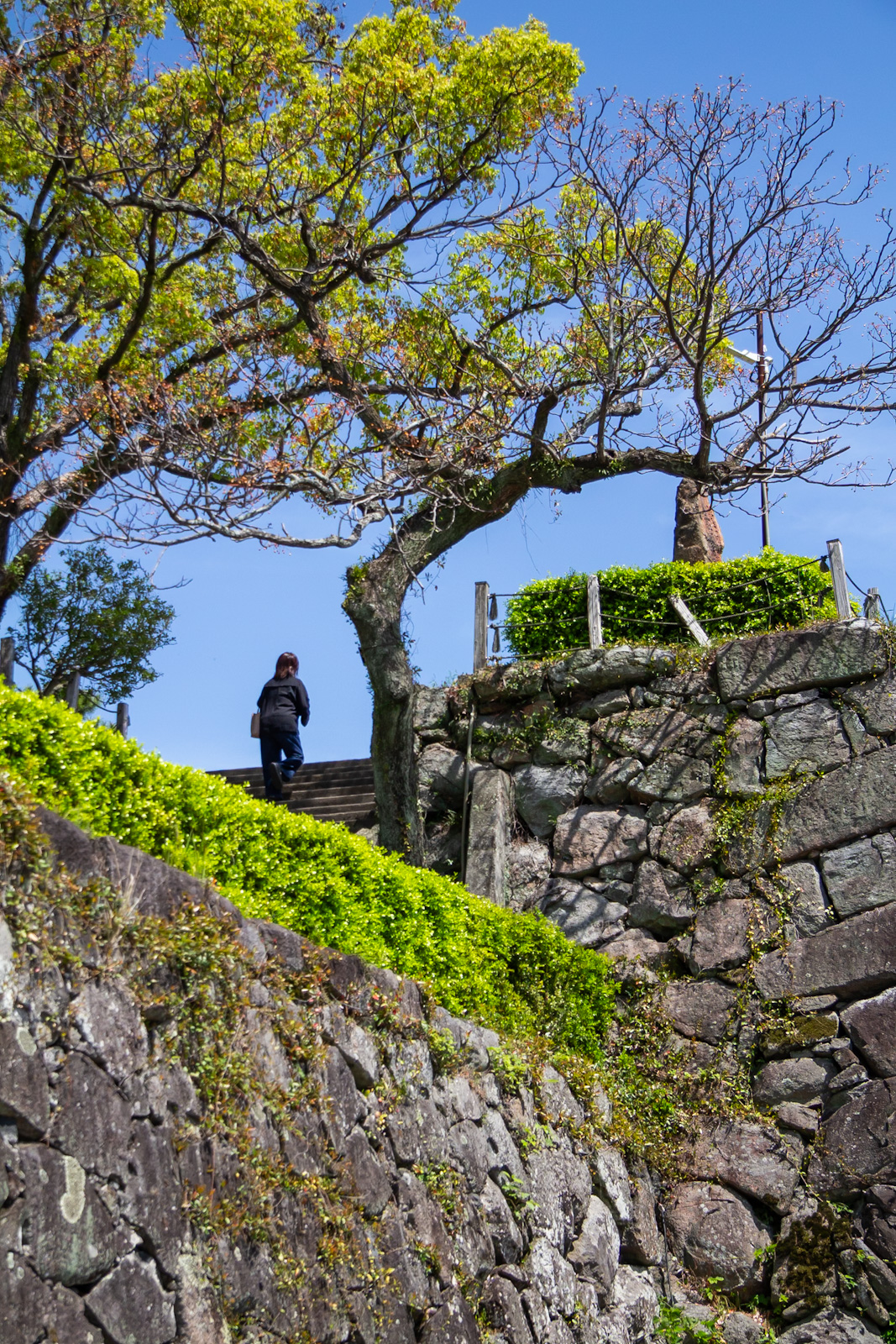
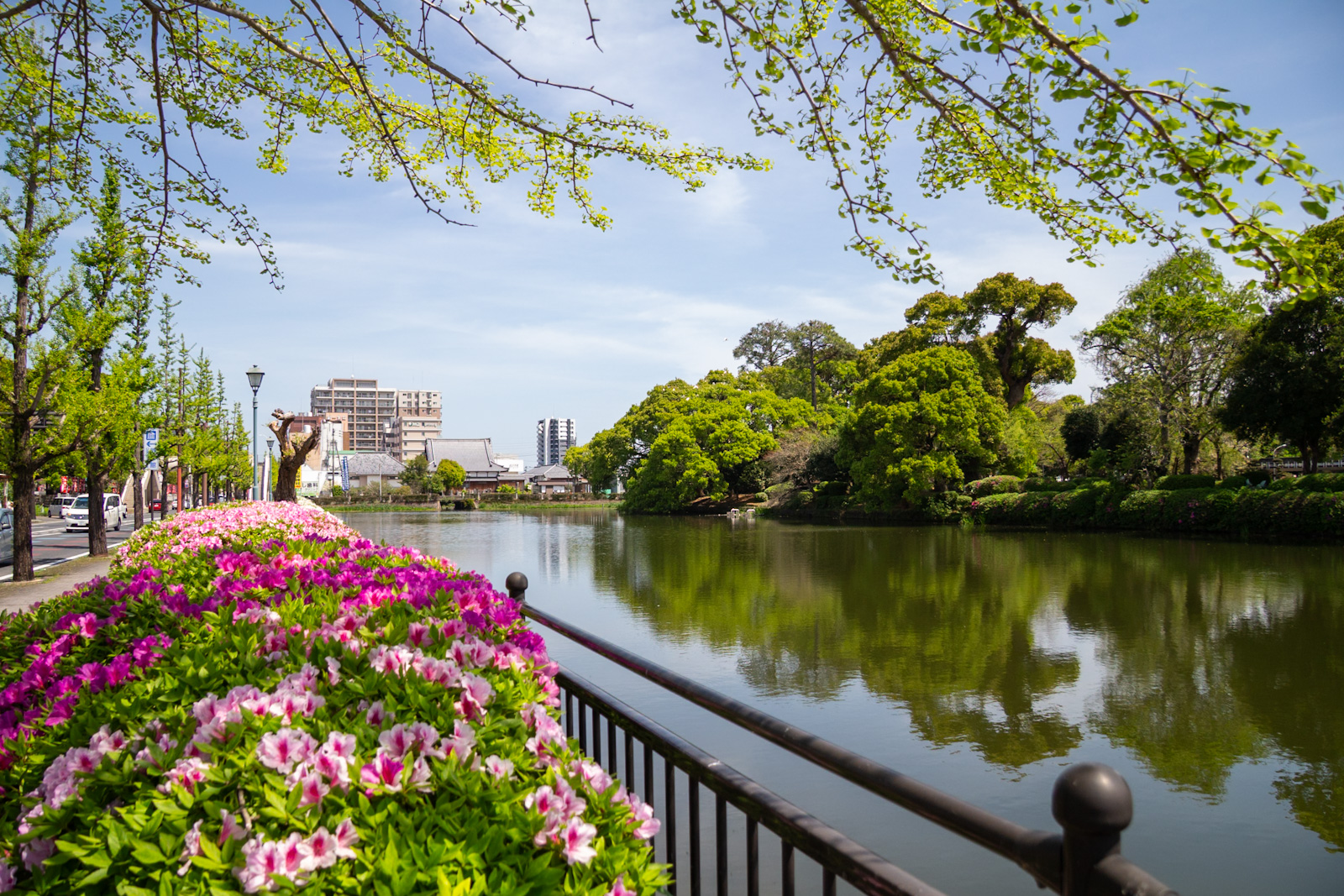
I wanted to go to the Saga Balloon Museum next, but ended up on a bit of a side quest when I got to the Saga Prefectural Library, which is just north of the Saga Castle Ruins. What was once the North Moat embankment is now a gorgeous park along the riverbank.
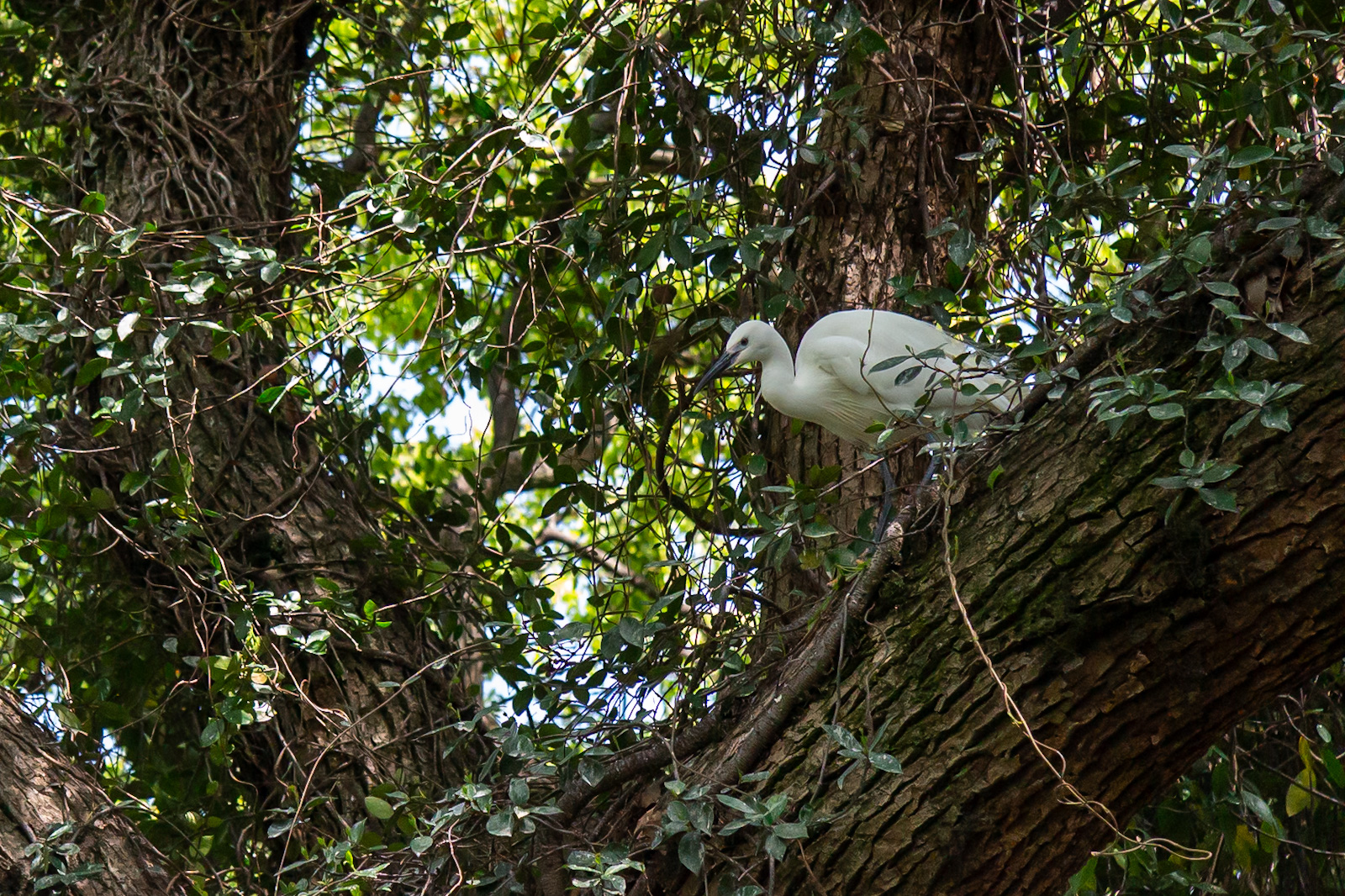
I couldn’t get over how many trees there were (you don’t see many in Japanese cities), and the shade was a nice reprieve from the sun. At the end of the path, I found a huge egret nesting colony in the trees, which was a fun surprise.
Saga Shrine
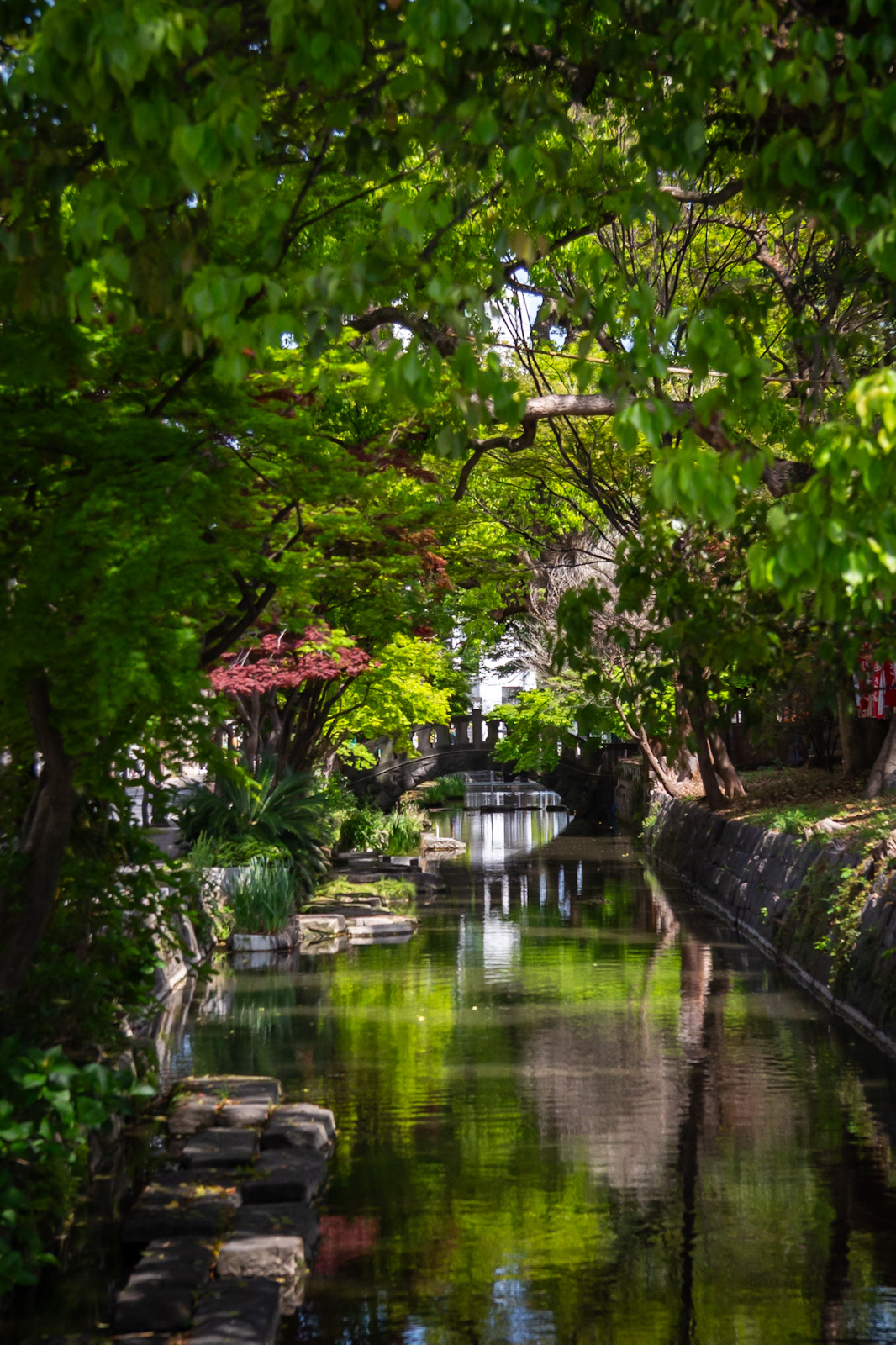
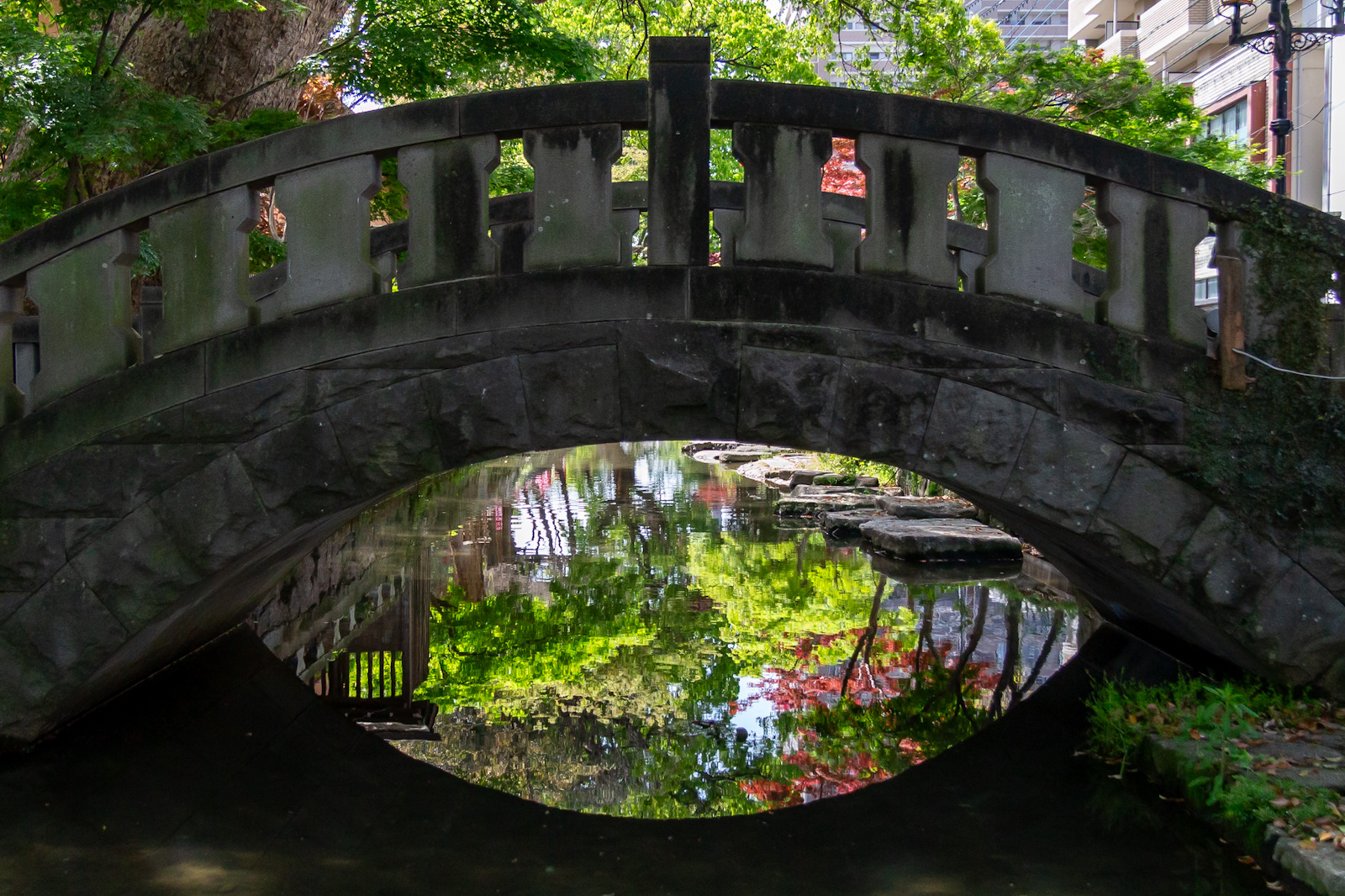
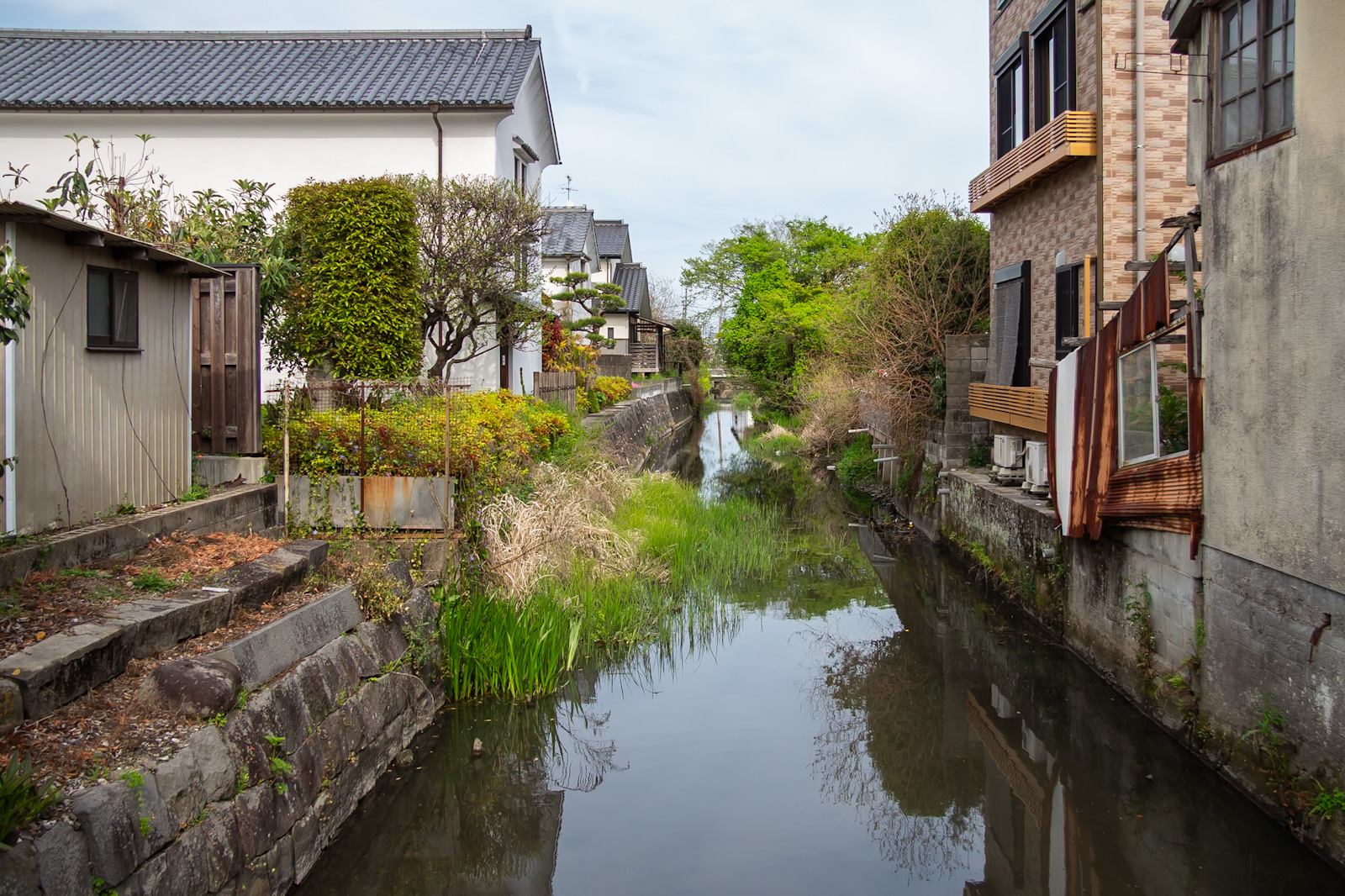
After watching the birds for a bit, I headed back towards the museum, but got sidetracked again by a beautiful canal. It leads, as I soon discovered, to Saga Shrine and the adjoining Matsubara Shrine.
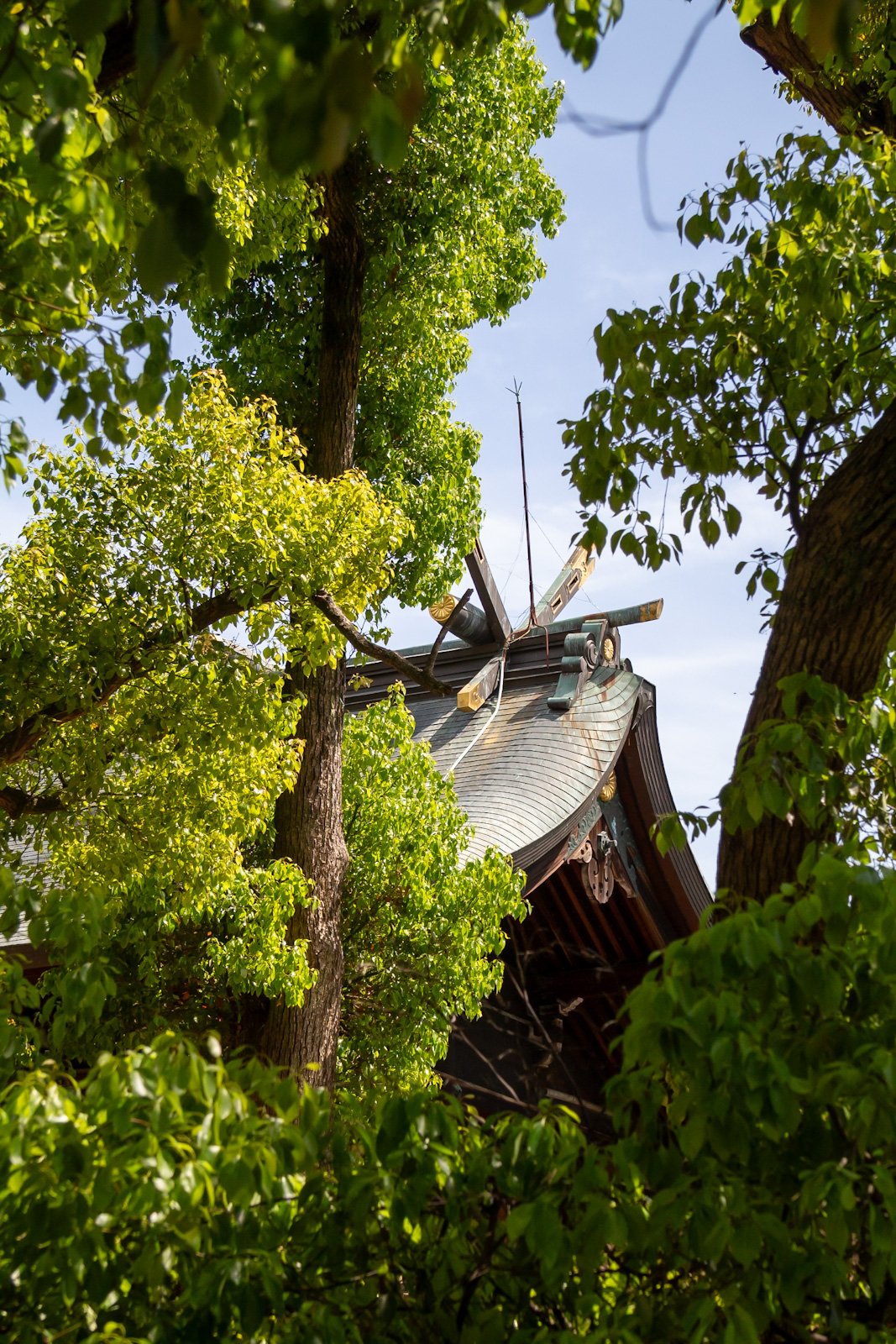
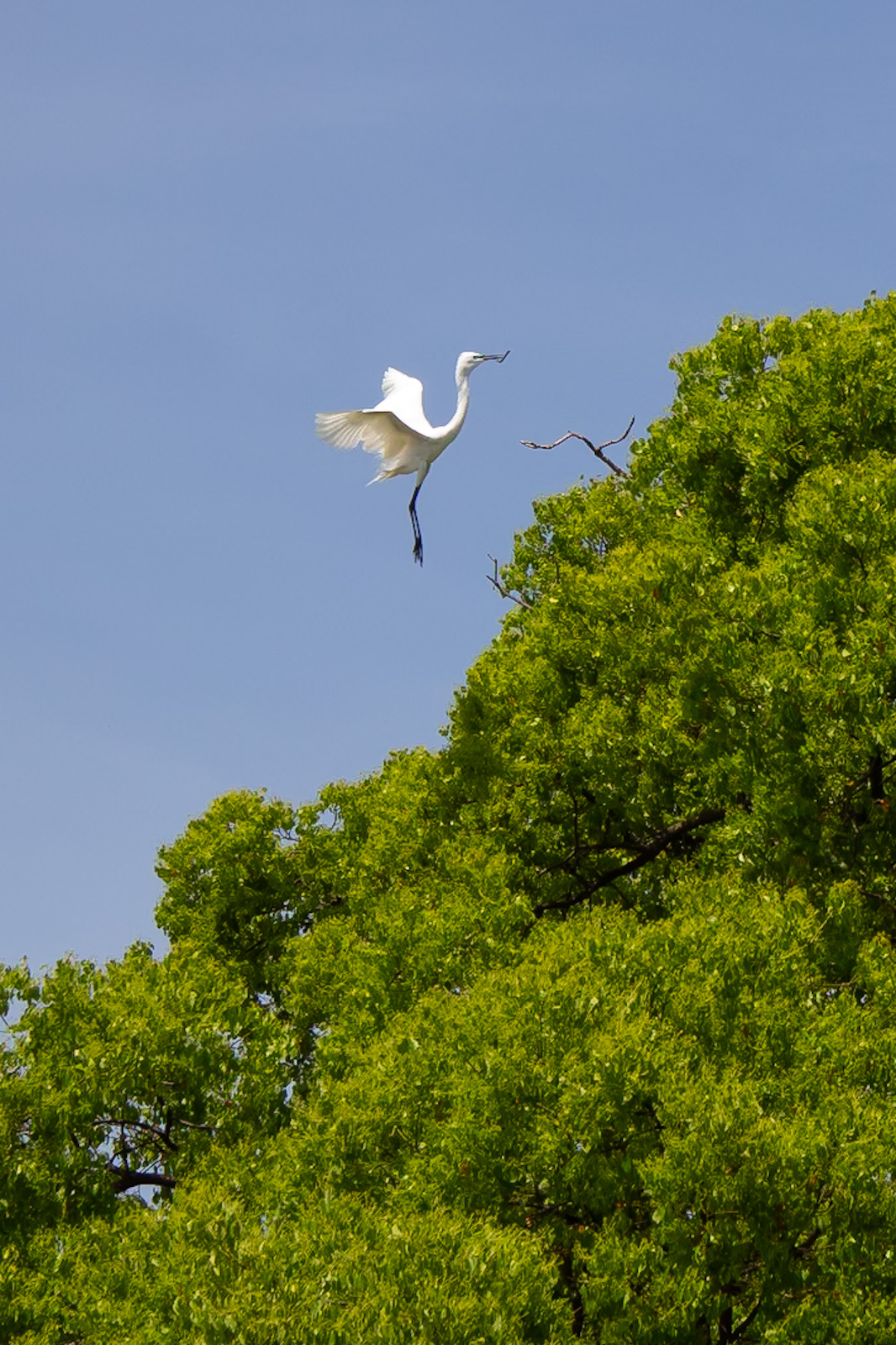
Saga Shrine is dedicated to the 10th and 11th lords of the Saga Domain, Nabeshima Naomasa and Nabeshima Naohiro. It features two large cannon replicas to commemorate Saga’s role in the development of modern weaponry during the Edo period. It’s also another popular nesting spot for the local population of egrets.
Matsubara Shrine is dedicated to seven deities, including Nabeshima Naoshige, the founder of the Saga Clan and Saga City, and Ryuzoji Takanobu, a warlord known for his courage. At the main gate is a statue of a kappa; it’s said that passing through and praying at the shrine will protect you from water-related disasters. I got my own bit of luck served to me when one of the egrets ceremoniously shat on my camera.
Saga Balloon Museum
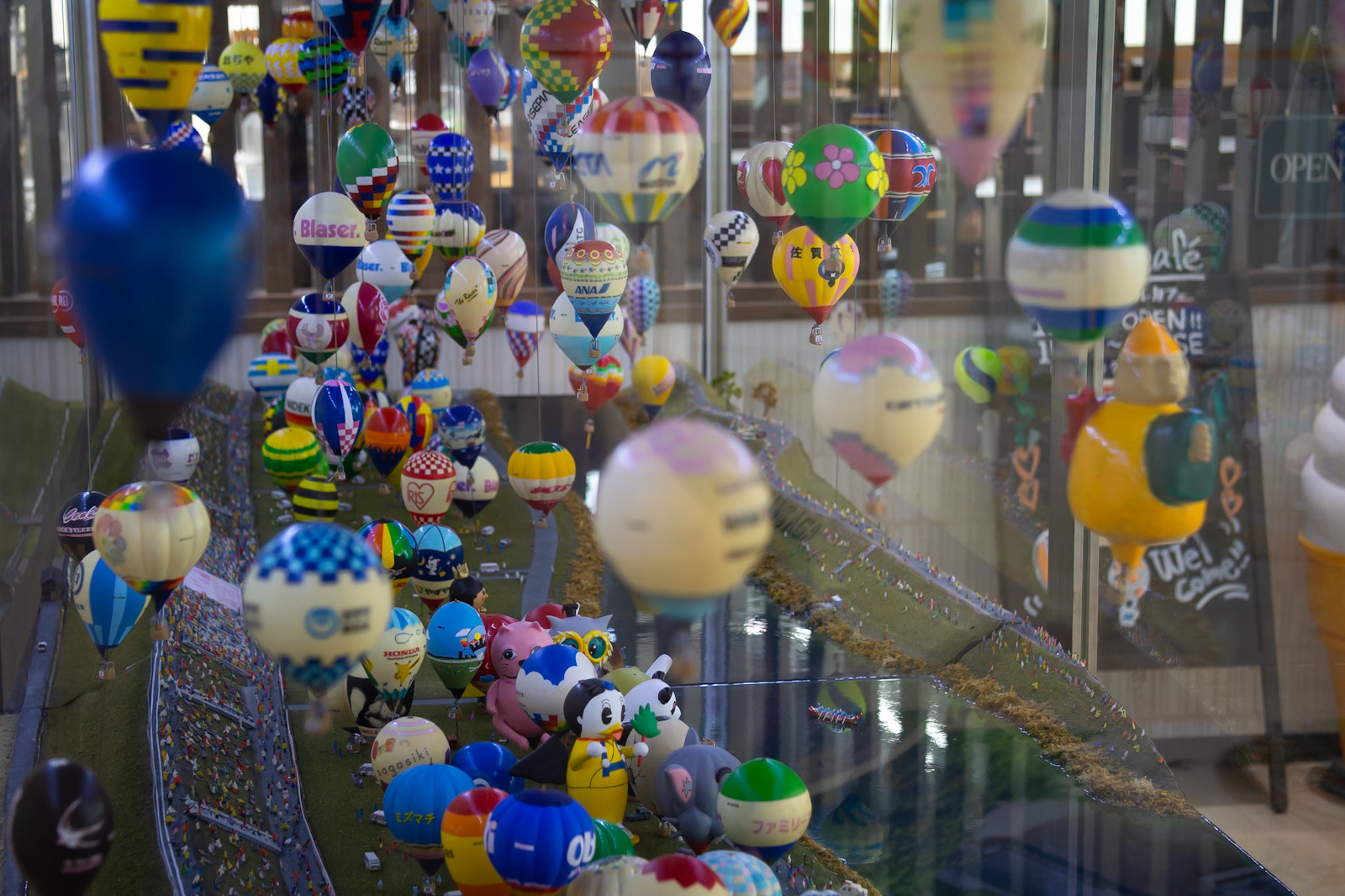
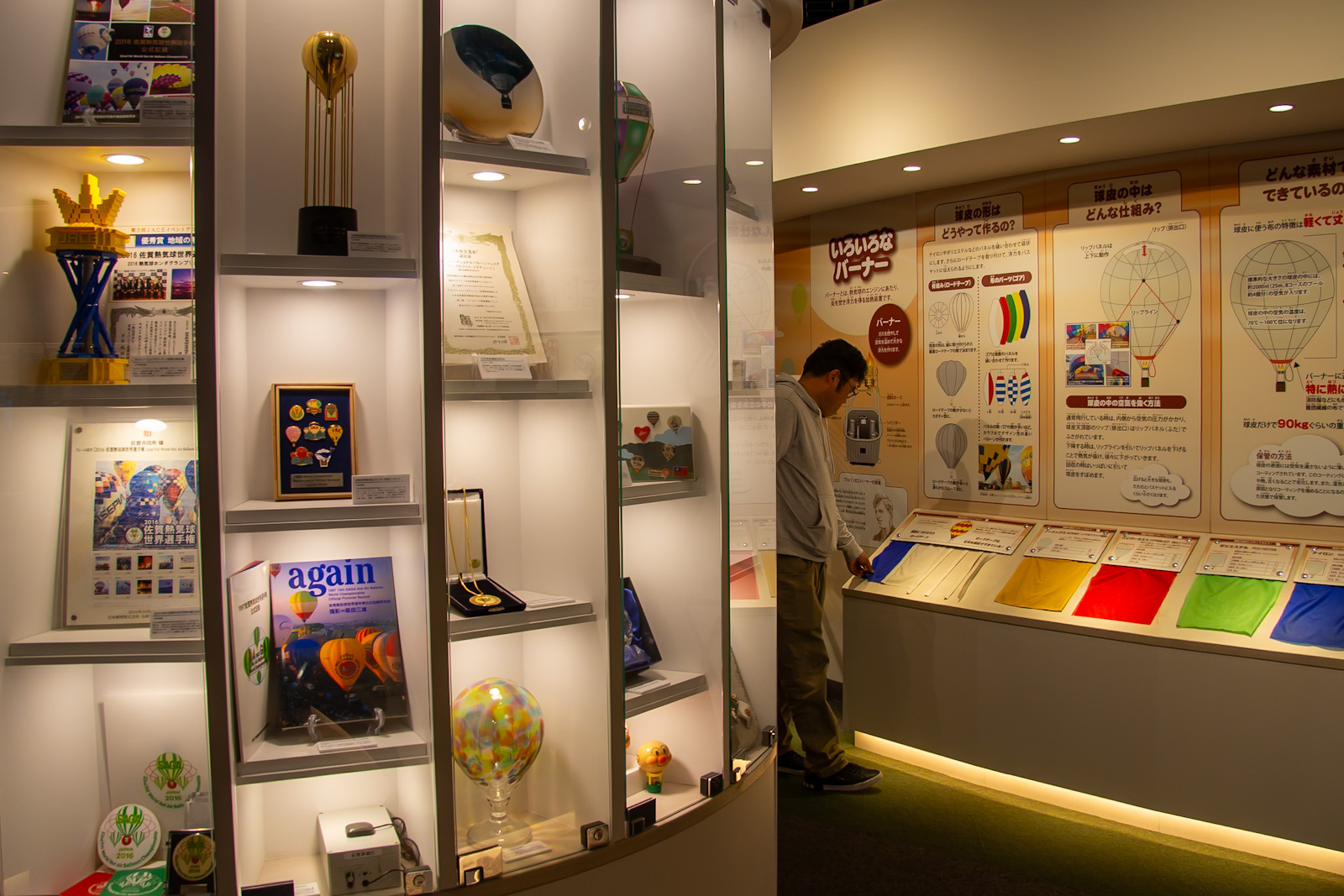
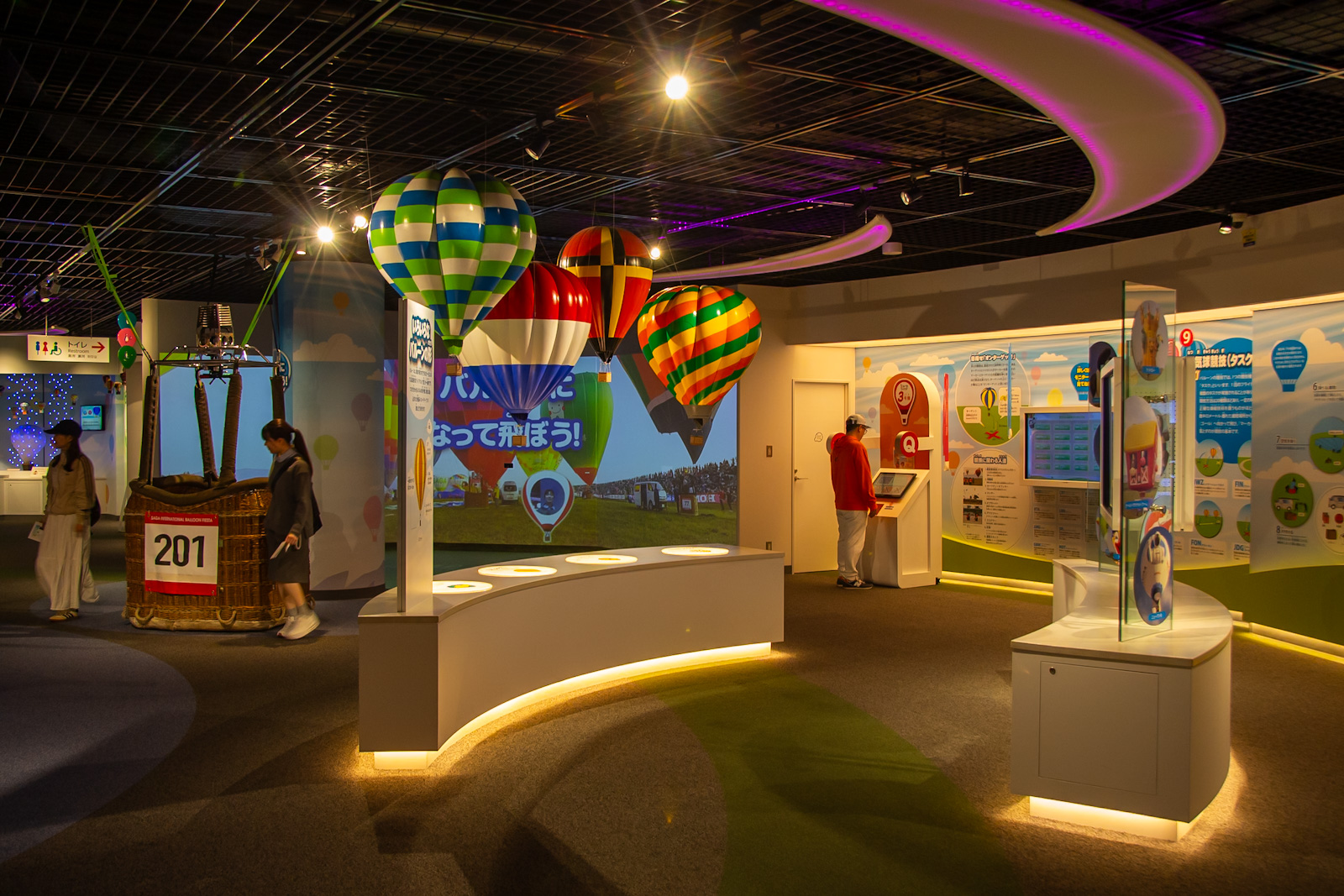
After spending some time at the shrine, I finally made it to the Saga Balloon Museum. The museum opened in October 2016 so that visitors to Saga could experience the atmosphere of the International Balloon Fiesta all year round. It hadn’t opened yet when I attended the Fiesta in 2015, so I was curious to see what it was all about.
The exhibit includes a short film about the types of competitions the contestants participate in during the Fiesta. There’s information on the history of hot air balloons and how the Saga International Balloon Fiesta came to be. Visitors can also learn about other hot air balloon competitions and museums around the world.
Seeing old footage and photos from the year I attended was fun and nostalgic. It was also interesting to learn more about the competition and hot air ballooning in general. For just 500 yen ($3), it’s definitely worth a look around. The museum also has a restaurant and a gift shop selling balloon-related souvenirs and local products from Kyushu. I can’t tell you how much of a treat it was to enjoy a cold glass of hyuganatsu cider from Miyazaki again.
Kaiun Saga Yebisu Station
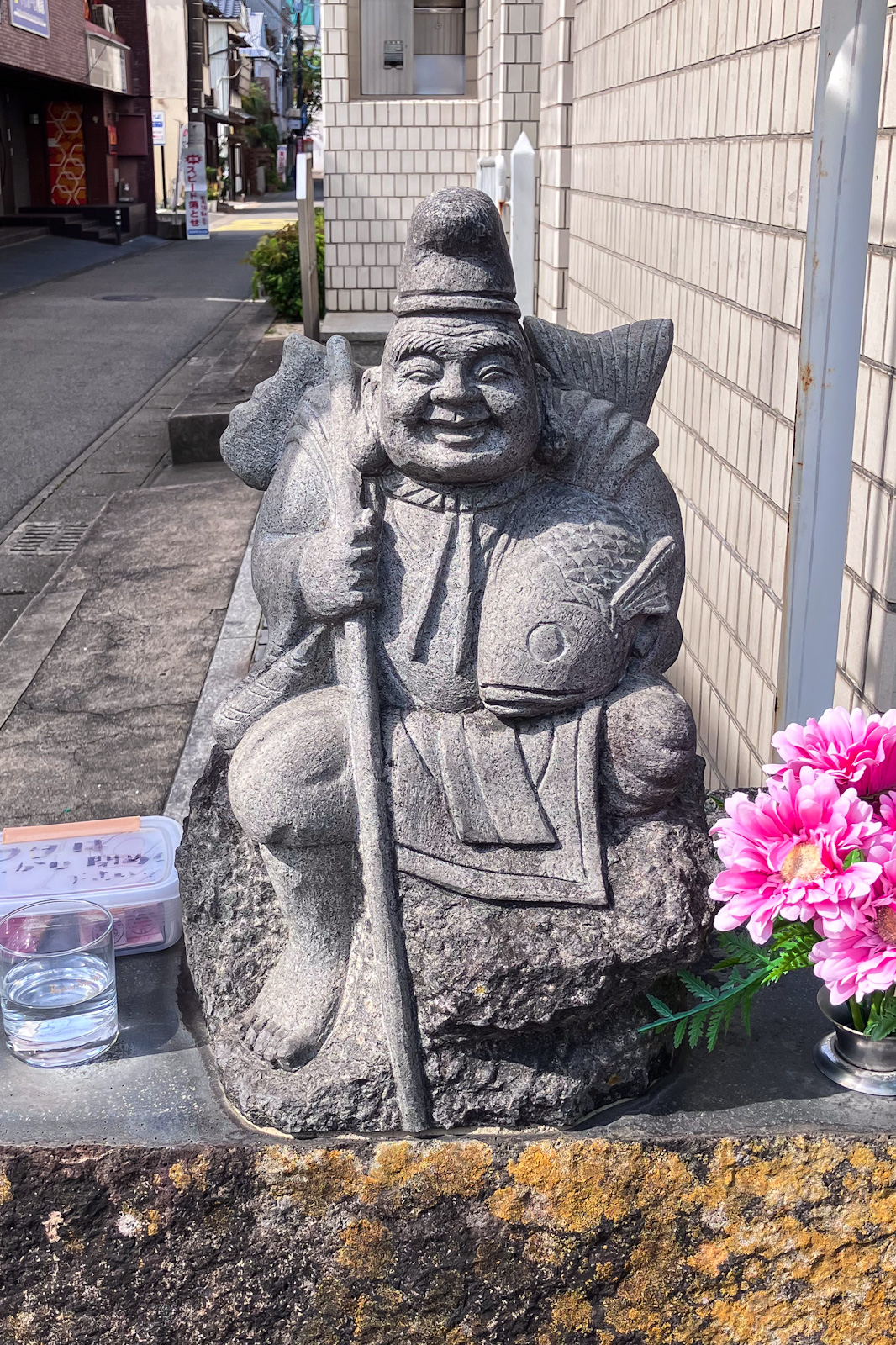
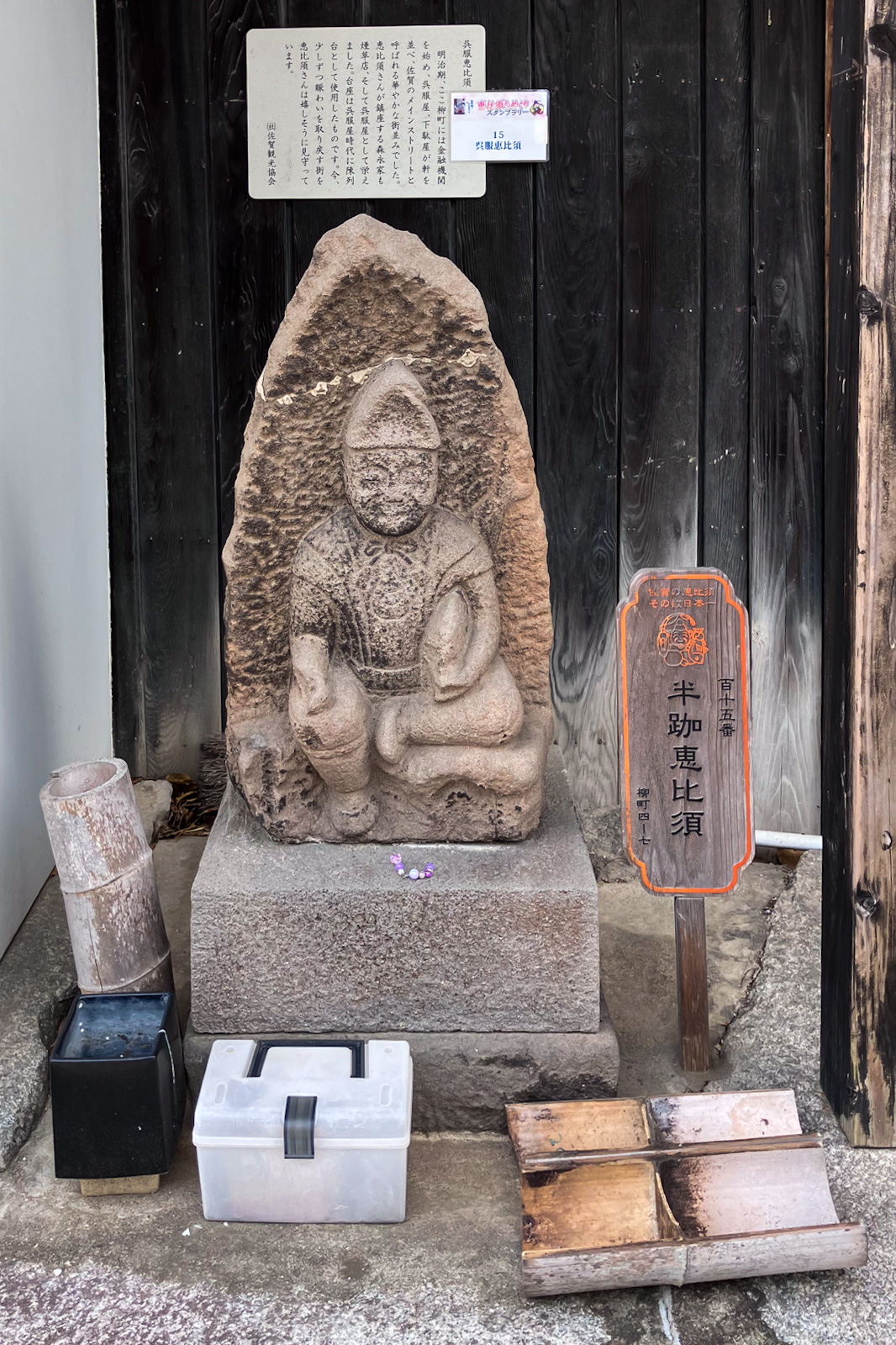
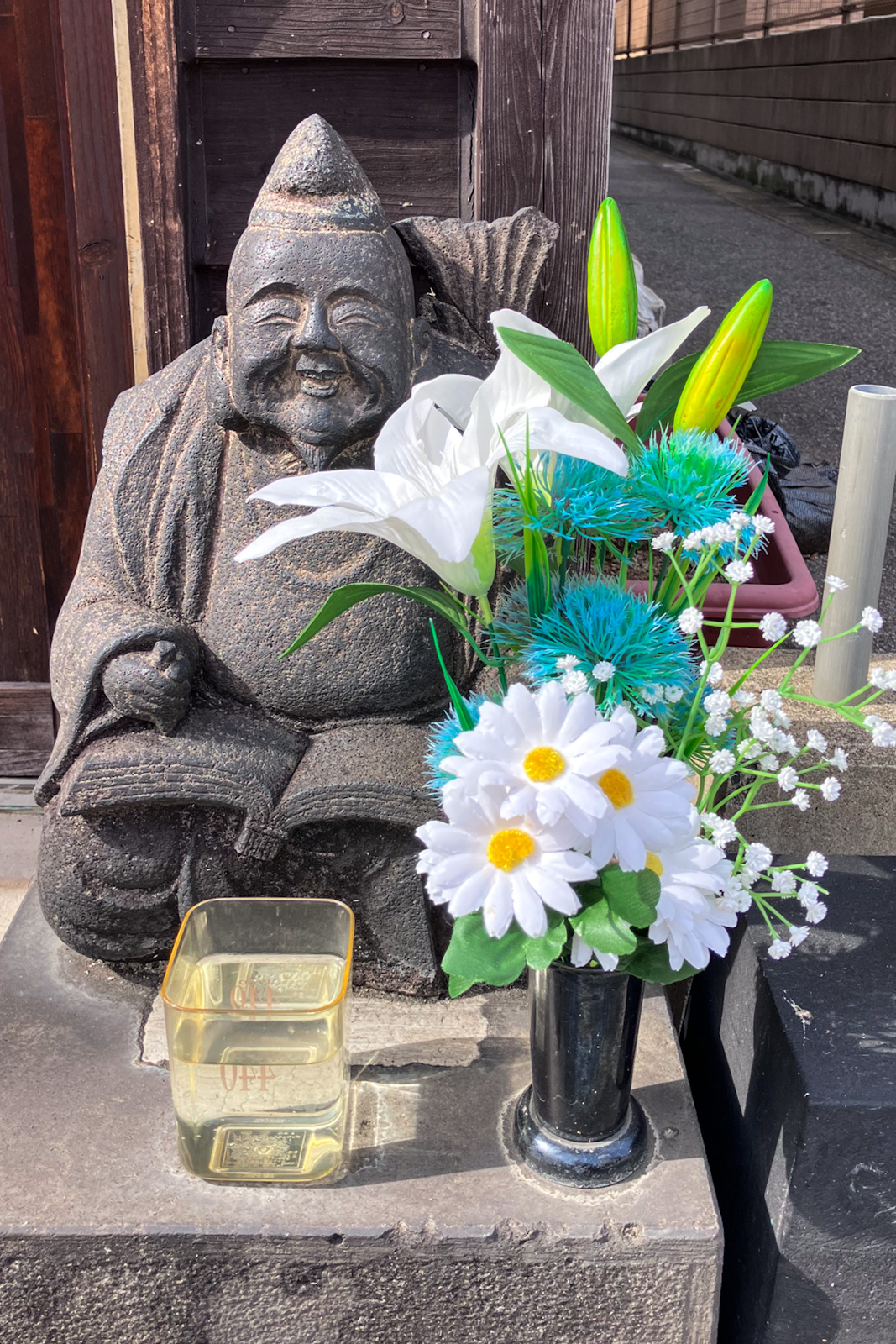
Besides the International Balloon Fiesta, Saga City is known for having the most Ebisu statues in Japan. More than 800 stone statues, depicting the Japanese deity of good fortune and wealth, can be seen dotted around the city.
At the Kaiun Saga Yebisu Station, you can pick up a map that will guide you to their locations via several routes. You can also buy Ebsiu-related souvenirs here. I didn’t have time to complete a full route, but I did spot several of the statues on my walk around the city.
Saga City Cultural Museum
My next stop was the Saga City Cultural Museum, which consists of seven historical buildings tied to the history of Saga City. The first is the former Koga Bank. Established in 1885 by the currency exchange dealer, Zenpei Koga, it grew to be one of the top five banks in Kyushu. It was forced to close, however, during the post-war slump, and has since been restored to its original state.
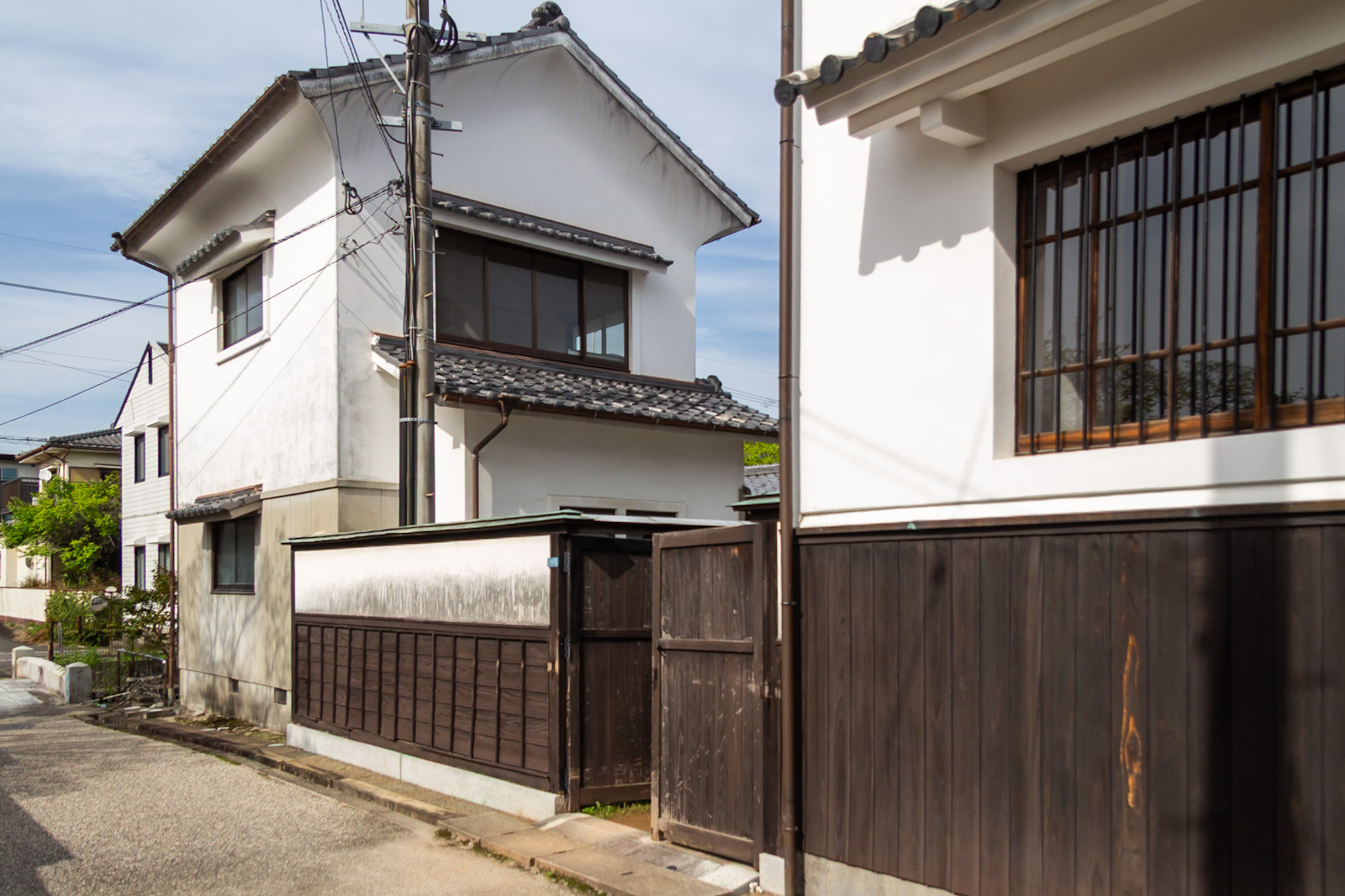
Koga’s former residence, which is right next door, is the second. The building is unique in that, despite being a merchant’s residence, it was built in the style of a samurai’s residence. Former Prime Minister Count Okuma Shigenobu is said to have stayed here whenever he returned to Saga. The old Ushijima Residence is the third building, which was once a wholesale business owned by the soldier Isuke Takayanagi. It was originally located in the town of Iamshuku, but moved here in 1993 due to a road expansion project. The merchant residence is the oldest of its kind in the area.
The buildings that make up the old Morinaga Residence were once used to manufacture tobacco during the Kansei era. The grounds consist of two storehouses and a residence. The two storehouses now operate as a black tea specialty shop and a handmade crafts shop, and the residence hosts demonstrations of Nabeshima Dantsu. This is a type of cotton carpet that originated in Saga during the Genroku era (1688 –1704).
At the old Hisatomi Residence, visitors can get a glimpse into a former footwear empire. The east wing of the old shop still retains its original beams and earthen floor, and a wooden sign reading “Footwear Wholesaler.” The building now houses a cafe and various ateliers and studios.
Next is the former Sansho Bank, which, ironically, went bankrupt in 1893. The building features gabled roofs and a traditional Japanese storehouse, or kura, exterior. Then there’s the former Fukuda Residence, home of the businessman Keishiro Fukuda, which now houses the Saga Nishiki Promotion Council. Here, visitors can enjoy live demonstrations of the Nishiki hand-weaving technique.
Mallage Saga
My last stop of the day was Mallage Saga. I went there for Jupiter, which is a local import food chain, hoping to stock up on some hard-to-find treats. But I also discovered a delightful farmer’s market called Wakuwaku Hiroba. It had a decent selection of baked goods, bento, local products from all over Kyushu, and even a small vegan section! It’s a bit on the expensive side, but I recommend checking it out for unique goodies to take home.
There’s a bus that goes from the mall to Saga Station, which I happily collapsed into after finishing my shopping. It had been a long, tiring day, but worth every step.
Visit Saga City
JR Saga Station can be reached directly from Hakata Station in Fukuoka in less than an hour via the Midori-Huis Ten Bosch and Relay-Kamone lines. The closest Shinkansen stop is JR Shin-Tosu Station, which is 25 minutes away from JR Saga Station on the Nagasaki line. Everything mentioned in this post is within walking distance from the station and is pinned on the map. For more information on sightseeing in Saga, check out the websites below.
Saga Prefecture Tourism
Saga International Balloon Fiesta
This article is featured on GPSmyCity. To download it for offline reading or create a self-guided walking tour of the highlighted attractions, go to Walking Tours and Articles in Saga.

1 Comment
Join the discussion and tell us your opinion.
I’ve been thinking about an eventual Kyushu trip. If I end up making it happen, I’ll make sure to check out these places in Saga! I’ll also keep in mind to watch out for gifts from egrets flying overhead.