For the past three years, I’ve called the small coastal city of Ube home. Once a thriving coal-mining town, it’s now the third-largest city in Yamaguchi Prefecture, mostly known for its industry. It’s also the hometown of two important figures in Japan (both of whom graduated from the school I currently teach at, which is pretty cool, I think): Hideaki Anno, creator of the popular anime Neon Genesis Evangelion, and Tadashi Yanai, the founder of Uniqlo. But what it’s most famous for, perhaps, is hosting the world’s longest-running sculpture exhibition.
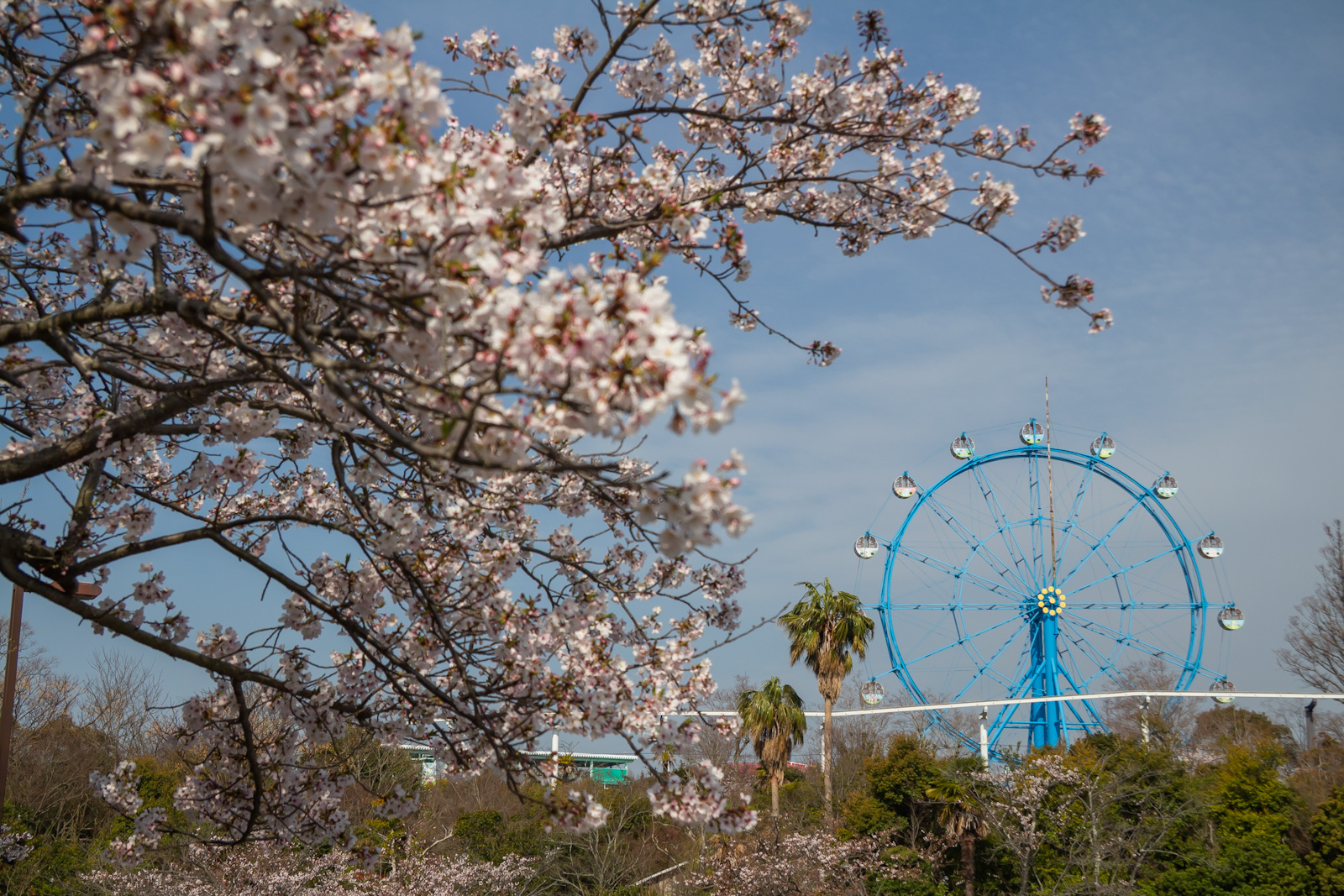
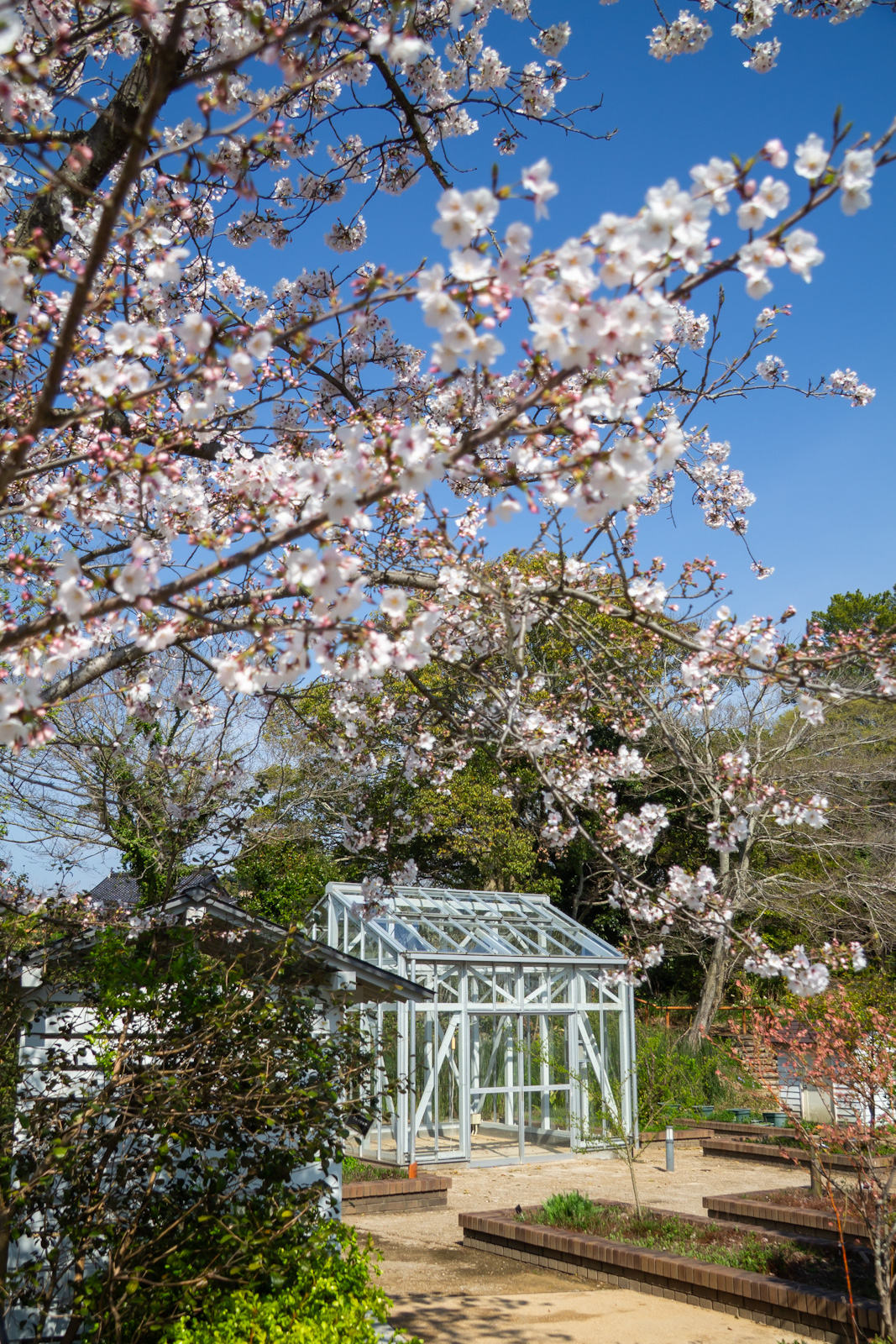
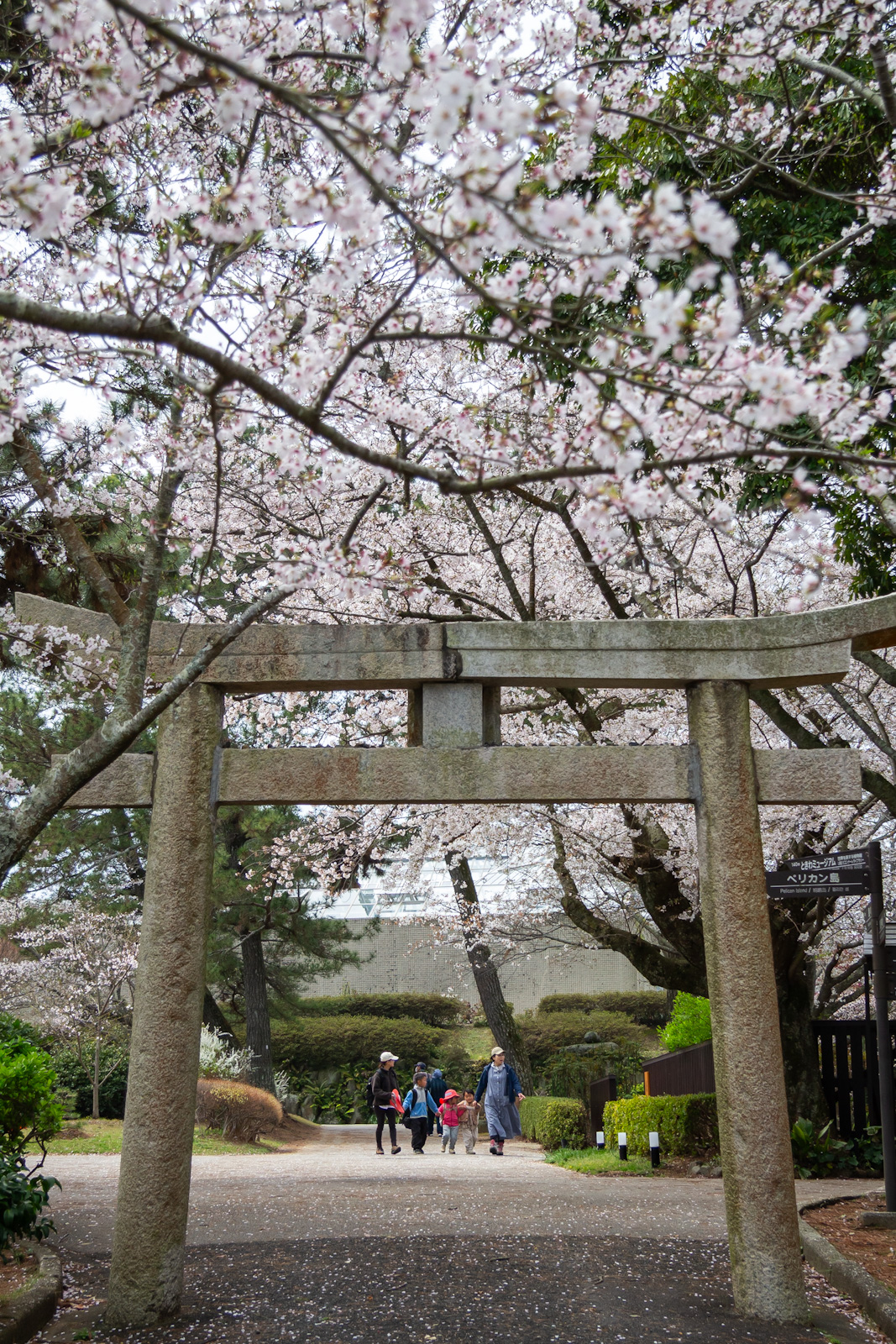
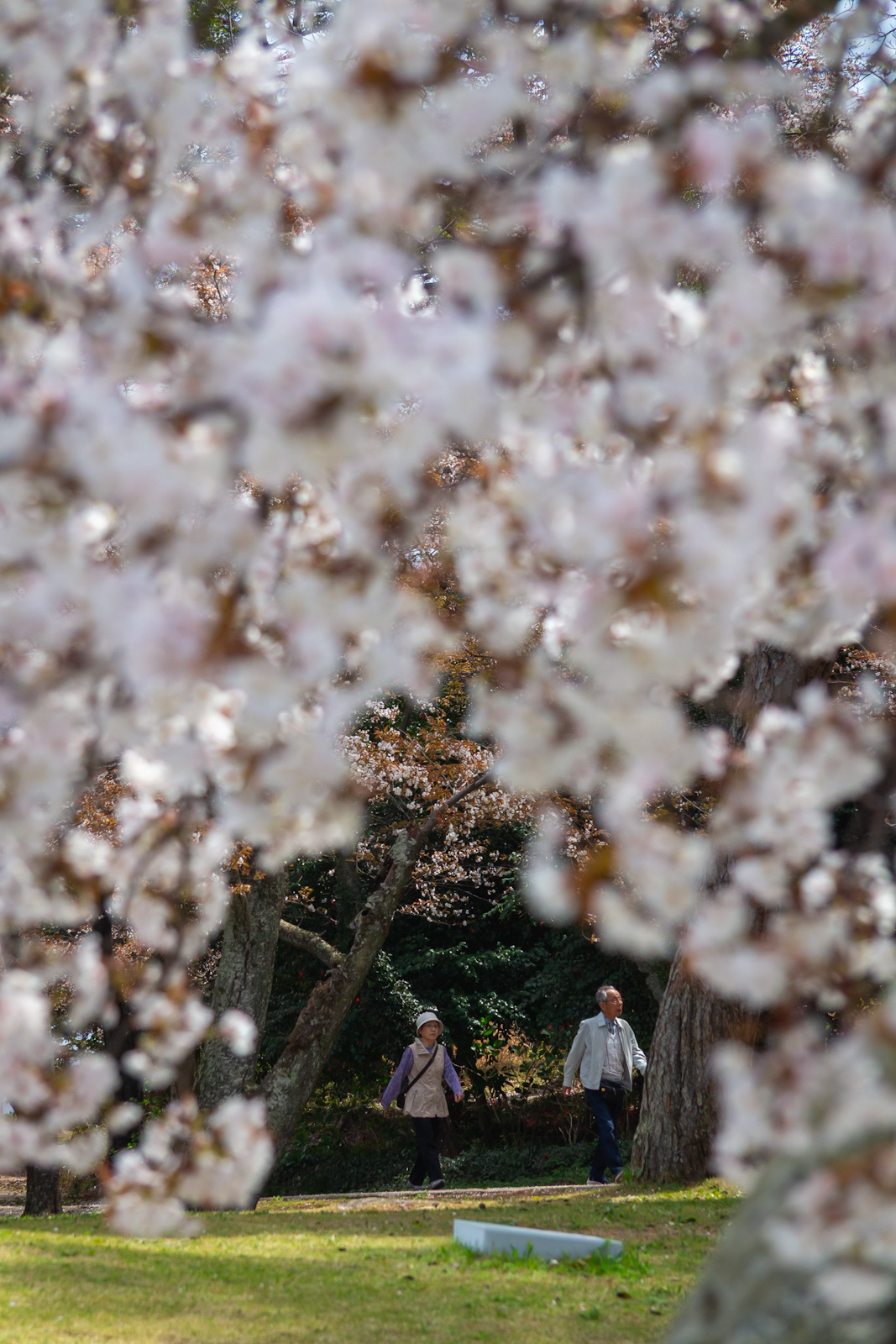
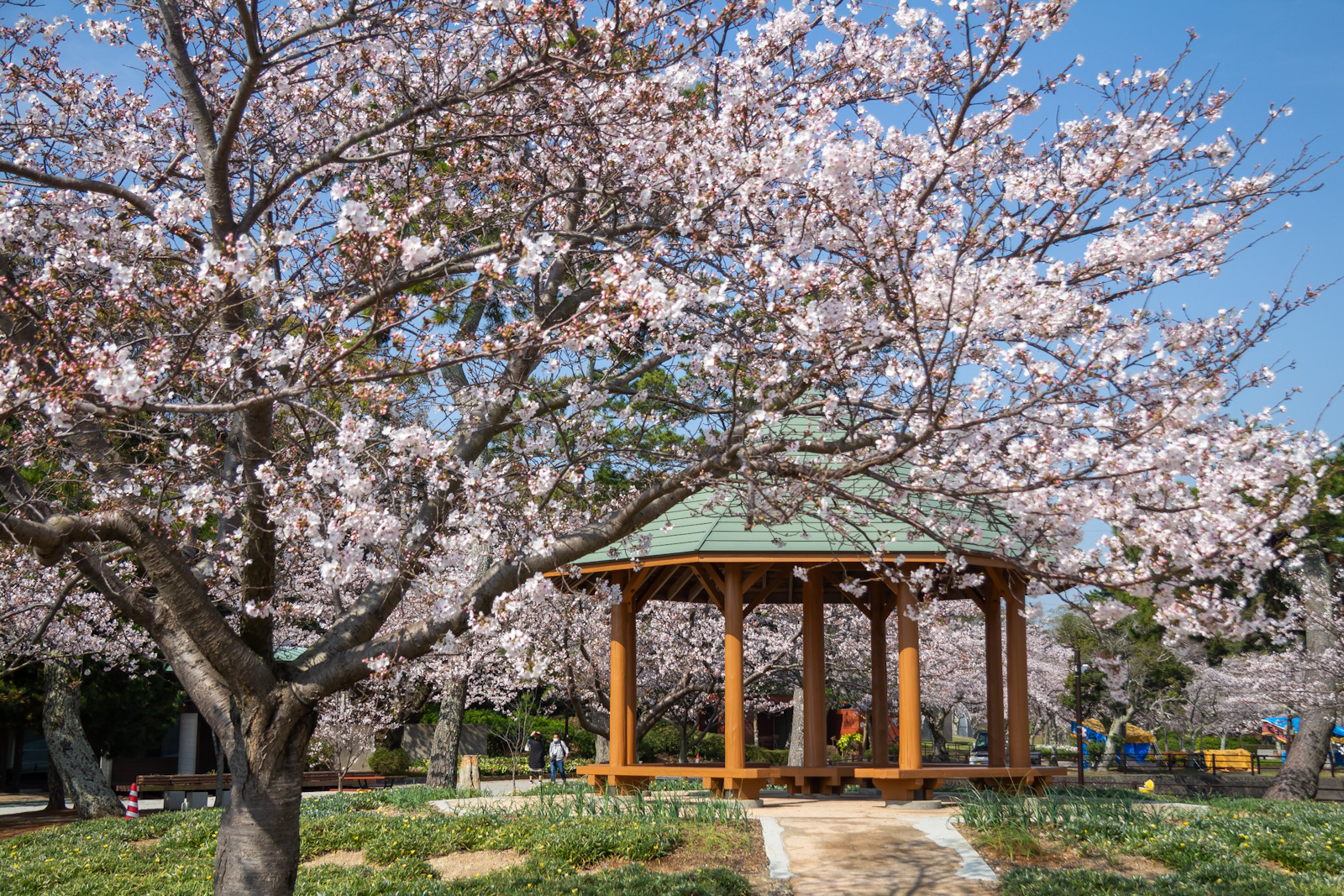
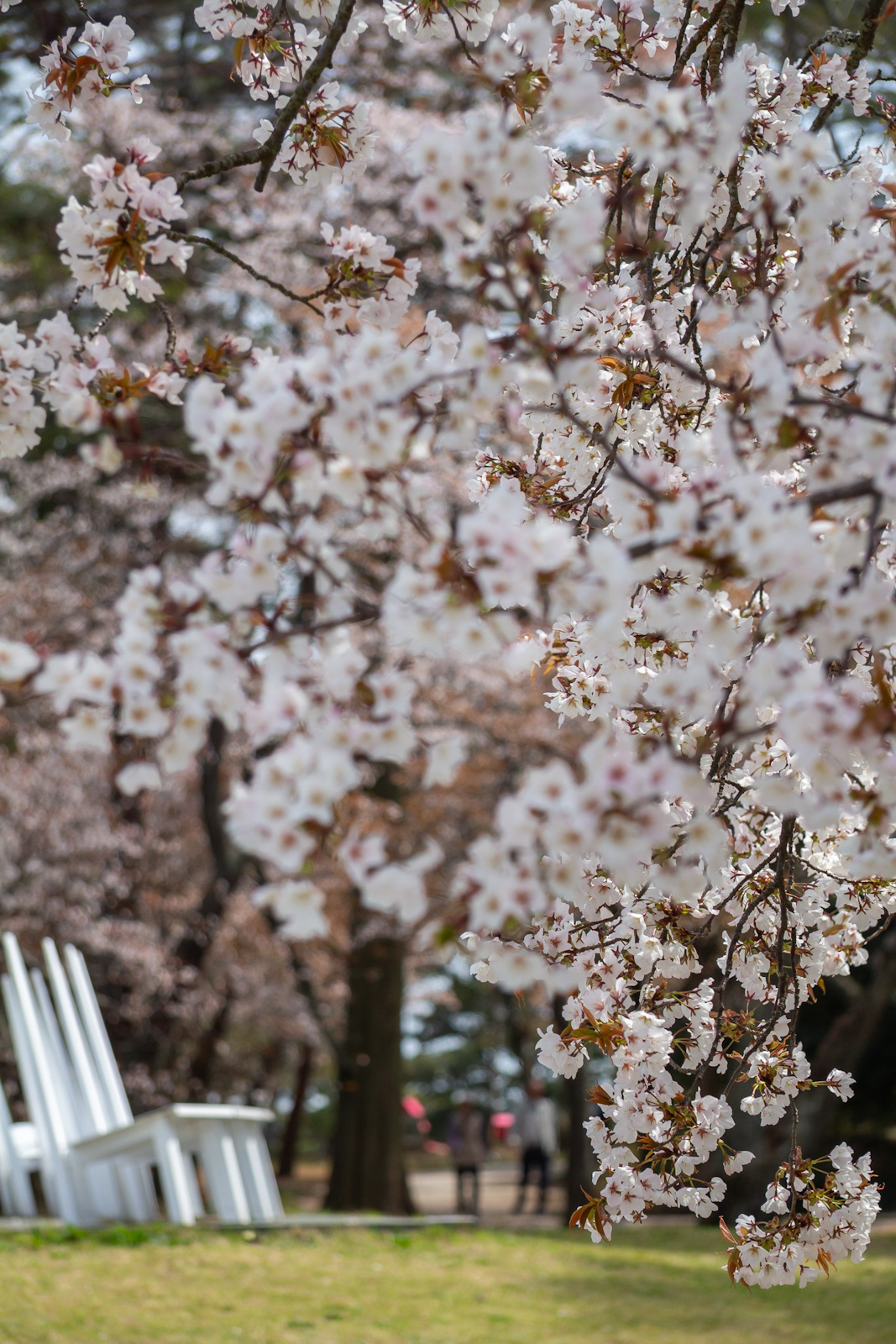
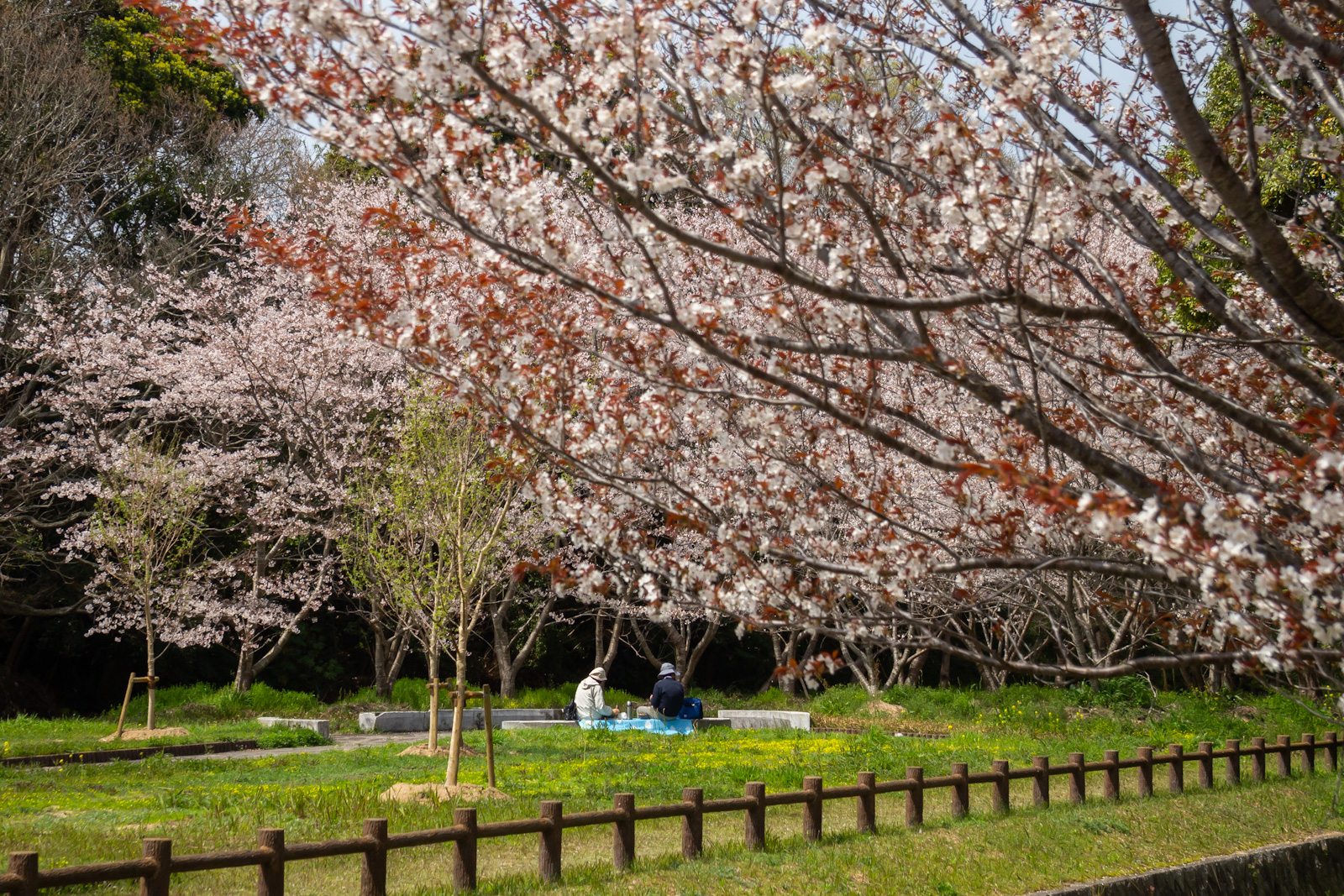
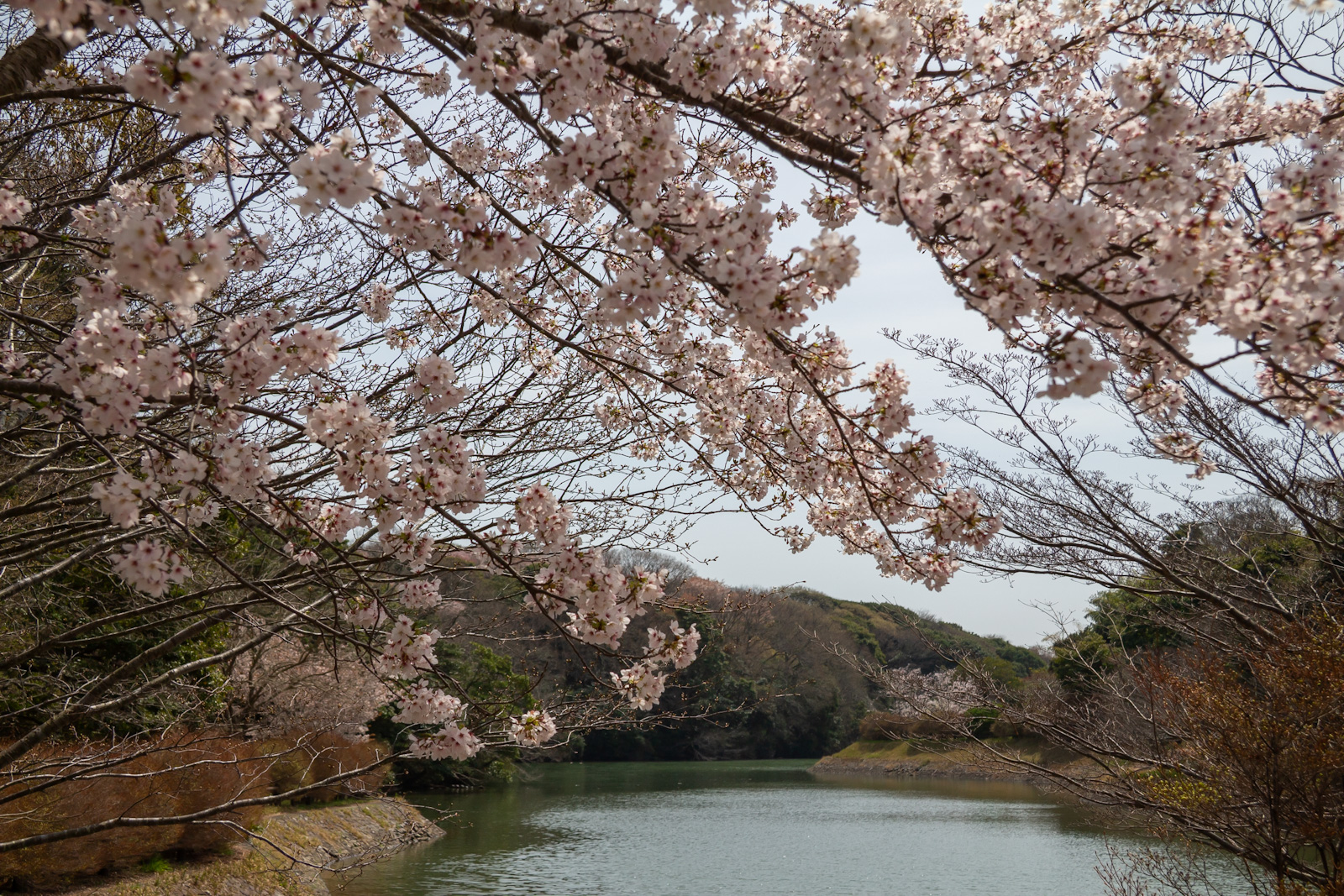
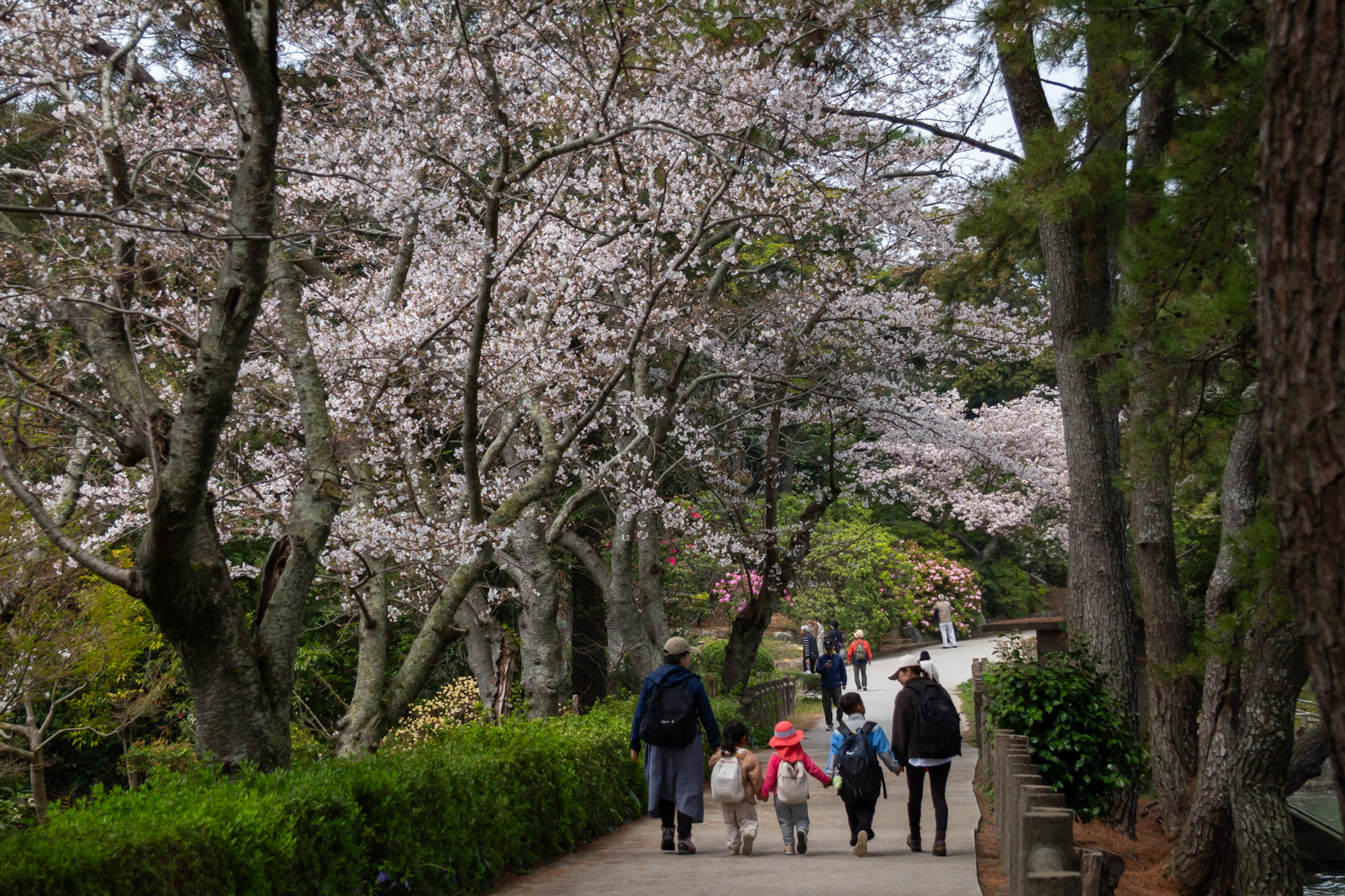
The Ube Triennale, which was previously known as the Ube Biennale, is held every three years in Tokiwa Park. The 100-hectare (247-acre) area, centered around Tokiwa Lake, has about 100 sculptures from previous competitions on permanent display. The park also features over 3,500 cherry blossom trees, making it one of the Top 100 viewing spots in Japan. And so, if you time it just right, you get to enjoy the best of both worlds all in one day.
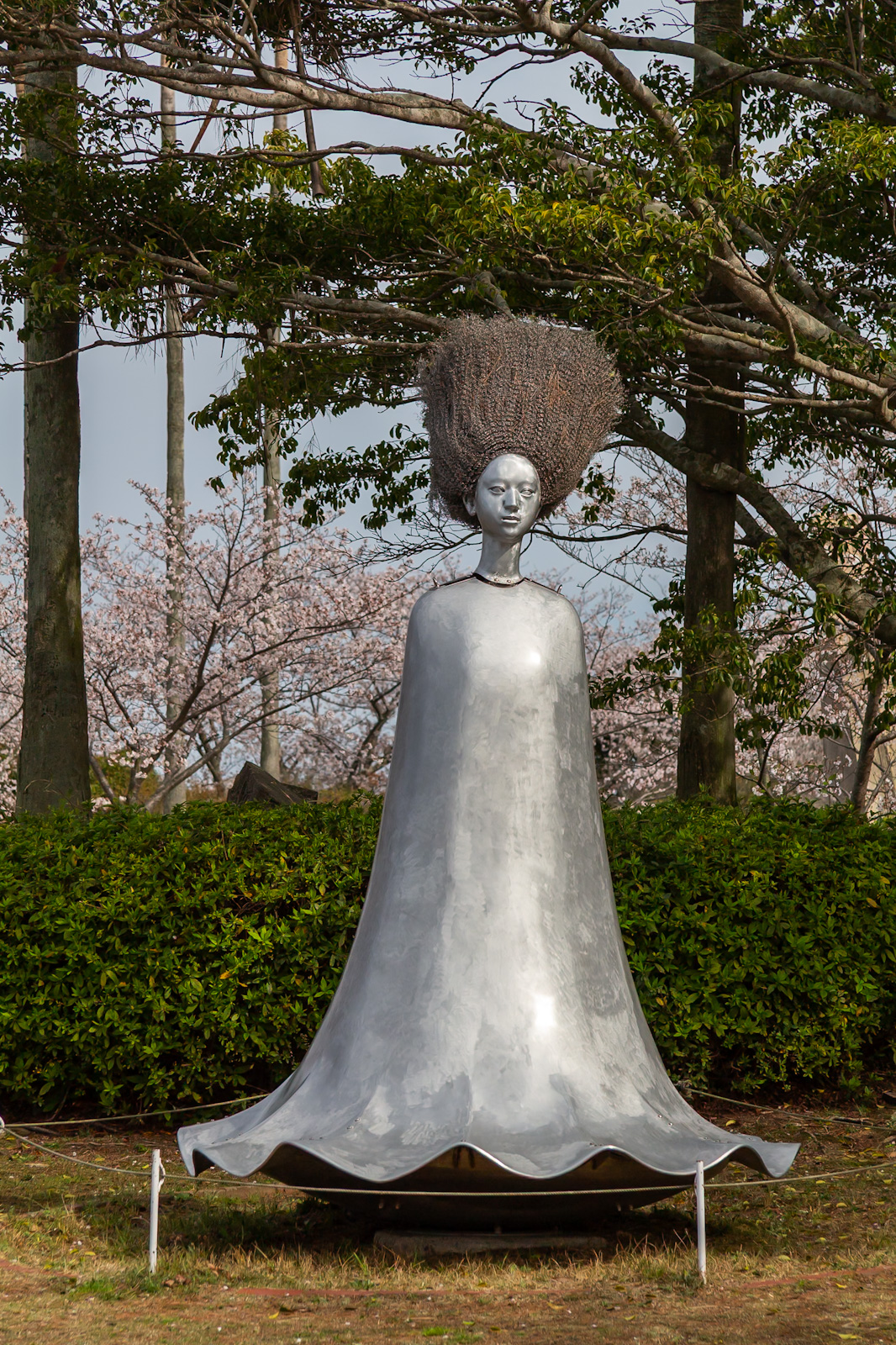
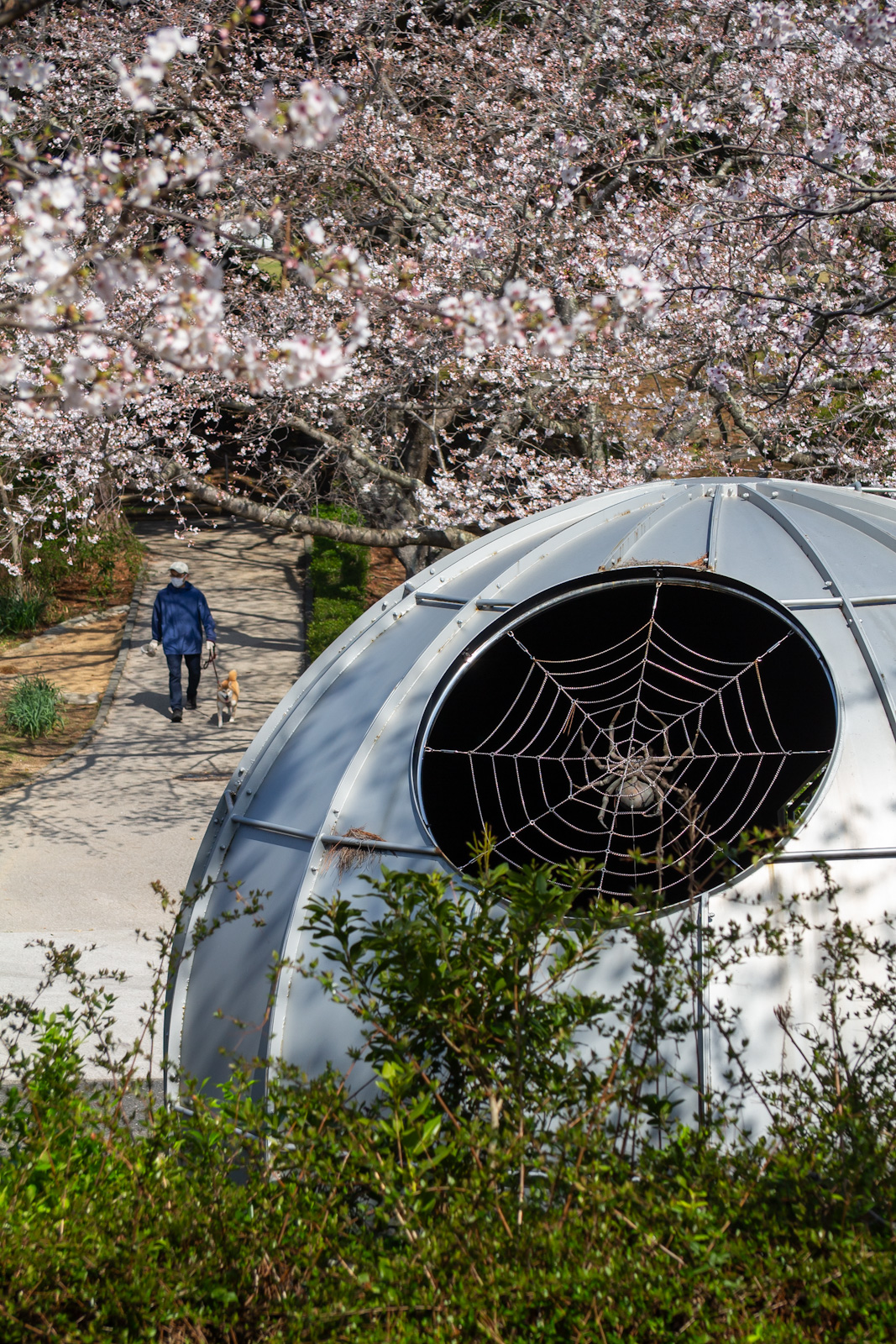
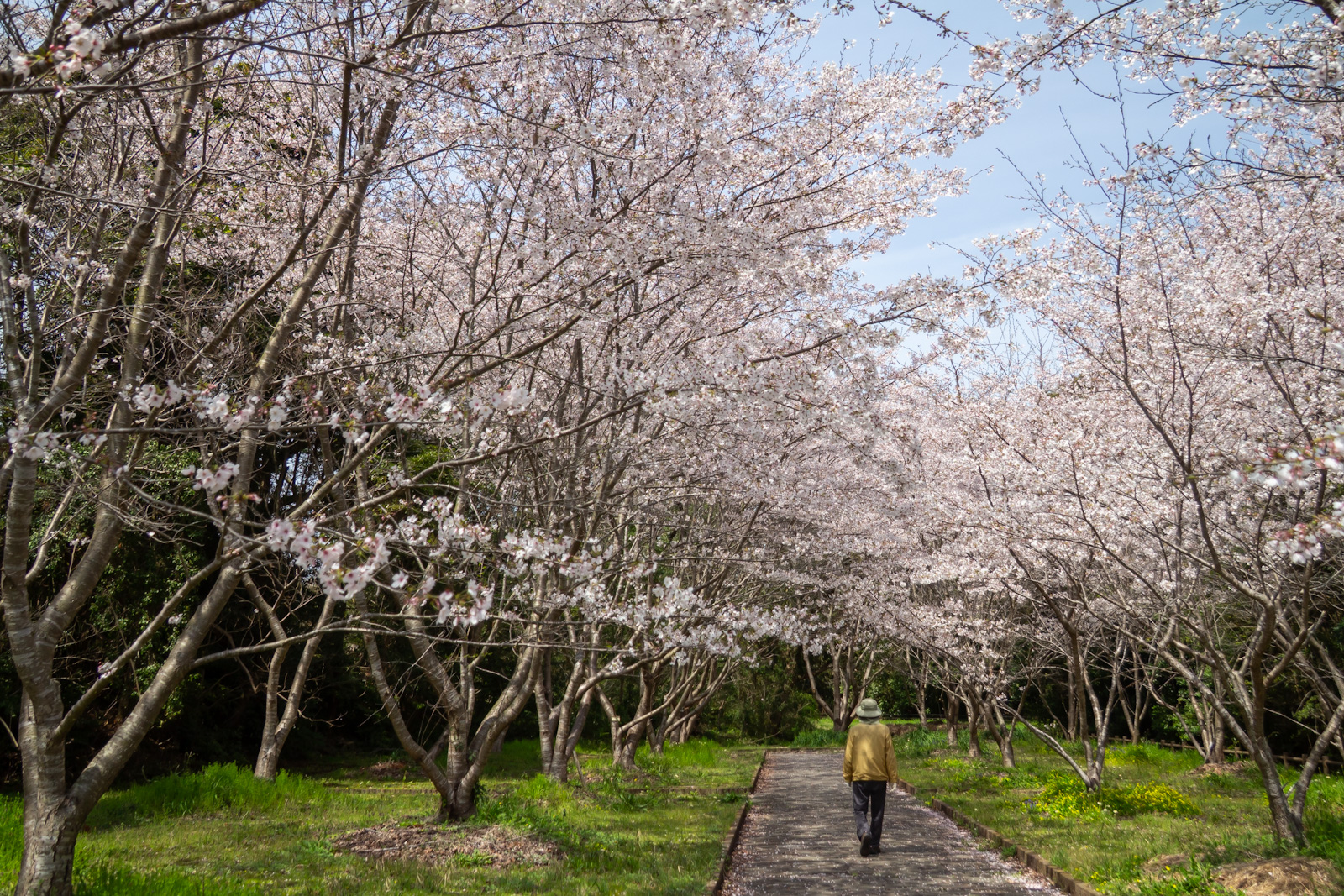
The history of sculpture in Ube began as a post-war movement to beautify the city. It had suffered widespread destruction during multiple air raids at the end of World War II, but was also plagued by coal dust pollution. Residents began to fundraise for greening activities, and in 1958, the city used some of the money to purchase a sculpture. The replica of Falconet’s Woman Bathing was placed in front of Ube-Shinkawa Station, and young people began to gather there to sketch it.
To nurture their interest in art, plans were made to hold the first Ube City Outdoor Sculpture Exhibition in 1961. Since then, the competition has been held every two years, and since 2024, every three years. According to the Guinness World Records, it’s the longest-running outdoor sculpture competition in the world. There are about 100 sculptures installed around the city in addition to the 100 on display at Tokiwa Park.
For the 2027 exhibition, 276 entries were received from 26 countries. The first round of judging began in February 2026, in which 30 winning models were chosen. Fifteen of those have been selected for full-scale production and will be installed and displayed next autumn. You can see some of the installation process, which is incredibly interesting and impressive, on the Triennale’s official YouTube channel. There are five prizes up for grabs, with a Grand Prize of five million yen. The top two prize-winning sculptures will become the property of Ube and be installed permanently in the city.
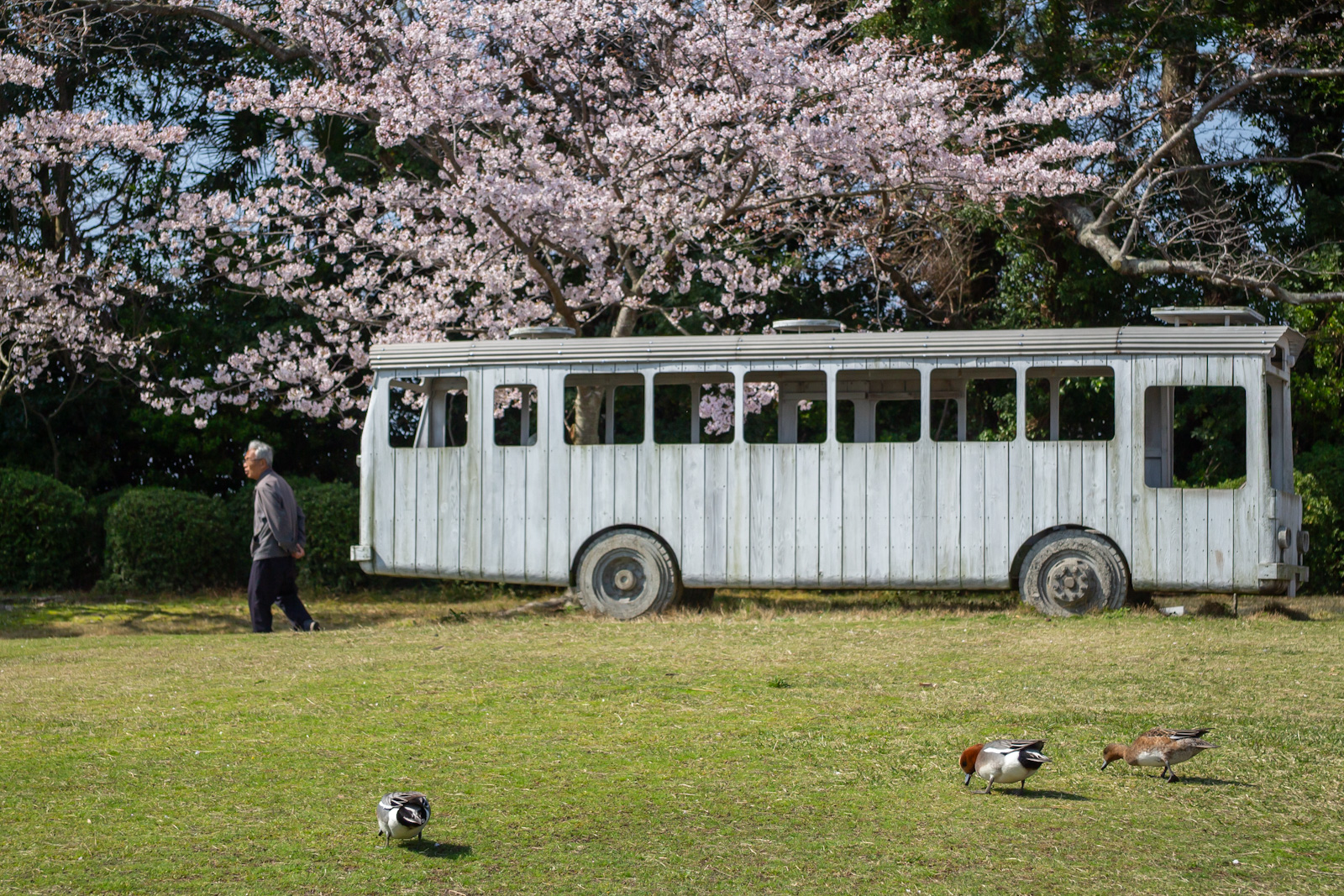
One of the most famous sculptures on display in Tokiwa Park, and one of the few that’s not a previous prize-winner, is a giant replica of the Spear of Longinus from Neon Genesis Evangelion. The sculpture was made by Ube Steel Co. using scrap metal and donated to the city as part of the “Machiju Evangelion” campaign, which promotes Ube with attractions and events related to the anime. My favorite, though, is Midnight Express by Nakaide Takehiko, a school bus made of cedar, cement, and iron, that lights up and looks like a picture book drawing come to life. It’s a fun easter egg hunt to try and find them all.
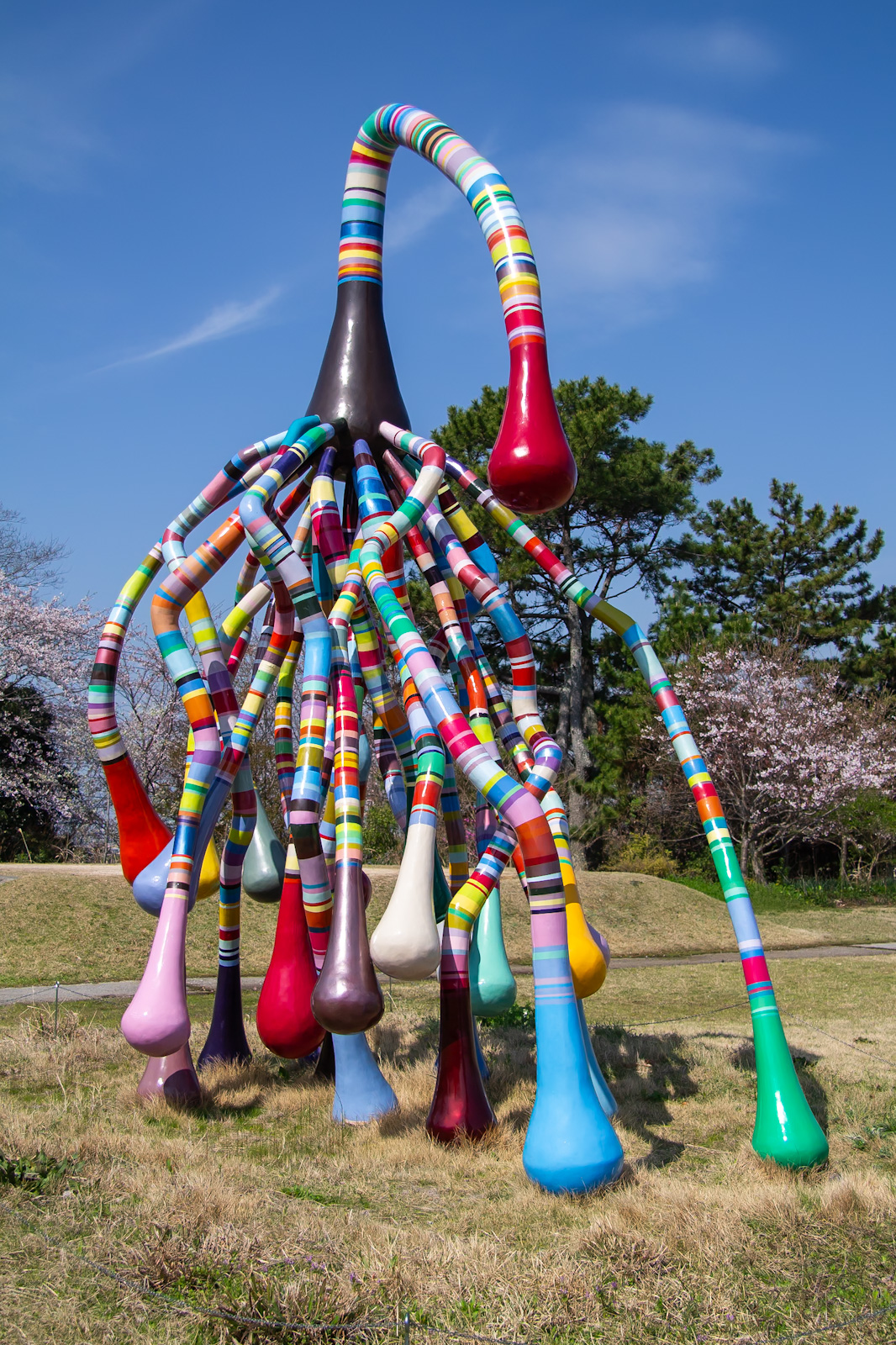
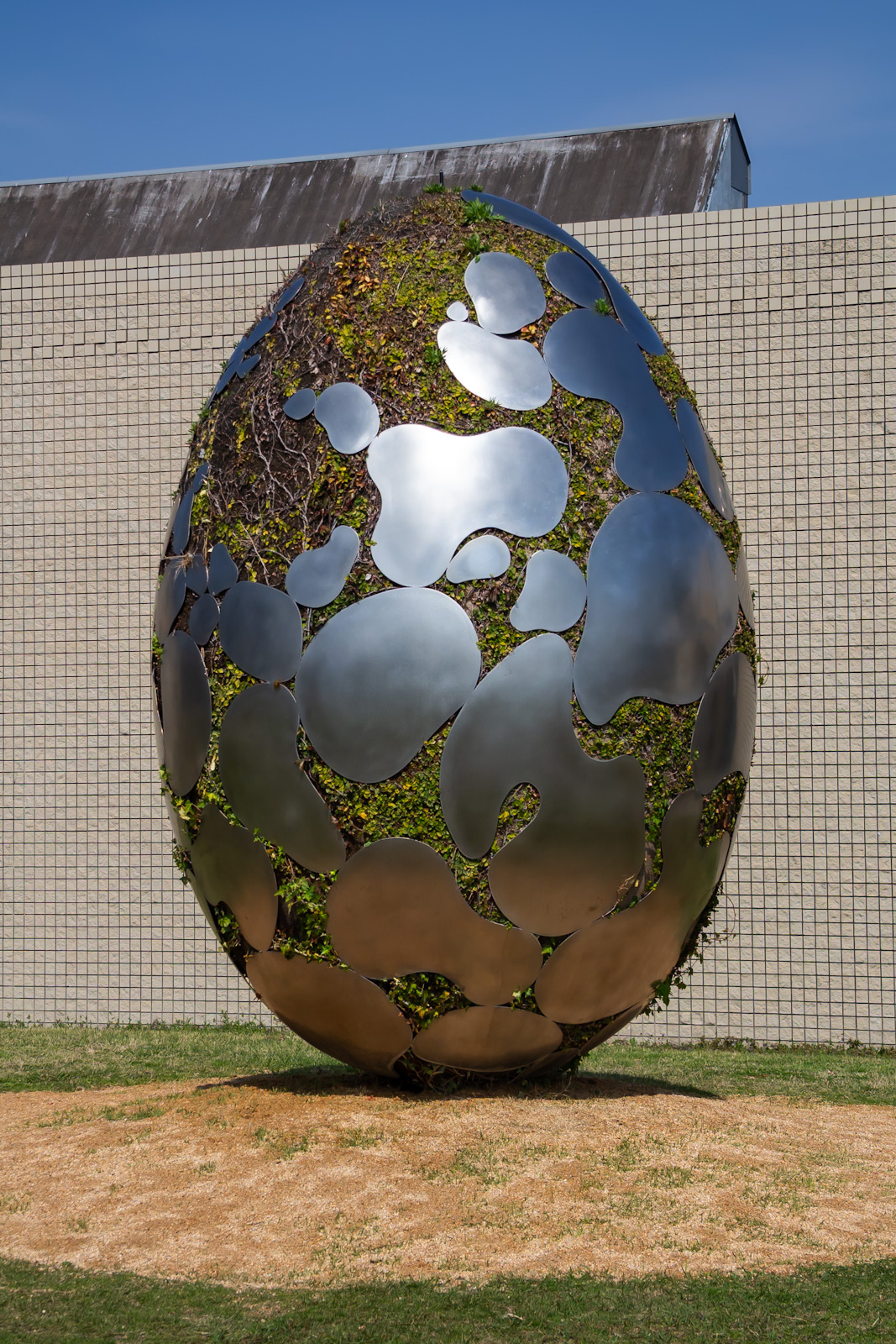
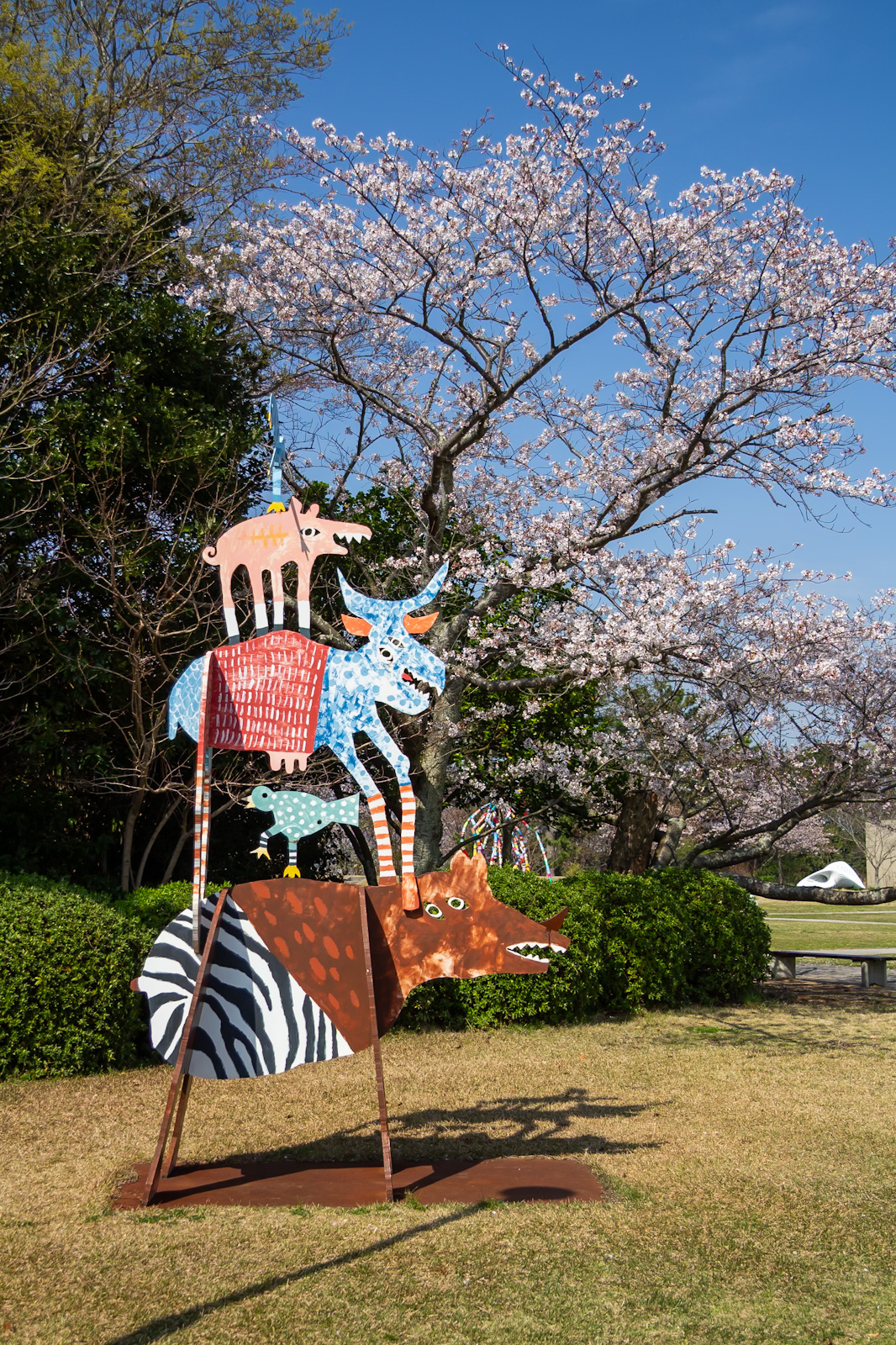
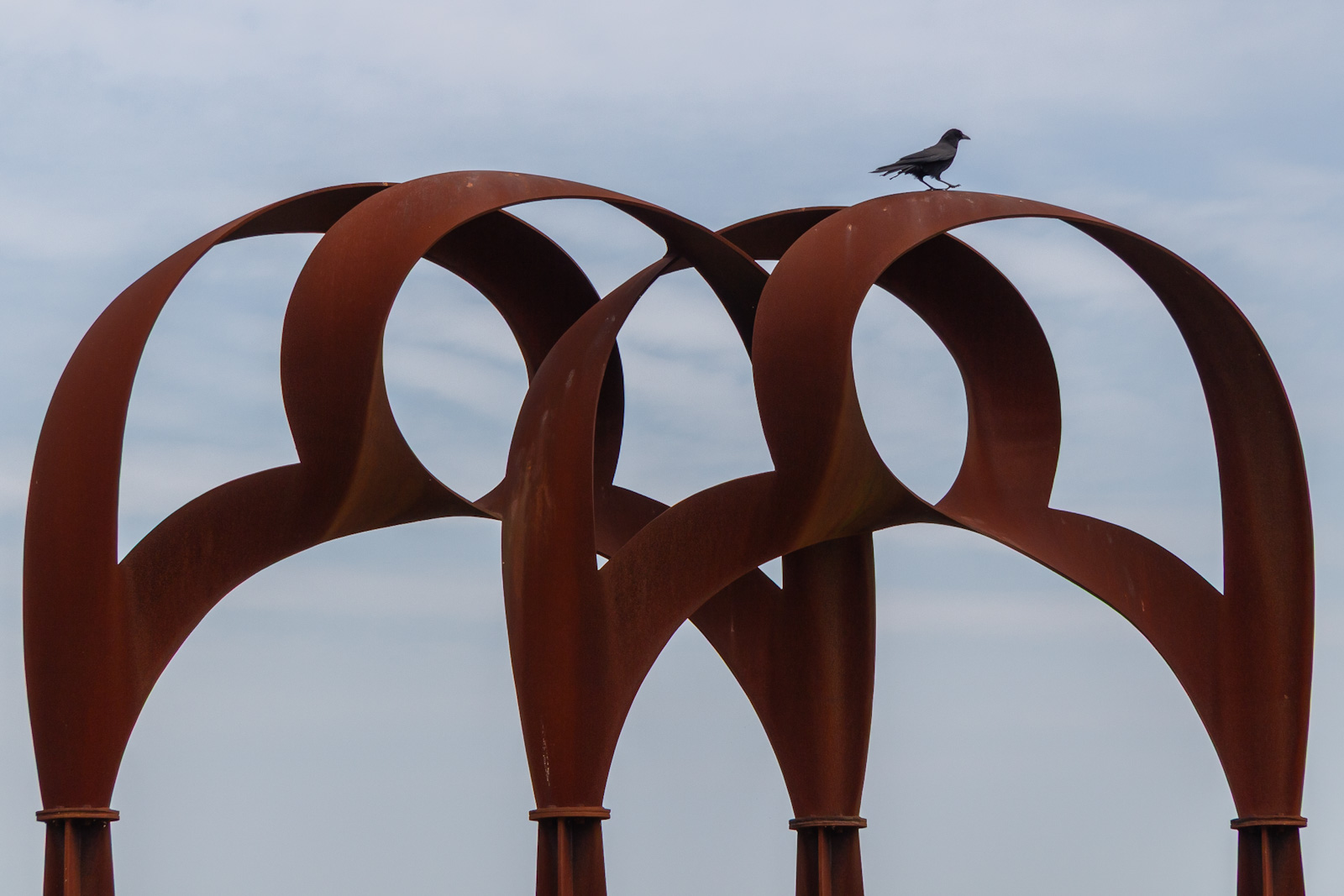
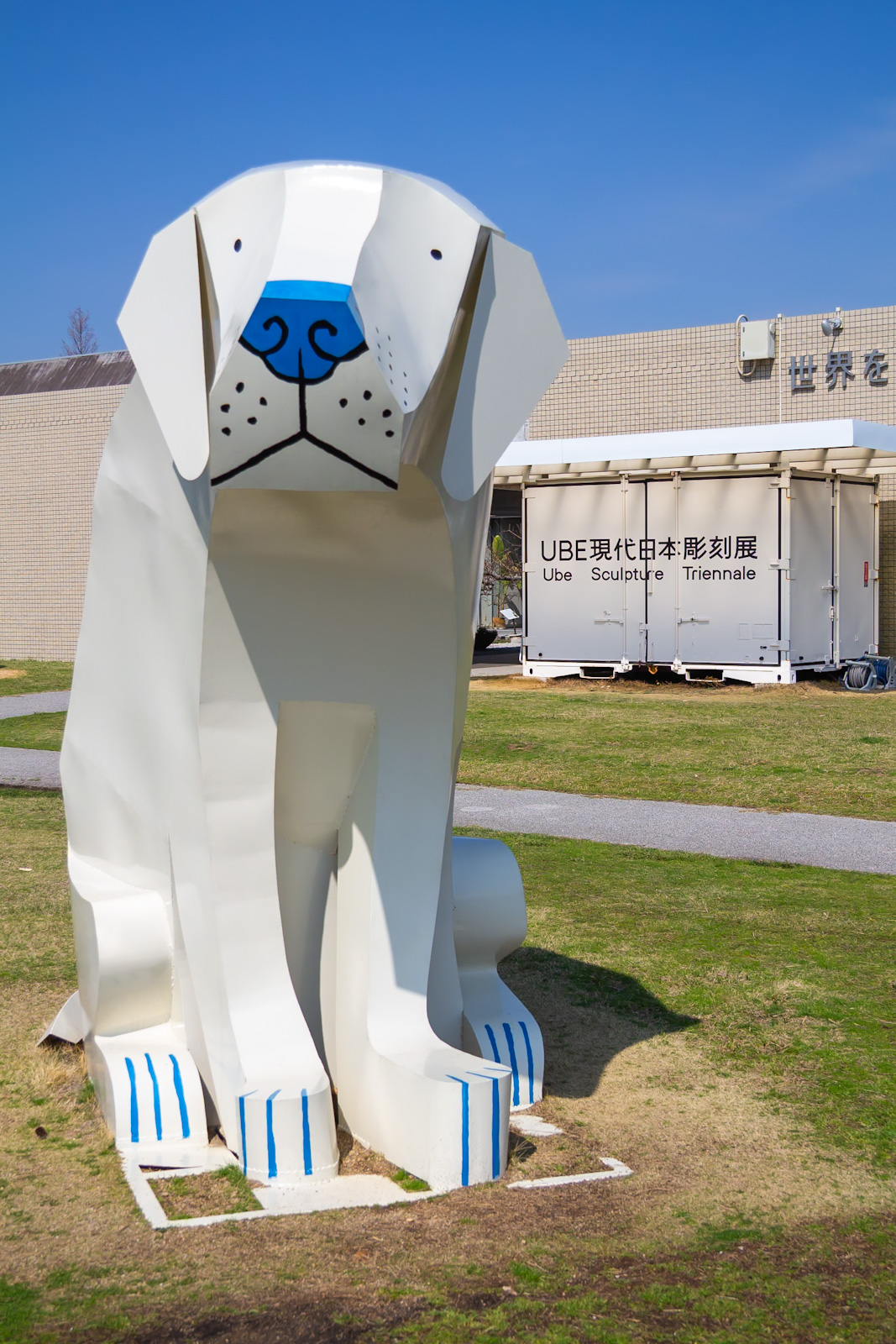
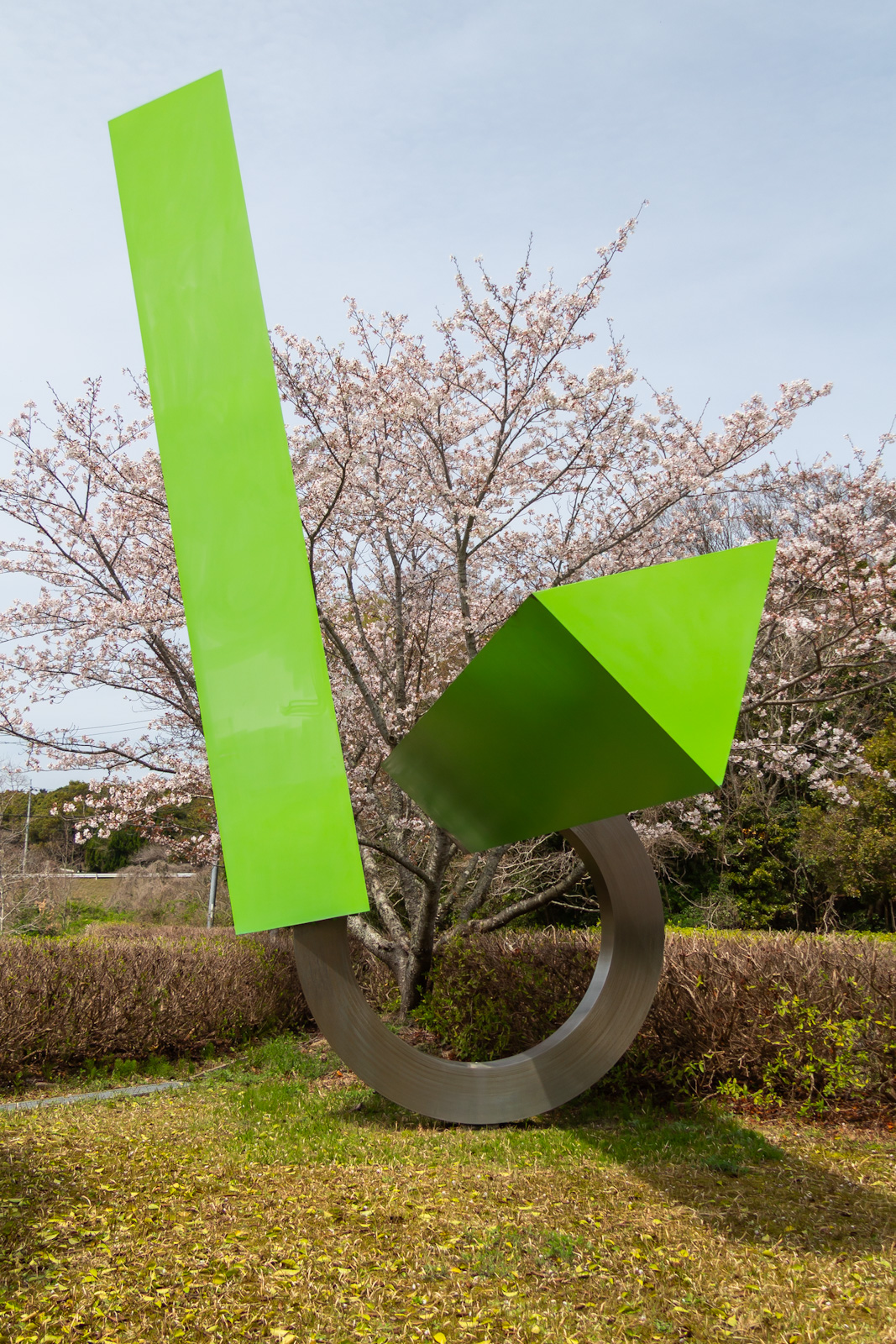
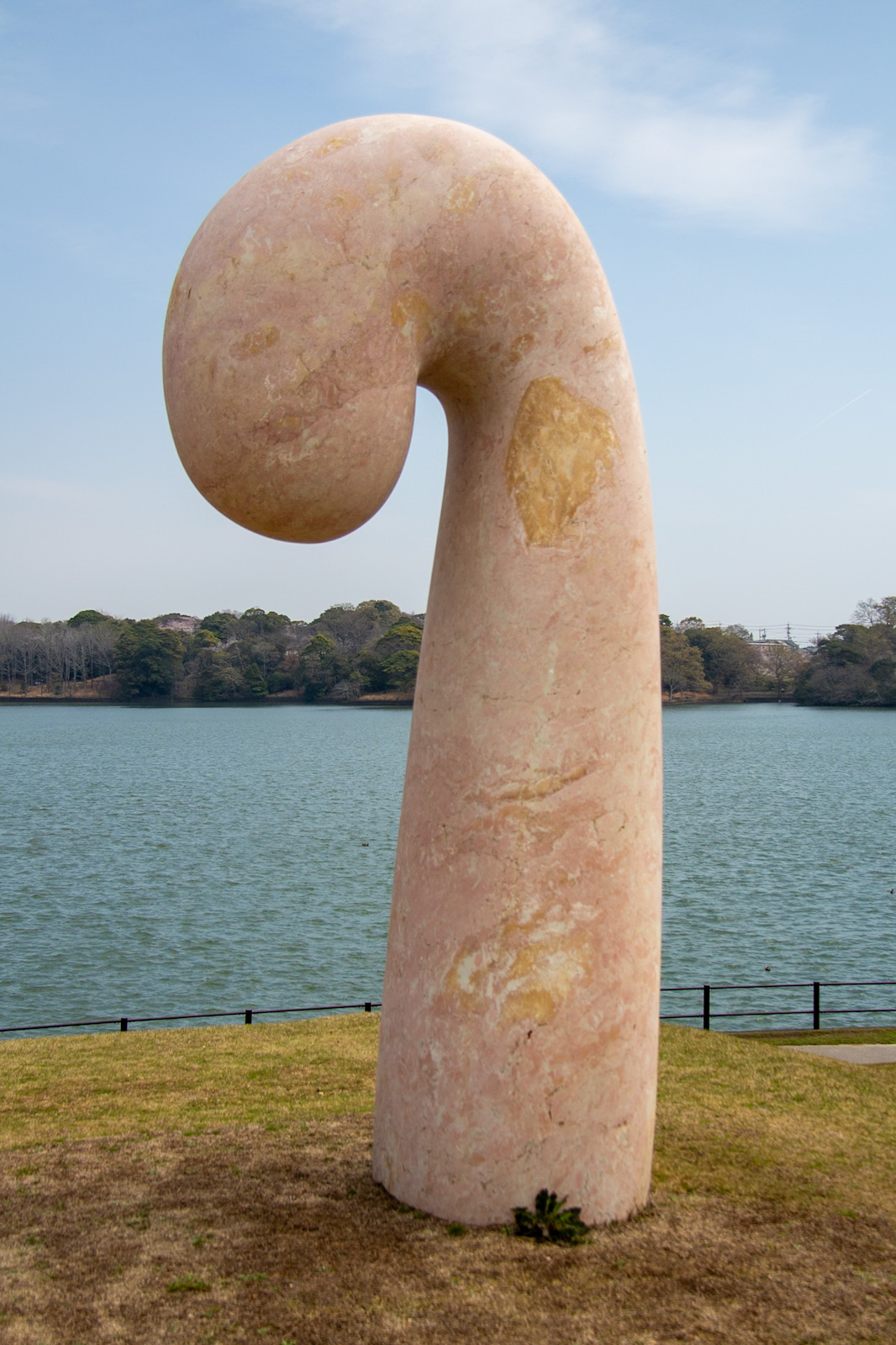
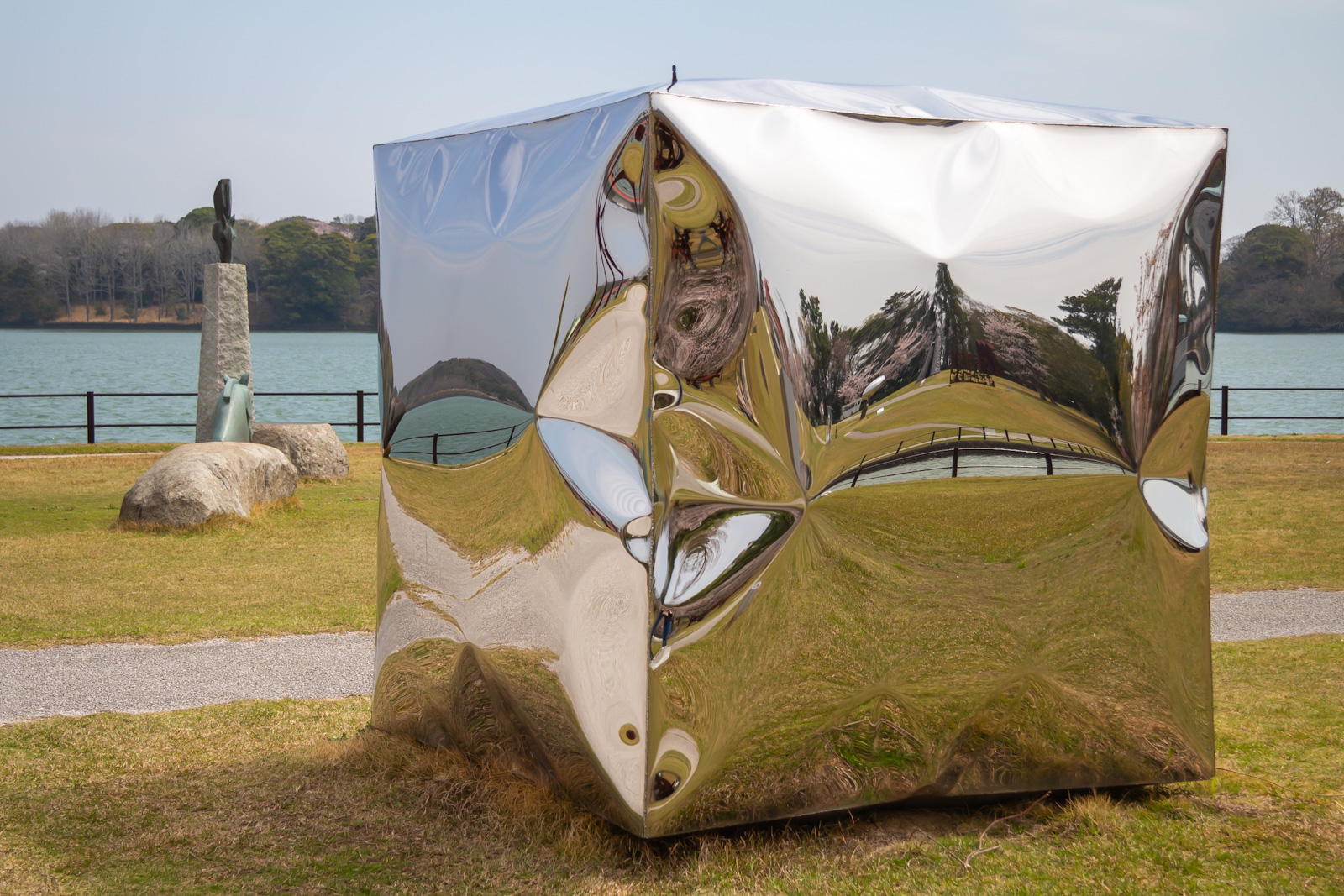
In addition to the many sculptures, Tokiwa Park features a small zoo, botanical garden, coal museum, and an amusement park complete with a Ferris wheel. There’s also a shrine, sports complex, camping grounds, and a couple of restaurants and coffee shops. And then there’s the 5-km (3 mi) loop around the lake. So even if you spend an entire day there, you can always go back and do more. Entrance to the park itself is free, but some attractions, like the zoo and botanical garden, require their own admission fees.
After looking around Sculpture Hill, the venue for the Ube Triennale, and where most of the sculptures are concentrated, I popped into the Pixie Hat. This small cafe, which overlooks the hill, is famous for its incredibly fluffy pancakes. It also makes a decent coffee.
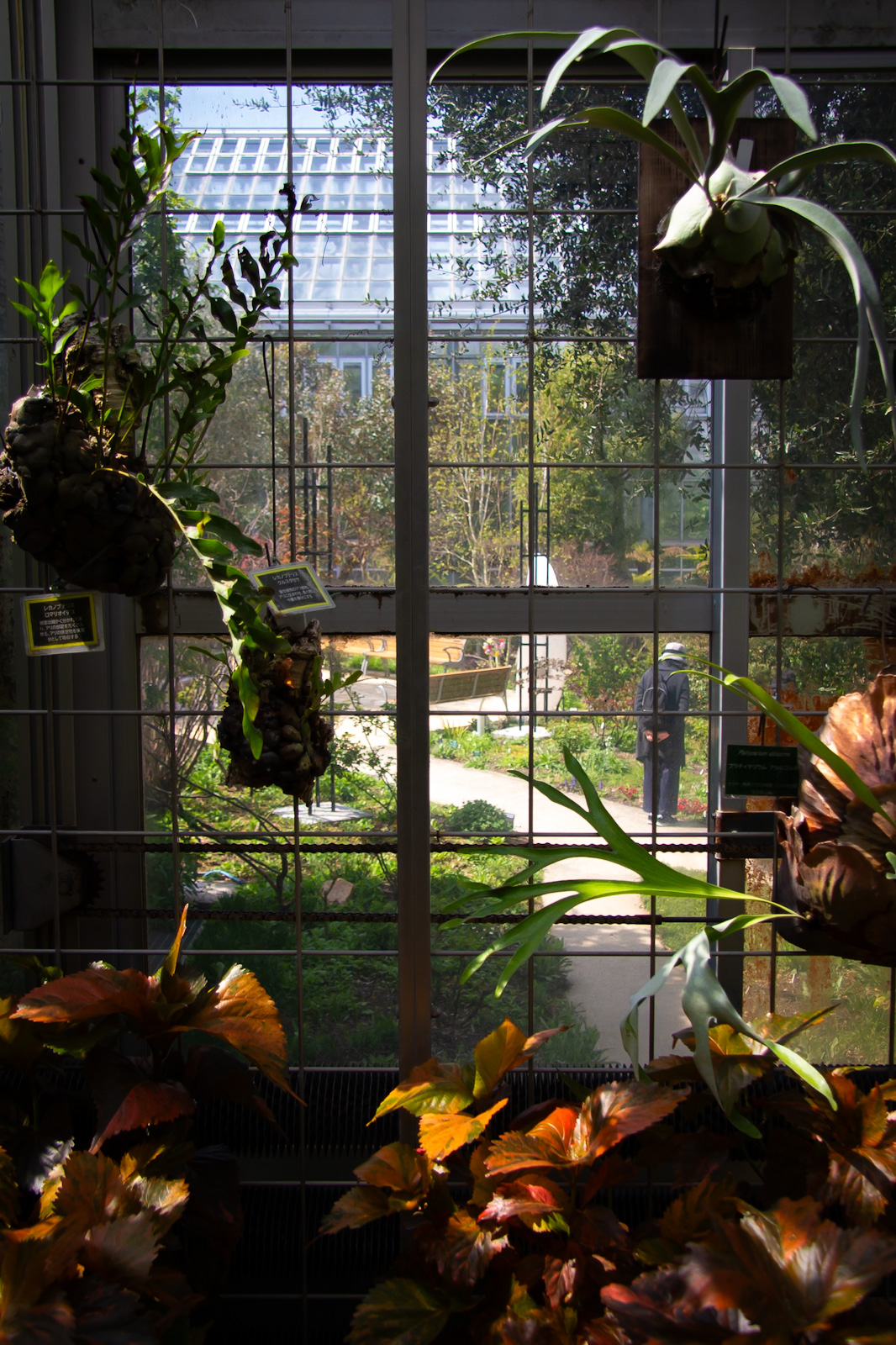
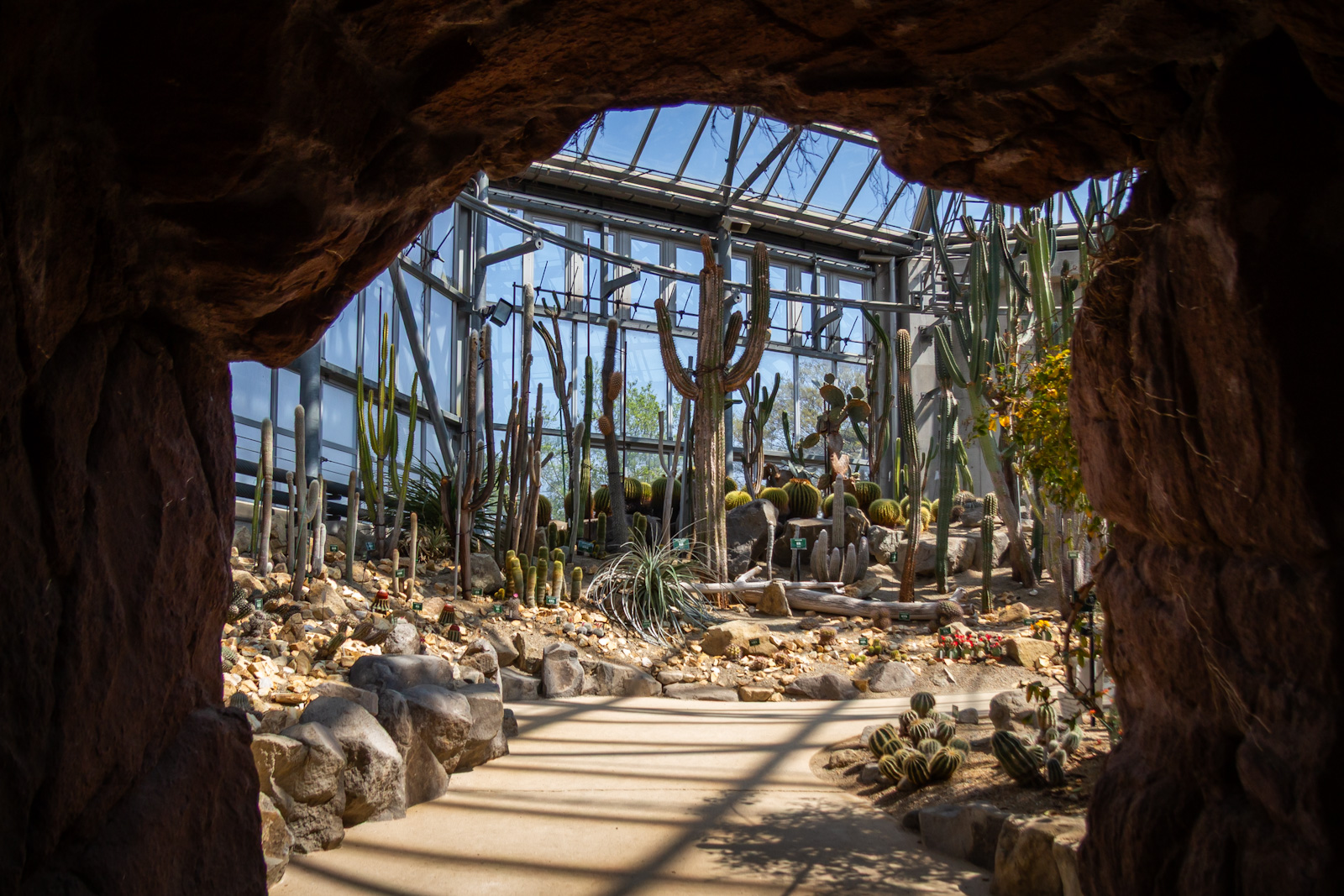
Next up was the botanical garden. Branded as the Tokiwa Plant Museum, the garden is supervised by Nishihata Seijun, a self-branded botanical collector. Designed to take visitors on a journey around the world, it has eight different zones, like the Asian Tropics, Oceania, and Africa, featuring plants, trees, and flowers from each respective region.
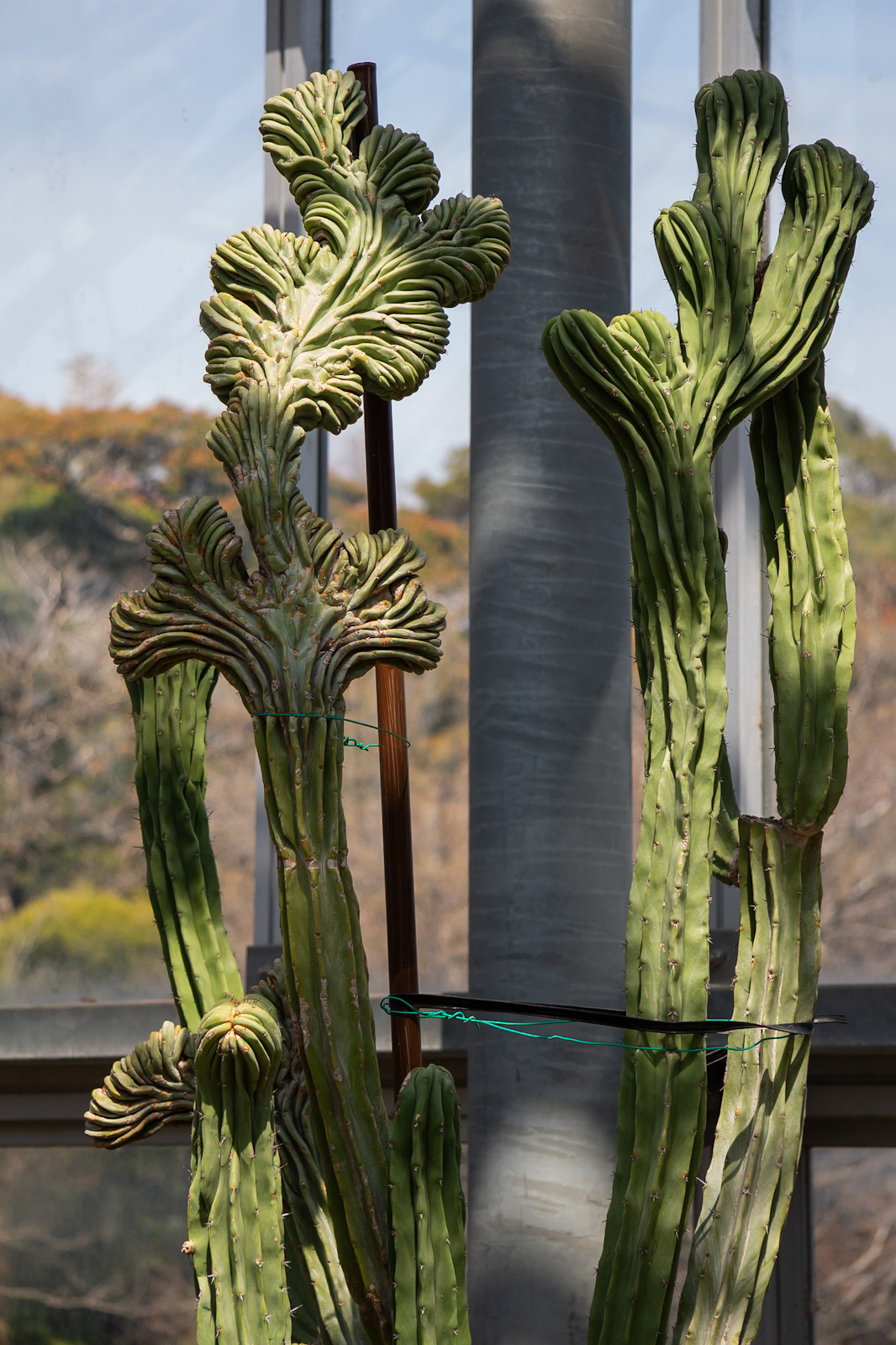
(Myrtillocactus Geometrizans Cristata)
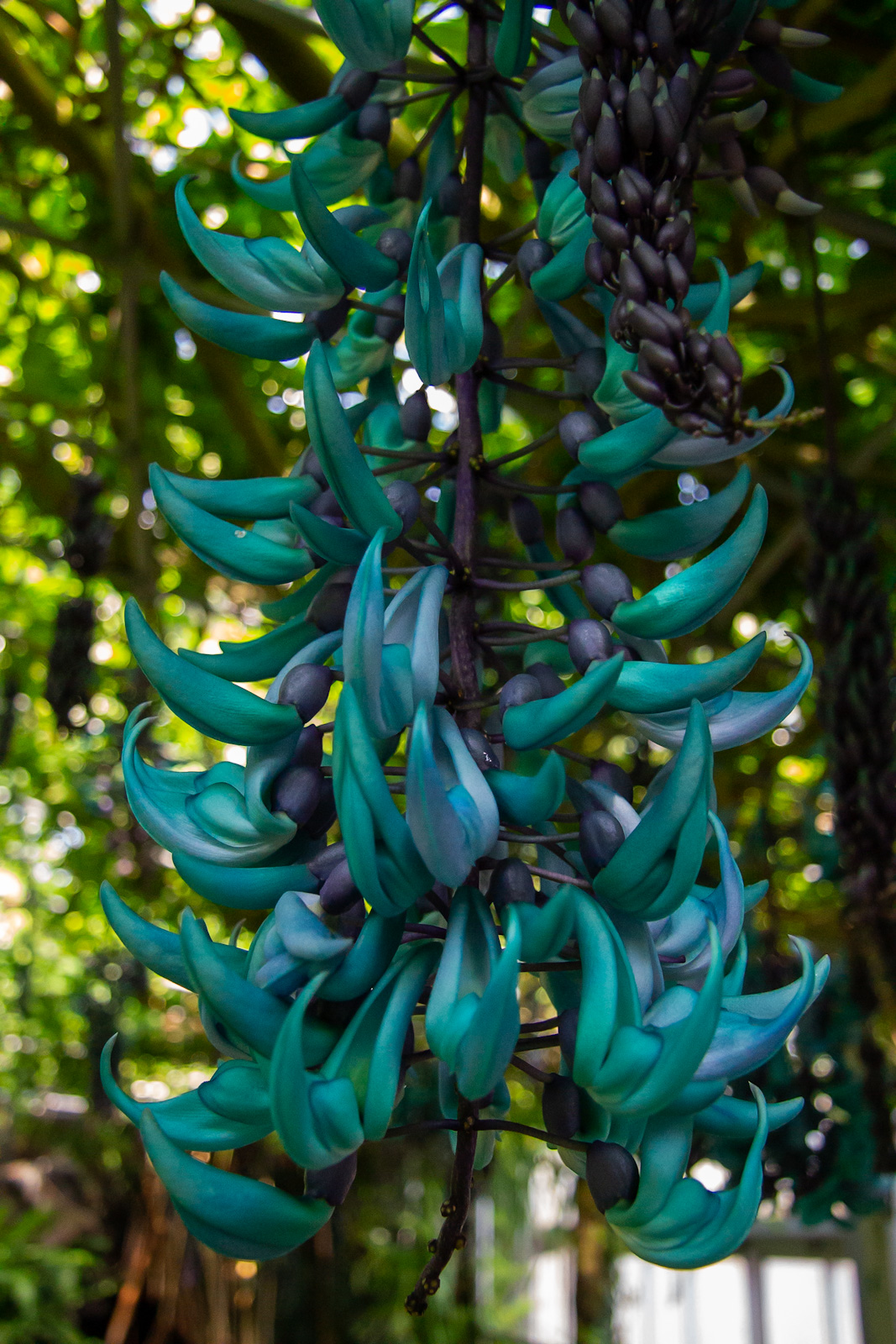
I was particularly interested in the Jade Vine (Strongylodon Macrobotrys), which has been growing here for 30 years. Every spring, from mid-March to mid-April, clusters of it bloom in succession, creating a beautiful tunnel of blue-green vines. Endemic to the Philippines, I’d never seen the plant in person before, so that was definitely a highlight for me.
I headed to Tokiwa Shrine next, located on the lake, accessed via a short vermillion bridge. From here, you can get a good view of Pelican Island, which houses the park’s pink and grey pelicans under a large net (supposedly to protect against the effects of bird flu).
When I reached the Shiratorio Bridge, I figured I might as well go all the way around the lake. There are fewer sculptures on the other side, but also fewer people, so it’s very quiet and serene. Just be mindful where you step, though—I encountered a large rat snake curled up right on the edge of the path.
By the time I finished the loop (which took me almost three hours because I kept stopping to take pictures), I had worked up quite the appetite, so I finished my journey with a giant tower burger at Hawaiian Resort Cafe Leola. And as I sat there, munching on pineapple and dreaming of O’ahu, I thought of what a little gem this city turned out to be.
Visit Tokiwa Park
Tokiwa Park is a 15-minute walk from JR Tokiwa Station on the Ube Line. It’s an unmanned station, though, so there’s no IC card reader or even a ticket machine. You’ll have to buy a paper ticket beforehand from your departing station. When you arrive at Tokiwa Station, put the paper ticket in the fare box right in the front of the waiting area.
If you forget to get a return ticket, you can just grab a numbered ticket from the dispenser on the train right by the door. Check your fare on the screen at the front of the car, and then drop the exact change with your numbered ticket in the fare box at the exit gate after you get off the train.
You can also reach the park by bus from JR Ube-Shinkawa Station. For those coming by bicycle, motorcycle, or car, there are five parking lots. Click here for information and fees.
Tokiwa Park Website
Tokiwa Park Sculpture Walking Map
Ube Sculpture Triennale Website
1 Comment
Join the discussion and tell us your opinion.
I love me a good park and some sakura viewing, so this is definitely going on my list of places to see some future spring! Thanks for discovering and sharing this gem.