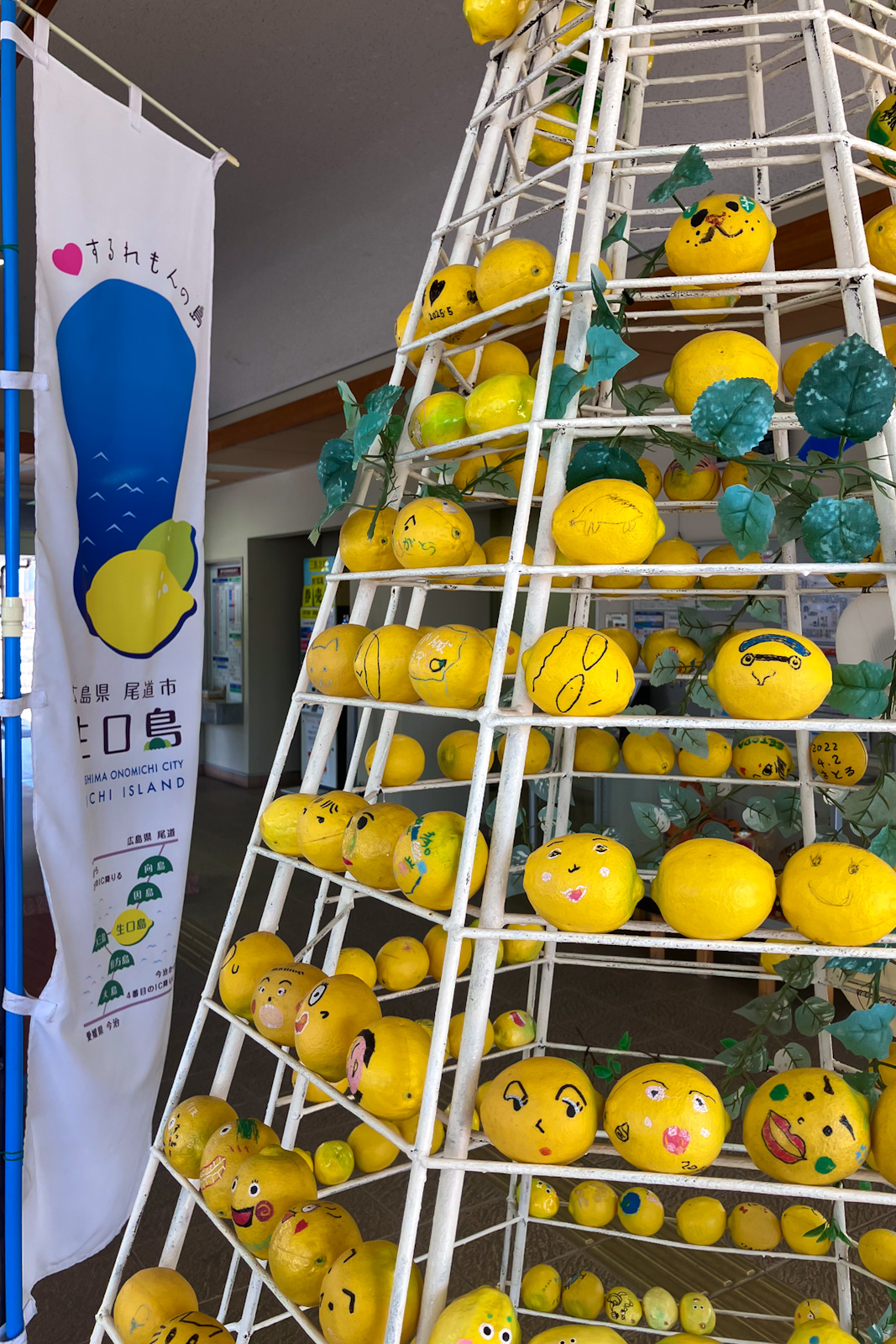
The idyllic waters of the Seto Inland Sea are home to thousands of islands that boast Mediterranean-like views, natural beauty, world-class art, and delicious seafood. Some of these islands also serve as rest stops along the Shimanami Kaido, a spectacular 70 km (43 mi) cycling route that links Onomichi, Hiroshima to Imabari, Ehime. One of the most popular of these rest stops is Ikuchijima. The 31.21 km² (12.05 sq mi) island, known as “Lemon Island,” is about halfway along. But it also makes for a good side quest if you happen to be in Hiroshima. I had been exploring nearby Fukuyama for a few days, so I decided to head on over and check it out.
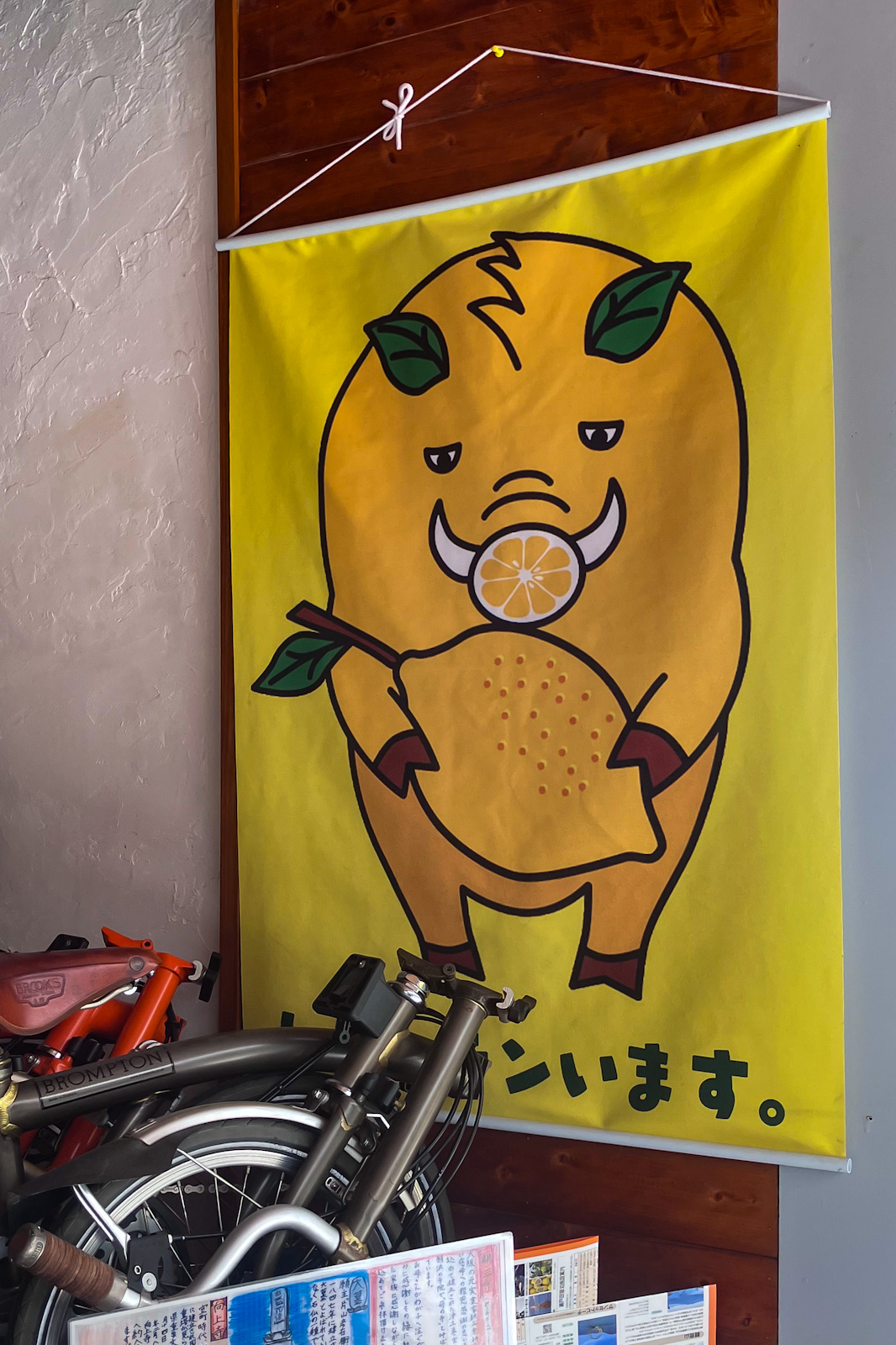
Ikuchijima belongs to Hiroshima prefecture and is administered as part of Onomichi City. The island earned its nickname because it is Japan’s top lemon cultivator, producing about a third of the country’s total domestic yield. But its actual name comes from a legend about a sea monster, Ikuchi, said to have sunk boats after slowly engulfing them with an oil-like slime. And the island certainly looks like something right out of a folktale.
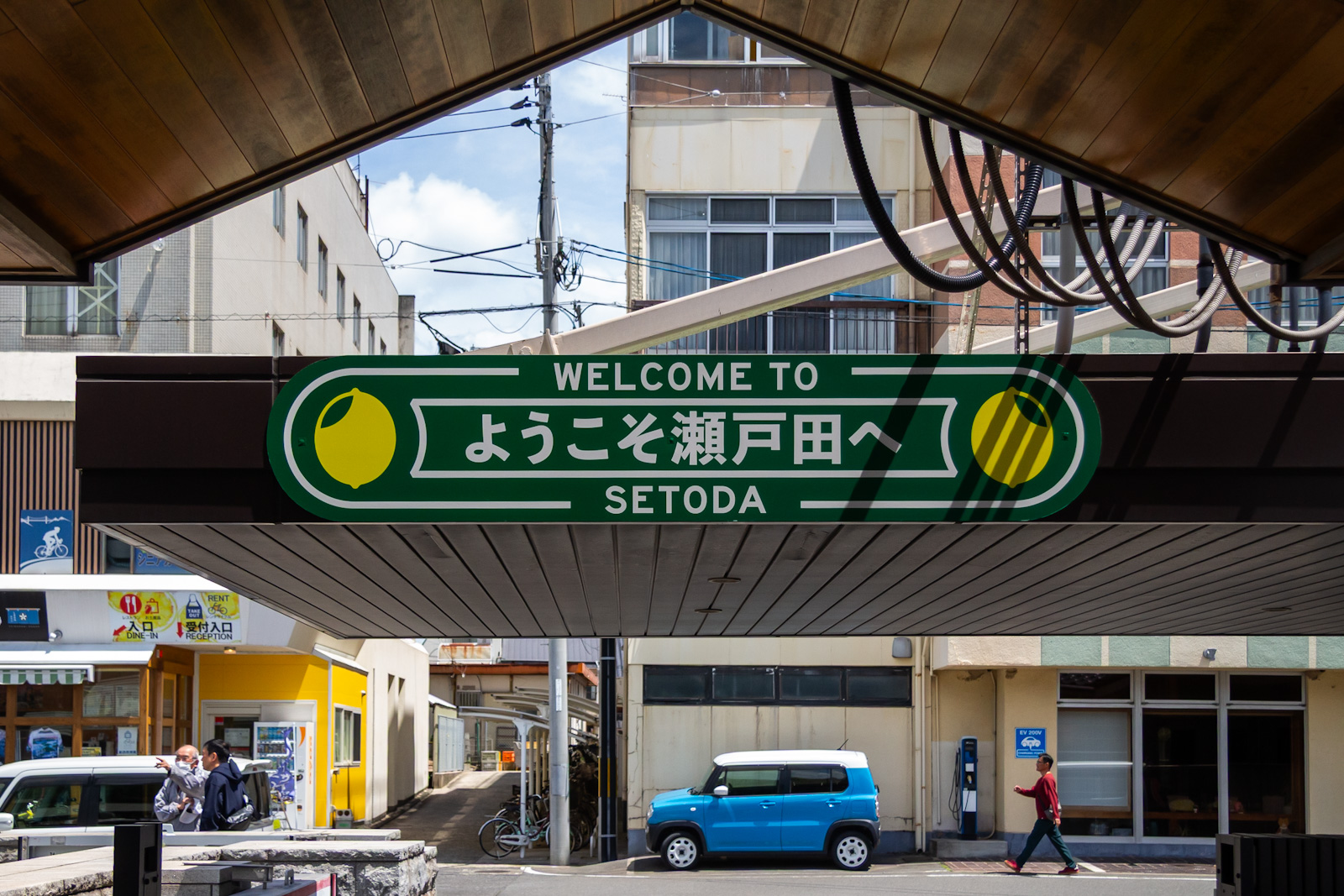
“Welcome to Setoda”, a giant sign greets you as you step off the ferry. The picturesque port town is where all the main attractions are concentrated, though you could comfortably cycle or drive around the entire island in less than a day. I was on foot, and it was incredibly windy, so I didn’t hang around long before heading off to the first attraction.
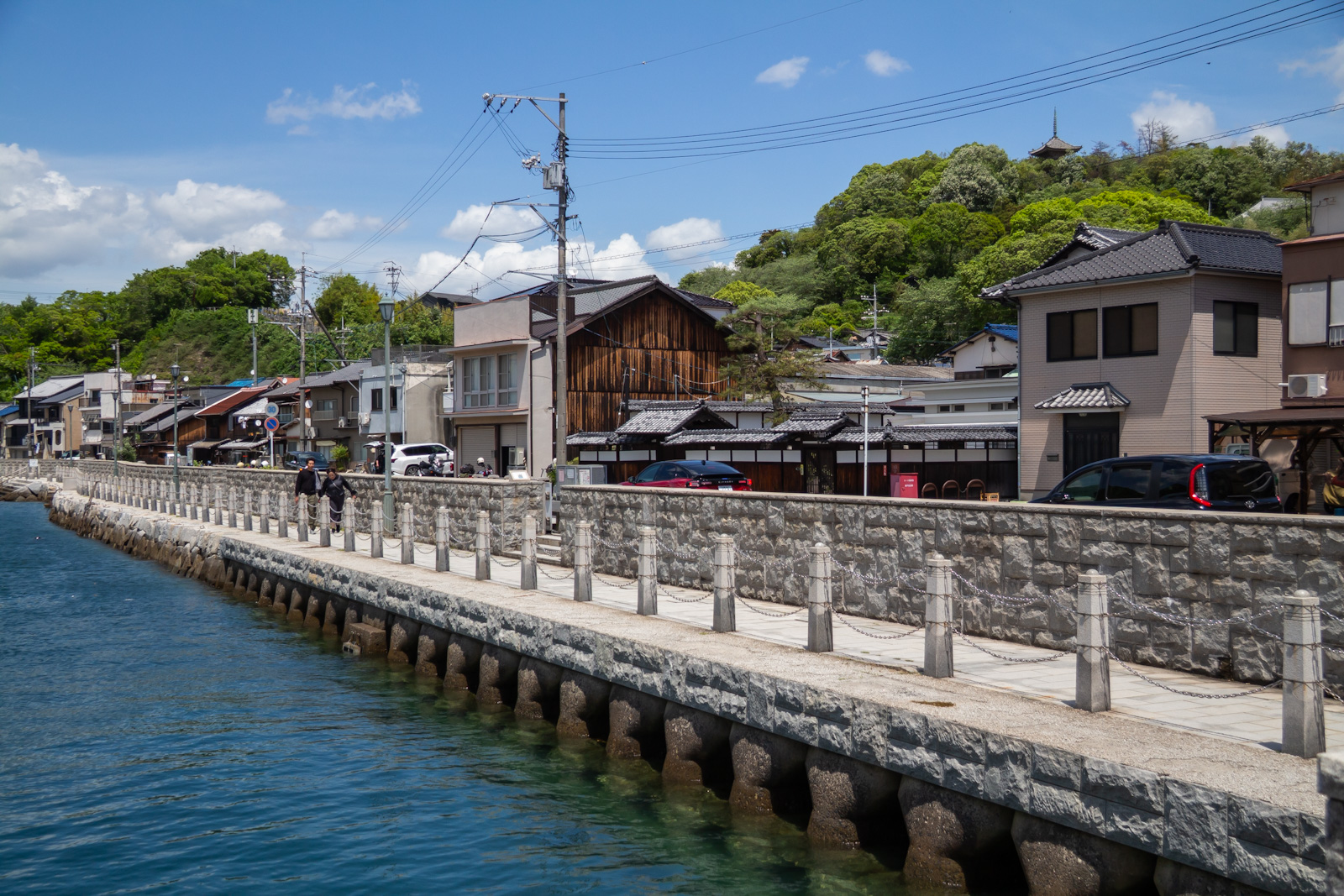
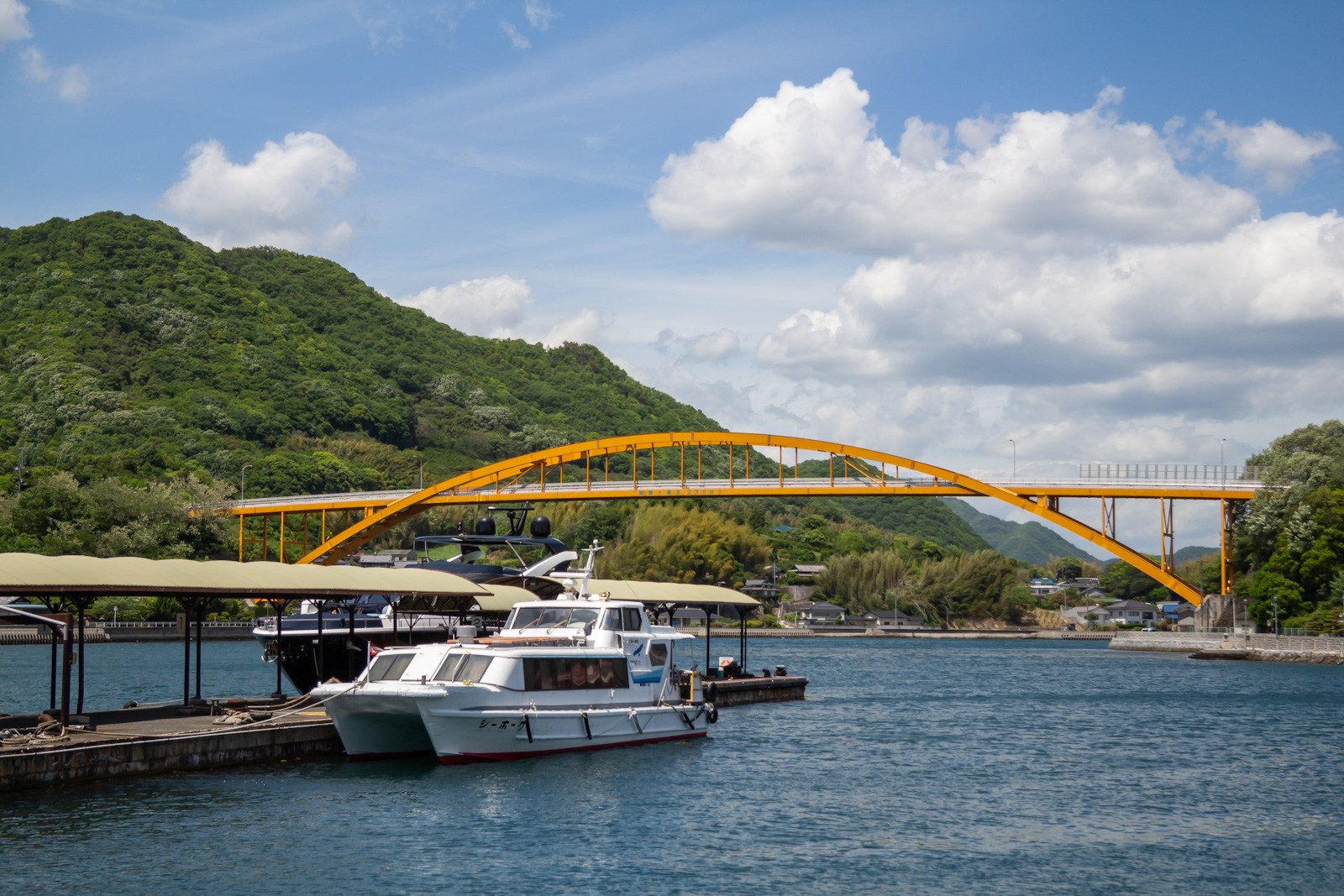
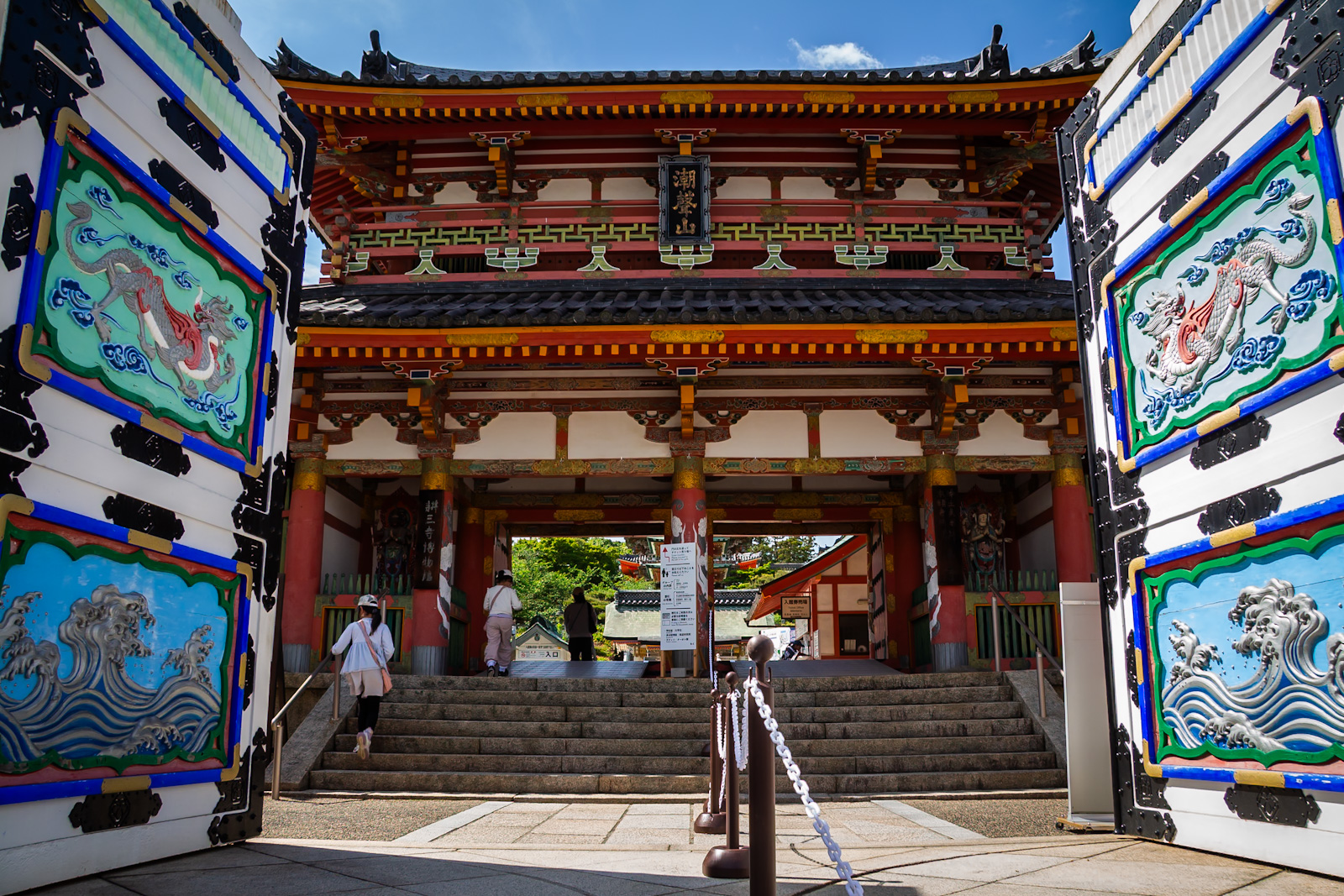
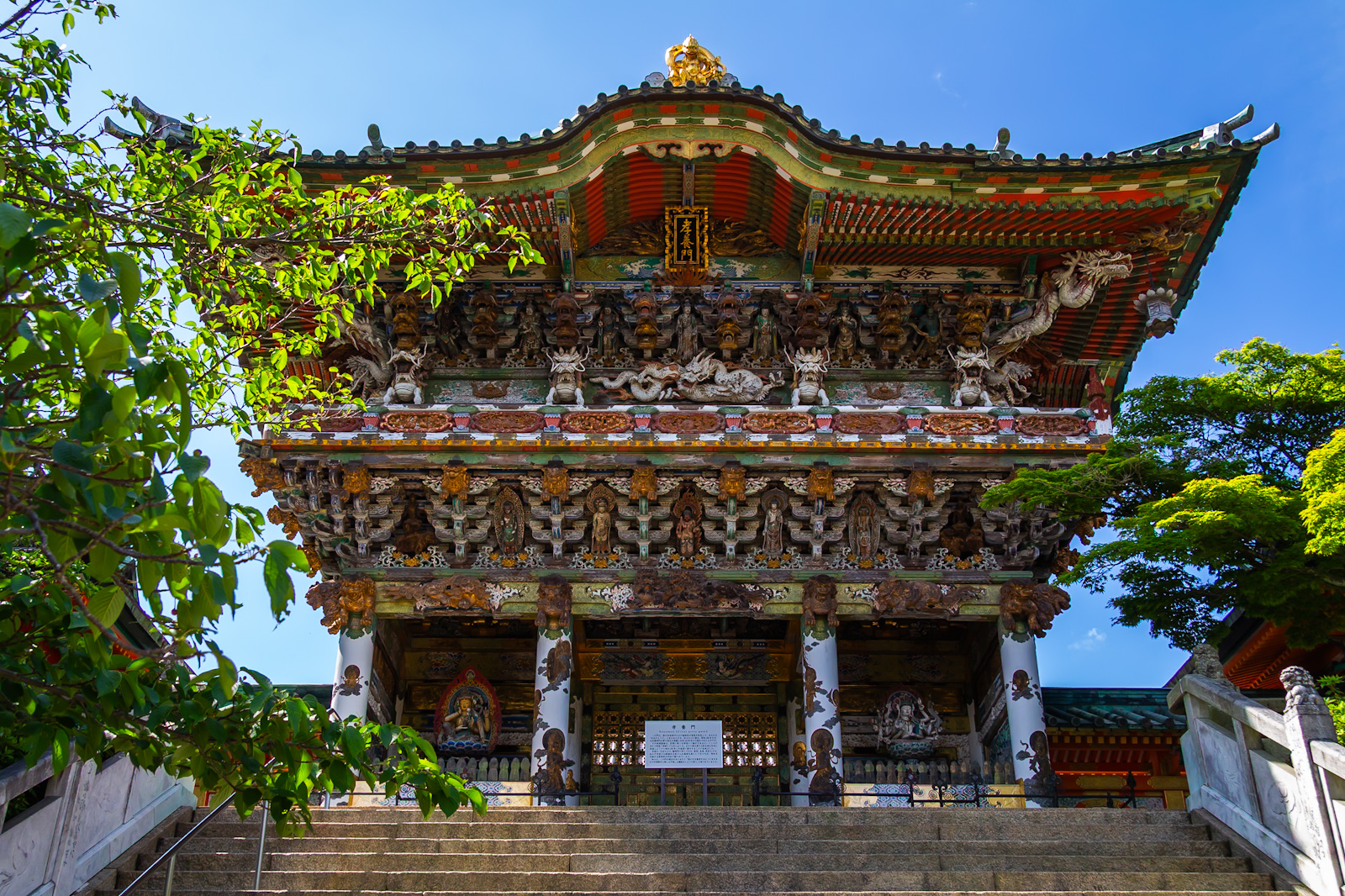
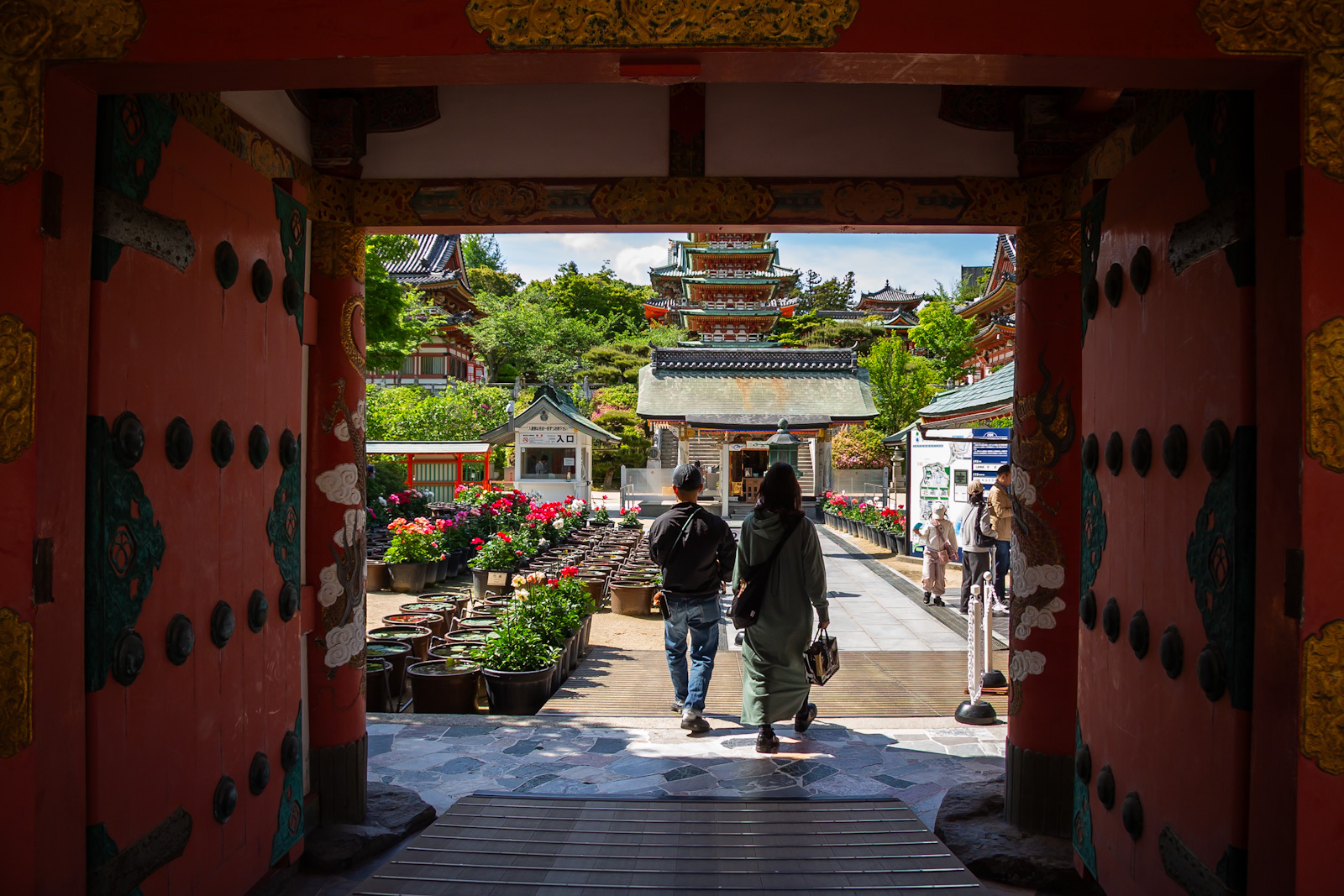
Kousanji Temple
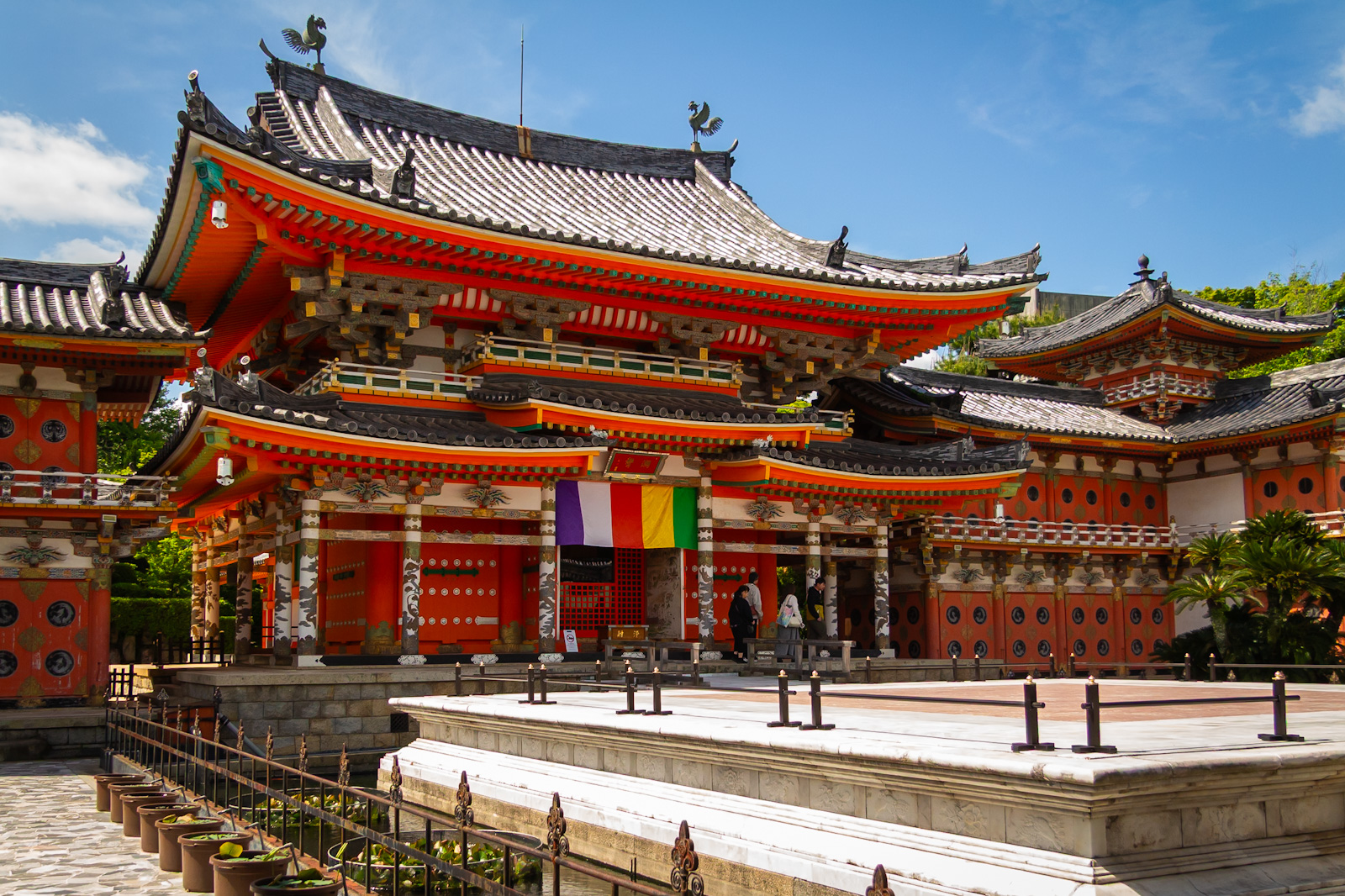
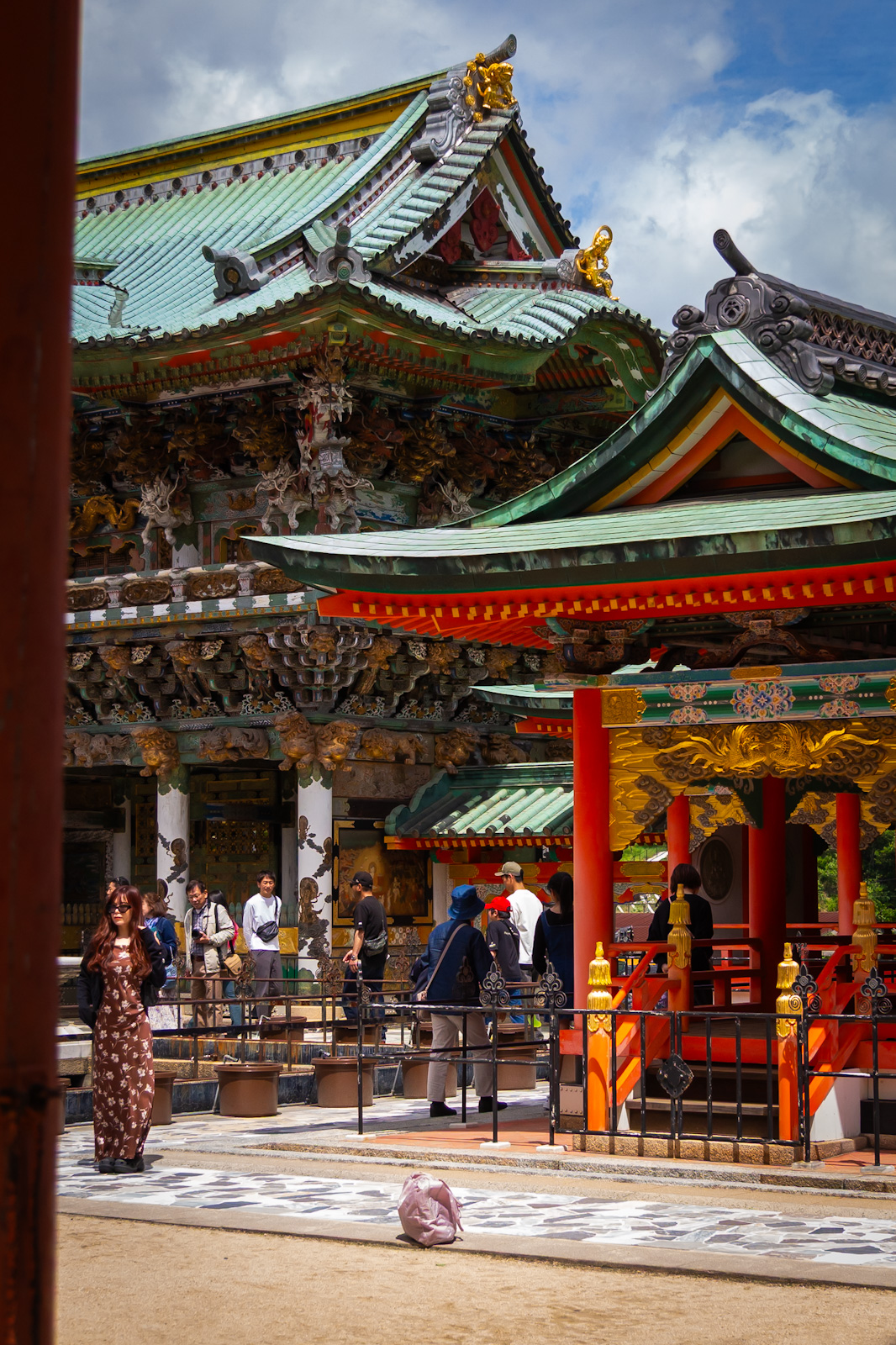
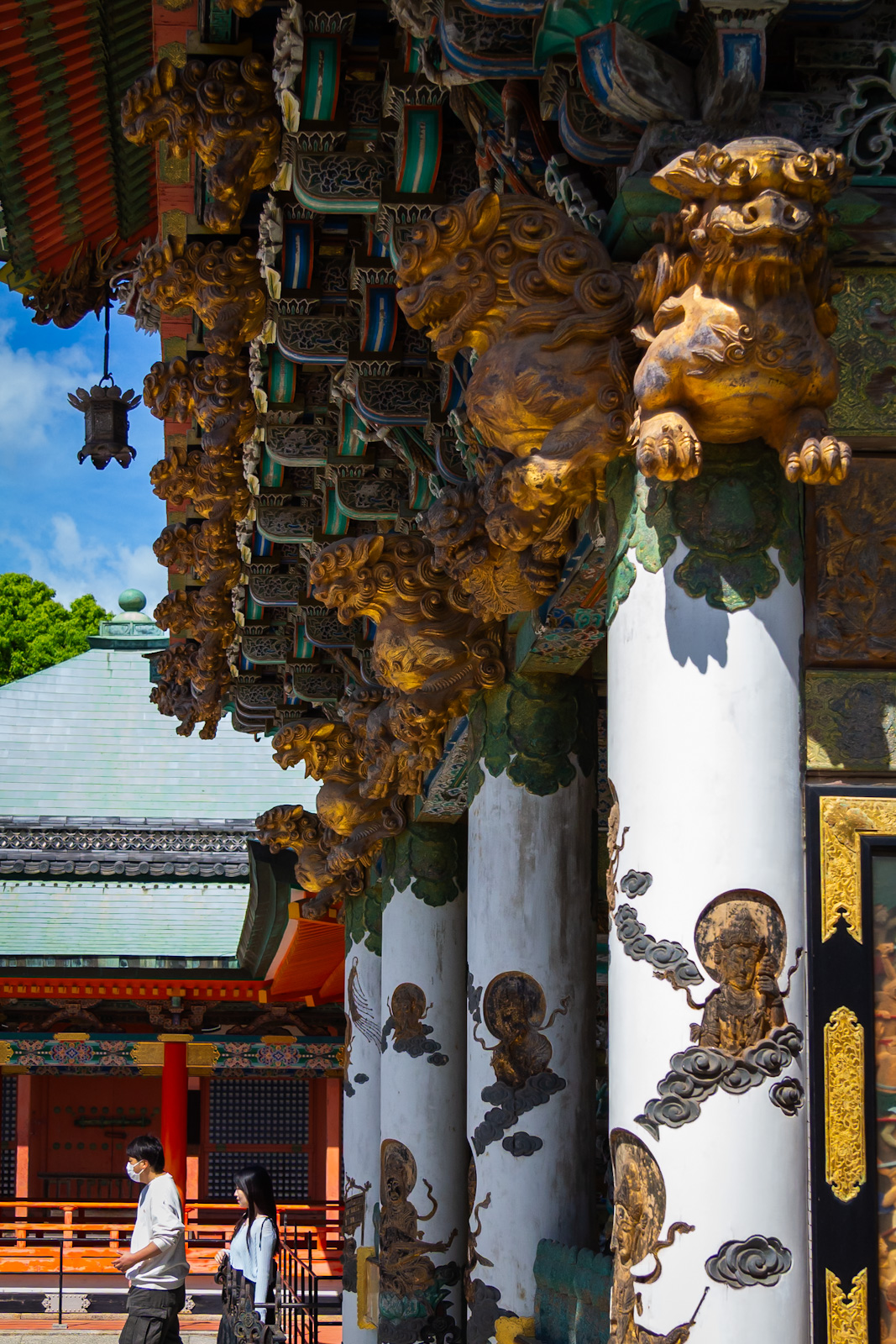
As you approach Kousanji, it becomes obvious that this isn’t your average Japanese temple. Two giant white gates, adorned with picture frames of waves and dragons, lead you up the stairs and through the Central Gate, which is also painted white and adorned with bright vermilion pillars.
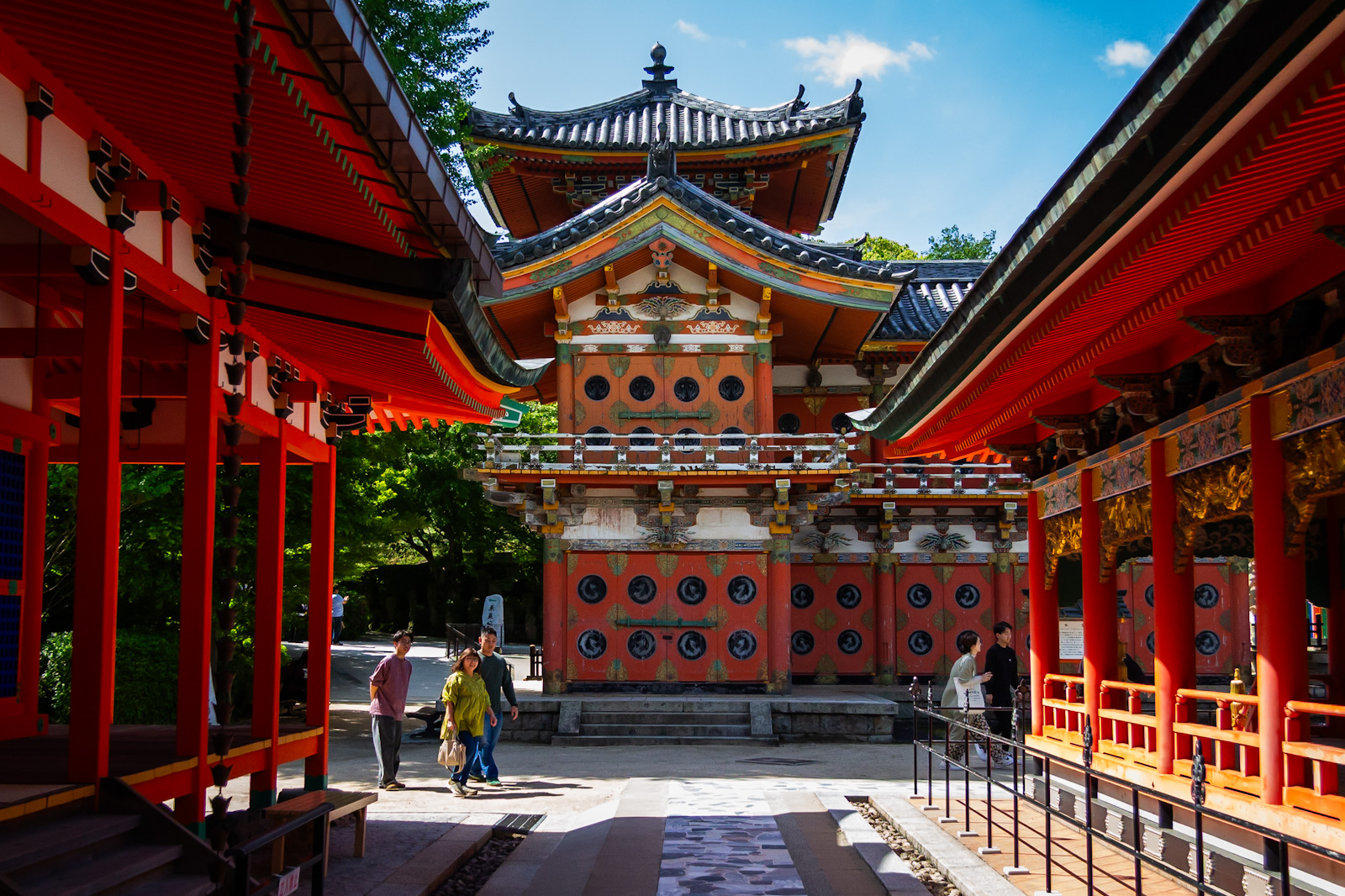
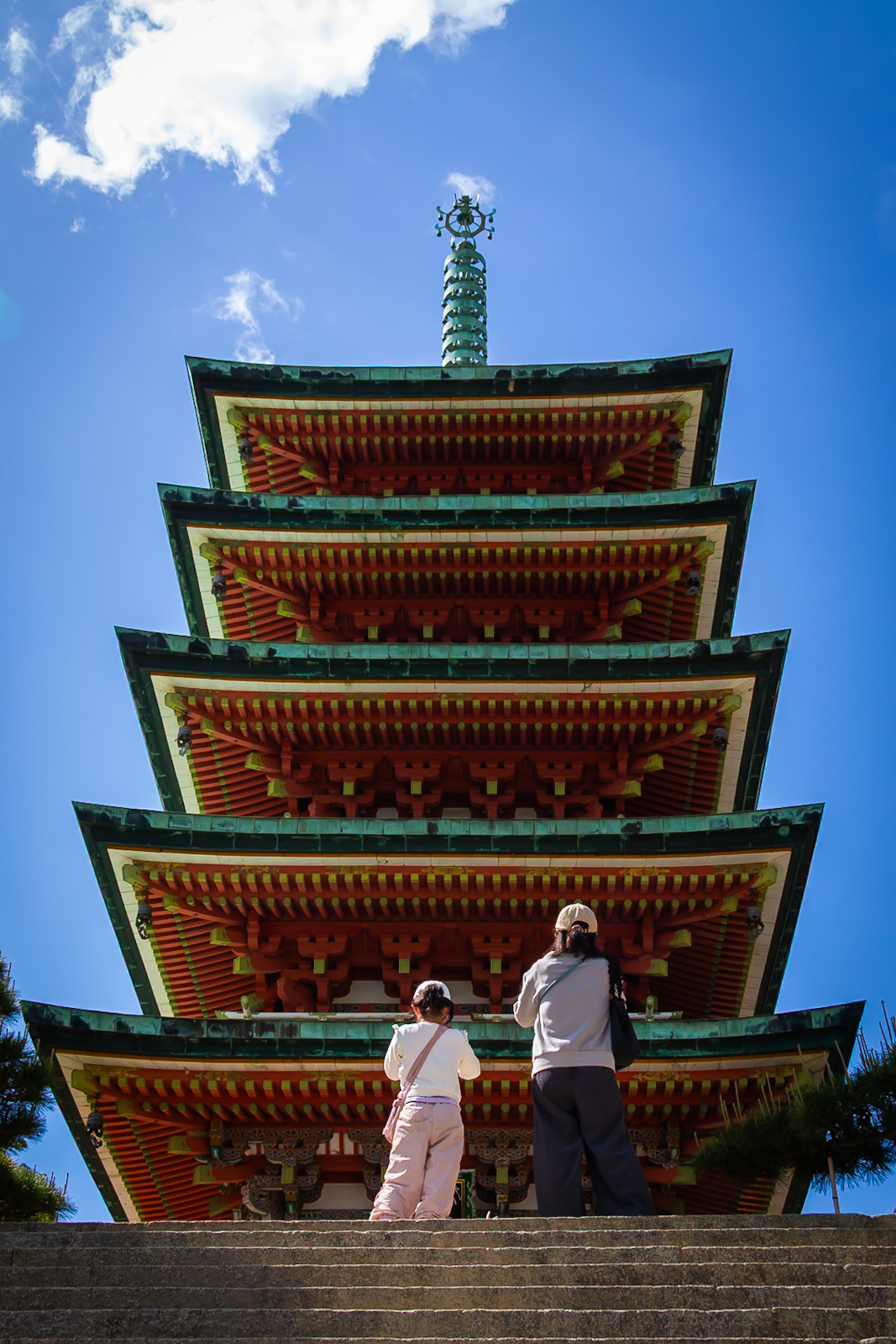
The temple belongs to the Honganji Sect of Jodo Shinshu, which is Japan’s largest Buddhist denomination. It was founded in 1936 by a wealthy welder from Osaka named Kozo Kousanji, who was a pioneer of French-style techniques. It took him more than three decades to complete the multi-level complex. It features more than a dozen buildings, including the main hall, two pagodas, a huge statue of Kuse Kanon, and a thousand-buddha cave.
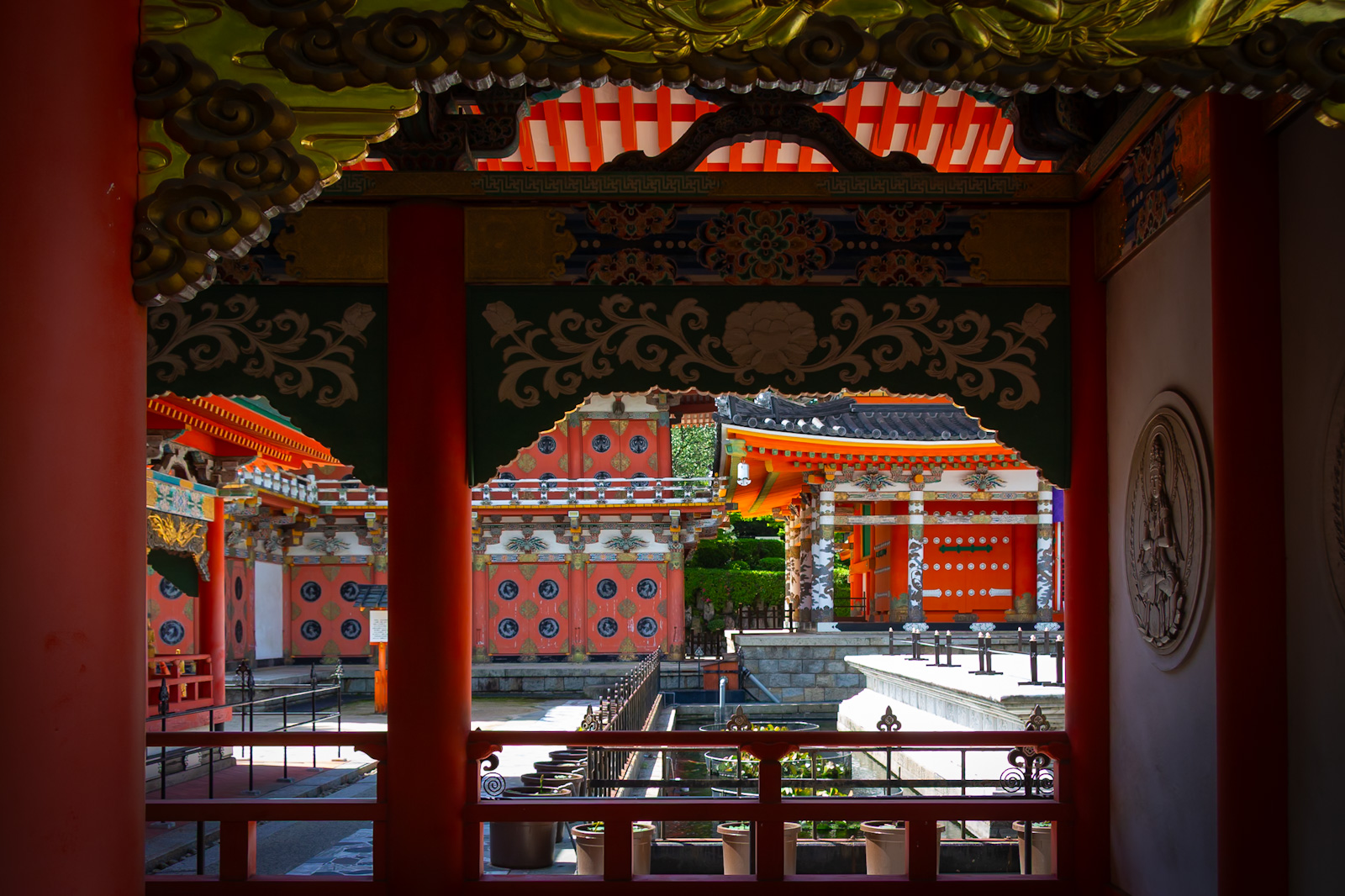
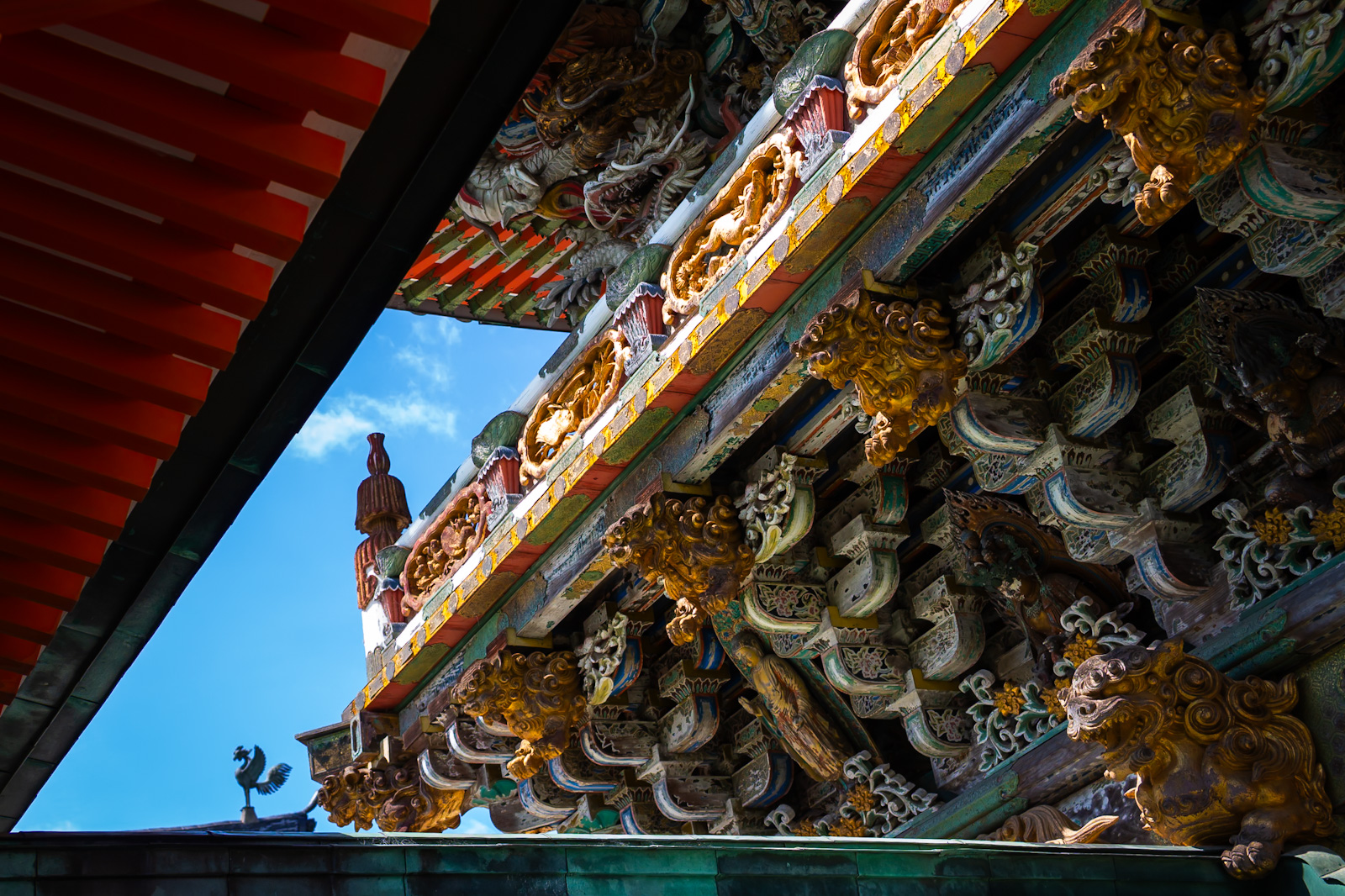
Sixteen of the buildings are registered as National Tangible Cultural Properties, and when you see the level of craftsmanship that went into each, it’s easy to understand why. But it’s also kind of insane to think about. Every surface is covered with ornamentation, from intricate relief carvings to layered rooflines to gold-leaf highlights to richly colored paint. You could spend hours just marveling at one corner of one building. In this way, it reminded me of Nikko Toshogu Shrine.
Apparently, Kousanji was motivated by his devotion to his late mother. He had originally built a villa as a peaceful residence for her, but after her death, he poured his fortune into expanding the property into the sprawling temple it is today to honor her. He even ended up joining the priesthood out of his deep filial piety. Because of this, Kousanji is especially popular around Mother’s Day, but it’s spectacular to see at any time. And that’s not all waiting for visitors.
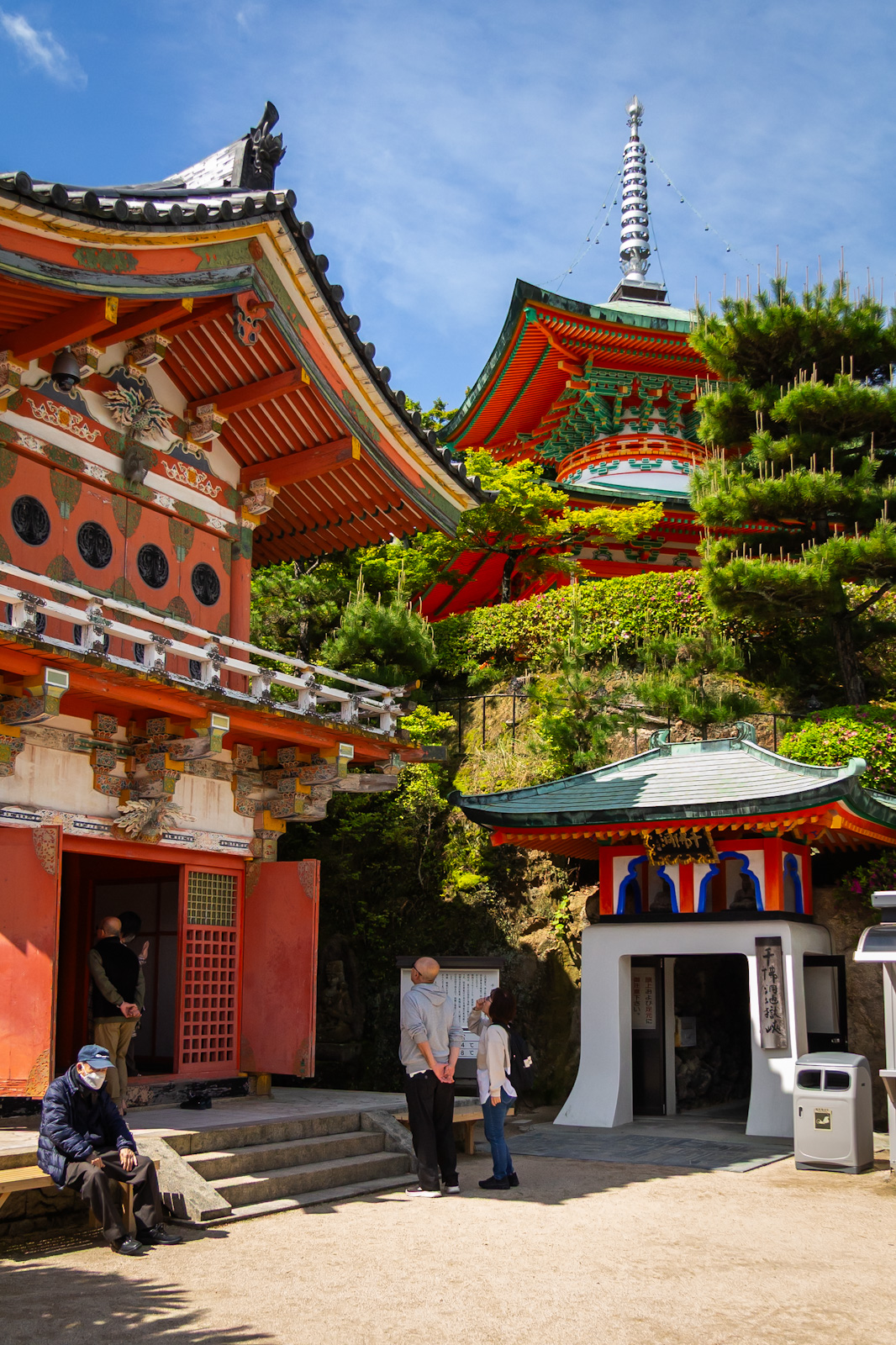
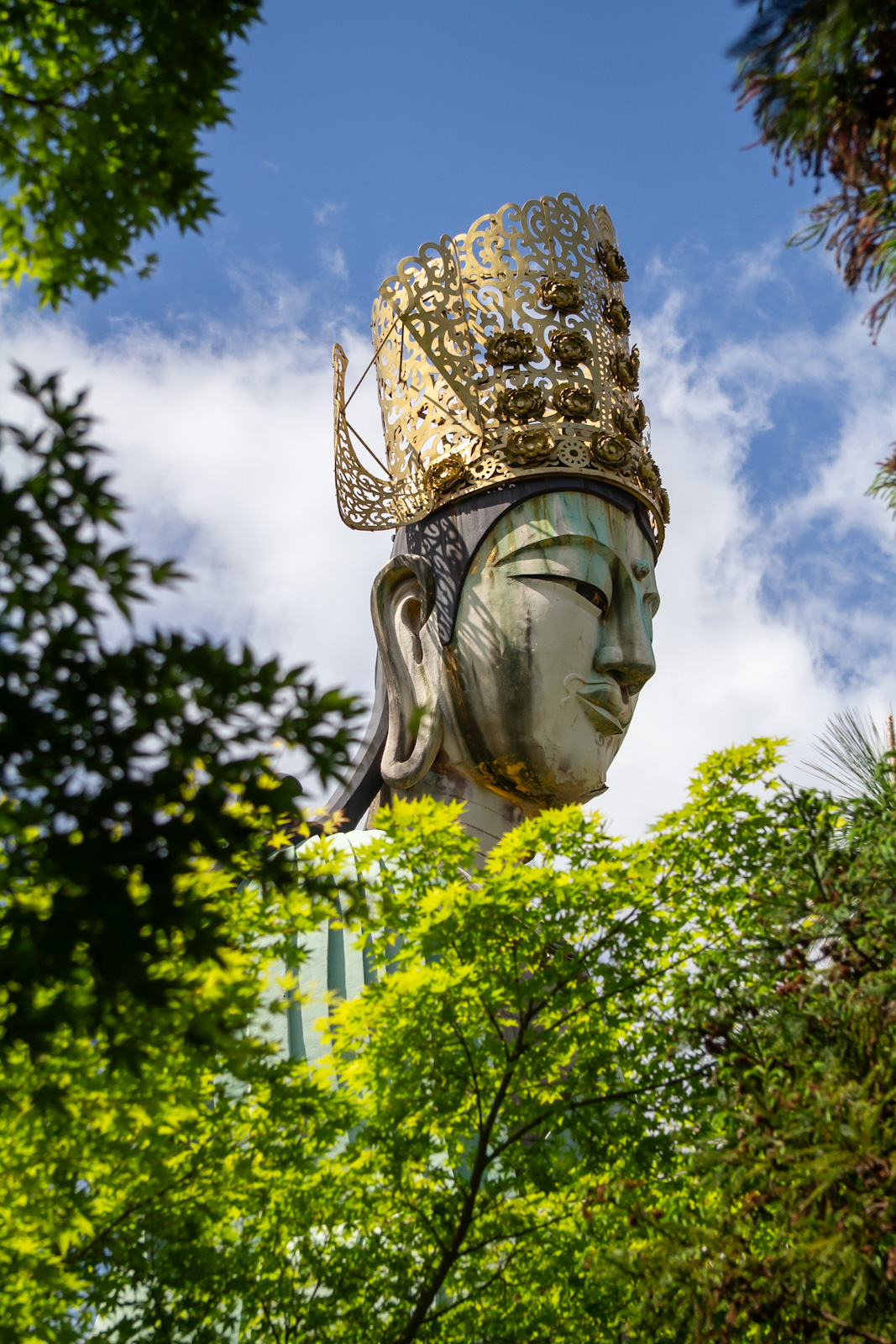
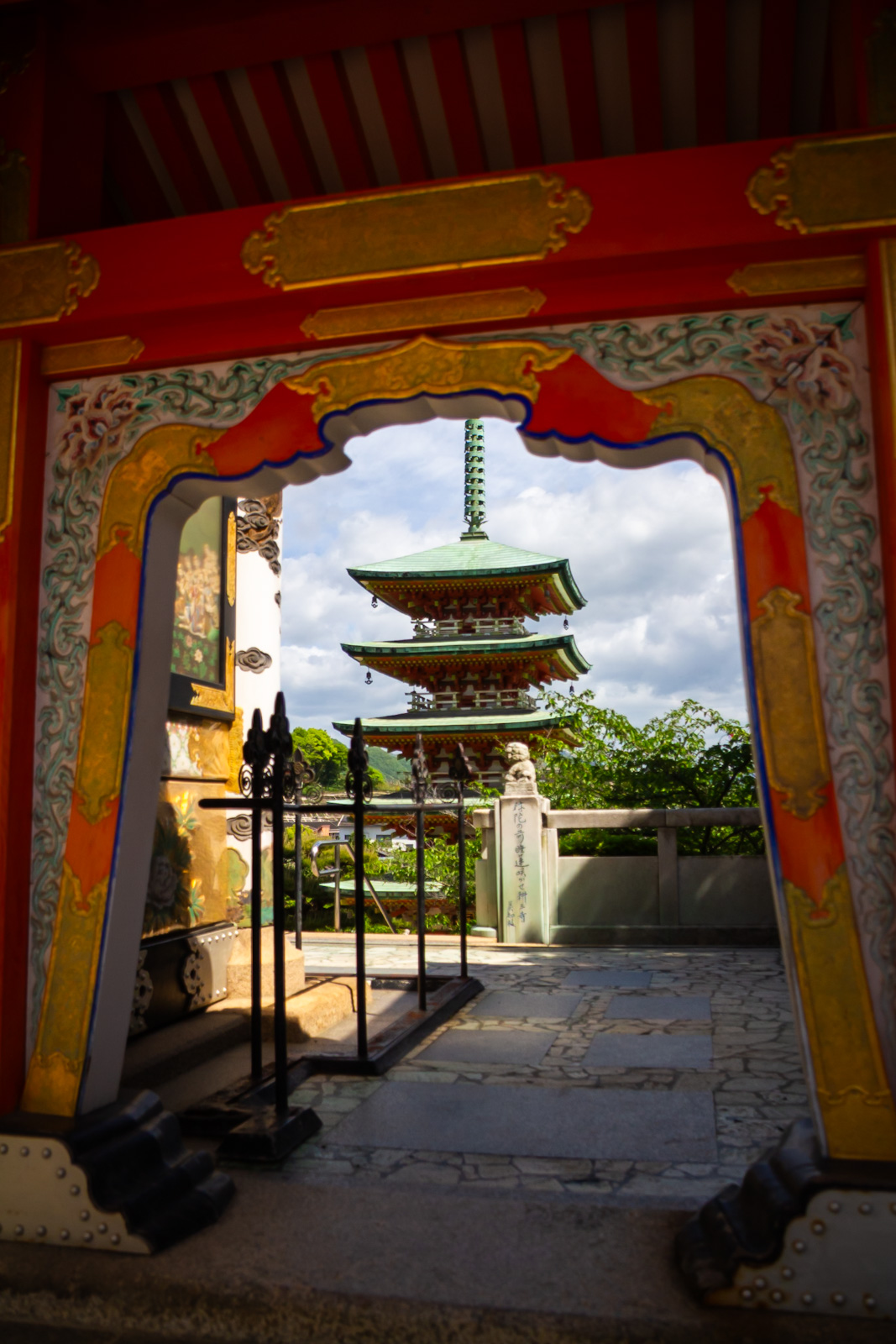
The Hill of Hope
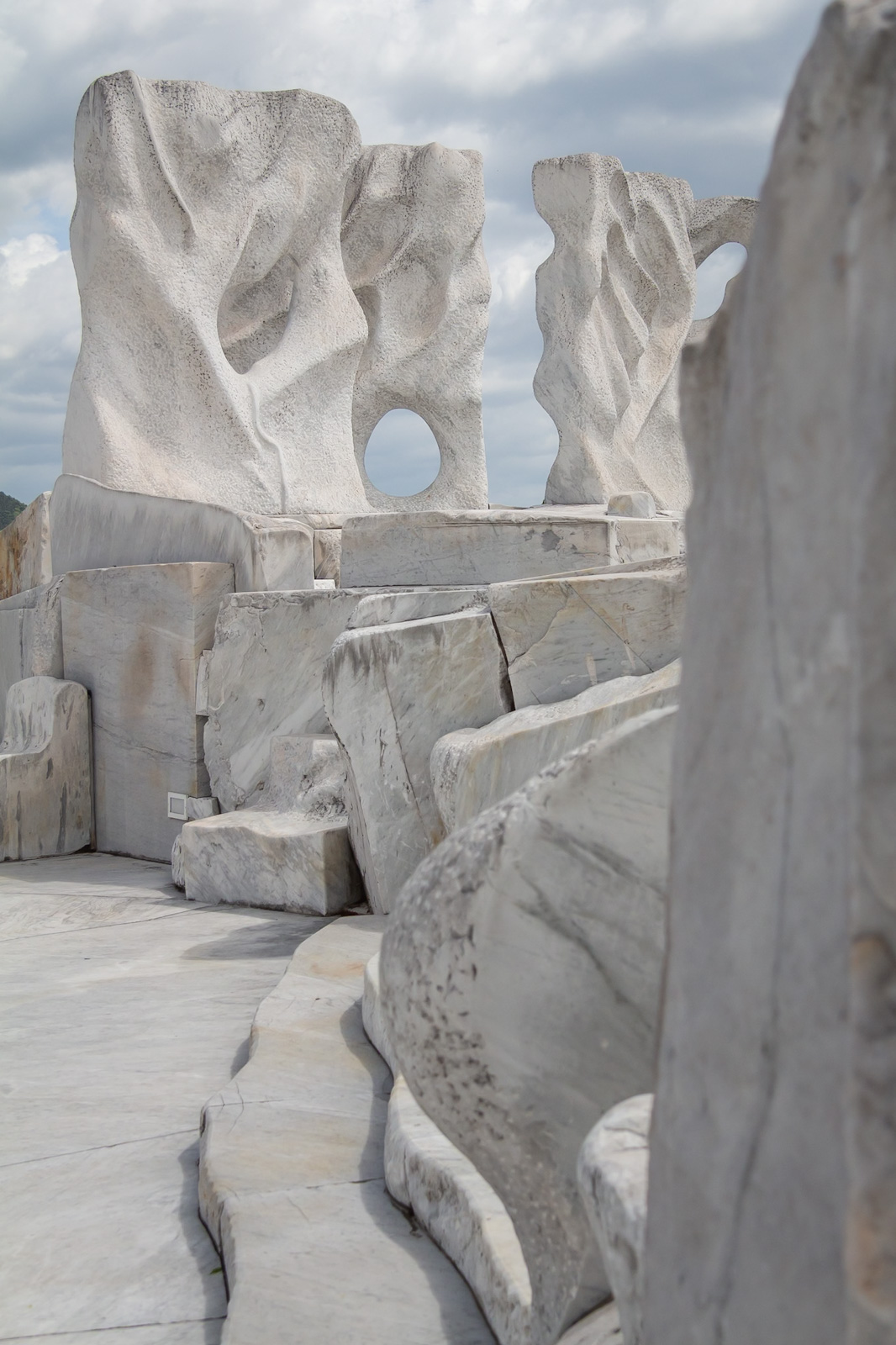
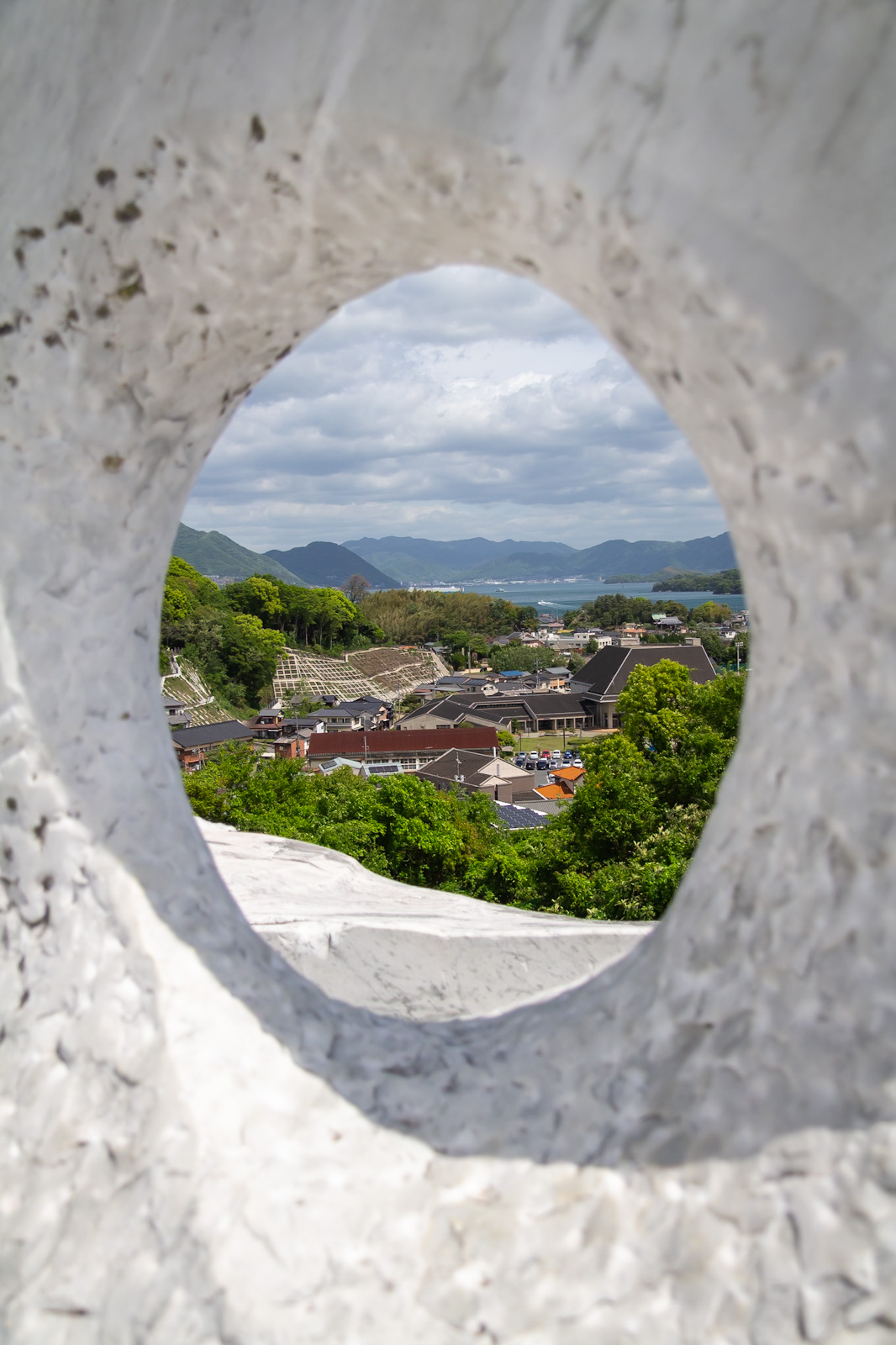
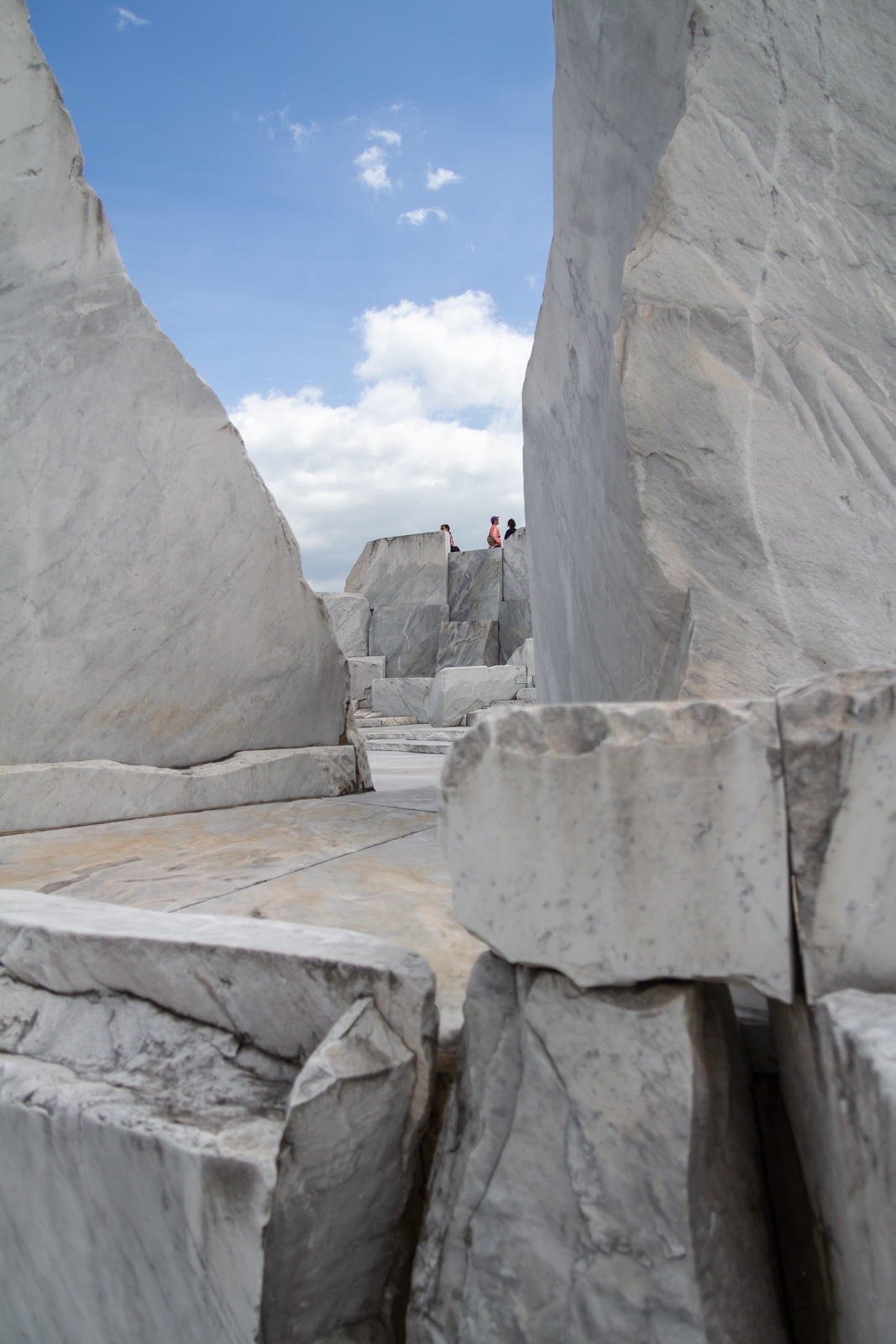
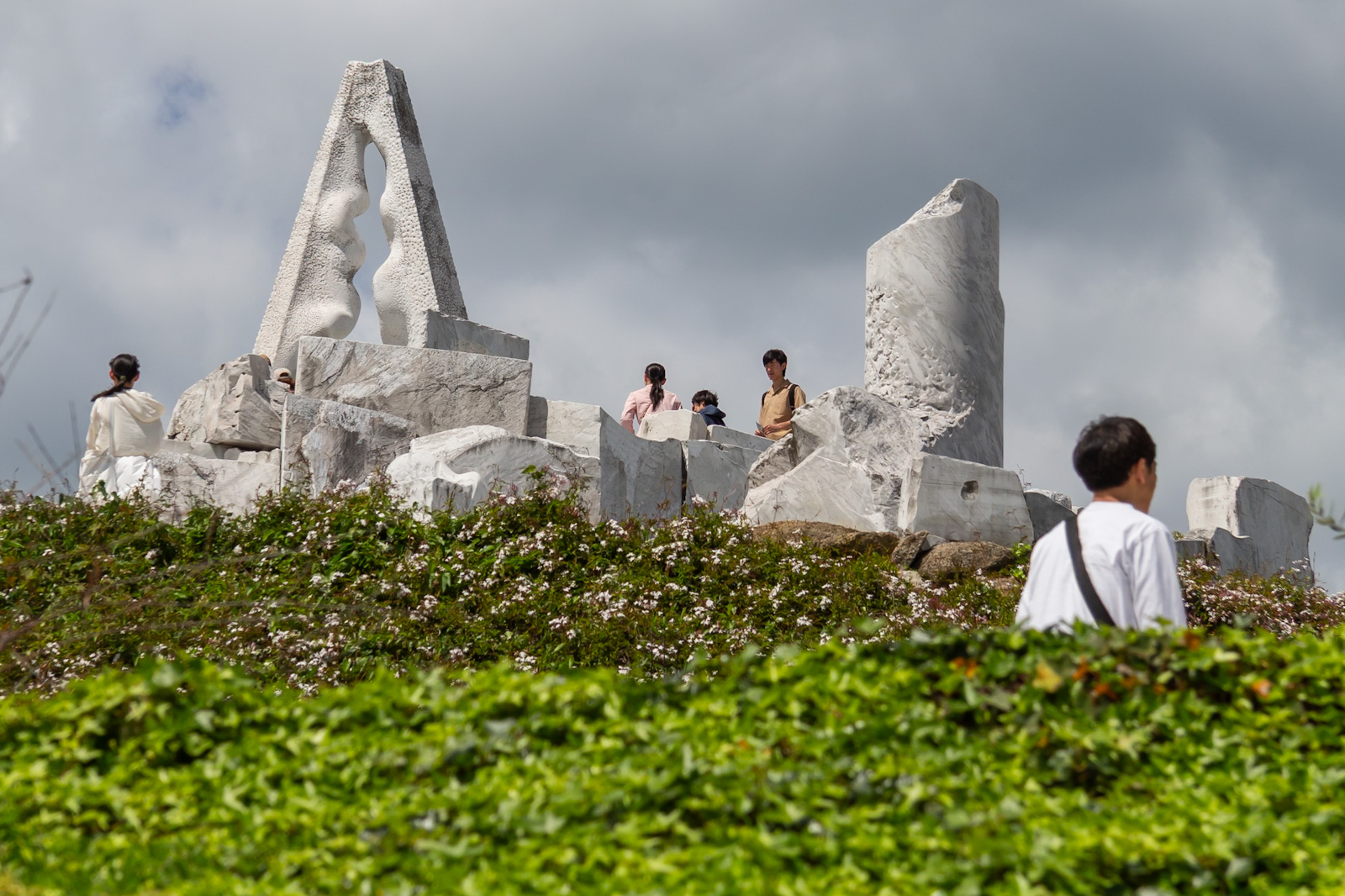
Within the temple grounds, on a hill behind the Main Hall, is a marble art garden. It was created by Kuetani Itto, a Japanese sculptor based in Italy. The garden, which opened in 2000, took about 3,000 tons of imported Carrara marble and 16 years to complete. It covers more than 5,000 square metres (5980 square yards) with breathtaking views of the island.
Designed as a contemporary art installation, the garden features sculptures of various sizes under the theme “Familial Ties,” and is known as the Hill of Hope. According to Kuetani, it’s like “a temple of the twenty-first century, where you can forget your ego and participate in the spontaneity of nature.”
It’s indeed a gorgeous space to relax and reflect, but requires some patience if you don’t want a dozen people in your shots. Since you can touch and climb the sculptures, it’s become a popular photo spot.
Shiomachi Shopping Street
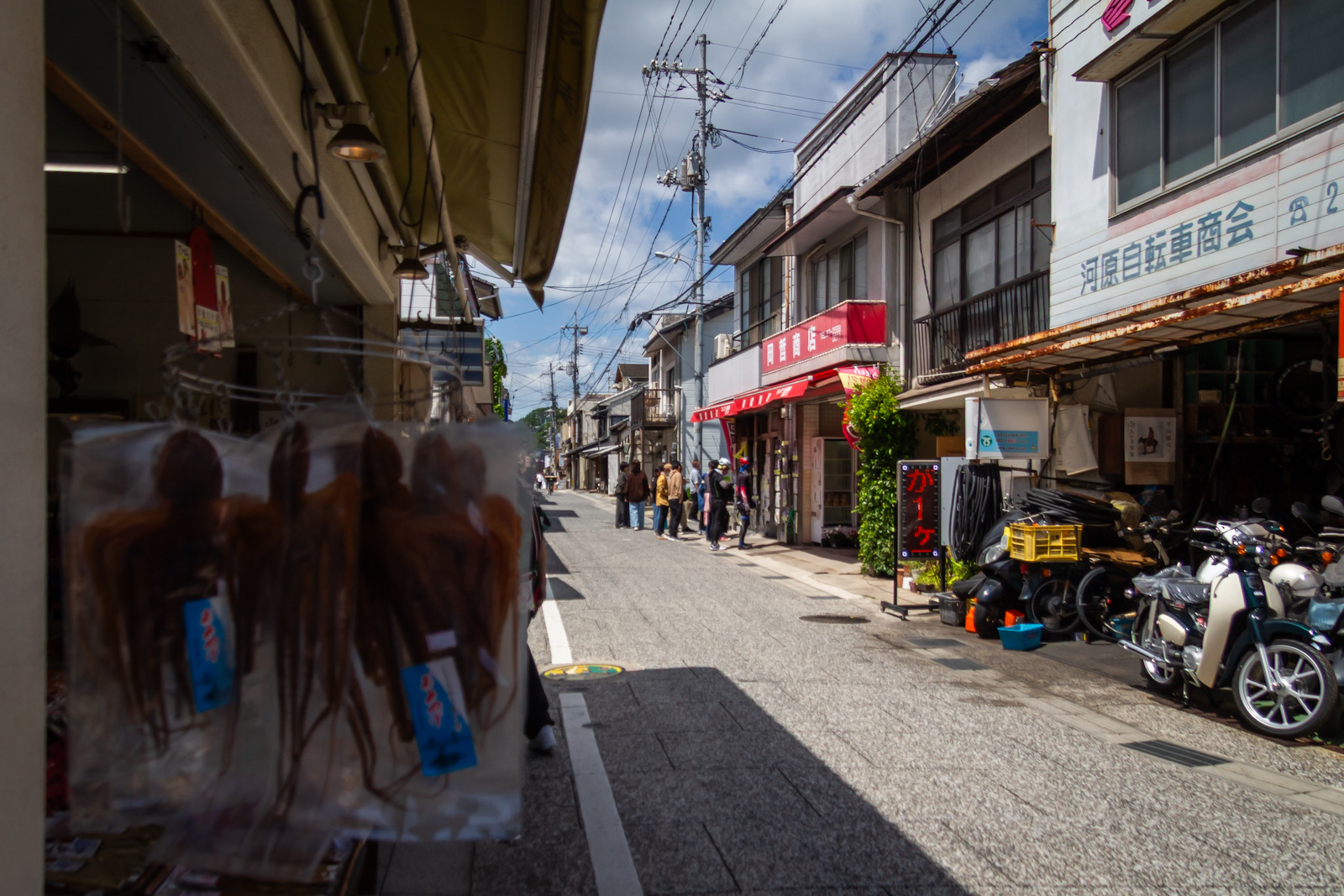
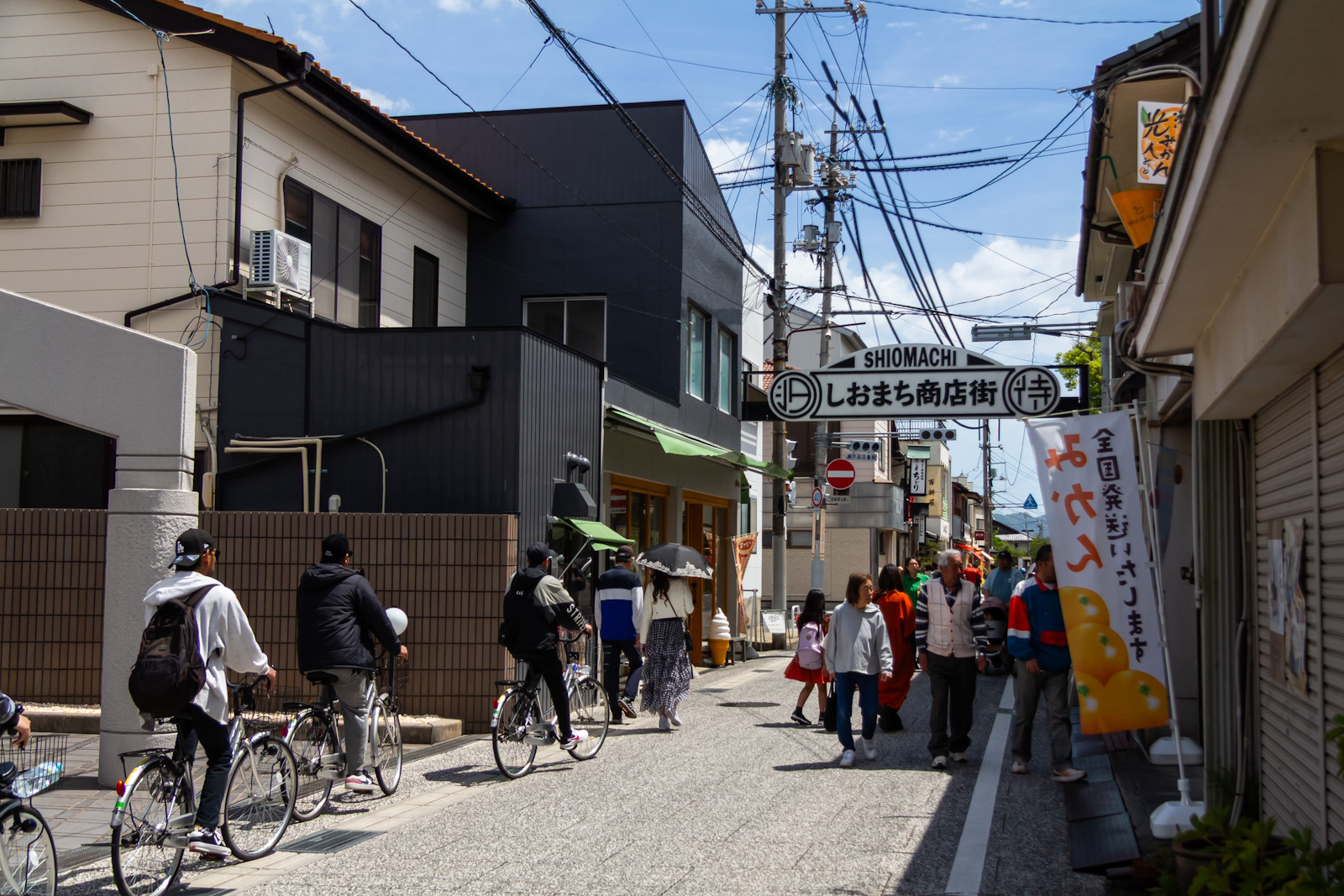
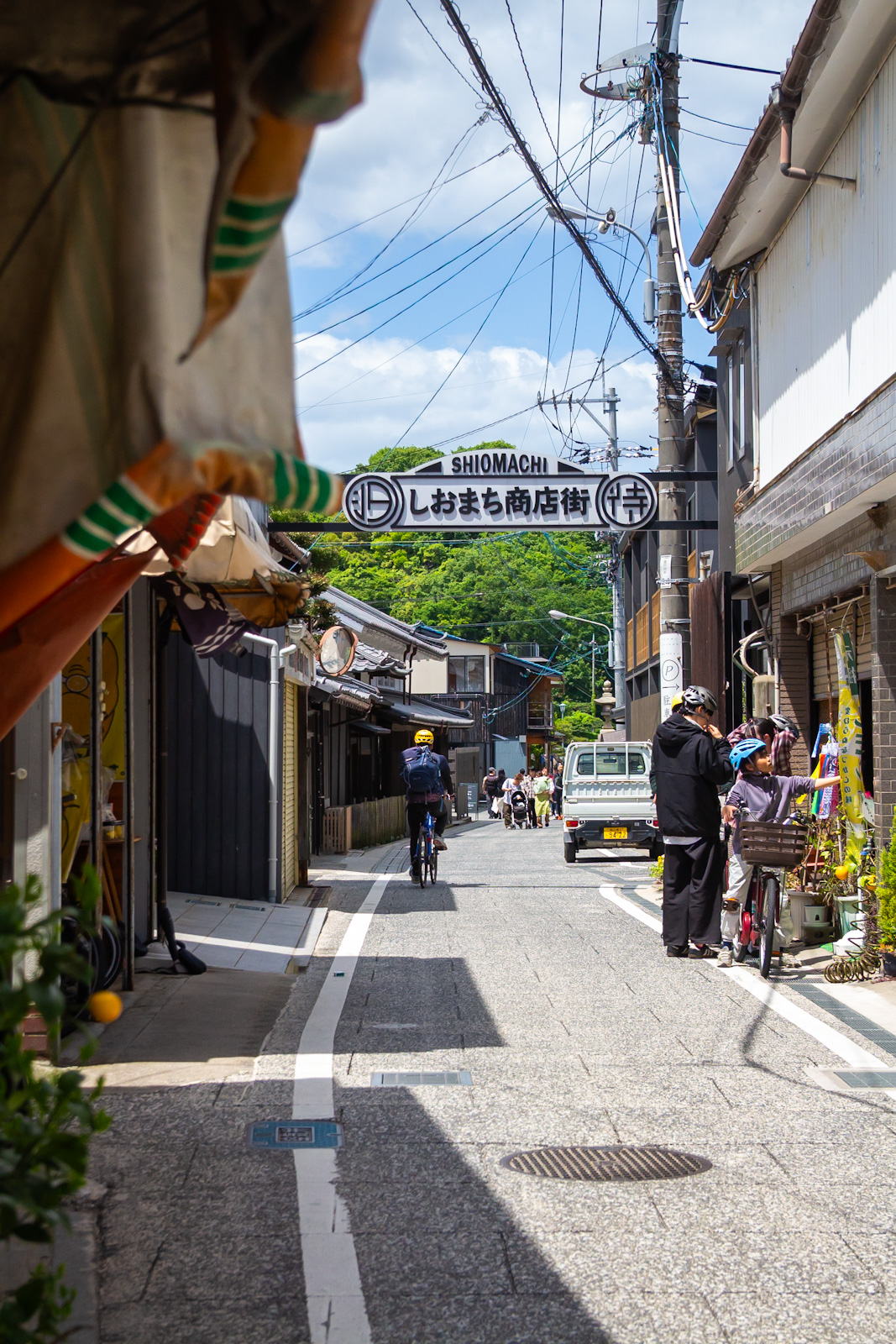
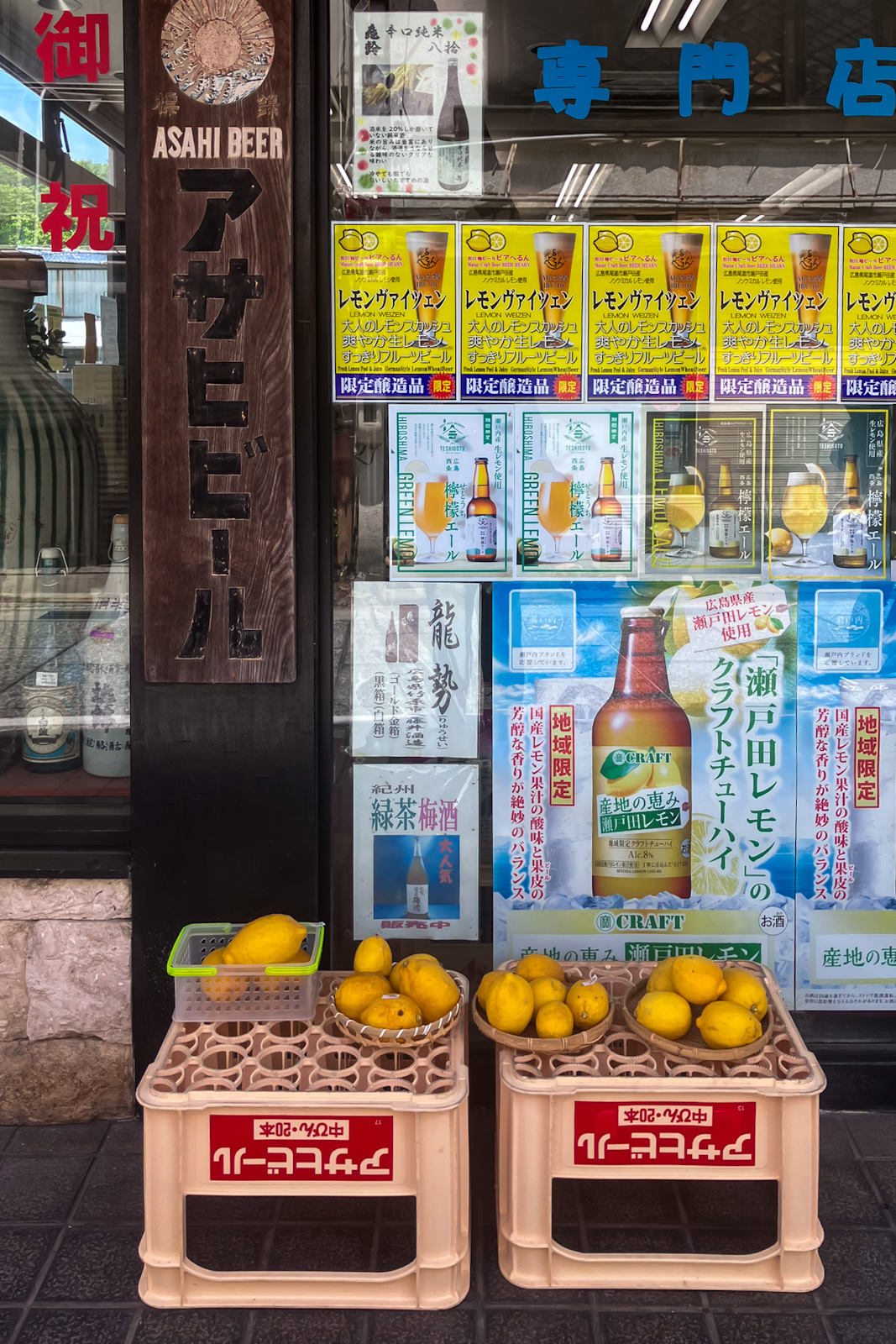
The 600-m (1969-ft) approach from Setoda Port up to Kousanji Temple is known as Shiomachidori, or the “tide-waiting street”. This historic shopping district is lined with over 50 stores that peddle all things lemon. It’s a great spot to find souvenirs and take a break from walking (or cycling).
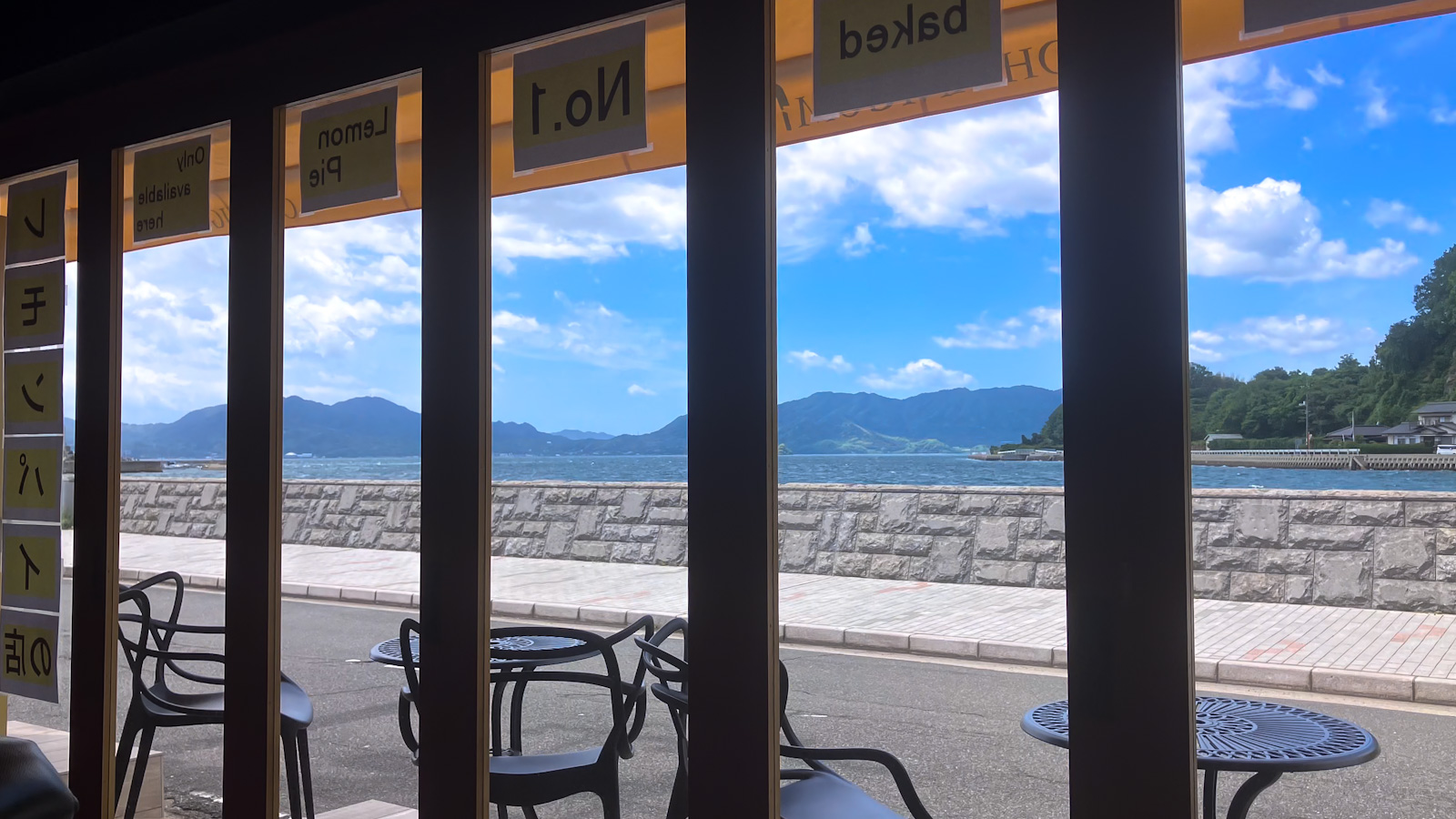
There are also dozens of restaurants offering fan favorites like ramen, yakiniku, and fresh seafood. I was feeling for something light and sweet, though, so I headed back down towards the port looking for a cafe away from the crowds. That’s when I stumbled upon Ohtanigumi. The cozy cafe looks directly onto the water, so no matter where you sit, you get an incredible view. Since the wind was still howling, I decided on indoors.
Ohtanigumi’s main fare is homemade lemon pie, which is served with ice cream. Along with a cup of coffee, it’s absolutely delicious, although a bit on the pricey side.
Shimagokoro
After taking in the views while finishing my pie and coffee, I headed back down Shiomachi towards Shimagokoro. This bakery is famous in Japan for its signature lemon cake, but it also offers a variety of products and souvenirs exclusive to the store. I highly recommend trying their lemon jam, jelly, or syrup, which you can enjoy on their own or as ingredients. The lemon syrup makes a great homemade soda, for example, if you mix it with ginger and sparkling water.
Hirayama Ikuo Museum of Art
Close to Shimagokoro and across the street from the Setoda Tourist Information Center is the Hirayama Ikuo Museum of Art. Hirayama was a contemporary Nihonga artist who was born in Setoda. From the 1960s onwards, he often made pilgrimages along the Silk Road from Turkey to China, sketching the people and scenes he encountered along the way. Saddened by the state of disrepair of many ancient monuments, like the Thousand Buddha Caves at Dunhuang, he started working to help preserve and restore them. The museum collection features his paintings and sketches, and also puts on special exhibitions from time to time.
I had plans to explore more of Fukuyama that afternoon, and so after another walk down Shiomachidori, I headed to the ferry terminal to get a ticket back to Mihara. And even though I wished I had stayed on the island instead of in the city, I’m glad I made the trip. Because whether you have just half a day or an entire week to spare, exploring Ikuchijima is definitely worth it. Your adventures there may just turn into a legend of your own.
Visit Setoda
Setoda is easily accessible by the Maruto Kisen ferry, which leaves from Mihara Port in Mihara, Hiroshima. The ferry terminal is just a 5-min walk from JR Mihara Station, which is on the Sanyo Line. Mihara Station is a 13-min train ride from Onomichi and a 30-min train ride from Fukuyama. You can also reach it from Hiroshima via the Sanyo Shinkansen (25 min) or the Sanyo-Line (1 hr 15 min).
The ferry is a 30-min ride from Mihara Port to Setoda Port. For timetable and fare information, check out the ferry website here. As of July 2026, it costs 1,840 yen per adult for a round trip. You can buy tickets from the ticket machine at the ferry terminal.
From Setoda Port, everything mentioned in this post is within walking distance and pinned on the map below. You can also bring bicycles on the ferry for a small fee, or rent them on the island, if you prefer to explore that way.
Kousanji Temple website
Shimanami Kaido website
Onomichi Tourism Association website