Studio Ghibli’s hand-drawn films are some of Japan’s greatest treasures. Co-founder Miyazaki Hayao has directed more than half of the animation studio’s works, including the highly acclaimed My Neighbor Totoro (1988), Princess Mononoke (1997), and Spirited Away (2001). But his lesser-known films are just as delightful, none more so than Ponyo (2008). Or, in Japanese, 崖の上のポニョ.
The adorable Little Mermaid-esque animation, known for its incredible water scenes, tells the tale of the eponymous goldfish princess, who, after escaping the ocean, is found by a five-year-old boy named Sosuke. Ponyo falls in love with Sosuke and longs to become human, so she uses her father’s magic to do so. But the transformation triggers a massive ecological disaster, forcing the pair on a journey to restore balance and harmony.
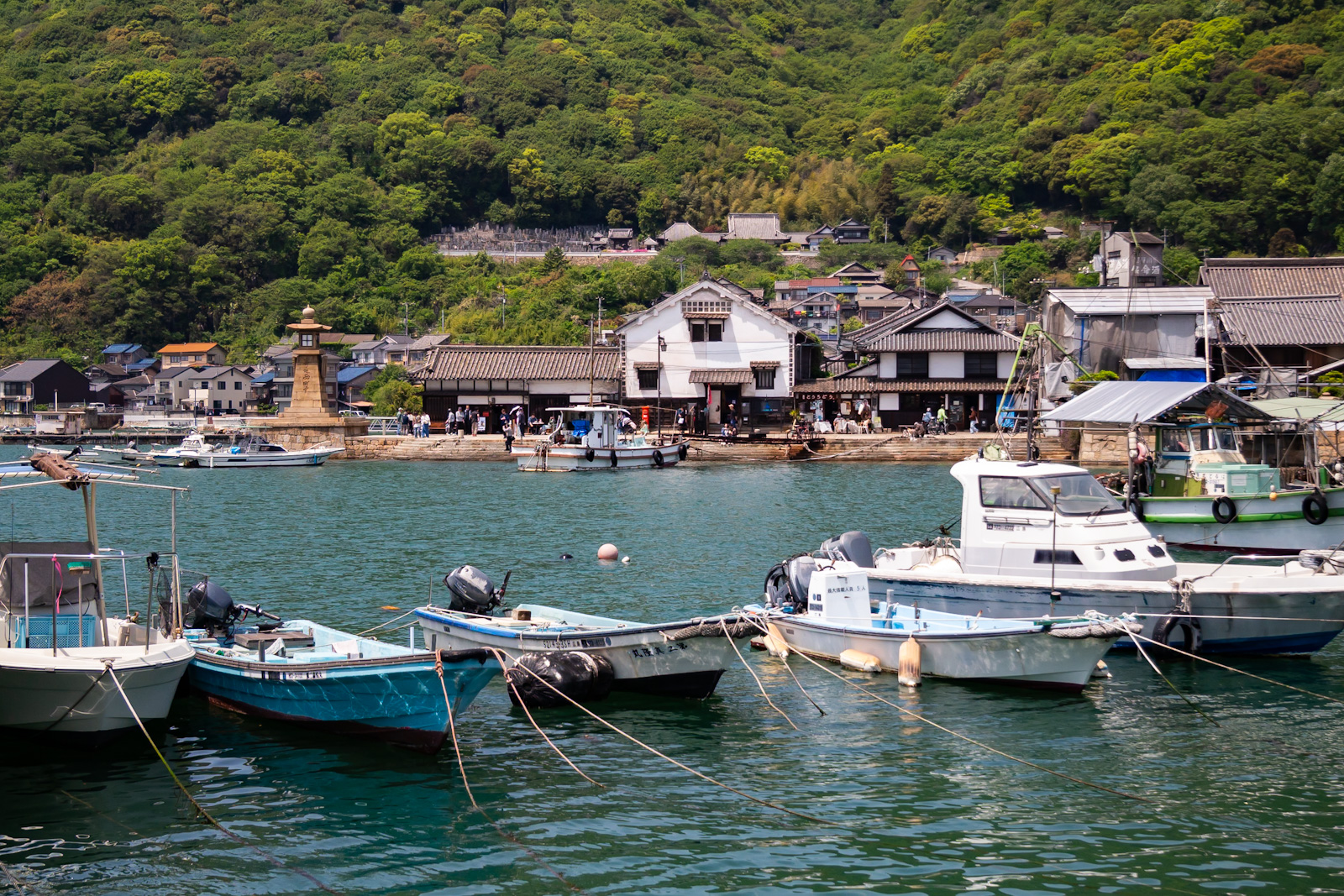
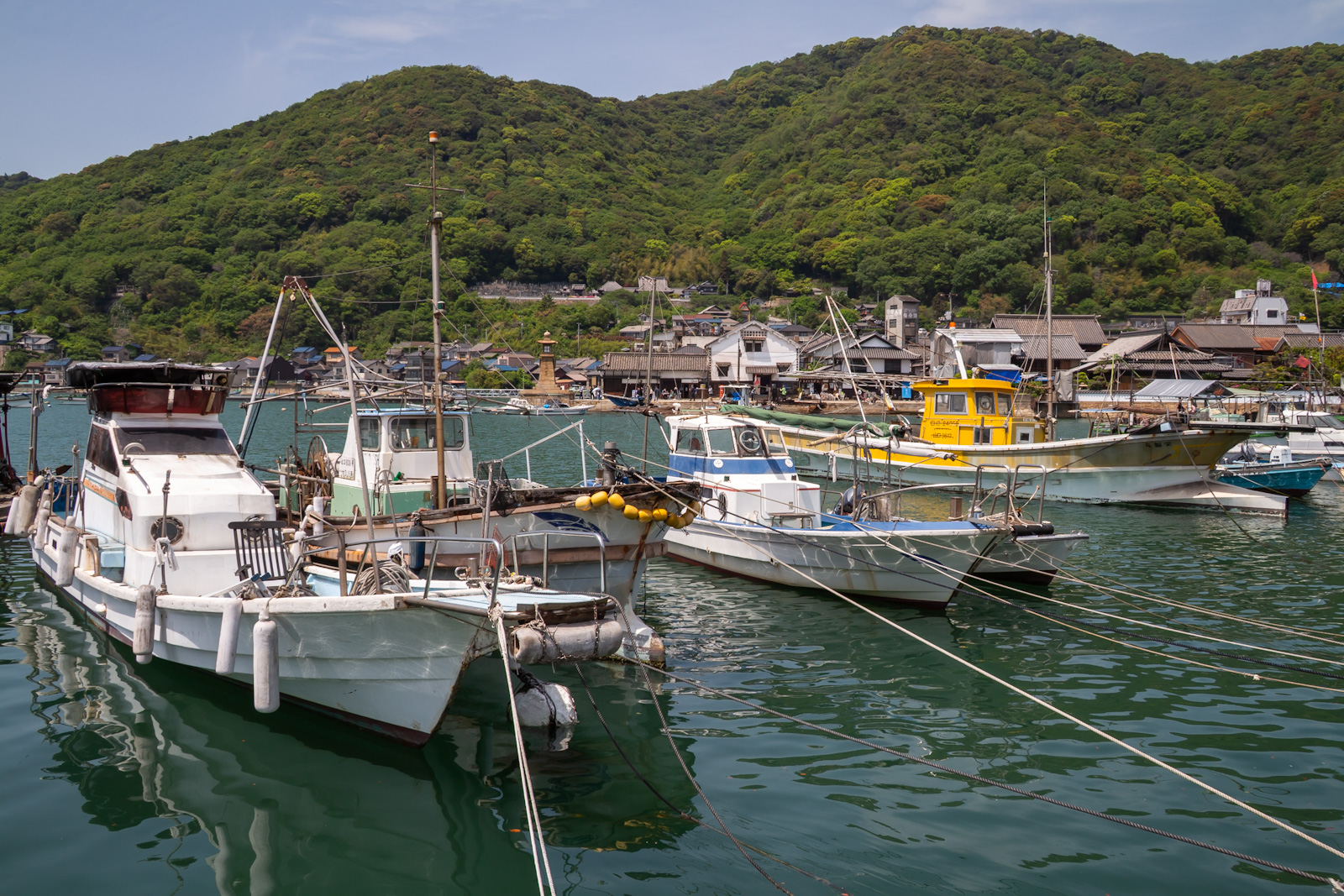
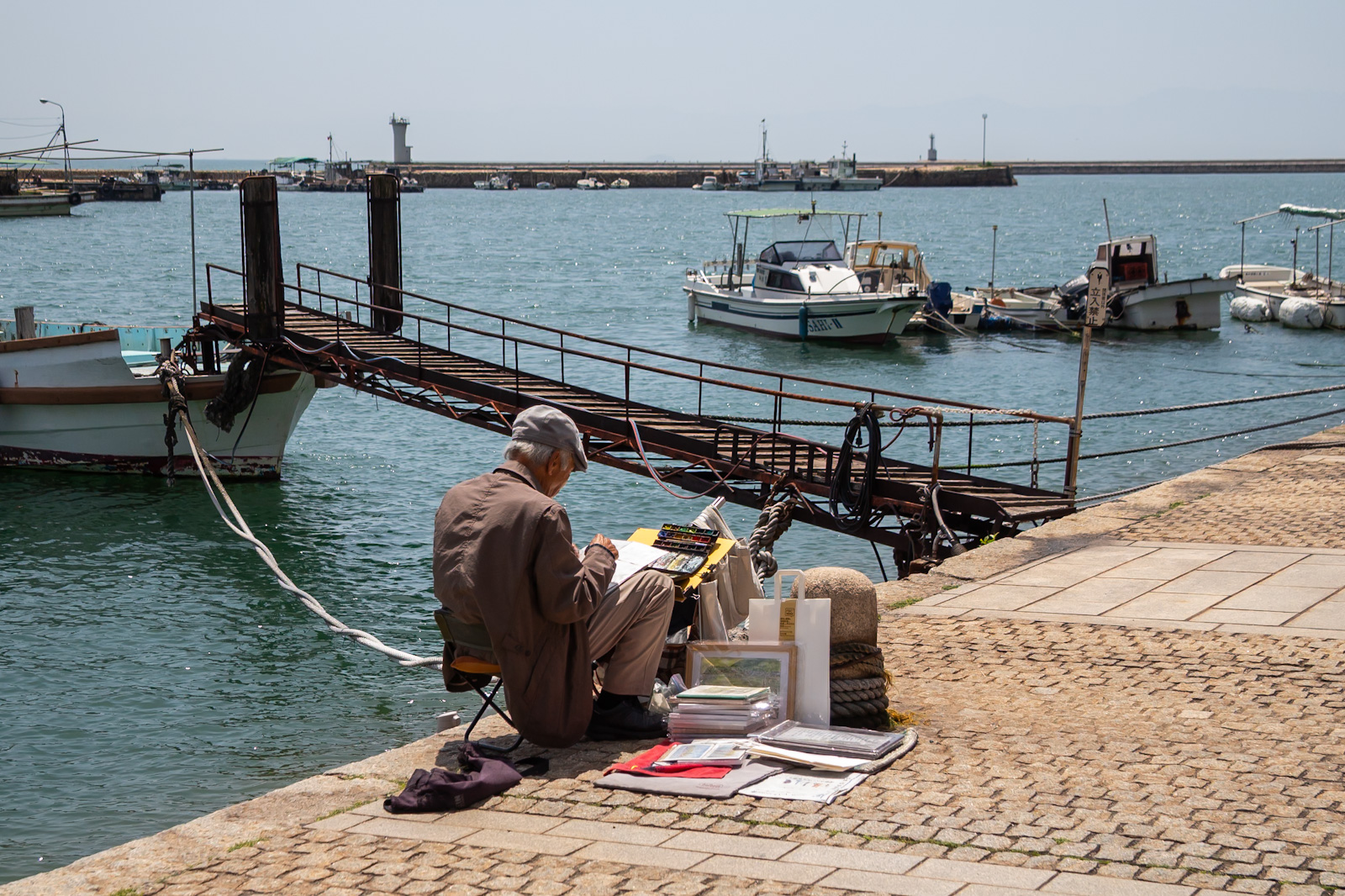
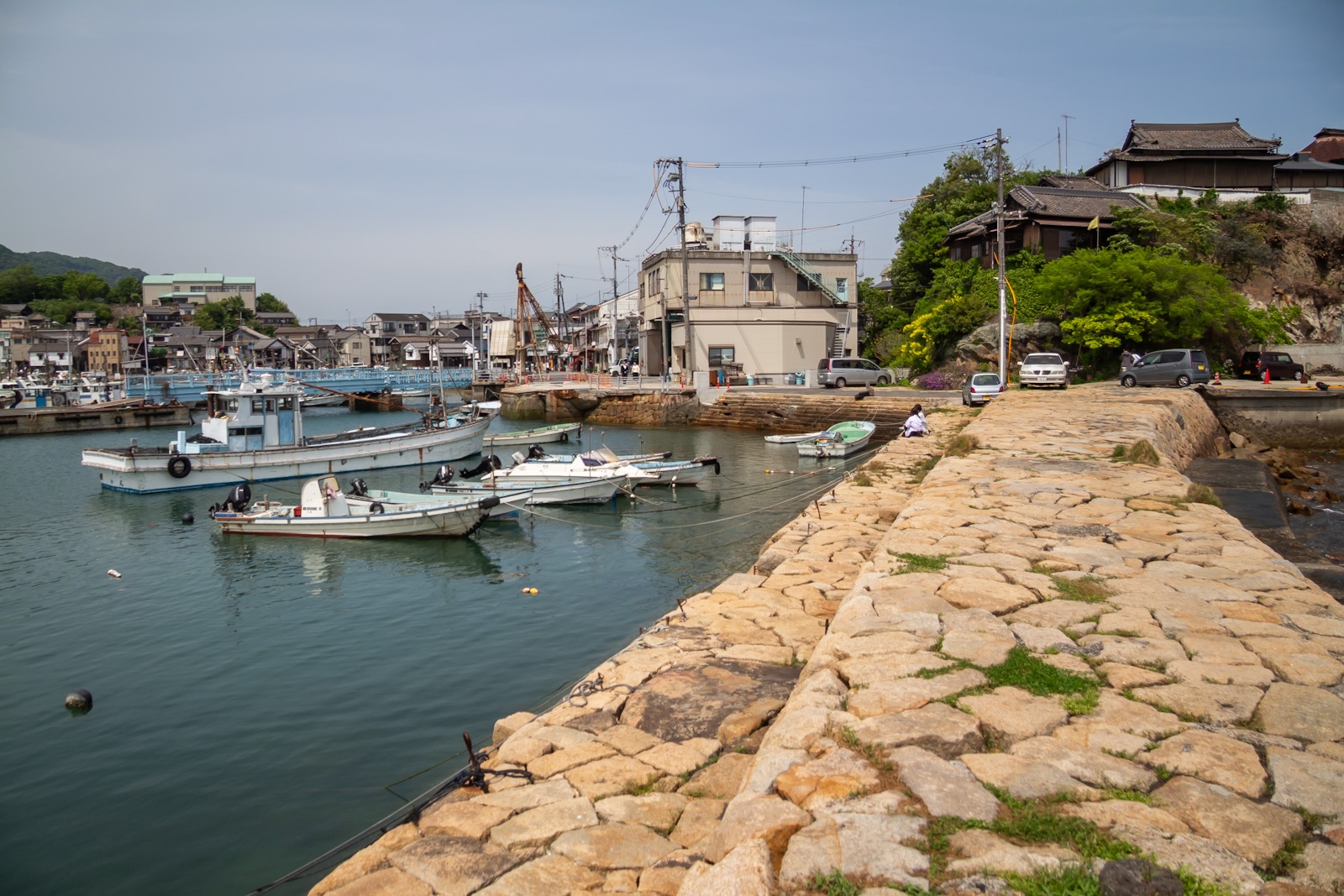
The film’s main setting—a quiet seaside town where Sosuke lives—was inspired by a real-life fishing port in Hiroshima called Tomonoura. Miyazaki Hayao spent several months vacationing here in 2005 and 2006 and was inspired by the Edo-period townscapes and gorgeous sea views. Now affectionately known as ‘Ponyo Town,’ it attracts visitors year-round who come to marvel at its seaside charm.
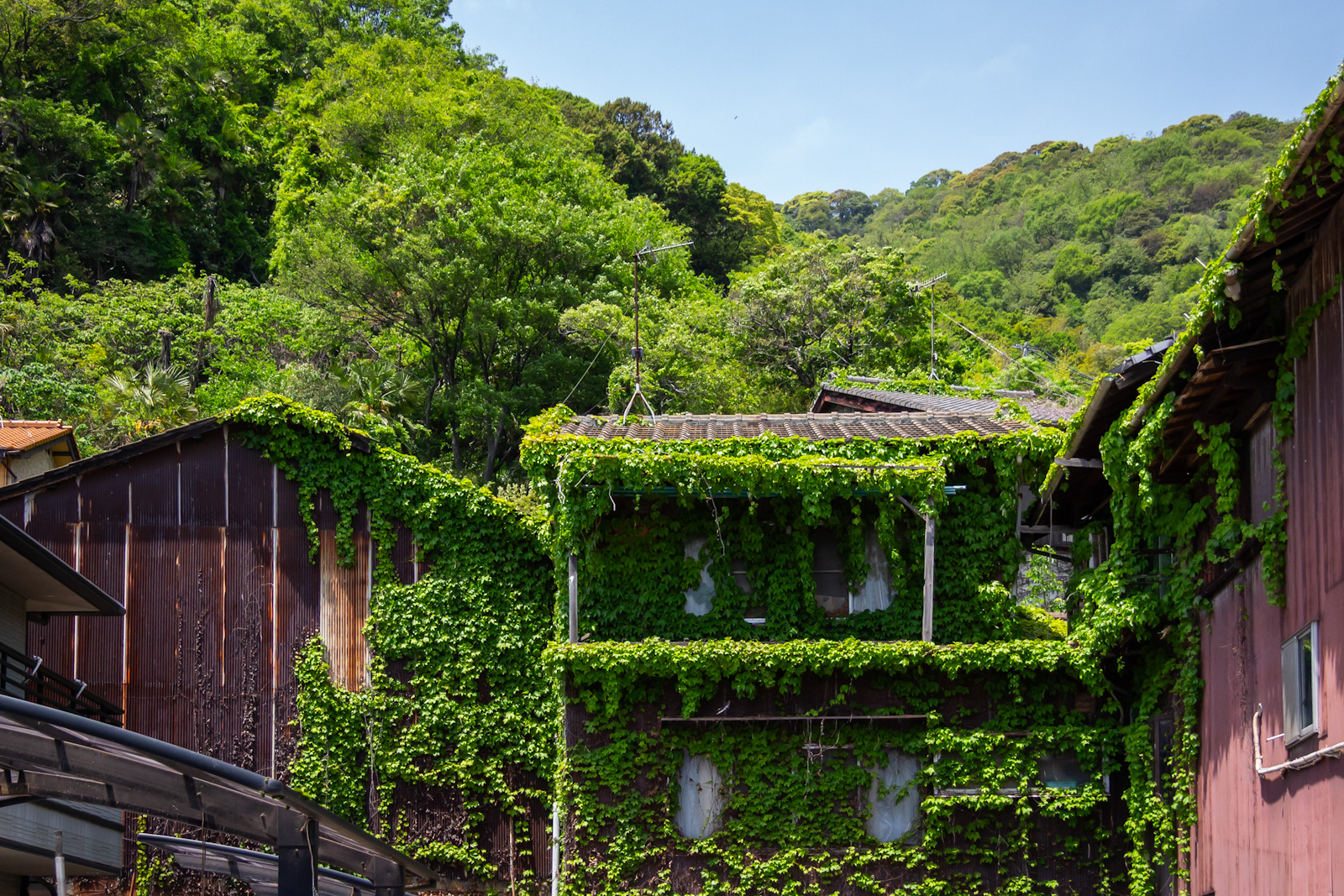
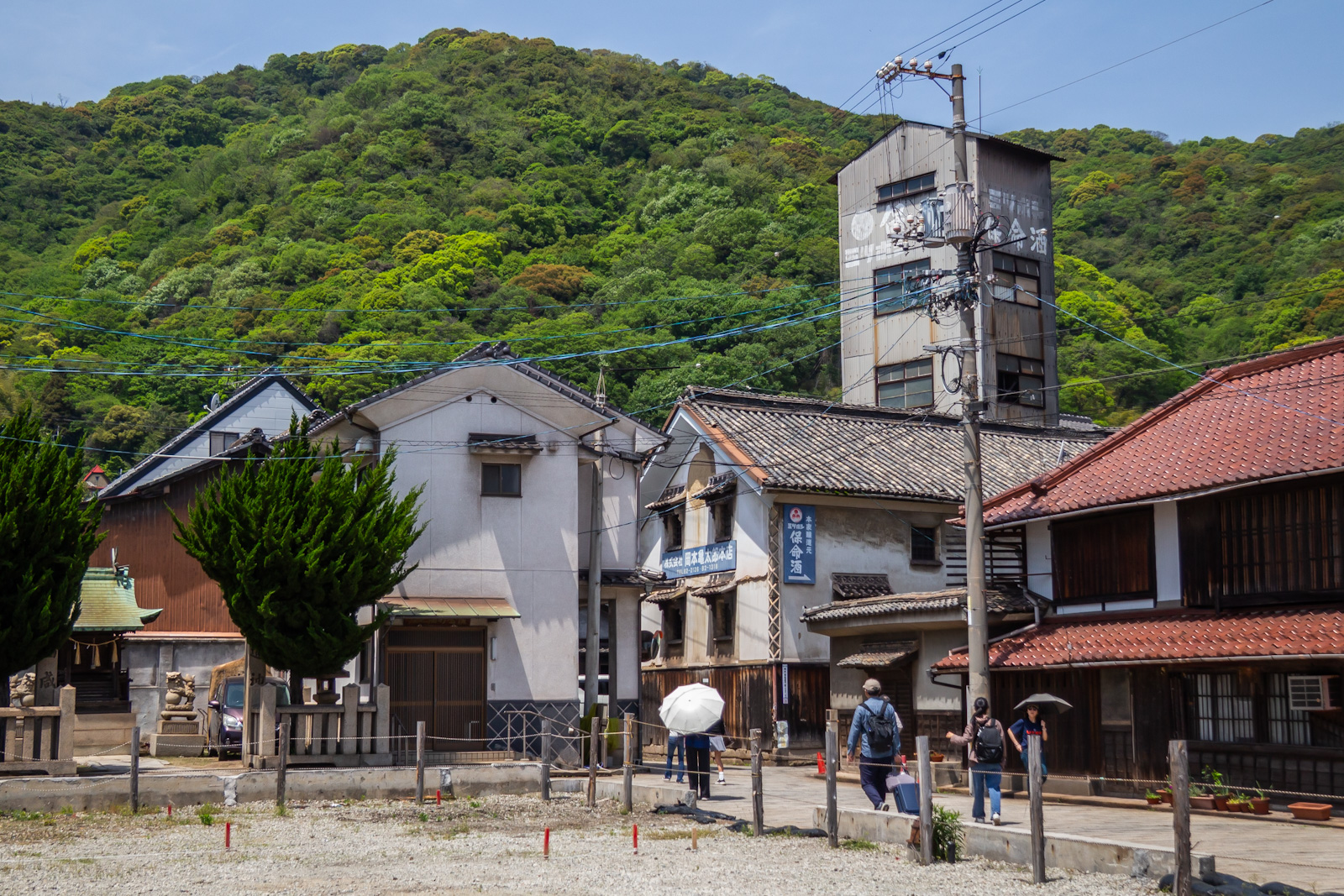
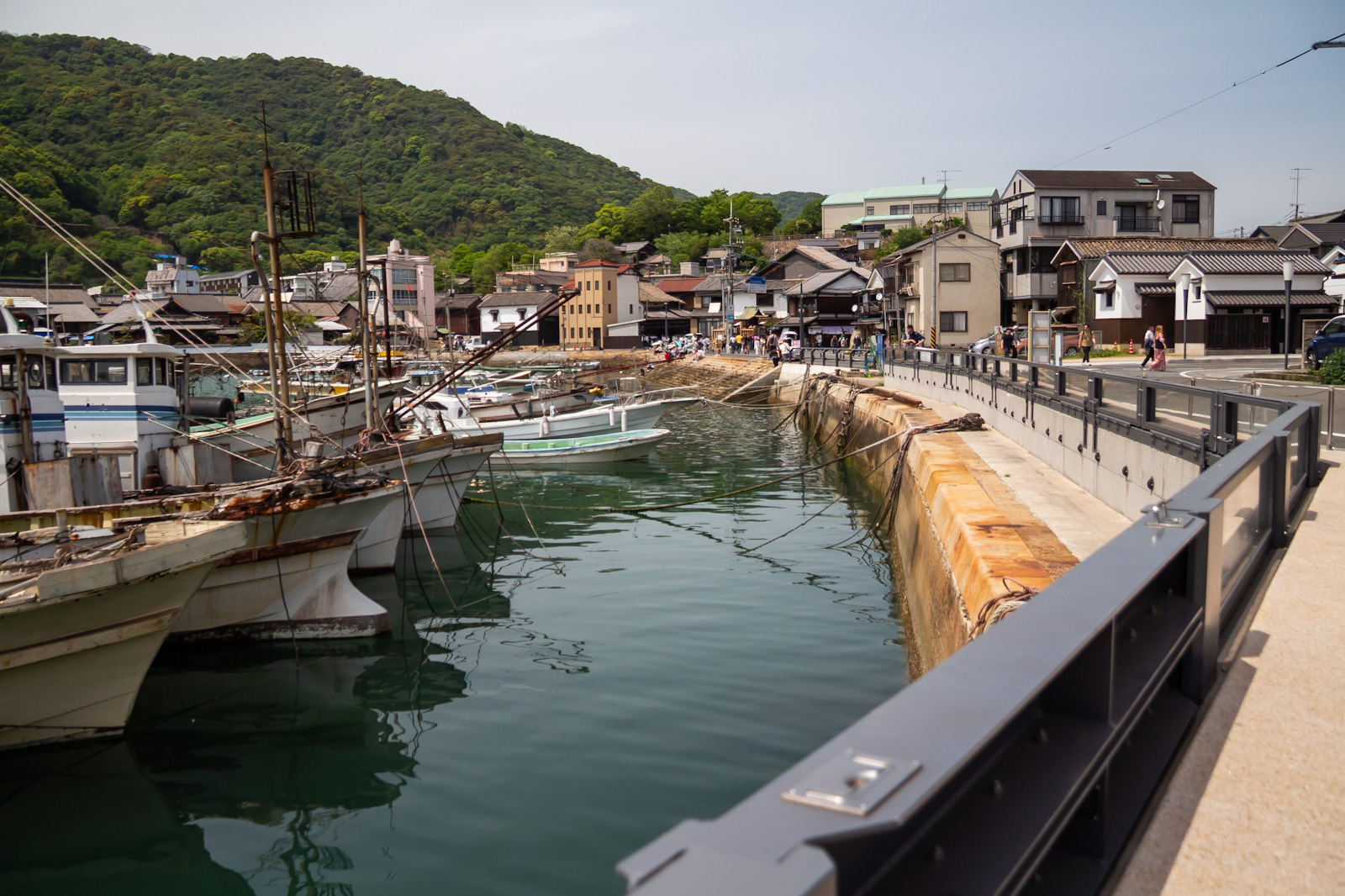
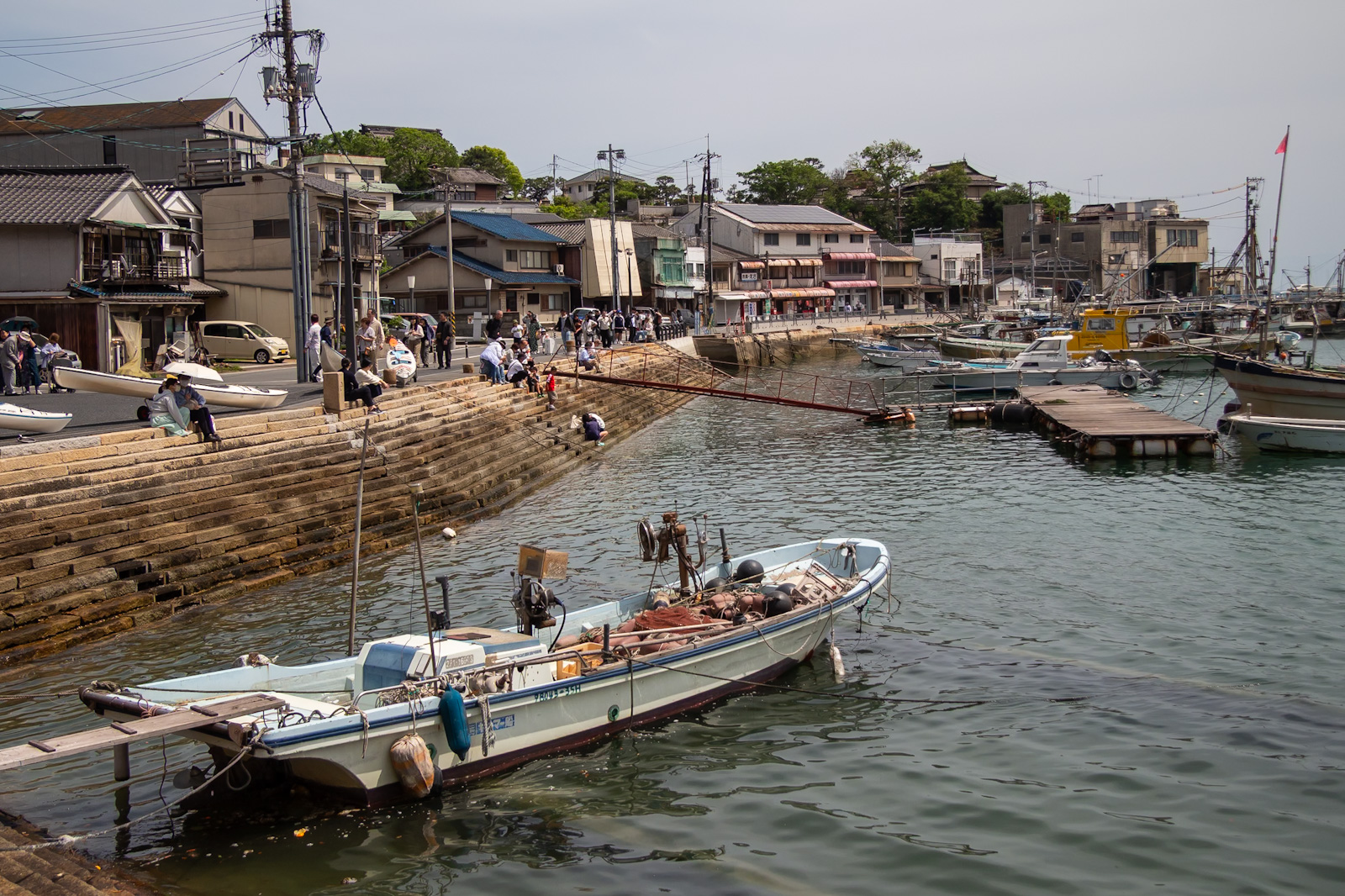
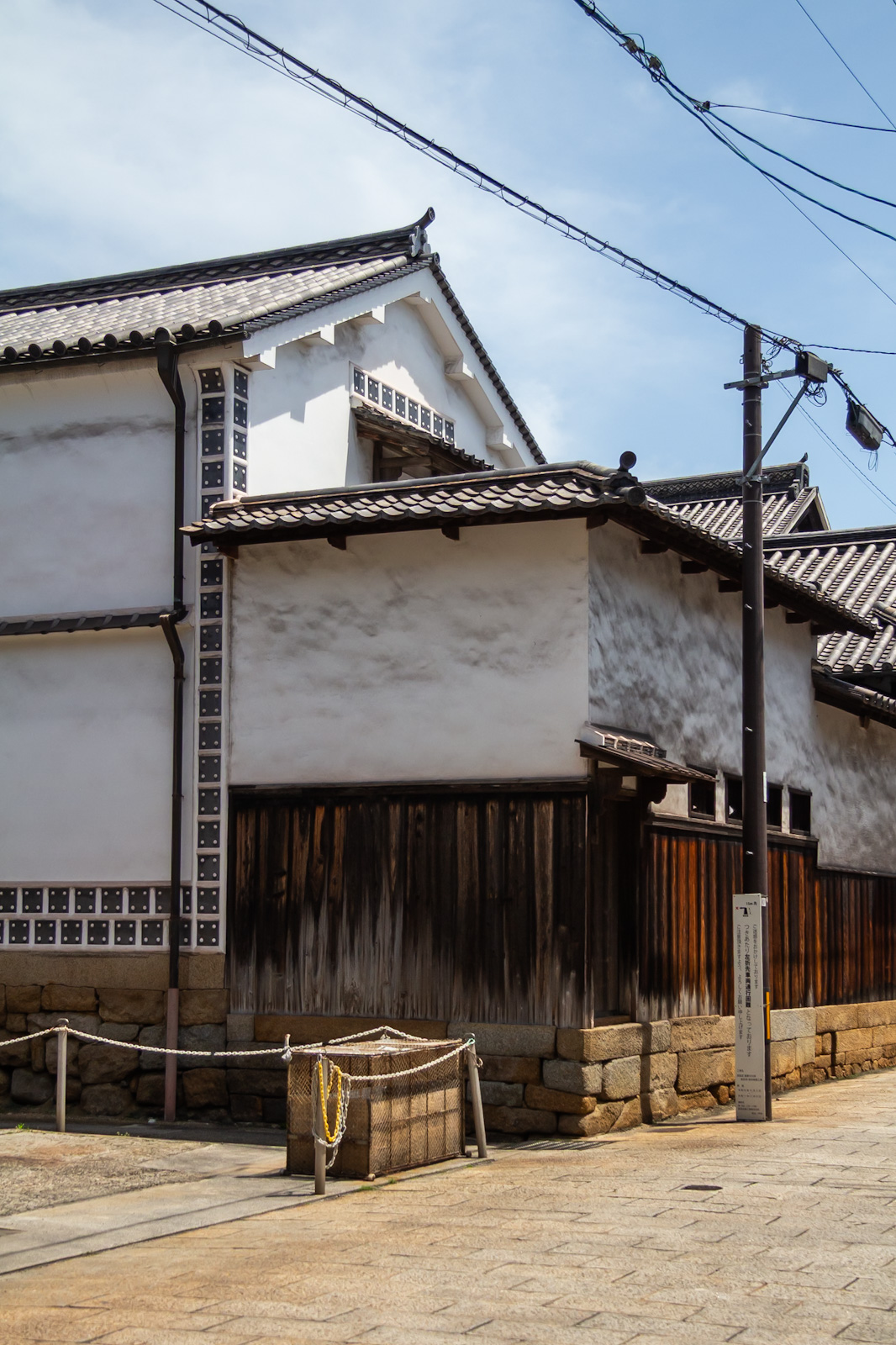
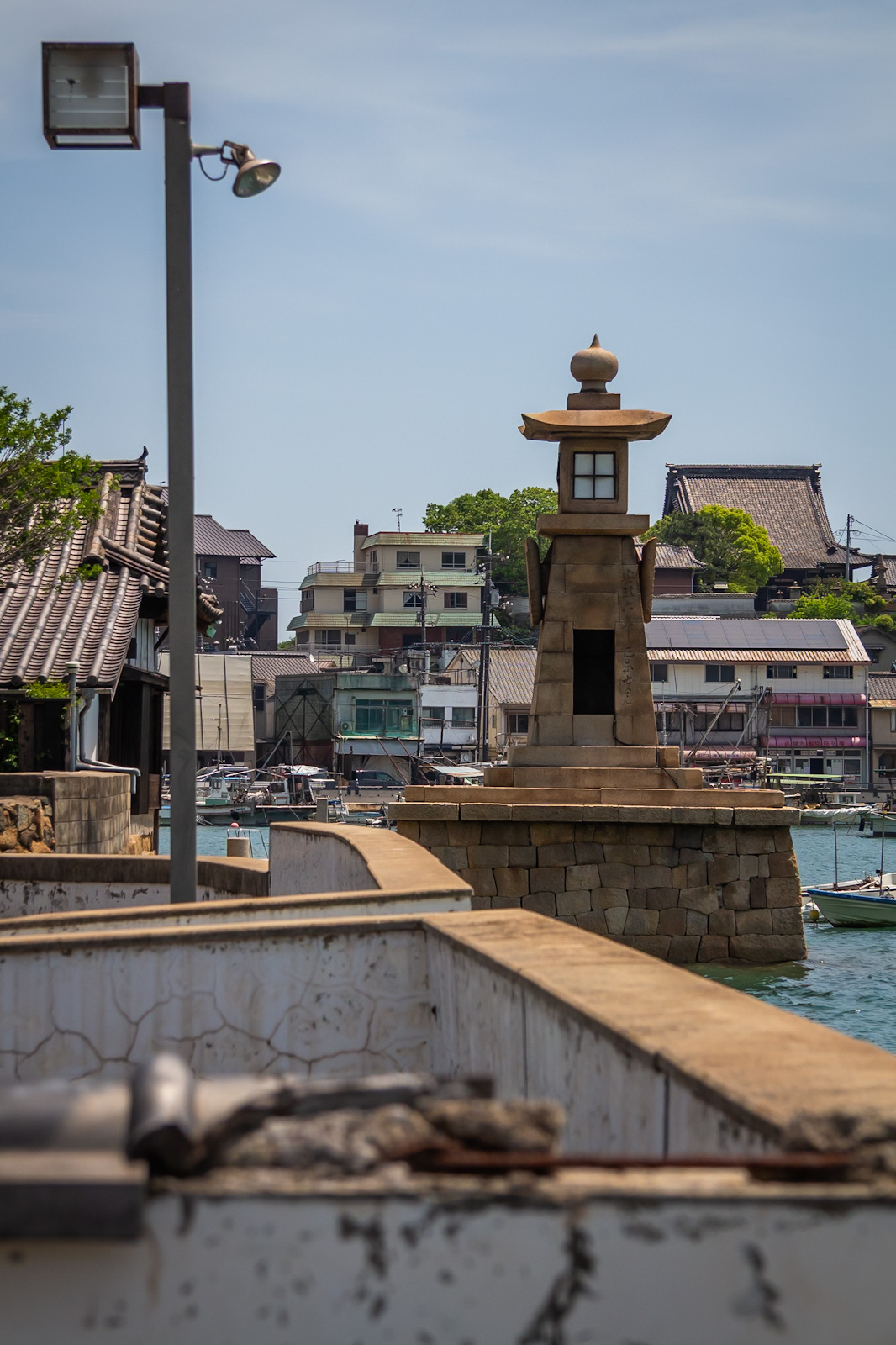
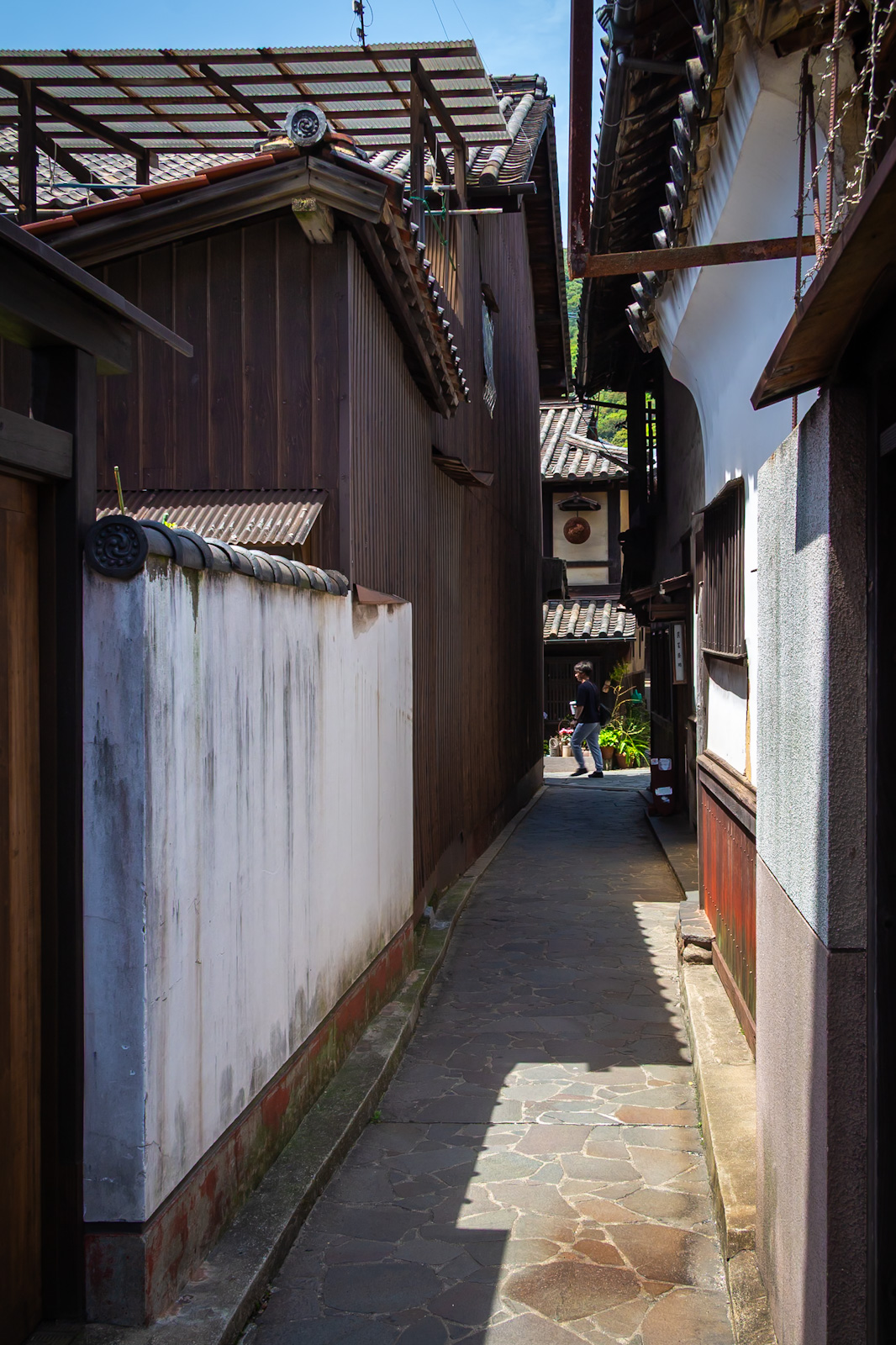
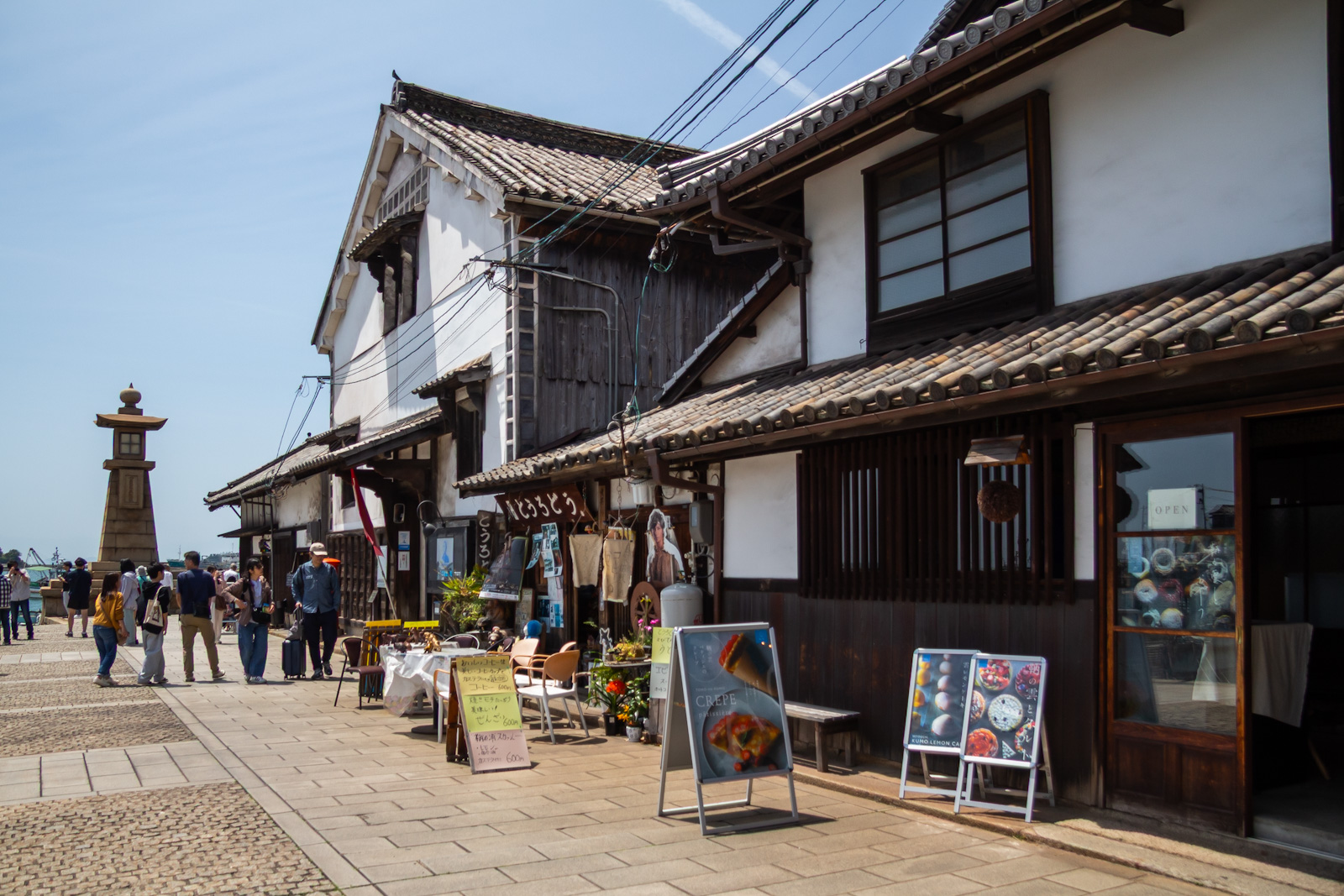
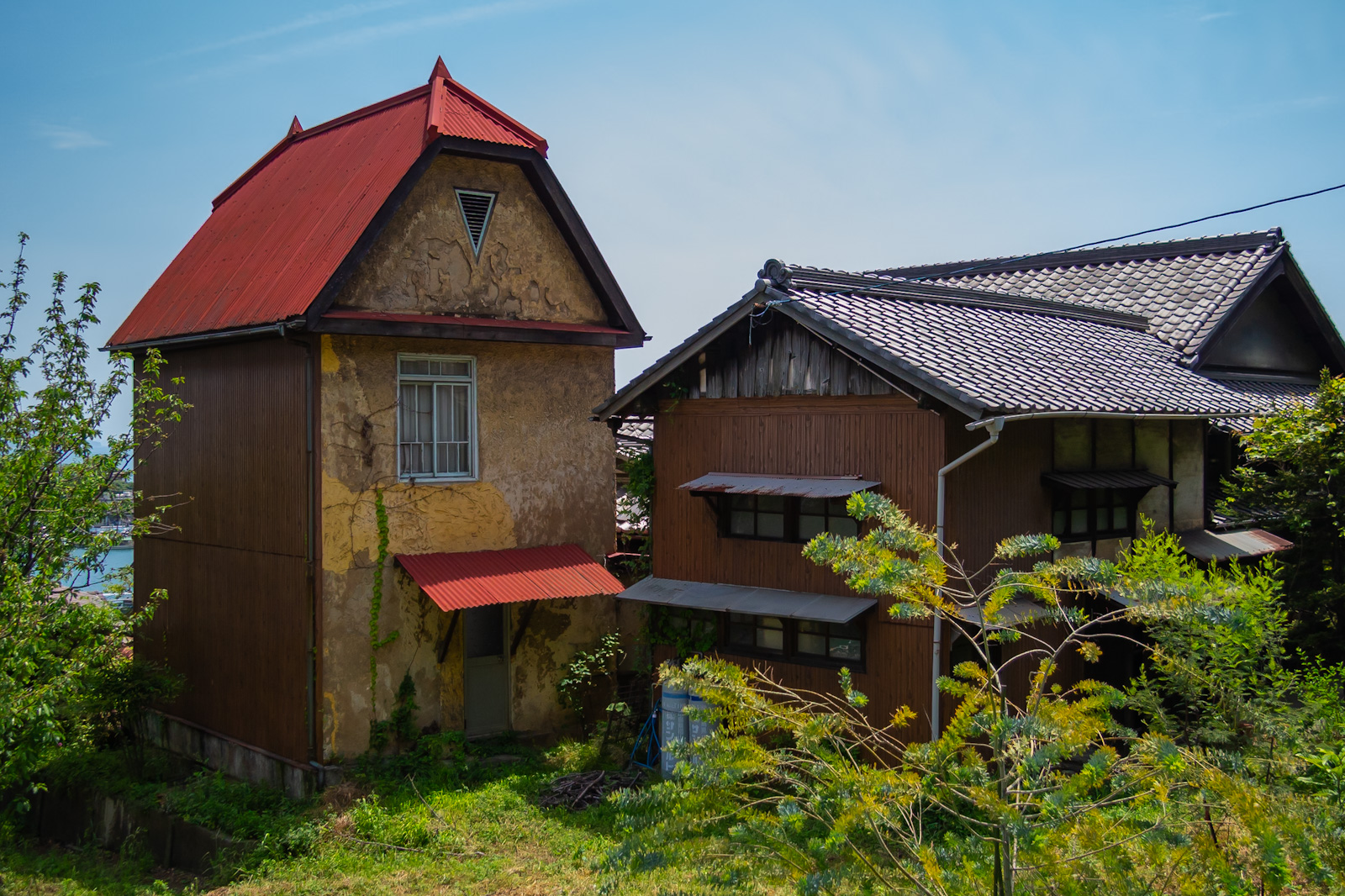
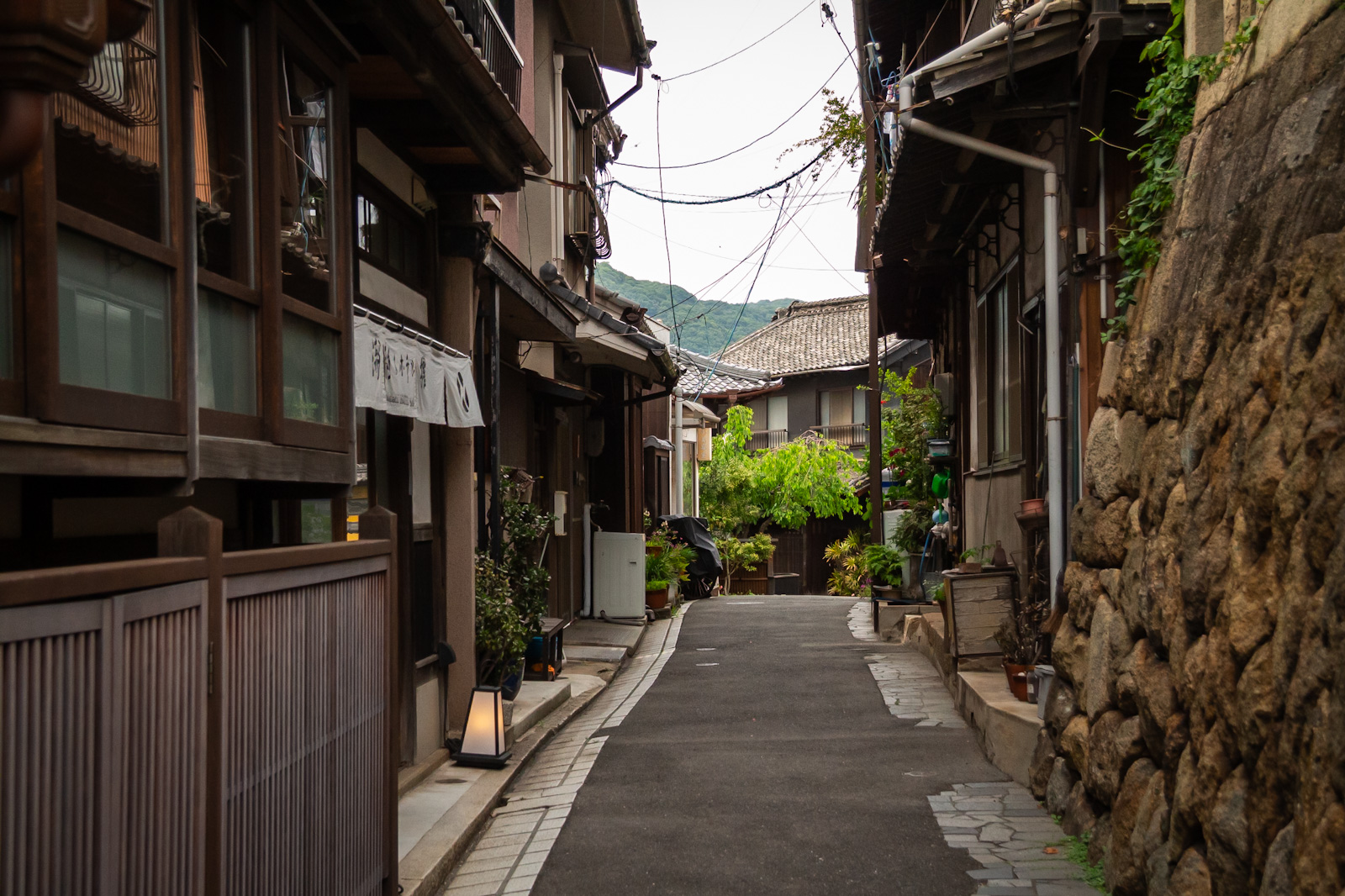
Perhaps the most obvious visual reference Miyazaki Hayao borrowed from Tomonoura is a little yellow house with a red roof that sits on the cliffside overlooking the sea. The private house is where the animator stayed during his visit, and it served as a model for Sosuke’s house in the film. To reach it, you have to walk through the historic port town, which features old wooden buildings, narrow alleys lined with cobblestone streets, and the largest surviving Edo-period lighthouse in Japan.
Built in 1859, the Joyato Stone Lighthouse is a quintessential symbol of Tomonoura. It was designed for local coastal shipping, so it’s only about 11 m (36 ft) tall, but it stands proudly at the edge of the harbor, ready to greet boats and ships.
The lighthouse is one of the port’s five original facilities, all of which have been preserved. The others are the gangi (tiered cargo dock), hato (breakwaters), tadeba (repair area), and funabansho (guardhouse). Tomonoura is one of the few places in Japan where you can find all of these Edo-era facilities close to their original forms.
“Where…are you from?” A voice pulled me from my thoughts back onto the street to find an old man clad in a neon vest and waving a parking baton waiting for my response. “Where are you from?” he repeated. “南アフリカ,” I answered. “Where?” he yelled. “Mi-na-mi-a-fu-ri-ka.” I replied more loudly and slowly, noticing his hearing aid. “America?” he offered. I shook my head and tried again, in English this time. “South Africa”. “Canada?”
A younger man standing near him, who had been silently watching the entire exchange, finally leaned into the old man’s ear and said loudly, “MI-NA-MI A-FU-RI-CA”.
“Ah, South Africa! Cape Town?”
I shook my head again. “Johannesburg.”
“Ah, you are very rich.”
Yes, sir, yes indeed, but not in the way you think. “いいえ,” I replied with a smile.
I lingered for a while, thinking he wanted to practice his English, but he casually returned to his parking duties and so I went on my way up the hill, half amused, half surprised. It’s not often that people strike up a conversation with you on the street here.
A few minutes later, a woman rushed past me, motioning to the door she had presumably just run out of. “We have a cafe, please try!” she said with a breathless smile.
“観光していますか?” Another question, this time from an old man sitting on a step further up the hill. Why yes, I was sightseeing. “はい —,” but off he waffled before I could finish. Something about a shrine and some kind of event. I nodded and smiled, marvelling at all the interactions of the day. It felt as if I had stumbed into an animation of my own.
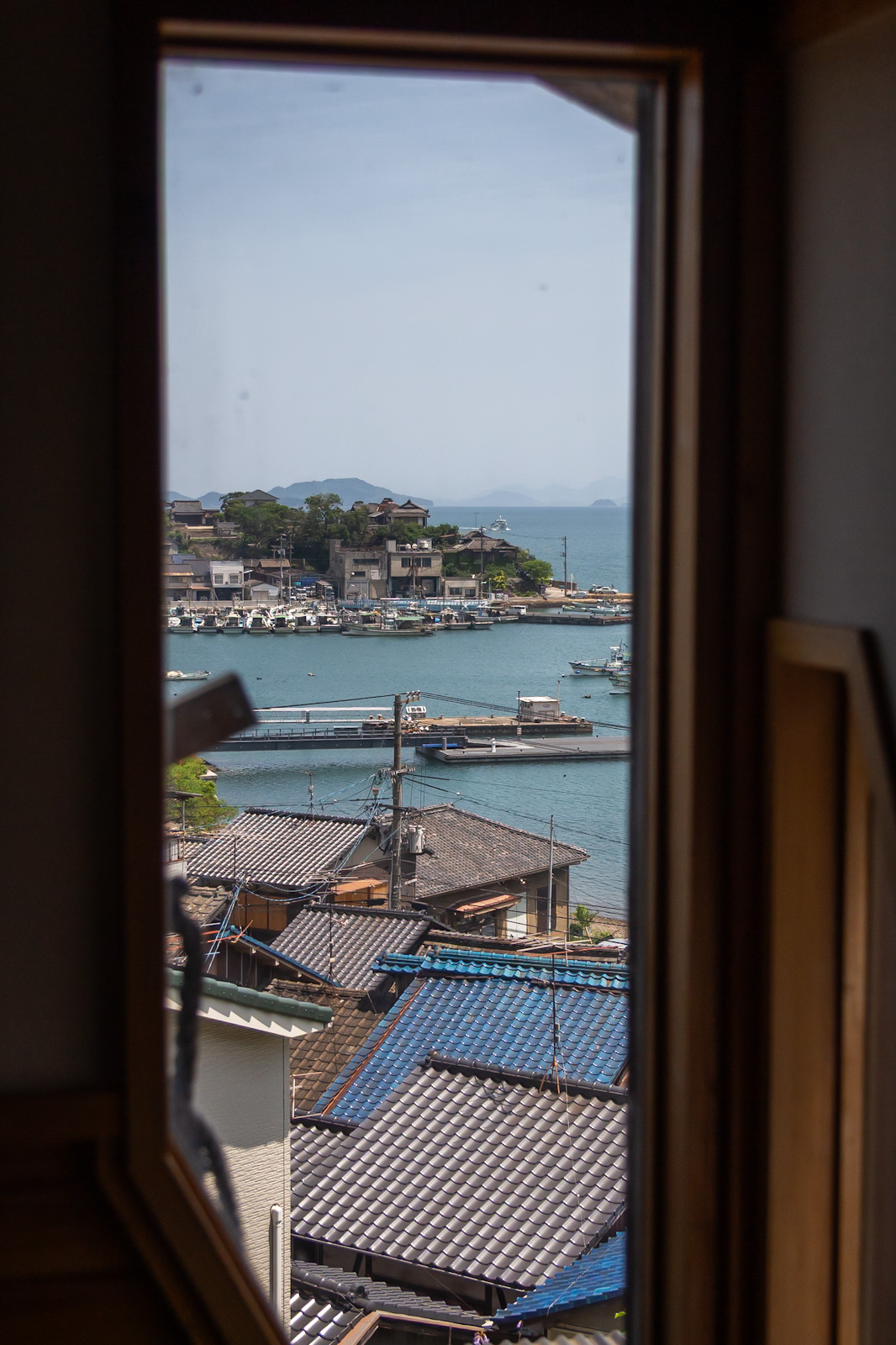
My thoughts carried me all the way up to Ponyo’s house, where for a few minutes, I was lucky enough to have it all to myself. It looks like something straight out of a picture book. And the view, well, it’s breathtaking.
You can’t go inside the house, so after snapping a few pics, I made my way back down the hill. It was a hazy day with a few clouds here and there, but the sun was beating down hard. Keen for a cold drink, I followed a sign for a cafe.
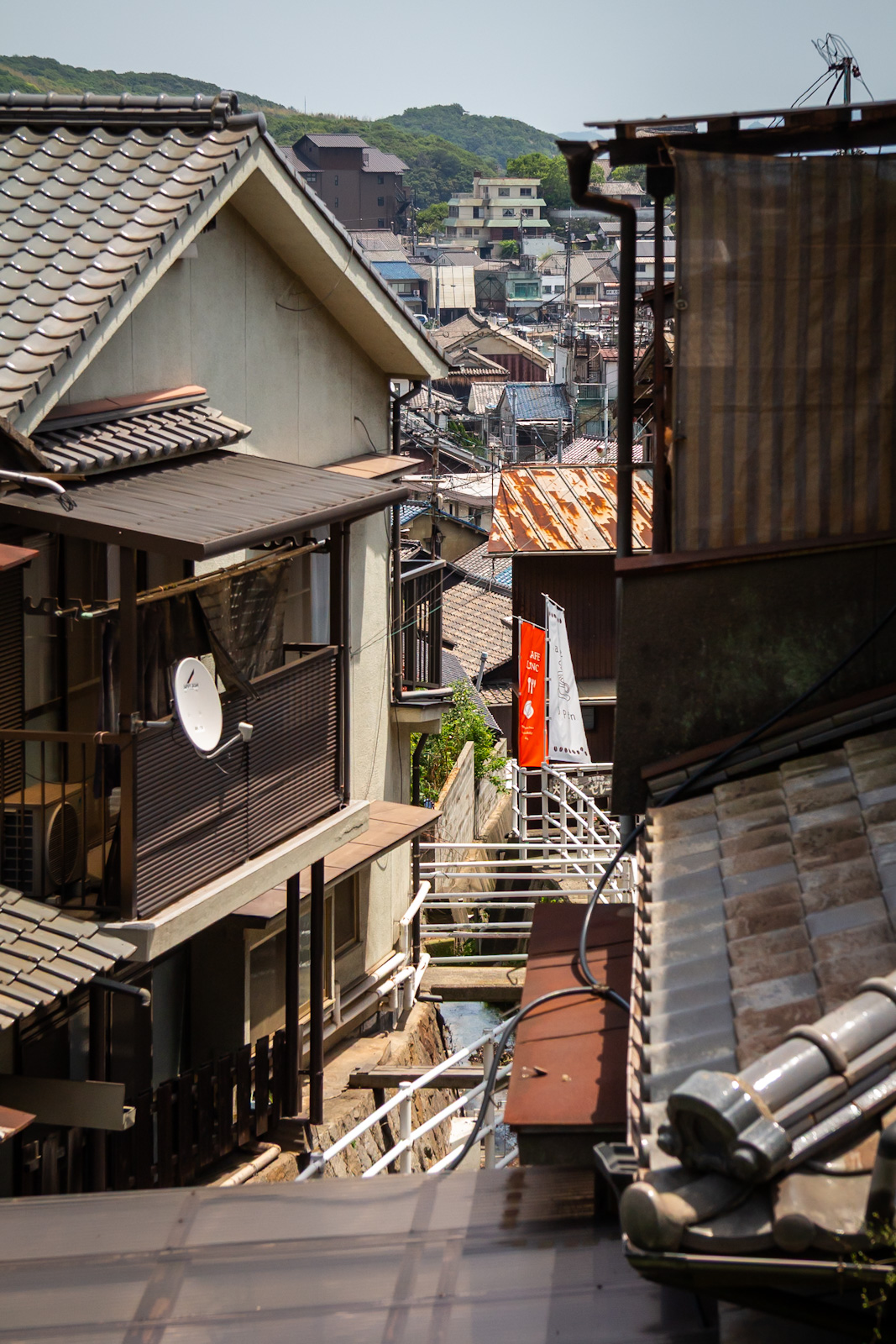
The arrows led me down a small narrow street, around a bend, and then all the way to what looked like a private house. At the end of the small adjacent lane I found a garden, and when I turned left, a wonderful surprise.
I’d reached a deck overlooking the water with one of the most amazing views of the Seto Inland Sea I’ve ever seen. Tea House Sereno, a sign announced, and it appeared I was the first customer of the day.
“いらっしゃいませ!” the owner greeted me warmly. “お好きな席にお座りください。”
I chose a seat at a counter overlooking both the sea and the townscape below. As I took in the view, I couldn’t believe my luck stumbling upon such a place.
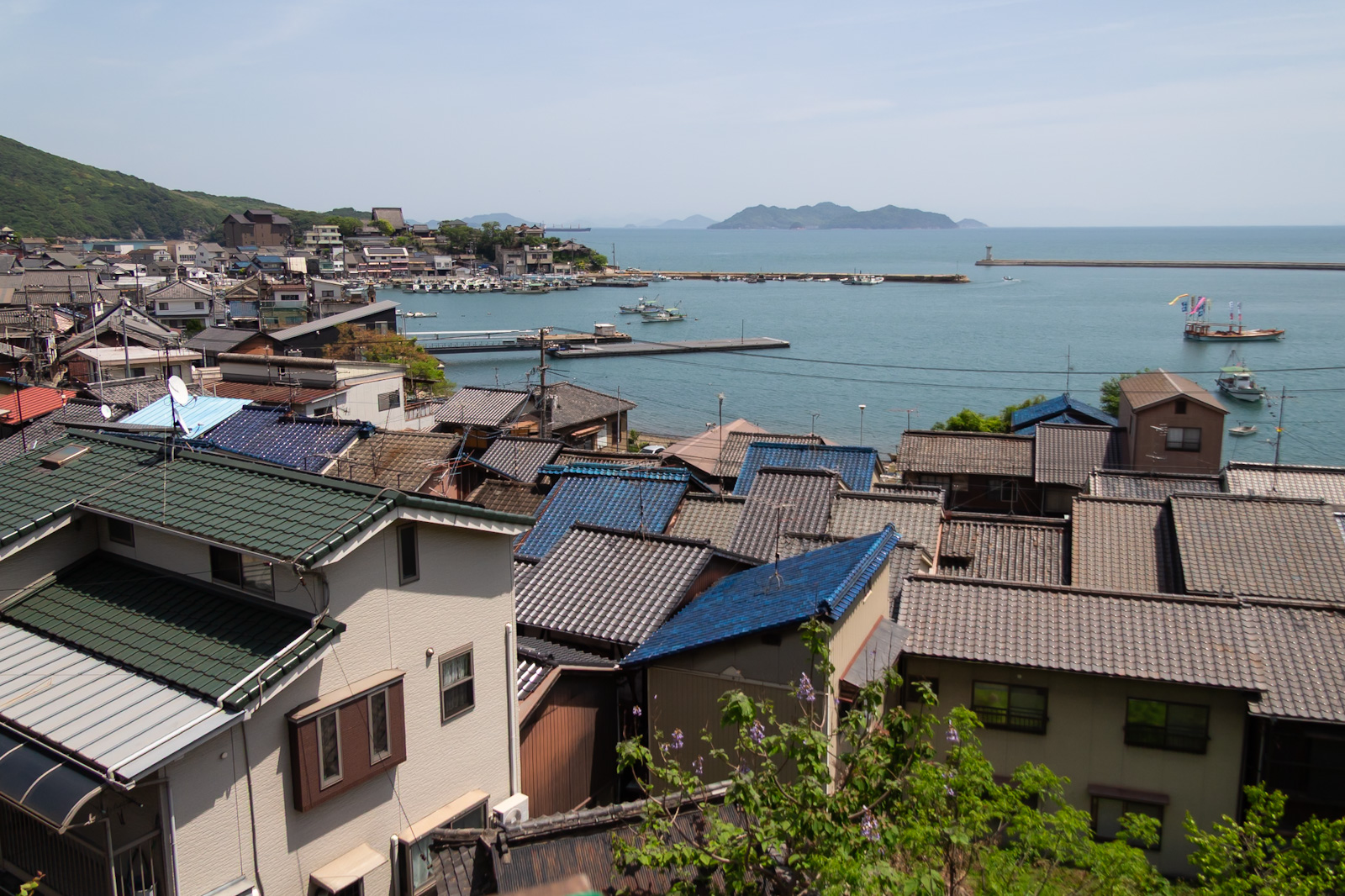
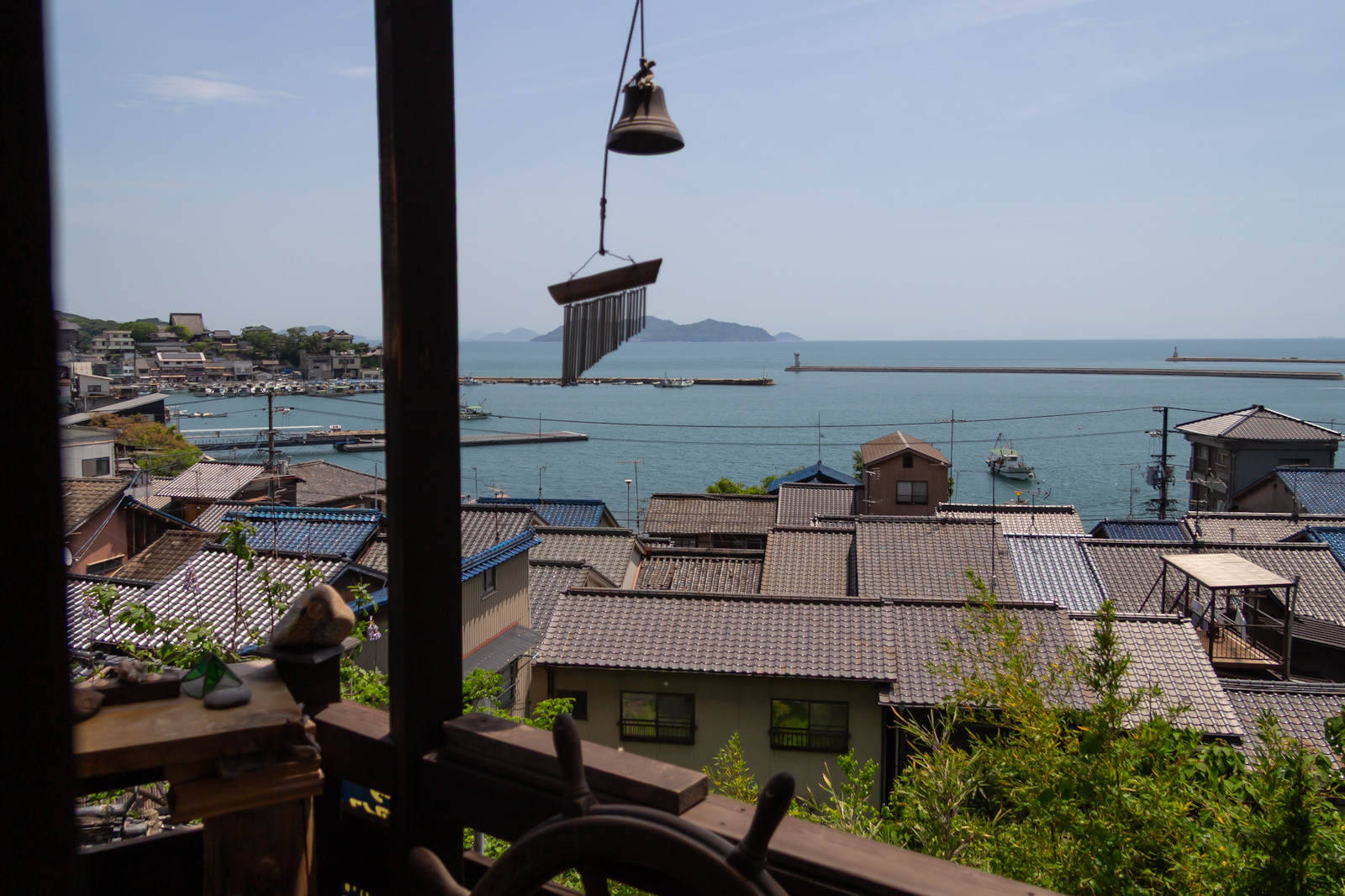
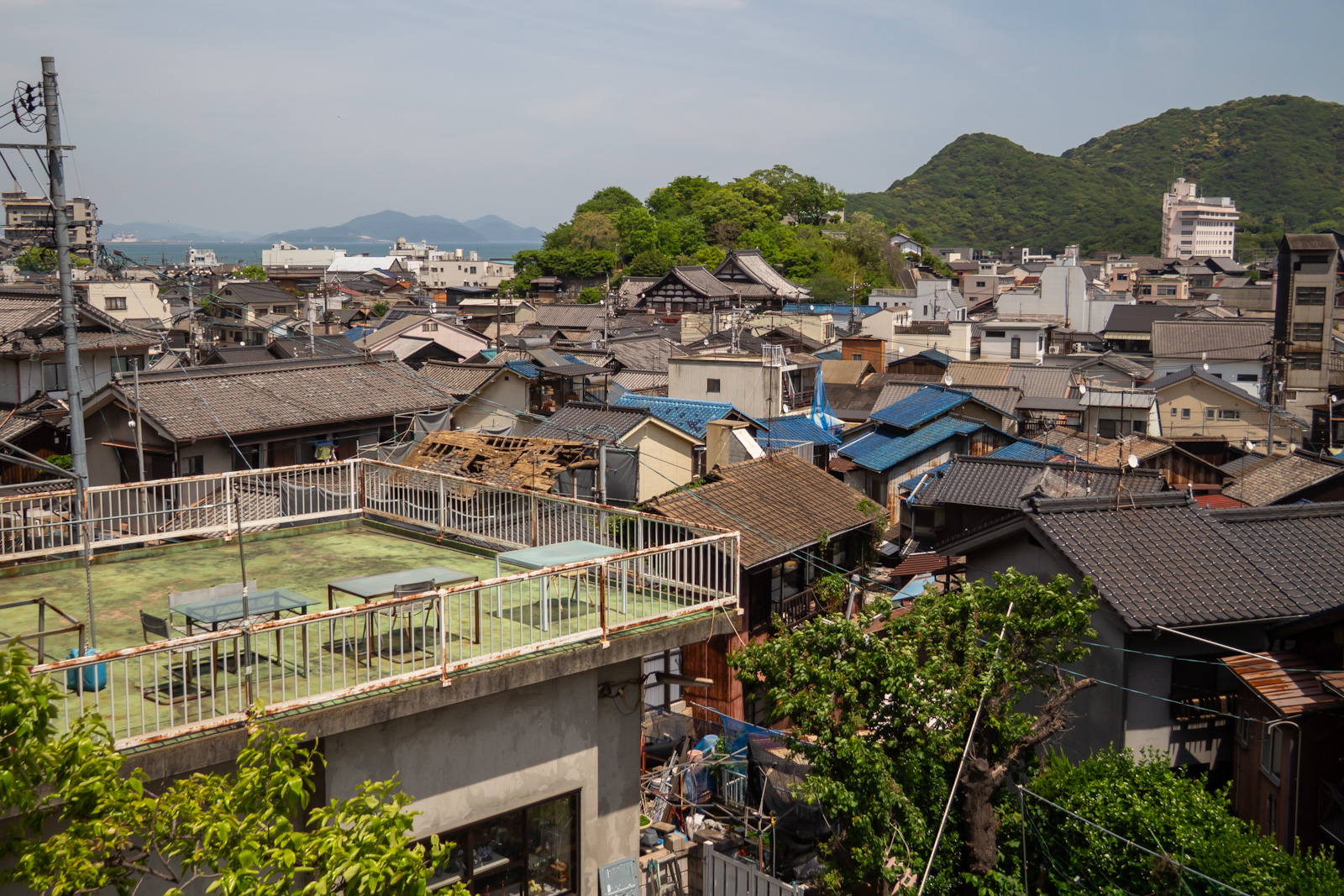
As it turns out, the gorgeous view isn’t the only thing Sereno has going for it; the food is delicious, too. I munched eagerly on my sandwich and sipped my iced coffee as more and more people began to arrive. “We have an upstairs, too,” the owner said with a smile as he refilled my water. “You can take nice pictures.”
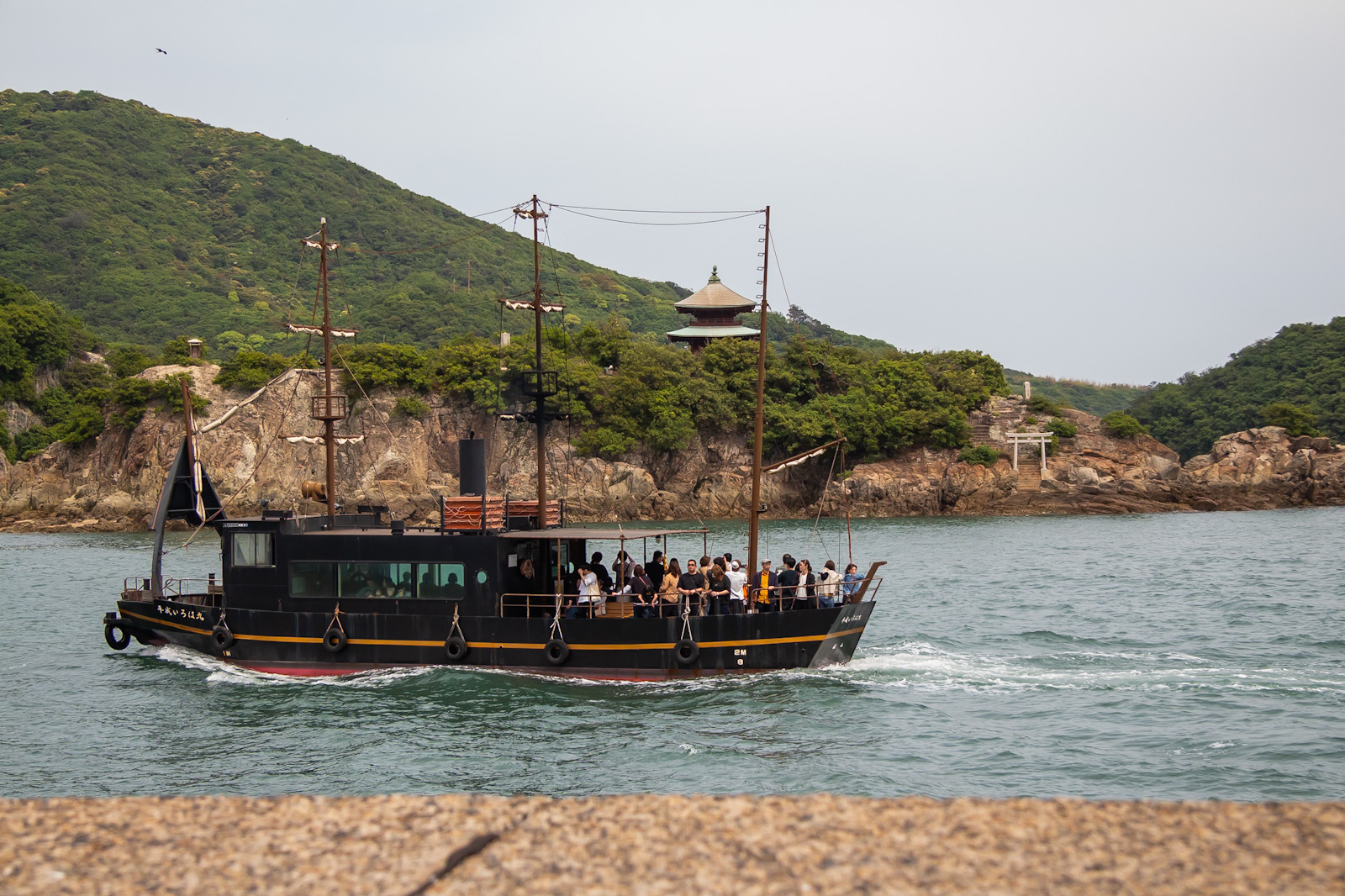
From the top deck of the cafe, I could make out one of Tomonoura’s tai‐ami boats with its bright, colorful flags flapping in the wind. From late April to early May, local fisherman encircle schools of madai, or red sea bream, with massive 1,500-meter nets.
The 400-year old fishing method attracts scores of visitors who come to enjoy it up close from viewing boats, which turn into fresh fish markets after the catch. Having tried tai while visiting Inujima, I can confirm it’s absolutely delicious. The practice is registered as an important intangible folk-cultural property of Fukuyama.
After snapping a few more pics, I headed to the register to pay, and that’s where I met the owner’s wife. She was once a teacher too, so we all had a great chat about life and travels. They waved me off and, with a full heart and belly, I made my way back down the hill.
After taking another walk around the port and a nearby pier, I popped into a local souvenir store for a lemon soda, and then headed up to the Tourist Information Center to browse regional products. This part of Hiroshima is known for Setouchi lemons, which are cultivated on many of the islands of the Seto Inland Sea. I came away with a bottle of lemon salt, which is great for cooking fish.
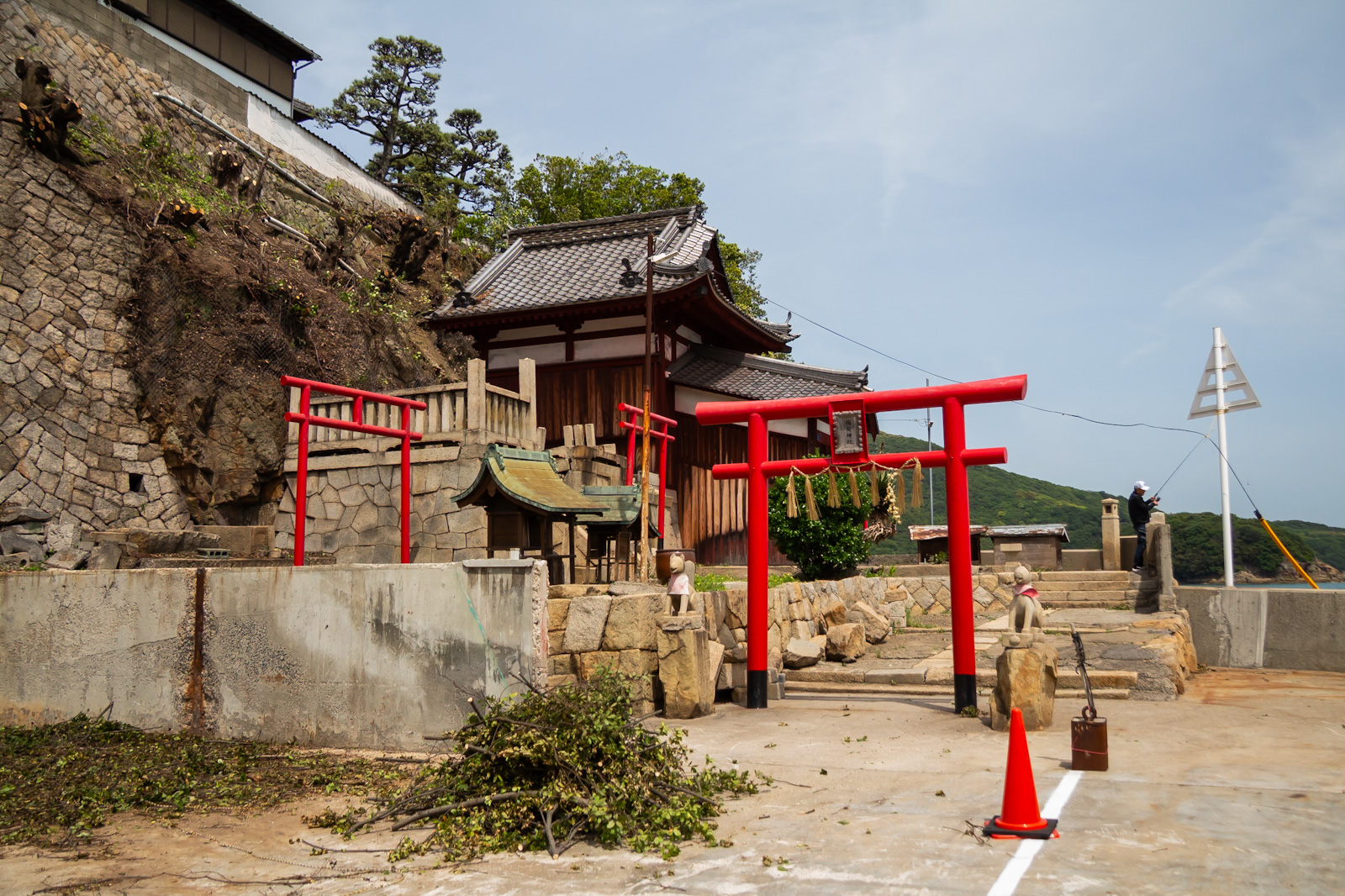
On the way back, I met a woman selling jewelry who is now the mother-in-law of a former English language teacher from Australia. We had a bit of a chat and I once again marvelled at how warm and friendly everyone was in Tomonoura.
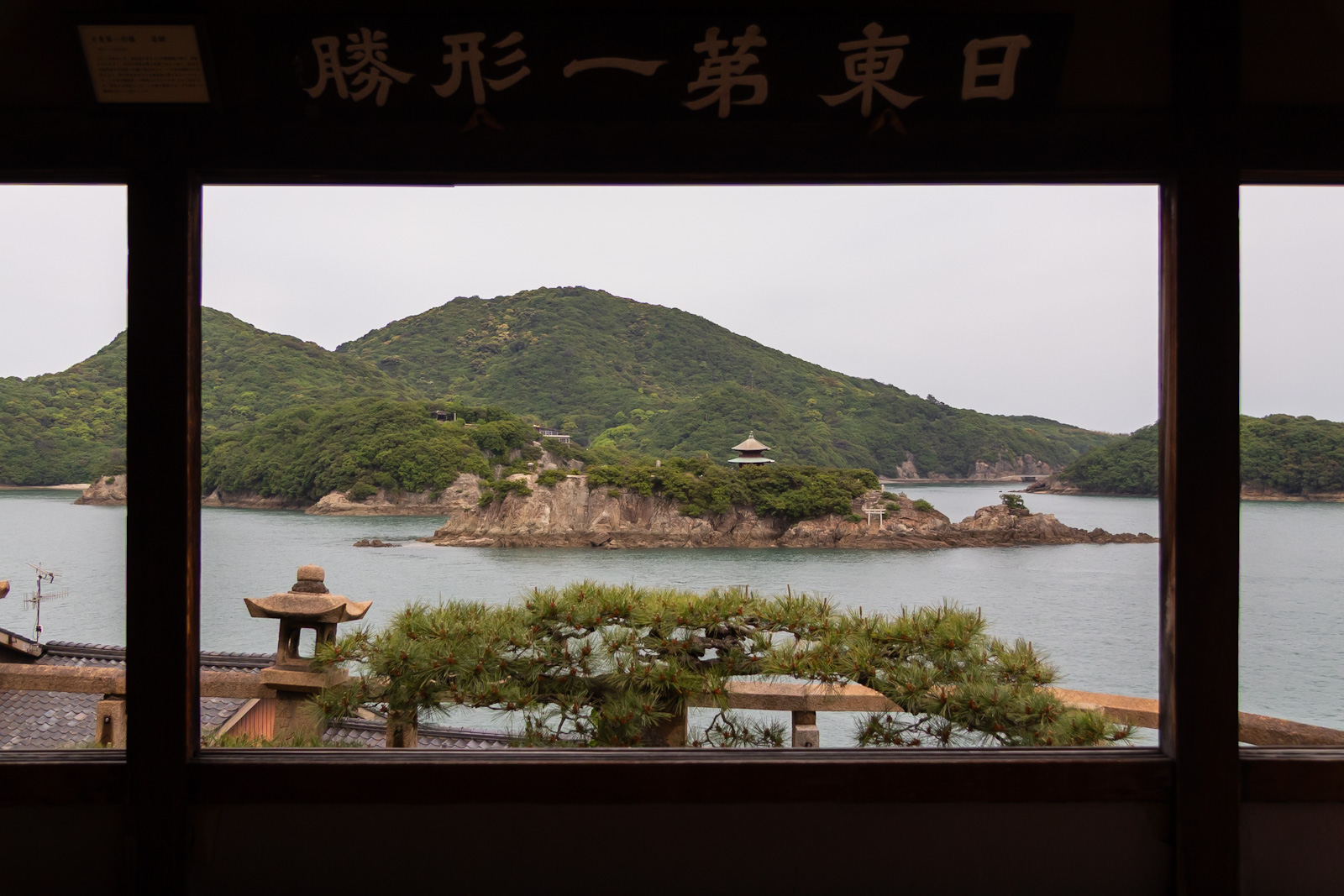
I wasn’t in a very touristy mood—just walking around enjoying the sea air and views were enough for me—but there was one more stop I wanted to make. I had read about a temple called Fukuzenji that has a famous panoramic view of Sensui and Benten islands, which are just across the water from Tomonoura.
The temple’s reception hall, Taicho-ro, was built during the Edo period and used as a guest house for Korean envoys. In 1711, one of these envoys, Yi Bang-eun, hailed the view from the windows of Taicho-ro as the most beautiful east of Korea.
Funnily enough, it turned out to be the most touristy spot of the day. The man in charge was running a strict operation; go in, pay the 300 yen entrance fee, kneel in front of the windows, take your photos, and move on. Not quite the serene experience I was hoping for, but enjoyable all the same.
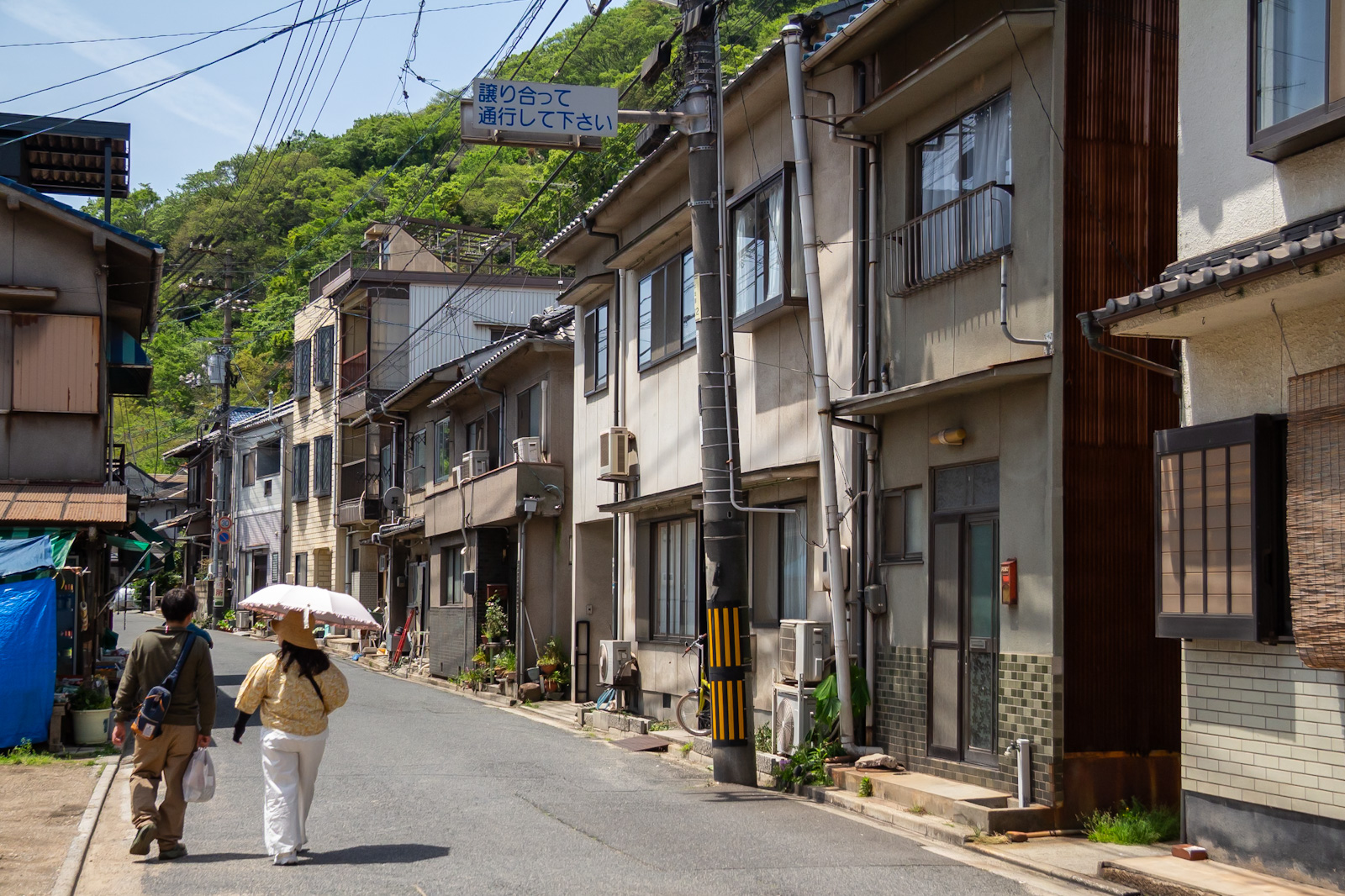
I spent the rest of my time in Tomonoura wandering around the narrow streets and back alleys of the town. I can see why Miyazaki was so inspired after visiting here. It’s one of those unassuming places in Japan that has its own kind of magic. And while it’s not as far off the beaten path as I’m sure it once was, it’s somehow managed to retain all of its charm.
Visit Tomonoura
Tomonoura is a 35-minute bus ride from Fukuyama Station, which is on the Sanyo Shinkansen line. To get there, take the bus heading for Tomoko (鞆港) from bus stop number 5 right in front of the East/West exit of the station. Get off at the Tomonoura stop for the Tourist Information Center (580 yen), or the Tomoko stop for the port village (620 yen). All the attractions are within walking distance, but rental bicycles are also available. For more information and free maps of the area, visit the Tourist Information Center.

1 Comment
Join the discussion and tell us your opinion.
Lovely story, well done!